
In the contemporary marketplace, the distance between a corporation and its consumer has shrunk to the width of a smartphone screen. Traditional marketing, characterized by one-way broadcasting and formal declarations of value, is rapidly being replaced by a more dynamic, fluid, and human-centric approach. At the heart of this shift lies a concept often misunderstood yet incredibly potent: banter.
Within the realm of brand strategy and corporate identity, “banter” is not merely “joking around.” It is a sophisticated communication tool—a strategic deployment of wit, playfulness, and conversational agility designed to foster deep emotional resonance with an audience. When executed correctly, banter transforms a faceless entity into a relatable personality, creating a competitive advantage that is difficult for competitors to replicate through pricing or features alone.
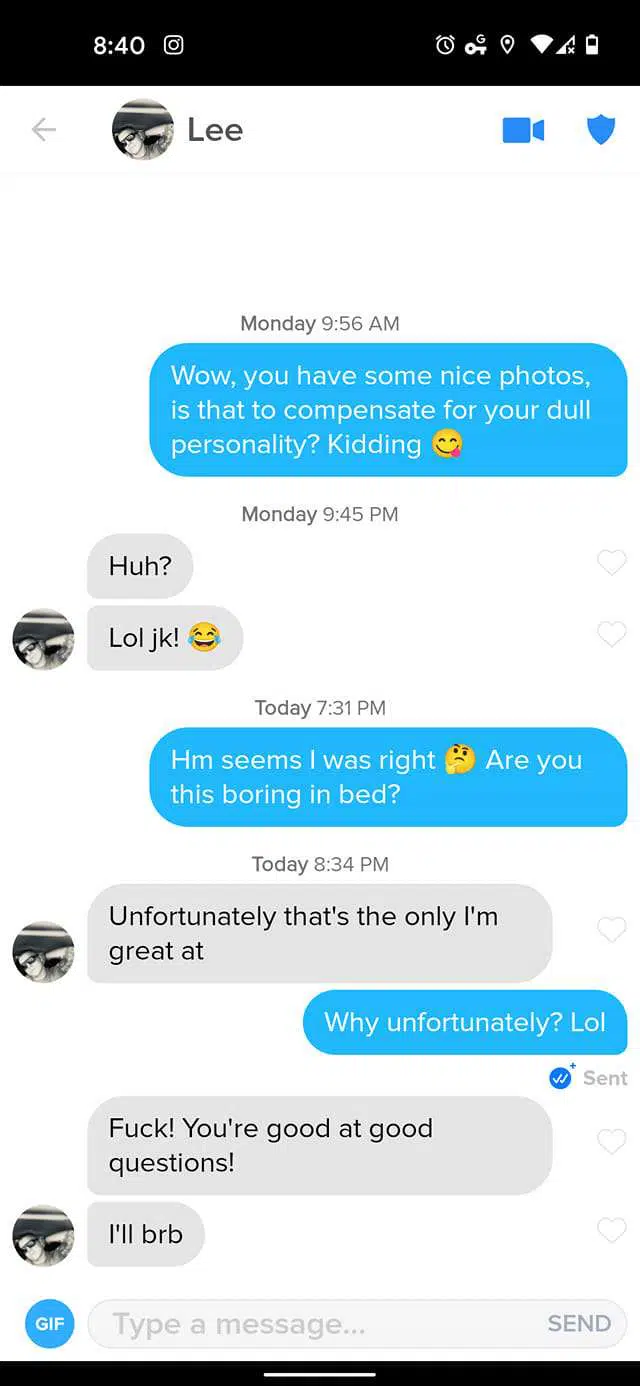
Defining Banter in the Context of Brand Identity
To understand what banter is in a professional context, one must first distinguish it from casual social interaction. In branding, banter is the intentional use of lighthearted, teasing, or witty remarks to bridge the gap between a brand’s commercial goals and its human audience. It is a specific dialect of brand voice that prioritizes relatability and real-time engagement over rigid professionalism.
The Psychology of Playful Communication
The effectiveness of banter in branding is rooted in basic human psychology. We are evolutionarily hardwired to respond to humor and social play. When a brand engages in banter, it triggers a “reward” response in the consumer’s brain. This reduces the natural skepticism many people feel toward advertising. By utilizing a playful tone, a brand signals that it is self-aware, confident, and, most importantly, listening.
In a digital landscape cluttered with aggressive sales pitches, a brand that can make a consumer smile or laugh earns something more valuable than a click: they earn “mental real estate.” This psychological connection moves the relationship from a transactional level (I buy your product) to a social level (I enjoy your presence), which is the foundation of long-term brand loyalty.
Moving Beyond Corporate Formalism
For decades, the standard for corporate identity was “professionalism,” which was often synonymous with being sterile, safe, and somewhat robotic. However, the rise of social media has changed consumer expectations. Modern audiences, particularly Millennials and Gen Z, value authenticity and transparency.
Banter serves as the antithesis to corporate formalism. It breaks the “fourth wall” of marketing. When a brand uses banter, it acknowledges that there are real people behind the logo. This shift from a “top-down” communication style to a “side-by-side” conversation is what allows brands to build communities rather than just customer lists.
The Strategic Role of Banter in Modern Marketing
While banter might look effortless, its implementation is a calculated strategic move. It is a high-level marketing tactic used to differentiate a brand in saturated markets. Whether it’s a fast-food chain engaging in “Twitter wars” or a luxury brand using dry wit in its copy, the goal remains the same: to stand out by being more human.
Building Community Through Conversational Commerce
We are living in the era of conversational commerce. Consumers no longer want to be talked at; they want to be talked with. Banter acts as the fuel for these conversations. By engaging in witty exchanges with followers—or even with competitors—a brand creates a spectacle that people want to be a part of.
This sense of community is fostered when followers feel they can “banter back.” When a brand responds to a customer’s comment with a clever retort or a personalized joke, that customer becomes an advocate. This interaction is often shared, liked, and retweeted, providing organic reach that no paid ad campaign could achieve. The banter becomes the content, and the community becomes the distribution network.
Humanizing the Corporate Entity
The ultimate goal of brand strategy is to create a distinct identity. Humanizing a brand through banter helps define its “archetype.” Is the brand the “Jester,” the “Sage,” or the “Rebel”? Banter allows these traits to manifest in a way that feels natural.
Take, for example, the evolution of customer service on social platforms. When a brand handles a complaint or an inquiry with a touch of personality and appropriate wit, it de-escalates tension and humanizes the resolution process. It proves that the brand isn’t just a set of automated scripts but an organization that understands human nuance. This humanization builds trust, as consumers are more likely to forgive and support an entity they perceive as having a “soul.”
Risks and Rewards: Navigating the Fine Line of Brand Wit
The use of banter is a high-stakes endeavor. While the rewards include viral engagement and cult-like loyalty, the risks of a “misfire” can be damaging to a corporate identity. A joke that falls flat or crosses a line can lead to PR crises and brand erosion.
When Banter Goes Wrong: Cultural Sensitivity and Timing
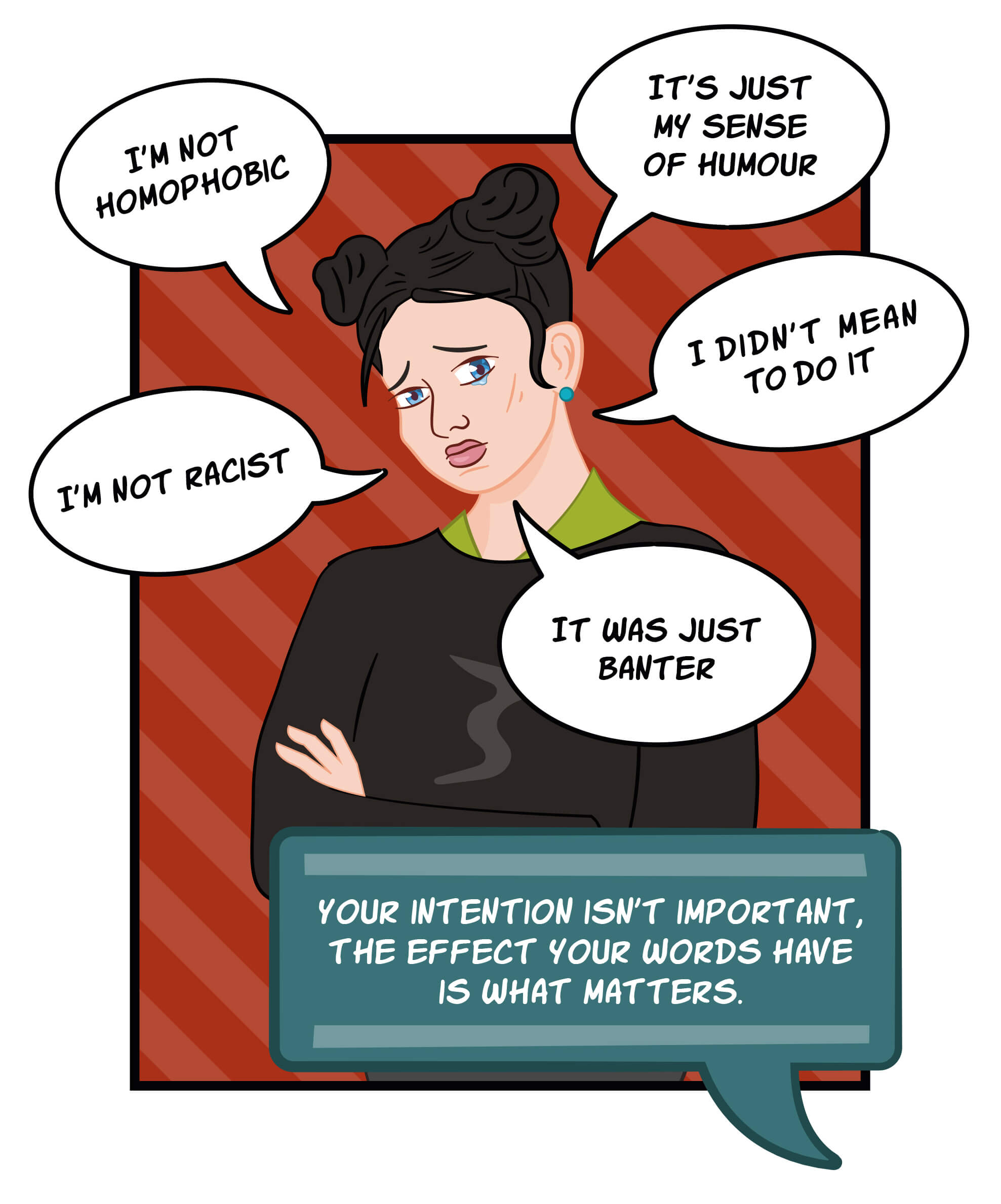
The most significant risk in brand banter is a lack of situational awareness. What is considered “edgy” in one context can be seen as “offensive” in another. Brands must have an intimate understanding of their audience’s values and the broader cultural zeitgeist.
Timing is equally critical. Attempting to be witty during a global crisis or a sensitive social moment can make a brand appear tone-deaf and opportunistic. The “cringe factor” occurs when a brand tries too hard to use slang or trends that don’t align with its core identity—a phenomenon often referred to as “fellow kids” marketing. To avoid this, banter must feel earned and authentic to the brand’s established persona.
Establishing Boundaries and Brand Guidelines
To mitigate risk, organizations must establish clear “Banter Guidelines” within their brand style guide. This isn’t about stifling creativity; it’s about creating a safe playground. Strategic boundaries should define:
- Target of the Wit: Is the brand self-deprecating, or does it tease the industry?
- Off-Limit Topics: Usually politics, religion, and sensitive social issues.
- The Tone Scale: Determining when to be 100% serious (e.g., security breaches or serious complaints) and when the banter “switch” can be turned on.
By having these guardrails, social media managers and copywriters can engage in real-time banter with the confidence that they are staying within the brand’s strategic parameters.
Implementing a Banter-Led Strategy Across Channels
Banter should not be confined to a single social media platform. To be truly effective as a brand strategy, it must be integrated into the broader corporate identity, ensuring a consistent experience across all touchpoints.
Social Media as the Primary Playground
While banter can exist in print ads or television commercials, social media is its natural habitat. Platforms like X (formerly Twitter), TikTok, and Instagram allow for the rapid-fire exchange that banter requires. Here, the brand can react to trending topics, engage in playful “feuds” with other brands, and respond directly to individual users.
The key to social media banter is speed and relevance. A witty reply ten hours late is no longer banter—it’s just a comment. Successful brands empower their social teams to make quick decisions, allowing them to participate in the “now” of the internet.
Integrating Personality into Customer Service
One of the most innovative uses of banter is in the transformation of customer support. Traditionally, support was a cost center characterized by “I’m sorry for the inconvenience” templates. By infusing banter into support—when appropriate—brands can turn a negative experience into a positive brand story.
If a customer tweets a playful complaint about a product, a brand that responds with a clever, helpful, and witty remark can neutralize the frustration. This approach requires a deep understanding of customer sentiment; the representative must be able to read the room to ensure the banter is welcomed rather than seen as dismissive of a legitimate problem.
Measuring the ROI of Brand Personality
In the world of business finance and brand strategy, every tactic must eventually justify its existence. While “banter” feels subjective, its impact can and should be measured using specific metrics.
Sentiment Analysis and Engagement Metrics
The most immediate way to measure the success of a banter-heavy strategy is through sentiment analysis. Using AI-driven tools, brands can track whether the “banter” is driving positive, neutral, or negative conversations. An increase in positive sentiment typically correlates with successful brand humanization.
Furthermore, engagement metrics—shares, mentions, and “earned media” value—provide a quantitative look at how far the banter is traveling. When a brand’s witty exchange goes viral, it generates thousands of dollars in free exposure, which can be directly compared to the cost of equivalent paid advertising.

Long-term Brand Loyalty and Advocacy
Beyond immediate metrics, the true ROI of banter is found in customer lifetime value (CLV). Brands that successfully use banter often see higher retention rates. Customers aren’t just buying a product; they are maintaining a relationship with a personality they enjoy.
Advocacy is the ultimate goal. When a brand’s banter becomes a talking point among consumers, those consumers become a volunteer marketing force. They defend the brand in comment sections, share its content with friends, and develop a sense of “ownership” over the brand’s success. This emotional moat is the strongest defense a brand can have against market volatility and competition.
In conclusion, “what is a banter” in the branding world? It is the strategic infusion of personality, wit, and human connection into a corporate identity. It is a bridge between the cold logic of business and the warm reality of human social interaction. When handled with care, skill, and strategic intent, banter is one of the most powerful tools a brand can use to survive and thrive in the modern attention economy.
aViewFromTheCave is a participant in the Amazon Services LLC Associates Program, an affiliate advertising program designed to provide a means for sites to earn advertising fees by advertising and linking to Amazon.com. Amazon, the Amazon logo, AmazonSupply, and the AmazonSupply logo are trademarks of Amazon.com, Inc. or its affiliates. As an Amazon Associate we earn affiliate commissions from qualifying purchases.