
In the competitive landscape of the global film industry, branding is everything. For the horror genre, building a distinct identity involves more than just jump scares and prosthetic makeup; it requires a psychological anchor that tethers the audience’s imagination to the real world. The tagline “Based on a True Story” is perhaps the most potent marketing tool in a film studio’s arsenal. From a brand strategy perspective, this label transforms a standard cinematic product into an immersive, multi-platform experience that blurs the lines between fiction and reality, driving consumer engagement and long-term brand loyalty.
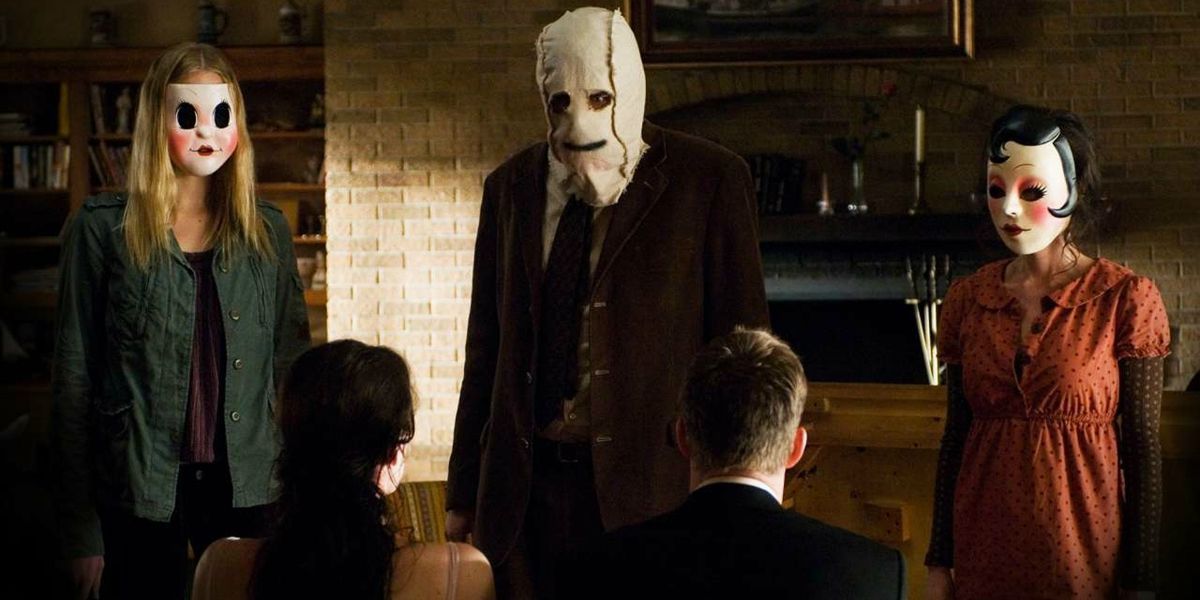
When we ask “what horror movies are based on true stories,” we are not just looking for historical facts; we are interacting with a sophisticated branding mechanism designed to increase the perceived value and emotional resonance of a media property. This article explores how film studios use real-life events to build powerhouse horror brands, the marketing psychology behind the “true story” hook, and the strategic case studies that have defined the genre’s commercial success.
The Psychology of the “True Story” Brand Strategy
The primary goal of any brand is to establish a connection with its audience. In the horror industry, that connection is built on fear. However, modern audiences are increasingly desensitized to traditional tropes. By branding a film as “based on true events,” studios leverage a psychological phenomenon known as the “availability heuristic,” where the audience’s brain prioritizes information that feels grounded in their own reality.
Building Authenticity in a Genre of Fantasy
In brand management, authenticity is the currency of trust. For a horror franchise, authenticity might seem counterintuitive, but it is the bedrock of their market positioning. When a brand like The Conjuring emphasizes its roots in the case files of Ed and Lorraine Warren, it is positioning itself as more than just entertainment—it is a “documented” account. This strategic positioning allows the studio to bypass the skepticism often associated with supernatural fiction. The brand becomes a bridge between the mundane world and the unknown, offering the consumer a “safe” way to explore real-world anxieties.
The Fear Factor: Bridging the Gap Between Screen and Reality
From a marketing perspective, the goal is to extend the product’s lifecycle beyond the theater seats. A fictional monster is forgotten when the lights go up. A brand built on a “true story,” however, follows the consumer home. This is a deliberate brand strategy known as “extended engagement.” By convincing the audience that the events could happen—or have happened—to people just like them, the brand remains active in the consumer’s mind long after the transaction is complete, leading to higher rates of word-of-mouth marketing and social media discourse.
Strategic Marketing: Case Studies of Horror Powerhouses
To understand how the “true story” label functions as a corporate identity, we must look at the brands that pioneered and perfected the technique. These case studies reveal how a simple claim of truth can be scaled into a multi-billion-dollar ecosystem.
The Conjuring Universe: Turning Paranormal Investigation into a Multi-Billion Dollar Brand
Warner Bros. and New Line Cinema’s The Conjuring is perhaps the most successful example of “truth-based” branding in modern history. The brand strategy here was brilliant: instead of focusing on a single movie, they branded an entire “Universe” centered on the real-life personas of the Warrens.
By marketing the films as “Files from the Warren Vaults,” the studio created a sense of historical weight. They utilized actual audio recordings and photographs from the real-life cases in their promotional trailers, effectively using “evidence-based marketing” to sell tickets. This approach transformed the films into a brand that consumers perceive as a series of biographical documentaries rather than mere slasher films, allowing for countless spin-offs like Annabelle and The Nun.
The Texas Chain Saw Massacre: The Pioneer of “Real” Terror Branding
Long before the digital age, Tobe Hooper’s The Texas Chain Saw Massacre (1974) revolutionized brand positioning in the horror space. While the film was only loosely inspired by the crimes of Ed Gein, the marketing campaign leaned heavily into the “true story” narrative. The original posters and trailers presented the film as a factual account of an American tragedy.
This was a masterful stroke of brand deception that created a cult-like fascination. The brand’s identity became synonymous with “the forbidden,” attracting an audience that wanted to see “what really happened.” This strategy proved that a brand doesn’t need 100% factual accuracy to achieve market dominance; it only needs to convince the consumer of its plausibility.

The Blair Witch Project: Viral Marketing and the Illusion of Truth
In 1999, The Blair Witch Project redefined personal branding and digital marketing. The filmmakers created a website (a revolutionary move at the time) that featured fake police reports, interviews with “distraught parents,” and missing person posters.
The brand wasn’t just the movie; the brand was the mystery itself. By the time the film hit theaters, millions of people believed the footage was real. This “found footage” branding style relied entirely on the “true story” hook, turning a low-budget independent film into a global phenomenon through a sophisticated, multi-channel marketing campaign that prioritized narrative immersion over traditional advertising.
The Economic Value of Authenticity in Brand Identity
The decision to base a horror movie on a true story is often a strategic financial move. In the business of cinema, risk mitigation is key, and “true story” brands offer a level of predictability that original IPs (Intellectual Properties) often lack.
High ROI: Lower Production Costs and Higher Engagement
Horror films based on true stories often enjoy a significantly higher Return on Investment (ROI). Because the “truth” provides the narrative tension, these films do not always require massive budgets for CGI or high-profile stars. The “story” is the star. For a studio, this means lower production overhead and higher profit margins. Brands like Blumhouse have built their entire corporate identity on this model: producing low-budget, high-concept films that use realistic settings to maximize the “it could happen to you” factor, leading to massive box office multipliers.
Merchandising and Intellectual Property Expansion
When a horror brand is rooted in reality, it opens doors for secondary revenue streams. Books, documentaries, haunted house attractions, and museum exhibits (such as the actual Warren Occult Museum) serve as touchpoints for the brand. This ecosystem creates a self-sustaining cycle of brand awareness. For example, a consumer might buy a book about the “real” haunting behind The Exorcist, which eventually leads them to purchase the 4K anniversary edition of the film. This is the hallmark of a successful brand architecture: multiple entry points leading back to the core product.
Ethical Considerations and Brand Integrity
While the “based on a true story” label is a powerful marketing tool, it carries significant brand risk. In an era of instant information and fact-checking, studios must balance creative license with the maintenance of brand integrity.
Balancing Creative License with Respect for Reality
A brand can suffer irreparable damage if it is perceived as being exploitative or dishonest. If a studio markets a film as a true story but deviates so far from the facts that it becomes unrecognizable, they risk alienating their core audience. Modern brand strategy for horror now involves a “transparency” layer—studios often release “making of” features or interviews with survivors and historians to validate their claims. This “behind-the-scenes” content serves to reinforce the brand’s commitment to its “true story” origins.
Maintaining Audience Trust in the Age of Fact-Checking
The rise of social media and digital sleuthing means that any “true story” claim will be scrutinized. Brands that survive this scrutiny are those that lean into the “inspired by” or “based on” nuances carefully. Smart branding involves acknowledging the dramatization while doubling down on the emotional truth of the events. By maintaining this balance, horror brands can preserve their credibility and continue to command the attention of a cynical, information-saturated market.
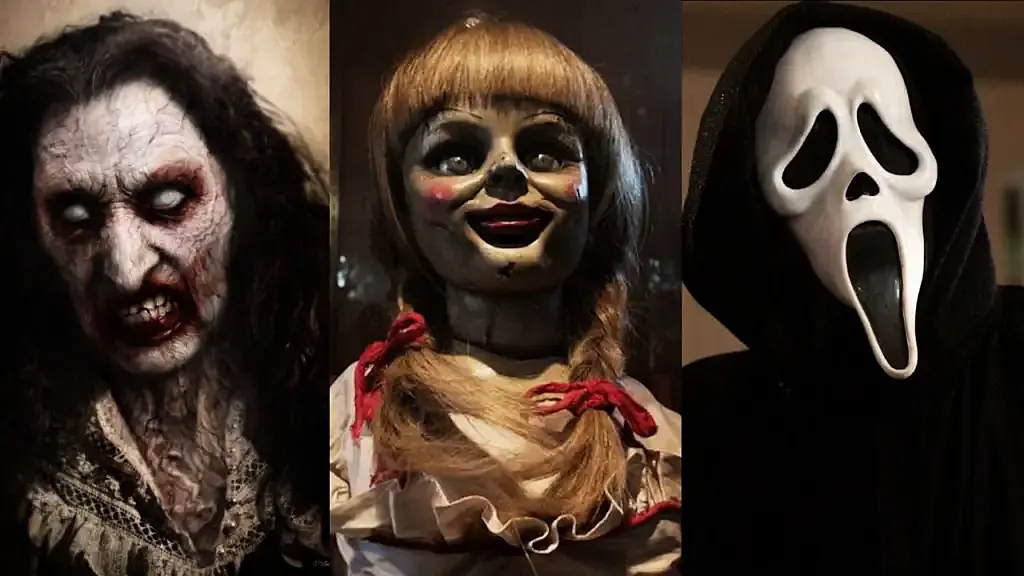
Conclusion: The Future of Reality-Based Branding in Horror
As the film industry evolves, the “based on a true story” label will continue to be a cornerstone of horror brand strategy. In an increasingly digital and artificial world, consumers crave experiences that feel “real.” By anchoring their narratives in historical events, paranormal investigations, or true crimes, studios create brands that are not just seen, but felt.
The success of films like The Conjuring, The Texas Chain Saw Massacre, and The Blair Witch Project demonstrates that the intersection of truth and terror is a goldmine for brand development. It allows for higher engagement, better ROI, and a lasting legacy that transcends the screen. For any studio or marketer looking to make an impact in the horror space, the lesson is clear: reality isn’t just a source of inspiration—it is one of the most powerful branding assets available in the modern marketplace.
aViewFromTheCave is a participant in the Amazon Services LLC Associates Program, an affiliate advertising program designed to provide a means for sites to earn advertising fees by advertising and linking to Amazon.com. Amazon, the Amazon logo, AmazonSupply, and the AmazonSupply logo are trademarks of Amazon.com, Inc. or its affiliates. As an Amazon Associate we earn affiliate commissions from qualifying purchases.