
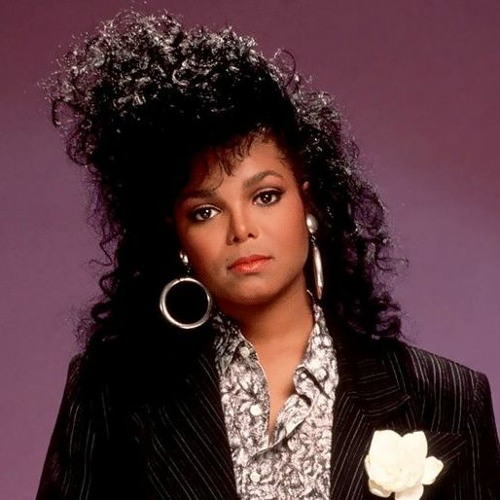
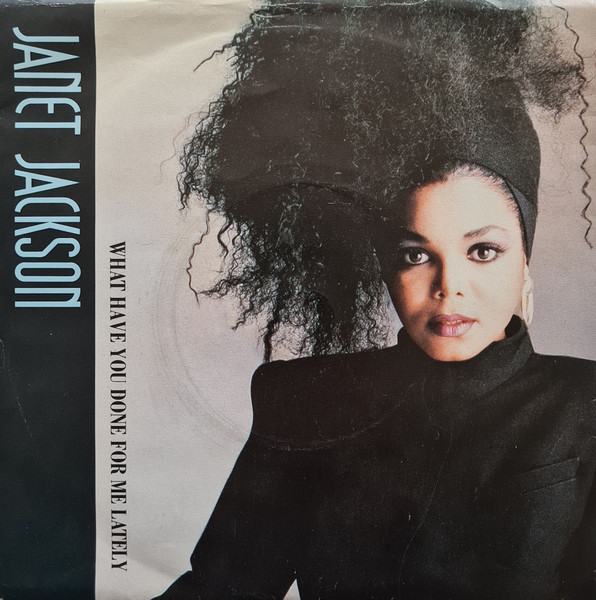
In 1986, Janet Jackson released the hit single “What Have You Done for Me Lately,” a song that questioned the fading efforts of a partner who had grown complacent. While the track remains a cornerstone of R&B history, the sentiment of the lyrics has become the unofficial mantra of the modern consumer. In the contemporary marketplace, brand loyalty is no longer a static achievement to be unlocked and stored away; it is a perishable commodity that requires constant renewal.
For brand strategists, the “What Have You Done for Me Lately” (WHYDFML) mindset represents the ultimate challenge. It signals the shift from a legacy-based economy, where heritage and history were the primary drivers of trust, to an experience-based economy, where the last interaction is the only one that counts. To survive, brands must move beyond their past laurels and embrace a strategy of continuous value delivery.
The Janet Jackson Effect: Why Yesterday’s Success Doesn’t Buy Tomorrow’s Loyalty
The title of the song perfectly encapsulates the erosion of brand equity in the age of instant gratification. In the past, a brand like Ford or General Electric could coast for decades on the reputation of their engineering from twenty years prior. Today, a single glitchy app update or a tone-deaf social media campaign can undo years of goodwill.
The Erosion of Brand Equity in the Age of Instant Gratification
Brand equity was traditionally built through “reach and frequency”—telling the same story to as many people as possible until it stuck. However, the digital revolution has shortened the consumer’s memory. We live in a world of “infinite shelf space,” where a competitor is always just one click or one algorithm-suggested post away. When a brand stops innovating or stops solving a specific pain point for the consumer, the consumer doesn’t feel an emotional obligation to stay. They ask, “What have you done for me lately?” and if the answer is “nothing since last year,” they move on.
Moving Beyond “Legacy”: Why History Isn’t Enough
Legacy can actually be a trap for established brands. Companies often become so enamored with their own history that they fail to see how the market has shifted around them. Heritage is only valuable if it provides a foundation for future innovation. If a brand’s primary value proposition is “we’ve been here since 1950,” they are vulnerable to a “born-in-the-cloud” startup that asks the consumer, “What do you need today?” Strategic branding requires a balance: honoring the core values that built the company while ruthlessly iterating on the delivery of those values.
The Recency Bias and Consumer Psychology
To understand why the “What Have You Done for Me Lately” mindset is so prevalent, we must look at the cognitive biases that govern human decision-making. Chief among these is the “Recency Bias,” a psychological phenomenon where people give greater importance to the most recent information or experiences they have had, rather than looking at the aggregate of a relationship.
Understanding the “What Have You Done for Me Lately” Mindset
The human brain is wired for survival, which means it is constantly scanning the environment for the most relevant, current information. In a commercial context, this means that a customer’s perception of a brand is heavily weighted toward their most recent transaction. If a luxury hotel provides a decade of perfect service but fails during a single check-in process, the recency bias dictates that the customer will view the brand as “slipping.” Brands must combat this by ensuring that the “peak-end rule”—the psychological idea that we judge an experience largely on how we felt at its peak and at its end—is applied to every single touchpoint.
The Digital Acceleration of Choice
Social media and e-commerce platforms have accelerated the WHYDFML cycle. Platforms like Instagram and TikTok expose consumers to new brands every few seconds. This constant bombardment of “newness” trains the consumer to expect a high “velocity of value.” When a brand stays silent or remains stagnant, they aren’t just standing still; in the mind of the consumer, they are regressing. Digital acceleration means that the gap between “relevant” and “obsolete” has narrowed from years to months.
Strategic Innovation: Keeping the Relationship Fresh
If the consumer is constantly asking what you’ve done for them lately, the brand strategy must be designed to answer that question proactively. This doesn’t necessarily mean launching a new product every week; it means consistently delivering “micro-value” that keeps the brand top-of-mind and indispensable.
Value-Added Marketing: More Than Just a Transaction
One of the most effective ways to answer the WHYDFML question is through value-added marketing. This is the practice of providing utility to the customer that goes beyond the product itself. For example, a fitness apparel brand shouldn’t just sell leggings; it should provide workout plans, nutritional advice, and community challenges. By doing this, the brand is “doing something” for the customer every day, even when the customer isn’t in a purchasing cycle. This creates a narrative of continuous support, making the brand a partner in the consumer’s lifestyle rather than just a vendor.
Iterative Experience Design
In brand strategy, “experience” is the new product. Iterative experience design involves constantly tweaking the customer journey to remove friction and add delight. This could be as simple as a revamped user interface on an app or as complex as a personalized loyalty program that anticipates what a customer wants before they even know it. The goal is to create a sense of momentum. When a customer sees a brand constantly improving—even in small ways—they feel that the brand is invested in the relationship. It signals that the brand is listening and evolving.
Case Studies in Perpetual Relevance
Several global brands have mastered the art of answering the “What have you done for me lately?” challenge. They have moved away from static brand identities toward dynamic ecosystems that provide constant value.
Apple: The Ecosystem of Continuous Upgrades
Apple is perhaps the gold standard of this strategy. They don’t just sell hardware; they sell a promise of continuous integration. Through regular software updates (iOS), new service offerings (Apple Fitness+, iCloud), and a hardware cycle that feels like an annual event, Apple ensures they are always doing something “new” for their users. Even if a user hasn’t bought a new iPhone in three years, the software updates provide new features that refresh the experience, effectively answering the WHYDFML question and maintaining the user’s loyalty within the ecosystem.
Netflix: From DVD Mailers to Content Powerhouse
Netflix’s entire history is a series of answers to “What have you done for me lately?” When the market grew tired of DVD mailers, they pivoted to streaming. When licensed content became too expensive and competitive, they pivoted to original programming. Today, they are pivoting into gaming and live events. Netflix understands that the “job to be done” for their brand is to provide entertainment. If they stayed as a DVD company, they would be a footnote in history. By constantly redefining what they “do” for the subscriber, they remain the dominant force in the industry.
Building a Future-Proof Brand Strategy
To avoid the “Janet Jackson” trap, companies must build a brand strategy that is agile, data-driven, and hyper-focused on the evolving needs of the consumer. Loyalty is not a destination; it is a continuous process of re-recruitment.
Personalization as the Ultimate Retention Tool
The most direct answer to “What have you done for me lately?” is a personalized one. Data-driven branding allows companies to say to a customer, “We did this specifically for you.” Whether it’s a personalized recommendation, a birthday reward, or a product tailored to their specific usage patterns, personalization proves that the brand is paying attention. In a sea of generic marketing, personalized value feels like a genuine effort to maintain a relationship, which is the most effective antidote to consumer complacency.
Cultivating Community Over Consumers
Finally, brands that survive the WHYDFML mindset are those that transform their customers into a community. When a consumer feels they belong to something, their loyalty becomes more resilient. Community-led brands (like Peloton or Harley-Davidson) create a “we” instead of a “them.” In these cases, the brand doesn’t just “do something” for the individual; it facilitates an environment where members do things for each other. This creates a self-sustaining ecosystem of value that transcends the latest product release or marketing campaign.
In conclusion, the “What Have You Done for Me Lately” song is more than a catchy tune; it is a warning for every brand in the modern era. Success yesterday is no guarantee of survival tomorrow. By focusing on recency, embracing iterative innovation, and delivering continuous, personalized value, brands can move from being a one-hit wonder to a timeless classic in the hearts and minds of their customers. The question will always be asked; the most successful brands are the ones that always have a fresh answer ready.
aViewFromTheCave is a participant in the Amazon Services LLC Associates Program, an affiliate advertising program designed to provide a means for sites to earn advertising fees by advertising and linking to Amazon.com. Amazon, the Amazon logo, AmazonSupply, and the AmazonSupply logo are trademarks of Amazon.com, Inc. or its affiliates. As an Amazon Associate we earn affiliate commissions from qualifying purchases.