
In the world of professional sports, an athlete is more than just a player; they are a sophisticated corporate entity. Their performance on the field serves as the product, while their public persona, community involvement, and marketability constitute their personal brand. For Julio Urías, once the ace of the Los Angeles Dodgers and a cultural icon for millions, the “Urías Brand” represented resilience, heritage, and peak performance. However, following a series of off-field legal incidents—most notably the domestic violence allegations that surfaced in late 2023—the narrative of “what happened to Julio Urías” has shifted from a sports analysis to a cautionary tale of brand devaluation.
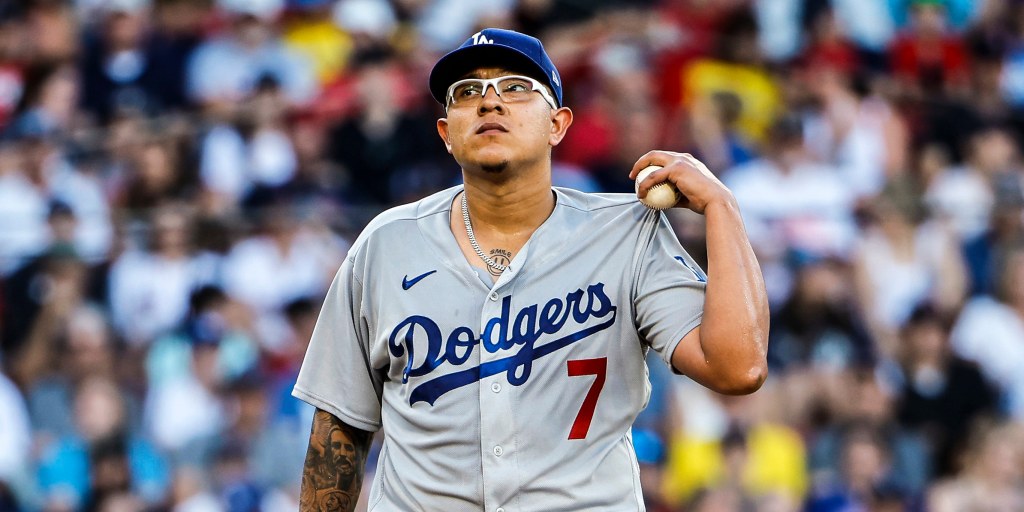
This article examines the trajectory of the Julio Urías brand, analyzing how a high-value personal brand can vanish overnight when core values are breached, and what this means for the broader landscape of corporate identity and sponsorship in professional athletics.
The Rise of the Urías Brand Identity: Building Equity Through Narrative
To understand the magnitude of the fall, one must first recognize the strength of the brand at its zenith. Julio Urías was not merely a pitcher; he was a strategic asset for the Los Angeles Dodgers and a vital bridge to one of the most significant demographics in sports marketing.
The Cultural Value Proposition
Urías’s brand was built on a unique value proposition: he was the “Teenage Phenom” who overcame a physical ailment (a benign tumor in his left eye) to become a World Series hero. This narrative of overcoming adversity resonated deeply. Furthermore, as a Mexican-born star in Los Angeles, his brand equity was inextricably linked to the city’s large Latino population. He filled the “Fernandomania” void, serving as a cultural ambassador. For brands looking to penetrate the Hispanic market, Urías was the ultimate vehicle for authentic engagement.
Performance as Brand Foundation
In branding, consistency is key. Between 2020 and 2022, Urías was a model of consistency, leading the league in wins and maintaining an elite ERA. His “on-field product” was reliable, which allowed his “off-field brand” to command premium sponsorship dollars and high-profile marketing placements. At this stage, his brand was characterized by stability, professionalism, and community pride.
Crisis and the Devaluation of Brand Equity: The Turning Point
Brand equity is the commercial value that derives from consumer perception of the brand name of a particular product, rather than from the product itself. For Julio Urías, his name once added value to the Dodgers’ ticket sales and merchandise. That equity evaporated the moment his personal conduct conflicted with the ethical standards expected by his stakeholders.
The Immediate Impact of Controversy
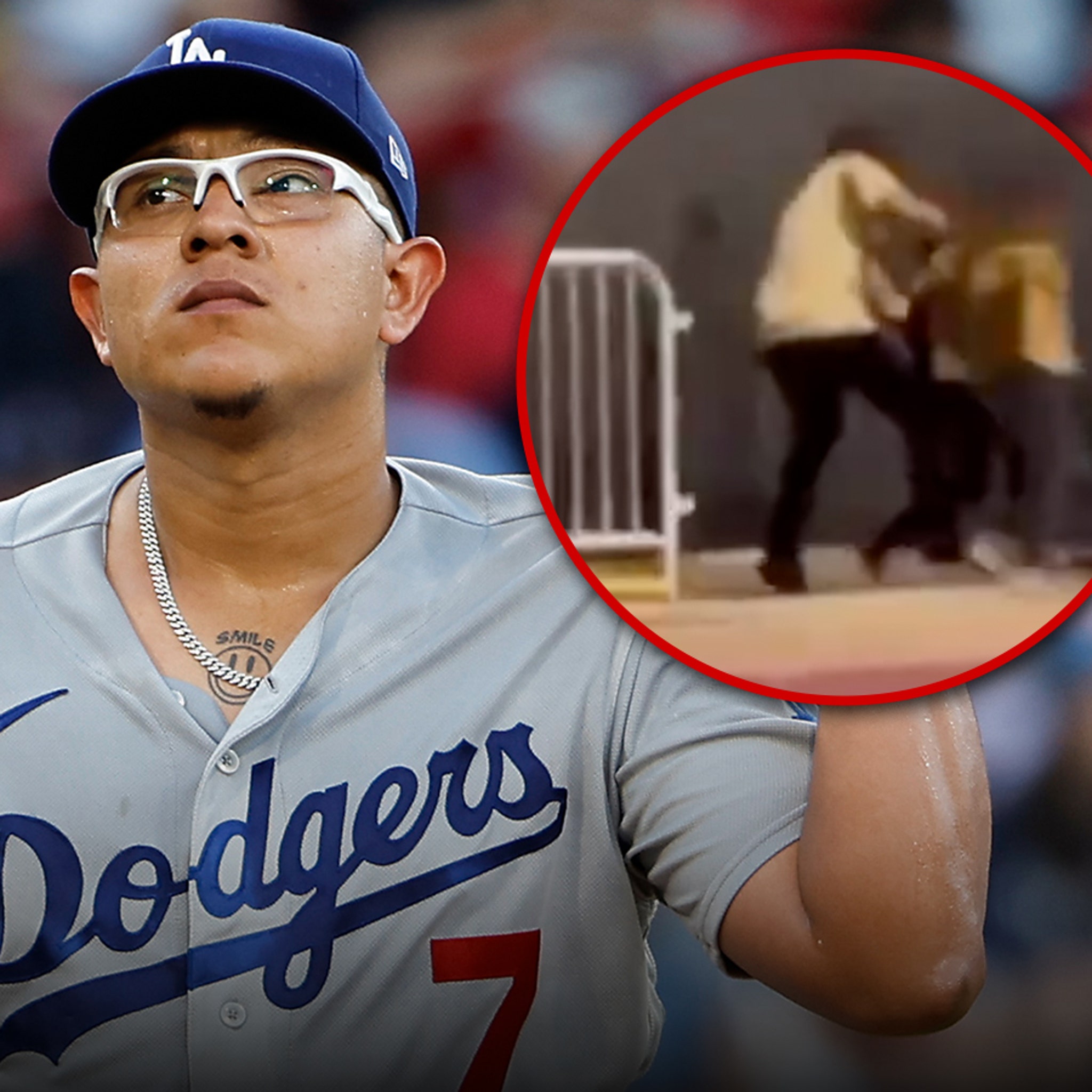
When news broke of Urías’s arrest on suspicion of domestic violence in September 2023, the reaction was swift. In personal branding, a crisis of this nature is a “Category 5” event. Unlike a performance slump, which is a product failure that can be fixed with training, a legal or ethical violation is a brand identity failure. The public perception shifted instantly from “hero” to “liability.” This shift triggered a cascade of distancing maneuvers from every corporate entity associated with him.
Repeat Offenses and Brand Poisoning
From a brand management perspective, the 2023 incident was particularly devastating because it was not an isolated event. Urías had a previous suspension in 2019 for a domestic violence-related incident. In the world of reputation management, a second offense is often seen as “brand poisoning.” It suggests a pattern of behavior that makes the brand irredeemable in the eyes of corporate sponsors. The “second chance” narrative, which is a powerful tool in brand recovery, was no longer a viable strategy for Urías.
The Dodgers and MLB: Corporate Identity and Moral Clauses
The response of the Los Angeles Dodgers and Major League Baseball (MLB) provides a blueprint for how large-scale corporate brands protect their own identities when a sub-brand (the player) becomes toxic.
Protecting the Institutional Brand
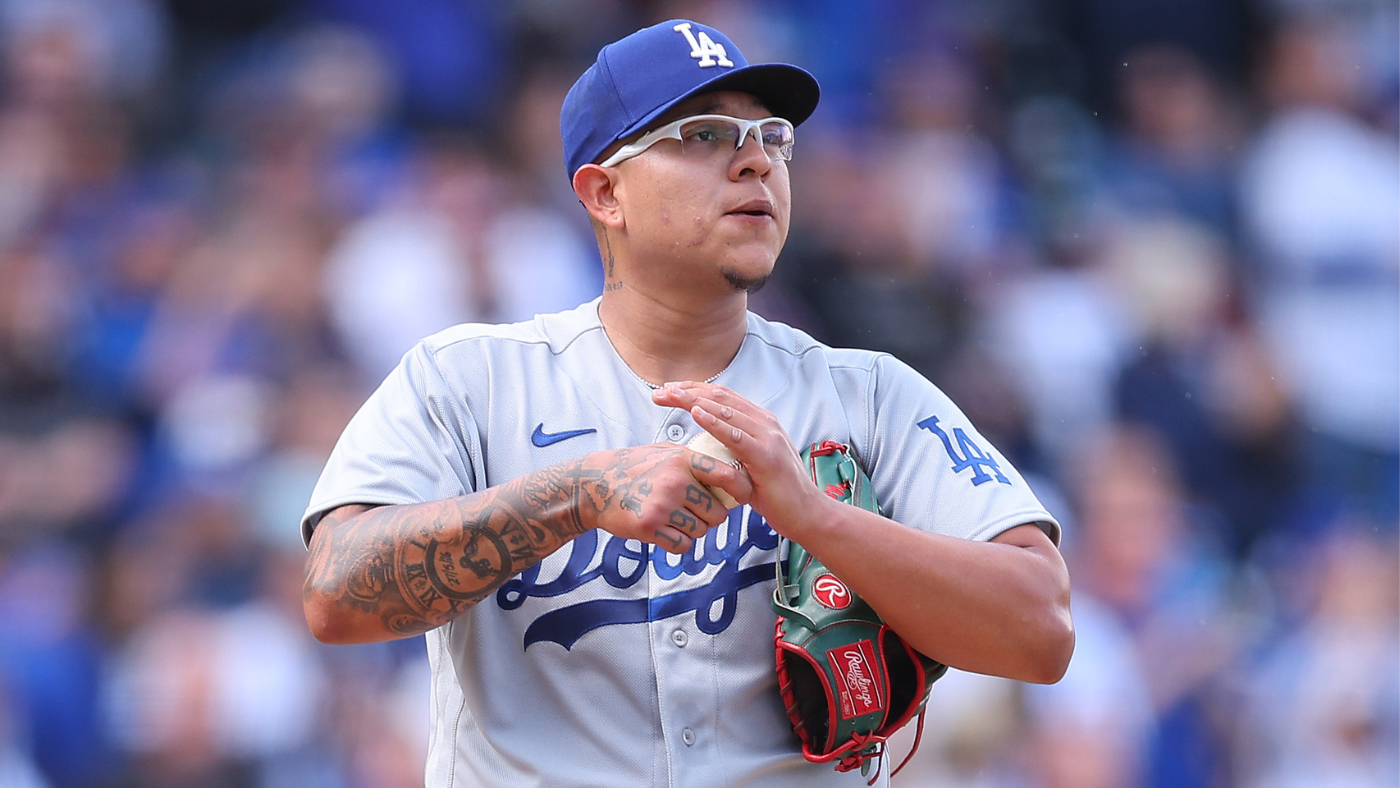
The Dodgers’ response was a masterclass in brand scrubbing. Within days of the incident, murals featuring Urías were painted over at Dodger Stadium, his locker was removed, and merchandise bearing his name was pulled from shelves. This was not just a legal move; it was a strategic branding move. The Dodgers’ corporate identity is built on family-friendliness and community integrity. By keeping Urías’s imagery, the Dodgers would have risked “brand contagion,” where the negative associations of the player bleed into the reputation of the franchise.
The Role of the Moral Clause
Every high-level athlete’s contract contains a “moral clause.” These clauses are essential financial tools that allow a corporation to terminate a relationship if an individual’s behavior brings the brand into disrepute. For MLB, the Joint Domestic Violence, Sexual Assault and Child Abuse Policy serves as the regulatory framework. The administrative leave placed on Urías was a defensive measure to maintain the integrity of the MLB brand while investigations proceeded. In terms of business finance, these clauses protect the league’s multi-billion dollar broadcast deals and sponsorship agreements from being tarnished by the actions of a single employee.
Lessons in Crisis Management for Modern Brands
The “What happened to Julio Urías” story offers several critical lessons for anyone managing a personal or corporate brand in the digital age. In an era of instant communication, the window for crisis management is smaller than ever.
Proactive vs. Reactive Strategies
A successful brand must have a crisis communication plan in place before a disaster occurs. In Urías’s case, there was no “spin” possible that could save the brand’s marketability. The lesson here is that some brand damage is irreparable. When a brand’s core identity is based on being a role model, violating that specific pillar is a terminal error. Modern brands must realize that “authenticity” is not just a marketing buzzword; it is a liability if the reality behind the brand does not match the image being sold.
The Long-Term Consequences of Brand Erosion
Once brand erosion begins, it is difficult to stop. For Urías, the financial consequences go far beyond his lost salary. He was entering his prime earning years and was poised for a massive free-agent contract—estimated at over $200 million. By damaging his brand, he didn’t just lose his current job; he destroyed his future market value. This is the ultimate risk in personal branding: your reputation is your primary asset, and its destruction leads to immediate financial insolvency in the sponsorship market.
Future Implications for Personal Branding in Professional Sports
The fallout from the Urías situation will likely influence how sports agencies and franchises approach brand building and risk assessment in the future.
The Digital Footprint and Public Sentiment
In the modern landscape, public sentiment is tracked in real-time via social media analytics. Brands no longer guess how the public feels; they know. The data surrounding Urías was overwhelmingly negative, making it impossible for any team to sign him without facing a massive public relations backlash. This highlights the power of the “audience” as a stakeholder. If the audience rejects the brand, the brand ceases to have commercial value.
Rebuilding or Retiring a Tarnished Brand
Is it possible for a brand like Julio Urías’s to be rebuilt? In the current corporate climate, where Environmental, Social, and Governance (ESG) criteria are increasingly important to investors and sponsors, the path to redemption is narrow. For a personal brand to recover from domestic violence allegations, it requires years of genuine, transparent restorative work, often far away from the spotlight. However, in the high-stakes world of professional sports, where “win-now” mentalities usually prevail, most corporations prefer to retire a tarnished brand and invest in a new, “clean” one.
Conclusion
What happened to Julio Urías is a stark reminder that in the intersection of business and sports, talent is only one part of the equation. A personal brand is a fragile ecosystem built on trust, narrative, and perceived character. When that trust is broken, the brand equity vanishes, and the financial and professional structures supporting the individual collapse.
From a brand strategy perspective, the Urías case underscores the necessity of ethical alignment between an individual and the corporate entities they represent. As the Dodgers moved forward and the baseball world turned its attention to new stars, the Urías brand became a ghost—a reminder that no matter how high a brand rises, it is never too big to fail if it loses its moral compass. For marketers, agents, and athletes alike, the lesson is clear: your brand is your most valuable asset; protect it at all costs.
aViewFromTheCave is a participant in the Amazon Services LLC Associates Program, an affiliate advertising program designed to provide a means for sites to earn advertising fees by advertising and linking to Amazon.com. Amazon, the Amazon logo, AmazonSupply, and the AmazonSupply logo are trademarks of Amazon.com, Inc. or its affiliates. As an Amazon Associate we earn affiliate commissions from qualifying purchases.