
The sports world was recently set ablaze by the news that Jim Harbaugh, the charismatic and often polarizing head coach, would be leaving the University of Michigan to return to the NFL as the head coach of the Los Angeles Chargers. To the casual observer, this is a simple career move—a coach seeking a new challenge. However, from the perspective of brand strategy and personal identity management, “what happened to Jim Harbaugh” is a sophisticated case study in brand equity, market timing, and the art of the pivot.
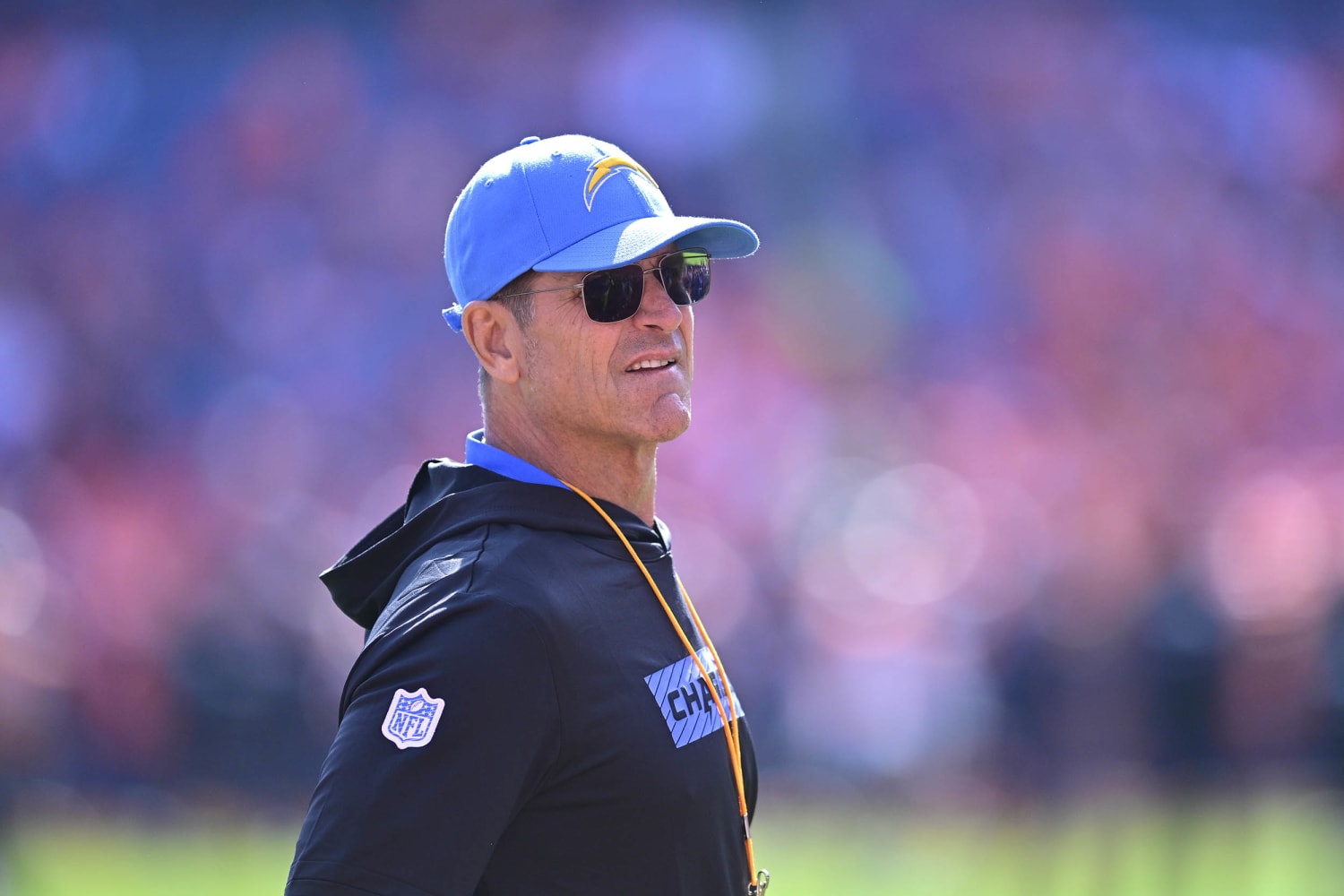
Jim Harbaugh did not merely change jobs; he successfully executed a multi-year strategy to repair, elevate, and eventually cash in on his personal brand. By transforming from a coach on the “hot seat” to a National Champion and ultimately back to a high-value NFL commodity, Harbaugh’s trajectory offers invaluable lessons for any brand looking to navigate controversy and achieve peak market value.
1. Defining the Core Brand Identity: The “Michigan Man” and Authenticity
The foundation of any successful brand is a clear, authentic identity. For Jim Harbaugh, that identity was rooted in the concept of the “Michigan Man”—a blend of traditionalist values, intense competitiveness, and a quirky, unvarnished public persona.
The Power of Differentiators
In a world of polished, media-trained executives and coaches, Harbaugh leaned into his eccentricities. His choice of attire (the signature khakis), his specific diet (milk and steak), and his vintage rhetorical style became brand identifiers. In branding terms, these are “distinctive brand assets.” They made him instantly recognizable and impossible to ignore. By being unapologetically himself, he built a brand that felt authentic, which is the most valuable currency in modern marketing.
Reclaiming the Narrative Through Results
Before the recent triumphs, Harbaugh’s brand was in decline. By 2020, critics argued that his “Return to Glory” narrative at Michigan had stalled. However, a brand is only as strong as its core offering. Harbaugh’s “product” was winning. By taking a pay cut and restructuring his staff, he signaled a brand “reboot.” This humility and willingness to adapt saved the brand’s equity, proving that even established brands must sometimes undergo internal audits to remain relevant in a shifting marketplace.
2. Strategic Pivot and Market Repositioning: From Ann Arbor to Hollywood
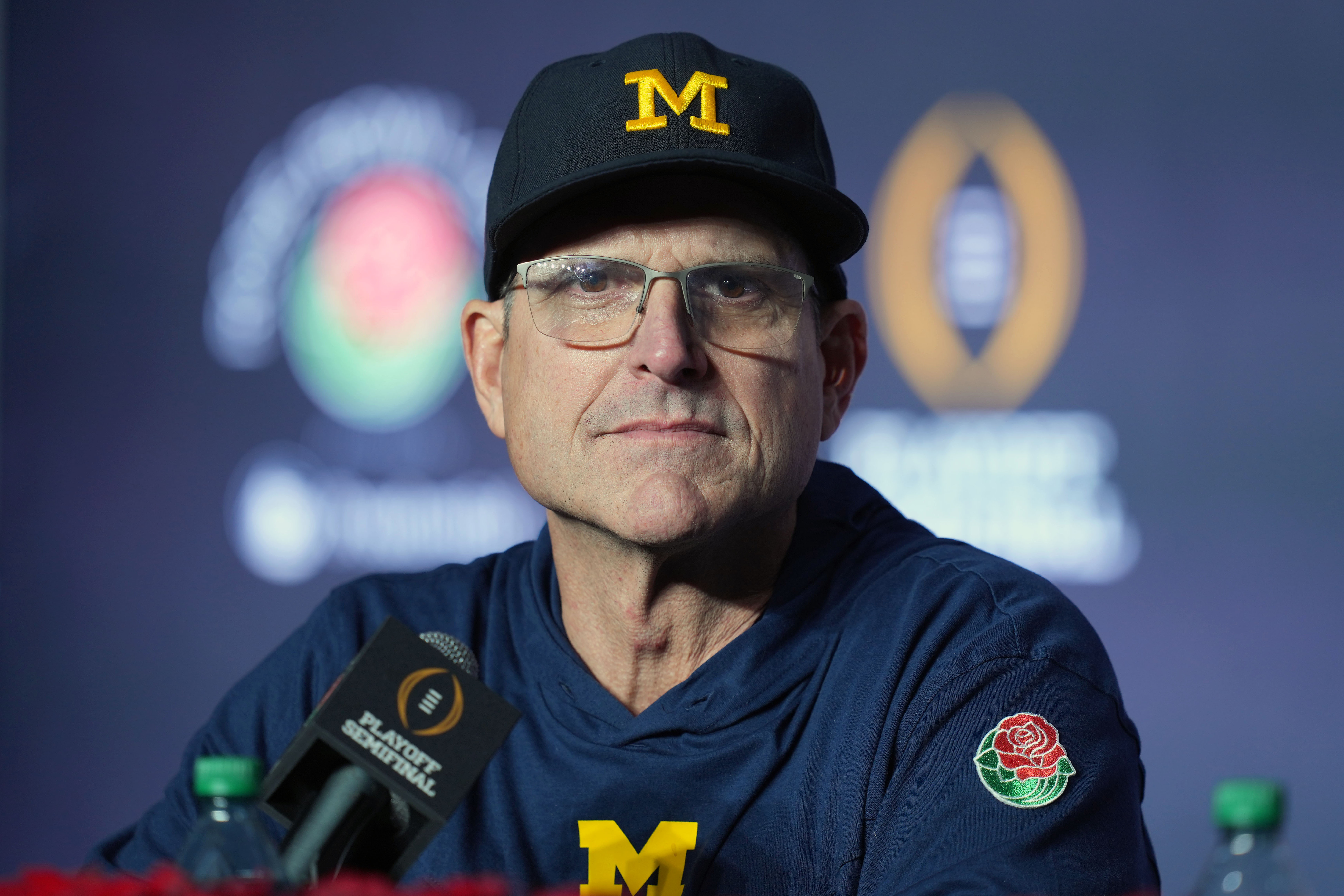
What happened to Jim Harbaugh in early 2024 was the culmination of a “perfect storm” in market demand. Having achieved the ultimate goal at the collegiate level—a National Championship—his brand reached its “Exit Velocity.”
Strategic Timing and Market Scarcity
In brand strategy, timing is everything. Harbaugh chose to move when his value was at an all-time high. By delivering a championship to his alma mater, he fulfilled the primary promise of his brand. If he had stayed and underperformed the following year, his market value would have naturally depreciated. By moving to the Los Angeles Chargers, he transitioned from a saturated market (College Football) to a high-growth, high-stakes market (the NFL), where his specific “turnaround specialist” brand identity was in high demand.
Aligning Personal Brand with Corporate Needs
The Los Angeles Chargers are a corporate entity in need of a cultural overhaul. Despite having a star quarterback in Justin Herbert, the team lacked a cohesive “Winning Identity.” Harbaugh’s brand—defined by toughness, discipline, and immediate improvement—was the perfect “fit” for the Chargers’ corporate needs. This alignment is a classic example of brand synergy: the coach brings the identity, and the franchise provides the platform and the resources.
3. Brand Management Through Crisis and Controversy
Perhaps the most intriguing aspect of Jim Harbaugh’s recent history is how he managed his brand amidst significant controversy, specifically the NCAA investigations regarding sign-stealing and recruiting violations.
Navigating Adversity as a Branding Opportunity
While many brands shrink or apologize profusely when faced with litigation or public scrutiny, the Harbaugh brand took a different approach: “Michigan vs. Everybody.” This defiant stance turned a potential brand liability into a loyalty-building mechanism. By framing the controversy as an outside attack on the community, he strengthened the “Brand Community” (the fans and players), creating a “siege mentality” that fueled their championship run.
The Power of Resilience in Public Perception
In the eyes of the NFL, the controversies did not diminish Harbaugh’s value; if anything, they reinforced his brand as a “winner at all costs.” In high-stakes branding, results often outweigh minor brand friction. Because Harbaugh remained focused on the deliverable (winning games), the “noise” of the investigations became secondary to the “signal” of his success. This teaches us that a strong brand with a proven track record can survive—and even thrive—through turbulence if it remains committed to its core value proposition.
4. The Impact of Personal Brand on Corporate ROI
The transition of Jim Harbaugh to the Los Angeles Chargers isn’t just about football; it’s about Return on Investment (ROI). The “Harbaugh Effect” is a measurable phenomenon where his mere presence increases the value of the surrounding organization.
Attracting Top Talent (The “Harbaugh Magnet”)
A strong brand acts as a talent magnet. Just as top engineers want to work for Elon Musk or Sam Altman, top athletes and assistant coaches want to play and work for Jim Harbaugh. His personal brand provides a “halo effect” for the Chargers, making the franchise a more attractive destination for free agents. This lowers the cost of “customer acquisition” (recruiting) and increases the quality of the “product” on the field.
Media Value and Market Penetration
The Chargers operate in the crowded Los Angeles market, competing for attention with the Rams, Lakers, and Dodgers. Hiring Harbaugh was a massive marketing play. It guaranteed national media coverage, increased ticket sales, and elevated the team’s “Share of Voice” in a competitive landscape. From a branding perspective, the Chargers didn’t just hire a coach; they acquired a massive media asset that ensures they are a focal point of the NFL narrative for years to come.
5. Lessons for Modern Brand Strategy
The story of what happened to Jim Harbaugh serves as a blueprint for professional and personal branding in the 2020s. It highlights the importance of evolution while maintaining a core set of values.
Consistency vs. Evolution
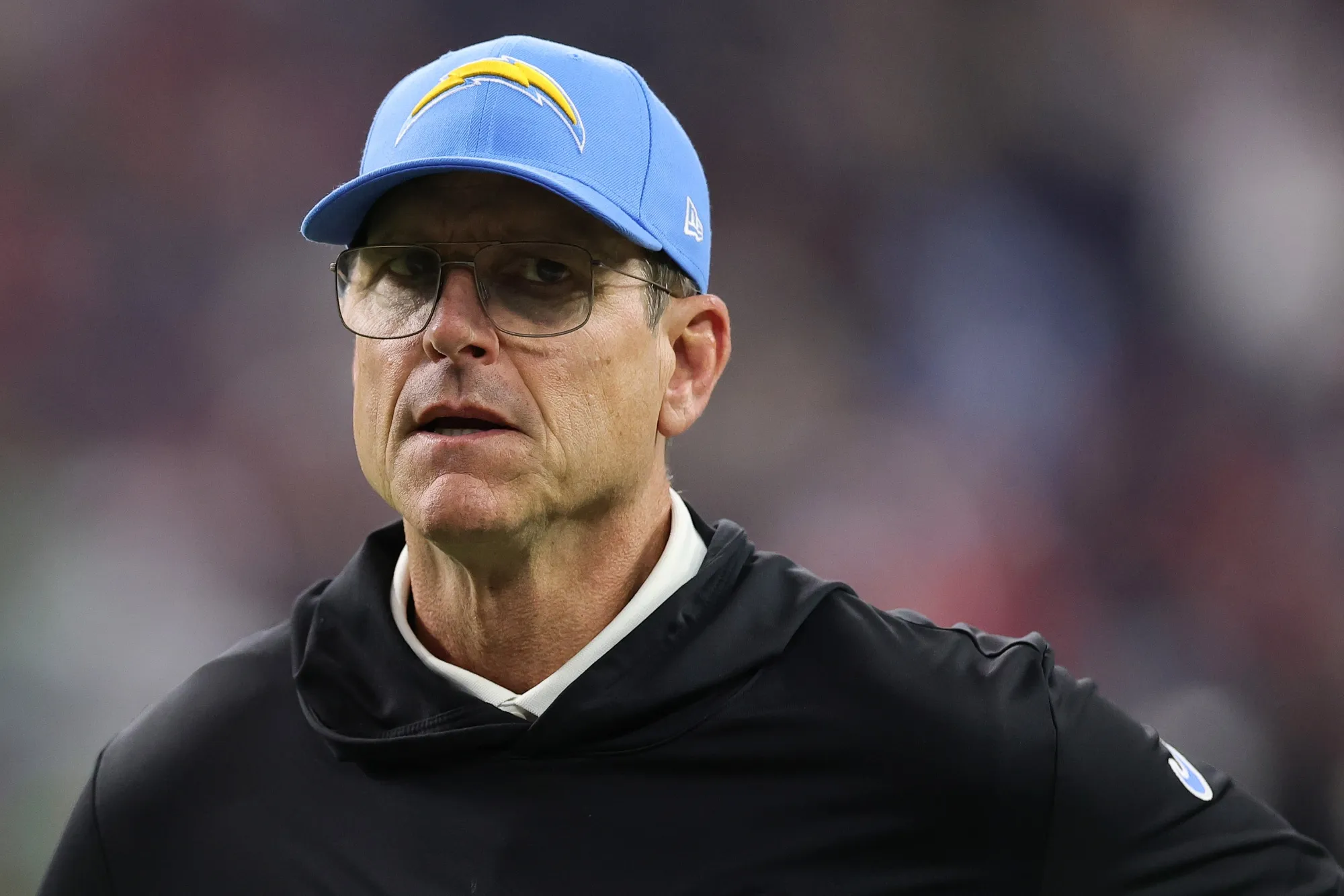
Harbaugh’s brand has remained consistent in its values (competition, toughness, enthusiasm) but has evolved in its application. He moved from being a young “firebrand” at Stanford to a “prodigal son” at Michigan, and now to a “seasoned statesman” in Los Angeles. Successful brands understand that while the core “why” remains the same, the “how” and “where” must adapt to the marketplace.
The “Win-First” Brand Philosophy
Ultimately, the Harbaugh story proves that in any high-level branding exercise, the quality of the product is the ultimate marketing tool. No amount of clever PR or social media strategy could have facilitated Harbaugh’s jump to the NFL if he hadn’t won the National Championship. For brands and professionals alike, the lesson is clear: build a brand that is rooted in excellence and results. When you deliver on your brand promise, you gain the leverage to dictate your terms, enter new markets, and define your own legacy.
In conclusion, Jim Harbaugh’s move to the Los Angeles Chargers is the final chapter in a masterful rebranding effort. He successfully navigated internal pressures, external investigations, and market shifts to emerge as the most sought-after name in his industry. Whether you view him as a hero, a villain, or an enigma, there is no denying that the “Harbaugh Brand” is one of the most powerful and effectively managed identities in the modern era. What happened to Jim Harbaugh was not an accident; it was a calculated, strategic, and highly successful execution of long-term brand management.
aViewFromTheCave is a participant in the Amazon Services LLC Associates Program, an affiliate advertising program designed to provide a means for sites to earn advertising fees by advertising and linking to Amazon.com. Amazon, the Amazon logo, AmazonSupply, and the AmazonSupply logo are trademarks of Amazon.com, Inc. or its affiliates. As an Amazon Associate we earn affiliate commissions from qualifying purchases.