
The landscape of professional sports is no longer defined solely by physical prowess or trophy counts. In the modern era, an athlete’s identity is a complex “Personal Brand”—a narrative constructed through public interactions, social media presence, and, most importantly, the ability to navigate adversity. The story of Grayson Murray, a two-time PGA Tour winner whose life and career were marked by profound struggles and triumphant returns, offers a poignant case study in personal branding. It is a narrative that explores the intersection of professional excellence, radical transparency, and the heavy burden of public identity.

When we ask “what happened to Grayson Murray,” we are not just looking at a timeline of events; we are examining the arc of a brand that moved from controversy to redemption, and ultimately, to a legacy of mental health advocacy.
The Architecture of an Authentic Personal Brand
For decades, the standard for professional athletes—particularly in the tradition-bound world of golf—was one of stoic perfection. Brands were built on “clean” images and corporate-friendly soundbites. Grayson Murray, however, represented a shift toward radical authenticity. His brand was not built on a manufactured image, but on the unfiltered reality of his experiences.
Moving Beyond the “Polished” Athlete Persona
Murray’s early career was defined by high expectations and immediate success, but his personal brand soon became synonymous with volatility. Instead of hiding behind a PR firm, Murray was often vocal about his frustrations with the tour, his peers, and himself. In the world of brand strategy, this is often seen as a liability. However, as the digital landscape evolved to value “realness” over “perfection,” Murray’s refusal to wear a mask began to resonate. He didn’t just play golf; he lived his struggles in the public eye.
Radical Transparency as a Branding Tool
The most significant shift in Murray’s brand identity occurred when he began to openly discuss his battles with alcoholism and mental health issues. By choosing transparency, he transitioned from a “talented but troubled” athlete to a courageous advocate. In branding terms, this is known as “vulnerability marketing,” though in Murray’s case, it was clearly driven by a personal need for honesty rather than a calculated strategy. This transparency allowed fans to connect with him on a human level, transforming his brand from a distant competitor into a relatable figure.
Navigating Reputation Management in the Digital Age
A personal brand is often at the mercy of public perception, and for Murray, the digital age was a double-edged sword. His social media presence was, at times, a source of conflict, but it also became the primary vehicle for his eventual brand rehabilitation.
The Impact of Public Struggle on Marketability
In the corporate world, volatility usually scares off sponsors. For a long period, Murray’s “brand equity” was low because he was perceived as a risk. His public disagreements with other players and his critiques of the PGA Tour created a narrative of a disruptor. From a brand management perspective, this period of his life serves as a lesson in the consequences of unrefined communication. However, it also set the stage for one of the most compelling “redemption arcs” in modern sports history.
Transforming Personal Crisis into a Mission-Driven Identity
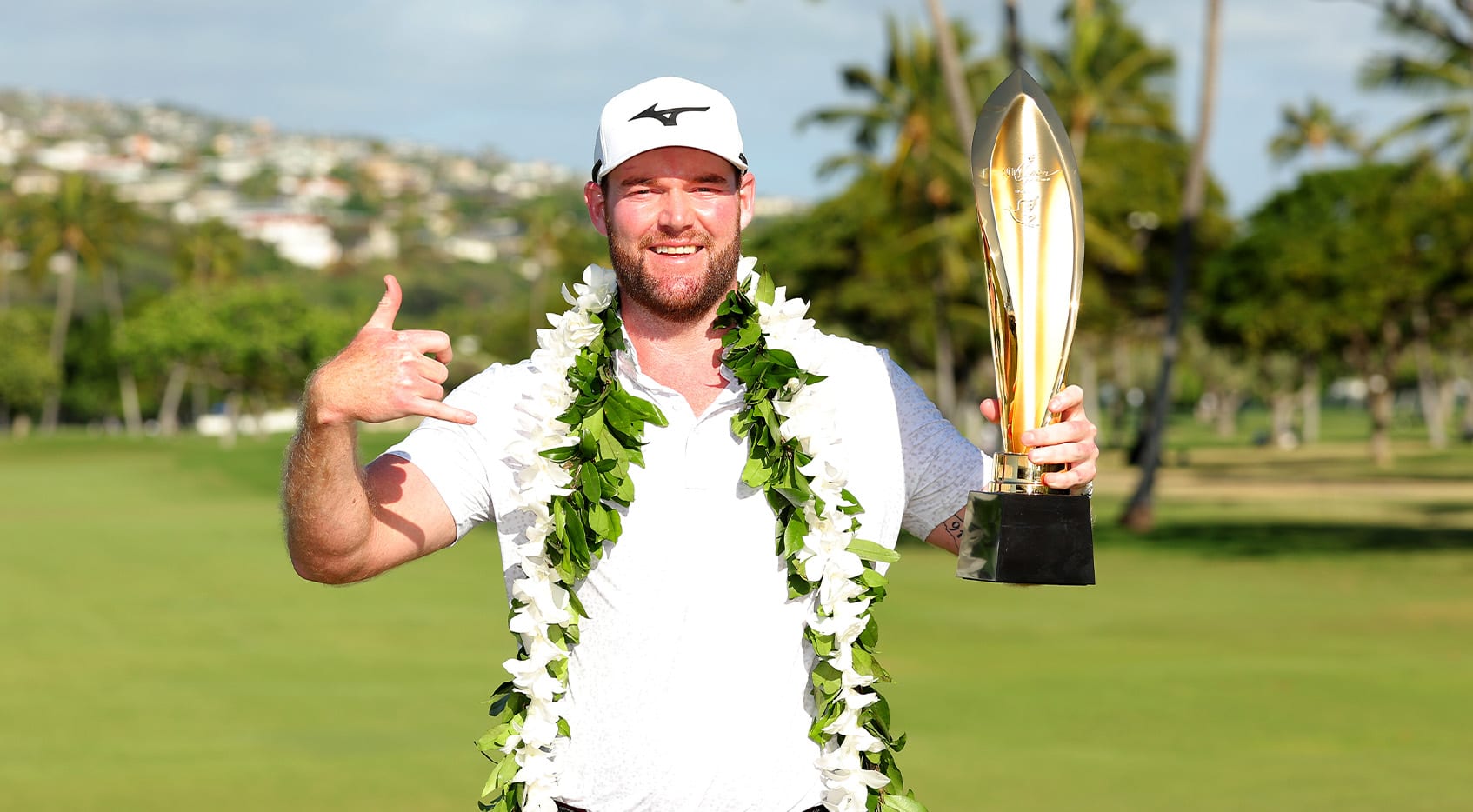
Reputation management is most effective when it is backed by genuine change. When Murray returned to the winner’s circle at the 2024 Sony Open, his post-round interviews were masterclasses in brand repositioning. He didn’t shy away from his past; he embraced it as the foundation of his new identity. He spoke about being sober for eight months and his desire to be a “vessel” for others struggling with similar demons. By aligning his personal brand with a mission—mental health awareness—he gained a level of respect and marketability that went far beyond his ranking on the leaderboard.
The “Comeback” Narrative: Strategy and Substance
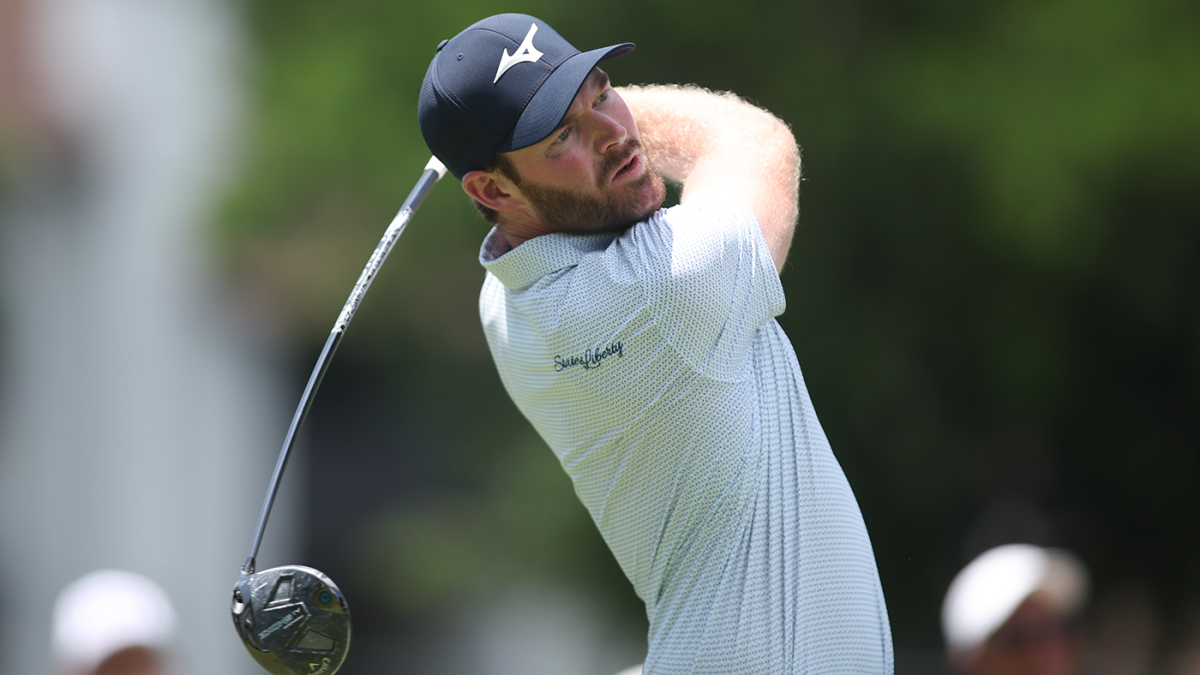
Every great brand needs a “hero’s journey,” and Grayson Murray’s victory in early 2024 provided the ultimate climax to his narrative. This comeback wasn’t just about winning a tournament; it was about the successful execution of a personal and professional turnaround.
The Sony Open Win: Validating the Brand Narrative
Winning is the ultimate “brand validator” in sports. For Murray, the Sony Open victory proved that his new approach—focusing on sobriety and mental clarity—wasn’t just a lifestyle choice, but a competitive advantage. The images of him hoisting the trophy became the visual anchor for his brand’s new chapter. It provided the “proof of concept” that his stakeholders (fans, sponsors, and the Tour) needed to fully buy into his evolution.
Why Resilience Resonates with Global Audiences
Human beings are hardwired to root for the underdog and the comeback kid. Murray’s brand became a symbol of resilience. In an era where burnout and mental health crises are rampant across all industries, his story transcended golf. His “brand” began to occupy a space in the cultural conversation about how we treat individuals who falter but strive to return. This universal appeal is what gives a personal brand longevity and depth.
Institutional Branding: How Organizations Support Individual Identities
No personal brand exists in a vacuum. Grayson Murray’s journey was intrinsically linked to the brand of the PGA Tour itself. The interaction between an individual “sub-brand” and a corporate “parent brand” is a critical aspect of modern sports management.
The PGA Tour’s Role in Personal Brand Stewardship
The PGA Tour faced a unique challenge in managing the narrative surrounding Murray. In the past, organizations might have distanced themselves from a “controversial” figure. However, the Tour’s response to Murray’s struggles—and eventually his tragic passing—showed a shift toward a more empathetic corporate identity. By supporting Murray’s comeback and providing a platform for his message, the Tour strengthened its own brand as an organization that cares for the holistic well-being of its members.
Mental Health Advocacy as a Core Brand Value
The tragedy of Murray’s death in May 2024, just a day after withdrawing from a tournament, forced a global conversation about the pressures of the professional brand. The PGA Tour and its partners had to navigate this crisis with extreme sensitivity. The legacy of Grayson Murray has now become a cornerstone of the Tour’s commitment to mental health. From a branding perspective, this is a transition from a “living brand” to a “legacy brand,” where the focus shifts from performance to the lasting impact of his message.
The Legacy Aspect: Branding Beyond the Career
The final stage of any brand is its legacy—what remains after the active phase of the career is over. While “what happened to Grayson Murray” is a story that ended in tragedy, the brand he built in his final years remains incredibly influential.
Measuring Success Through Impact, Not Just Stats
In traditional branding, success is measured by ROI and market share. In personal branding, particularly in the wake of a tragedy, success is measured by the conversations started and the lives influenced. Murray’s willingness to be the “face” of struggle in a high-pressure environment has paved the way for other athletes to speak their truth. This impact is his enduring brand equity. He proved that even a brand that has suffered significant damage can be rebuilt into something meaningful and helpful to others.
Lessons for Future Personal Brand Strategy
The story of Grayson Murray offers three vital lessons for anyone building a personal brand:
- Authenticity is Non-Negotiable: In a world of AI-generated content and PR-scrubbed personas, raw honesty is the most valuable currency.
- Crisis is an Opportunity for Re-Branding: A mistake or a personal struggle does not have to be the end of a brand; it can be the starting point of a more profound, mission-driven identity.
- The Human Element Trumps the Professional Image: At the end of the day, people connect with people, not logos or stats. Murray’s brand was powerful because it was human.
Grayson Murray’s life was a testament to the complexities of the human condition. In the world of branding and strategy, he remains a singular figure who showed that the most powerful brand story is one that isn’t afraid to admit when it’s broken—and isn’t afraid to try and fix it in front of the whole world. His legacy is not defined by “what happened” in the final moments, but by the courage it took to build a brand of honesty in an industry that often demands silence.
aViewFromTheCave is a participant in the Amazon Services LLC Associates Program, an affiliate advertising program designed to provide a means for sites to earn advertising fees by advertising and linking to Amazon.com. Amazon, the Amazon logo, AmazonSupply, and the AmazonSupply logo are trademarks of Amazon.com, Inc. or its affiliates. As an Amazon Associate we earn affiliate commissions from qualifying purchases.