
In the history of modern entertainment, few names carry the weight and strategic complexity of Garth Brooks. To the casual observer asking “what happened to Garth Brooks,” the answer might seem like a simple story of retirement and return. However, from a brand strategy perspective, the trajectory of Garth Brooks is a sophisticated case study in lifecycle management, brand equity protection, and the power of controlled scarcity.
Brooks did not simply “go away”; he executed one of the most daring brand pivots in music history, transitioning from an active market leader to a “legacy” icon while maintaining absolute control over his intellectual property and public narrative. By analyzing his journey through the lens of brand strategy, we can uncover the mechanisms that allowed him to remain the best-selling solo artist in U.S. history, even during periods of self-imposed exile.

Building the Icon: The Core Brand Values of the 1990s
The Garth Brooks brand was built on a foundation of “stadium-sized relatability.” In the early 1990s, country music was largely traditional, often viewed as niche or regional. Brooks fundamentally disrupted this market by merging the storytelling of country with the high-octane production values of 1970s arena rock.
Relatability and the “Everyman” Persona
The core of the Brooks brand was accessibility. While his contemporaries focused on the “lonely cowboy” or “outlaw” archetypes, Brooks positioned himself as the relatable suburbanite who happened to have a world-class voice. His brand identity was defined by the Stetson hat, the Wranglers, and a high-energy stage presence that prioritized fan connection over artistic aloofness. This “Everyman” positioning created a fierce brand loyalty that transcended musical genres.
Strategic Pricing and Value Proposition
One of Brooks’ most effective brand moves was his insistence on low ticket prices. By capping costs and adding multiple shows in the same city to meet demand, he established a brand promise of “value for the fan.” This was not just altruism; it was a masterful customer acquisition strategy. By making his live experience accessible to everyone, he built a massive, multi-generational database of loyalists who felt the brand cared about their financial well-being.
The Identity Crisis: The Chris Gaines Experiment and Brand Dilution
In 1999, the Brooks brand faced its greatest challenge: the “Chris Gaines” project. Ostensibly a character for a film that never materialized, Chris Gaines was an alternative rock persona that Brooks adopted, complete with a prosthetic soul patch and a different musical style. For brand strategists, this remains a cautionary tale of brand dilution.
The Risks of Narrative Deviation
The Chris Gaines experiment broke the “brand promise” of Garth Brooks. Fans who had invested in the “Everyman” country singer felt alienated by the sudden shift into an avant-garde, moody rock star persona. In branding, consistency is the bedrock of trust. By deviating so sharply from his established narrative, Brooks risked losing the authenticity that was his primary competitive advantage.
Lessons in Brand Consistency and Recovery
The failure of the Gaines project forced a strategic retreat. It highlighted that even the most powerful brands have boundaries. Brooks quickly realized that his audience didn’t want him to be “versatile” in that specific way; they wanted the “authentic Garth.” The speed with which he pivoted back to his core country roots showed an astute understanding of brand damage control, setting the stage for his subsequent moves.
The Strategic Sabbatical: Protecting Brand Equity through Scarcity
In 2000, at the height of his commercial power, Brooks announced his retirement to focus on his family. From a business standpoint, this was a move to protect brand equity from overexposure and the declining returns of the traditional music industry.
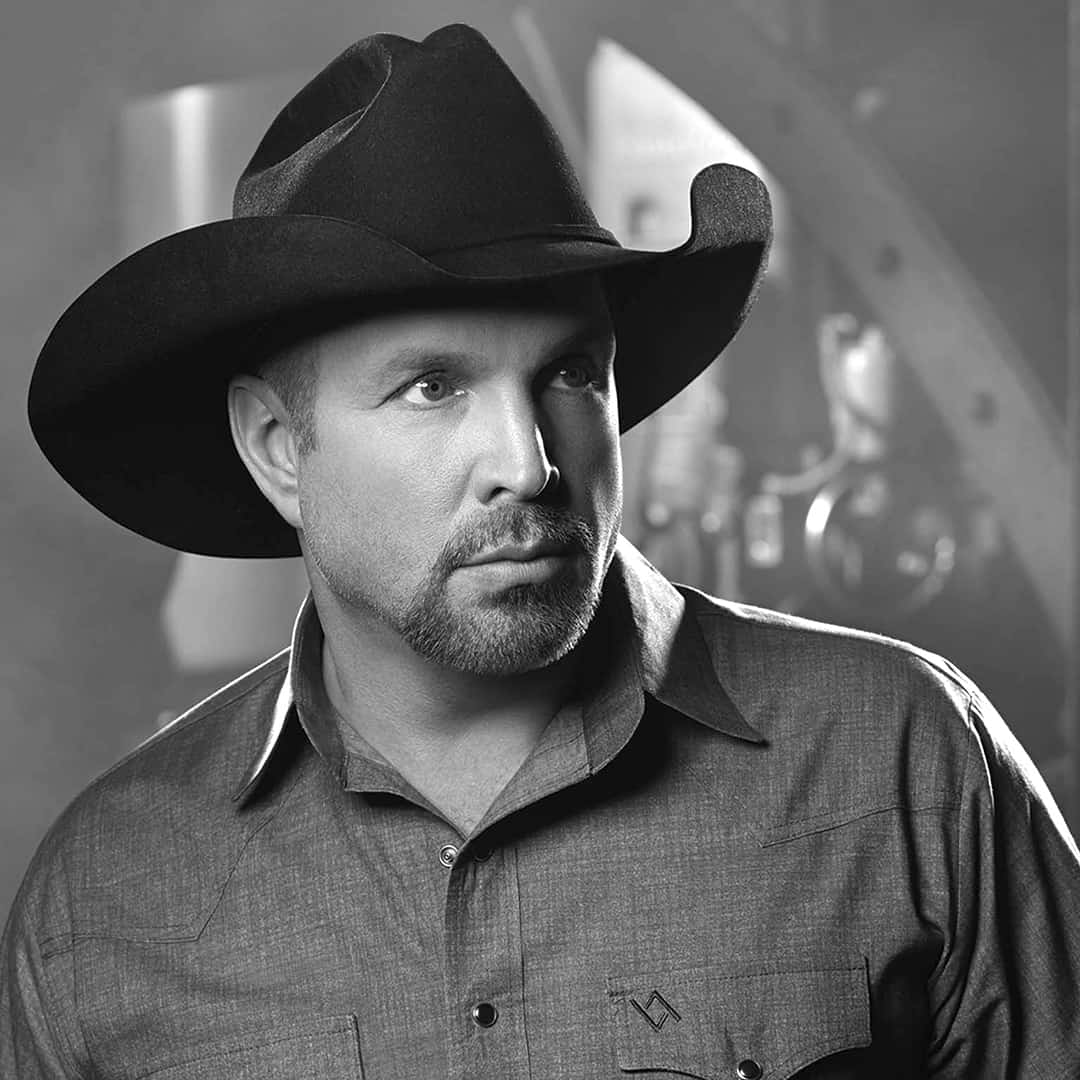
The Power of Intentional Scarcity
By removing himself from the active market, Brooks transformed himself from a “product” into a “legend.” In economics, scarcity increases value. During his fourteen-year hiatus (save for a few residencies), the demand for Garth Brooks grew exponentially. This was a “dark period” in terms of visibility, but a “growth period” in terms of brand mythology. When he eventually returned, he wasn’t just a singer with a new album; he was a cultural event.
Maintaining Relevance Without New Output
During his retirement, Brooks did not let the brand go completely dormant. He curated his legacy through box sets and limited-edition releases, often sold exclusively through retailers like Walmart. This kept his catalog alive in the minds of consumers while ensuring that any “new” appearance remained a high-value commodity. He maintained his brand presence by being absent, a paradox that only the strongest brands can successfully navigate.
The Digital Defiance: Controlling Intellectual Property
Perhaps the most fascinating aspect of “what happened” to Garth Brooks involves his relationship with technology and digital distribution. Unlike almost every other major artist, Brooks famously refused to put his music on iTunes or Spotify for years.
The GhostTunes Venture and Brand Autonomy
Brooks’ resistance to streaming was rooted in a brand philosophy of “album integrity.” He believed that songs should be sold as a cohesive unit, not cherry-picked for 99 cents. When the industry moved toward digital singles, Brooks attempted to launch his own platform, GhostTunes. While the platform eventually folded, the move signaled to the industry that the Garth Brooks brand was autonomous—it would not be dictated to by tech giants.
Strategic Partnerships vs. Mass Availability
Eventually, Brooks struck an exclusive deal with Amazon Music. This was a calculated brand move. By choosing a single partner rather than being ubiquitous across all streaming services, he maintained a “premium” feel. It allowed him to negotiate terms that protected his royalties and his album-centric format. For Brooks, the brand was more important than the convenience of the digital consumer, a gamble that reinforced his image as a defender of artist rights.
The Comeback Strategy: Leveraging Nostalgia and Community
When Brooks officially returned to touring in 2014, the strategy was clear: leverage nostalgia while modernizing the “spectacle” of the brand. The “what happened” question was answered with a record-breaking multi-year world tour.
The Stadium Tour as Brand Resurrection
The return was not about small venues or intimate “unplugged” sessions. It was about reclaiming the “Stadium King” title. By playing massive venues and selling them out multiple times over, Brooks proved that his brand had survived the digital revolution and a decade of absence. The tour served as a physical manifestation of his brand’s enduring strength, reminding the market that he still commanded the largest audience in country music.
Adapting to a Modern Media Landscape
In recent years, the Garth Brooks brand has leaned into community-building through social media “Studio G” sessions and his own radio station on SiriusXM (The Garth Channel). These tools allow him to bypass traditional media gatekeepers and speak directly to his “nation” of fans. By owning the channel of communication, he ensures that the brand narrative remains focused on his core values: family, fan appreciation, and the power of live music.

Conclusion: The Endurance of a Masterfully Managed Brand
So, what happened to Garth Brooks? He successfully transitioned from a 90s pop-culture phenomenon to a permanent fixture of the American musical landscape. He did this by understanding that a brand is not just a series of products, but a relationship with an audience.
By prioritizing brand integrity over short-term digital gains, by taking a strategic sabbatical to build scarcity, and by maintaining a consistent “Everyman” persona despite his billionaire-adjacent success, Brooks has provided a masterclass in long-term brand management. He proved that even in an era of rapid digital disruption, a well-defined personal brand with a loyal community can dictate its own terms to the market. Garth Brooks didn’t disappear; he simply mastered the art of the brand lifecycle.
aViewFromTheCave is a participant in the Amazon Services LLC Associates Program, an affiliate advertising program designed to provide a means for sites to earn advertising fees by advertising and linking to Amazon.com. Amazon, the Amazon logo, AmazonSupply, and the AmazonSupply logo are trademarks of Amazon.com, Inc. or its affiliates. As an Amazon Associate we earn affiliate commissions from qualifying purchases.