
For nearly three decades, the word “Funimation” was synonymous with the explosion of Japanese animation in the Western world. From the iconic “Circle F” logo to the legendary English dubs of Dragon Ball Z, the brand was a cornerstone of the North American anime community. However, in April 2024, the Funimation app and website officially ceased operations, marking the end of an era. While the move was framed as a “merger” with Crunchyroll, the reality was a deliberate, strategic sunsetting of a massive corporate identity.
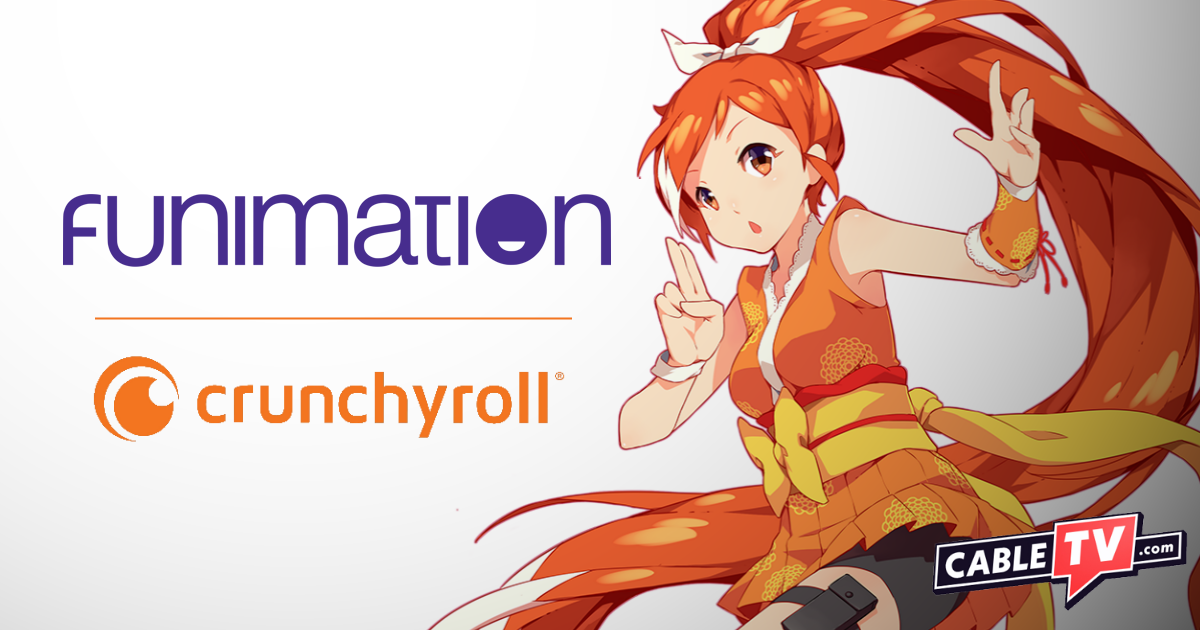
To understand what happened to Funimation, one must look past the technicalities of streaming and examine the complex machinery of brand strategy, corporate identity, and market positioning. This was not the failure of a brand, but rather a calculated sacrifice in the pursuit of a singular, global powerhouse identity under the Sony umbrella.
The Legacy of the Funimation Identity
The story of Funimation is a masterclass in building brand equity from the ground up. Founded in 1994 by Gen Fukunaga, the company began as a small distribution outfit with a singular goal: bringing Japanese content to a domestic audience. Over the years, the Funimation brand came to represent a very specific promise to its consumers: accessibility, high-quality localization, and a bridge between Eastern art and Western pop culture.
A Pioneer in Western Anime Brand Equity
In its early years, Funimation’s brand strategy was built on “The Big Three” approach—focusing on heavy-hitting titles that could cross over into mainstream television. By securing the rights to Dragon Ball Z, Funimation didn’t just sell a show; they established a brand identity associated with the “golden age” of Saturday morning cartoons. For many fans, the Funimation brand was their first introduction to the medium. This “first-mover advantage” created a deep emotional resonance that lasted for decades. The brand was viewed as the “home” of the community, fostering a sense of loyalty that few entertainment companies ever achieve.
The “Purple Brand” and Localized Authority
As the digital age took hold, Funimation transitioned from a physical media distributor to a streaming service. Its branding became sleeker, adopting the signature purple aesthetic that fans came to recognize instantly. In the world of marketing, color psychology plays a massive role; purple is often associated with creativity, wisdom, and mystery. Funimation used this to distinguish itself from the “Orange” of Crunchyroll. For years, the market was split: Funimation was the brand for “Dubs” (English voiceovers) and polished corporate distribution, while Crunchyroll was the brand for “Subs” (subtitled content) and community-driven, niche enthusiasm.
The Strategic Pivot: Why Sony Chose Crunchyroll Over Funimation
When Sony’s Funimation Global Group acquired Crunchyroll from AT&T for $1.175 billion in 2021, a brand conflict was inevitable. Sony found itself in possession of two of the most powerful names in the industry. For a short time, they co-existed, but from a brand management perspective, maintaining two separate streaming infrastructures, two marketing teams, and two distinct social media voices was inefficient. The decision had to be made: which brand survives?
Global Brand Equity and Scalability
The decision to sunset Funimation in favor of Crunchyroll was a cold, calculated move based on global scalability. While Funimation had immense brand power in North America, Crunchyroll was a global behemoth. Crunchyroll had spent years cultivating an international presence, with a presence in over 200 countries and territories. In the world of corporate identity, it is significantly easier to migrate a domestic audience to a global platform than it is to expand a domestic-centric brand to the rest of the world. Crunchyroll’s brand was already a lifestyle—complete with conventions, clothing lines, and a massive social media footprint that transcended language barriers.
The Lifestyle Brand vs. The Service Brand
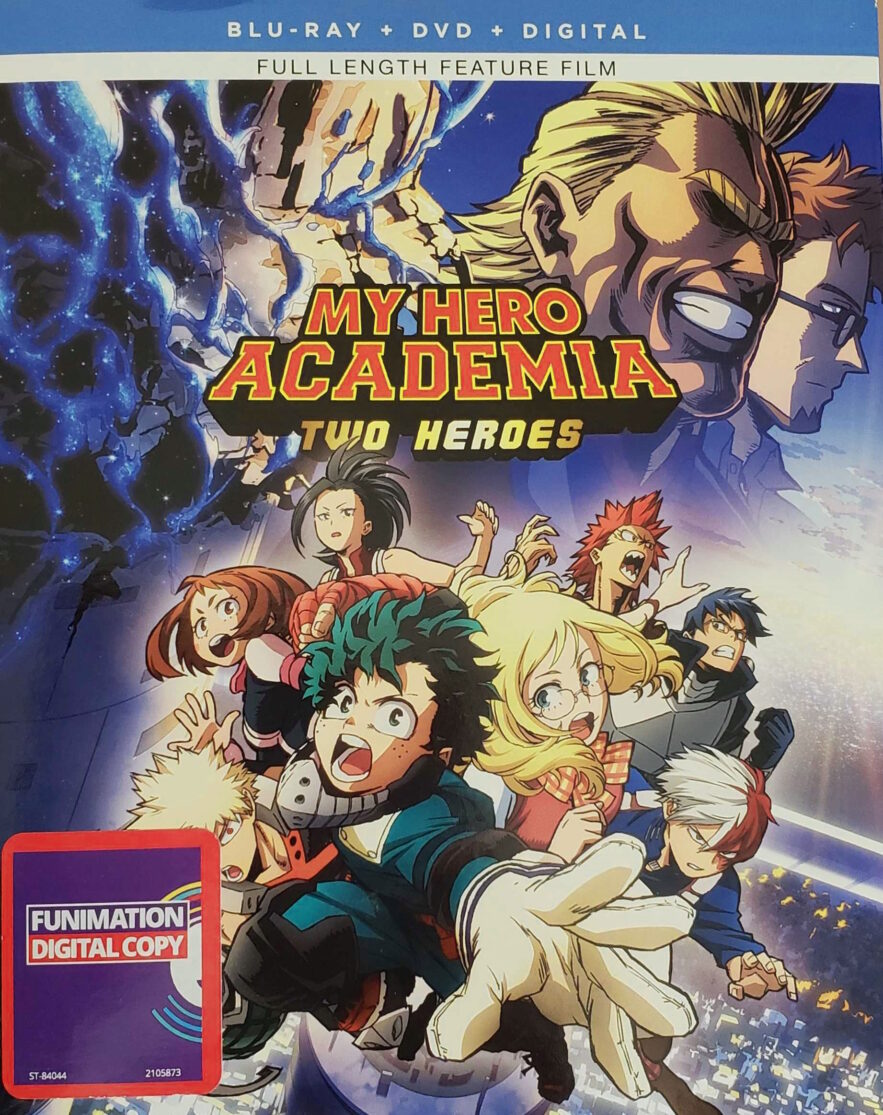
Funimation was largely perceived as a service—a place to watch shows. Crunchyroll, conversely, had successfully positioned itself as a lifestyle brand. Through its “Crunchyroll Expo” and the “Anime Awards,” the brand became an arbiter of culture. In modern brand strategy, a “lifestyle brand” is far more valuable than a “utility brand.” Sony recognized that by folding Funimation into Crunchyroll, they weren’t just moving files from one server to another; they were consolidating the “Official Home of Anime” under a name that sounded younger, more vibrant, and more community-oriented.
Navigating the Brand Consolidation Process
Sunsetting a brand as beloved as Funimation is a PR minefield. If handled poorly, it can alienate decades-long customers and lead to a “brand exodus.” Sony’s strategy for the transition was one of slow integration rather than an overnight shutdown, though the final stages were met with significant friction.
Managing User Migration and Emotional Friction
The consolidation process, which began in 2022, involved moving thousands of hours of content from the Funimation library to Crunchyroll. From a branding perspective, the messaging had to be delicate. Sony didn’t frame it as “Funimation is dying,” but rather as “The best of Funimation is coming to Crunchyroll.” This “Migration Strategy” aimed to transfer the trust fans had in Funimation over to the new unified platform. However, the process was not without its hurdles. Long-time users had built digital libraries on Funimation, and the realization that certain digital “purchases” might not transfer perfectly caused a ripple of brand distrust. This highlights the risk of “Identity Erasure” in corporate mergers.
Streamlining the Corporate Portfolio
Beyond the consumer-facing app, the sunsetting of Funimation allowed Sony to streamline its corporate identity. By operating under the name “Crunchyroll, LLC,” the company eliminated internal competition and confusion. This is a classic example of “Brand Architecture” simplification. In a “House of Brands” model, a company keeps various brands separate (like Procter & Gamble). In a “Branded House” model, everything is unified. Sony moved toward a Branded House for its anime division, ensuring that every dollar spent on marketing now fed into a single, unified funnel. This efficiency is highly attractive to stakeholders and simplifies the “path to purchase” for new subscribers.
Lessons in Brand Longevity and Sunset Strategies
What happened to Funimation serves as a significant case study for future brand managers and corporate strategists. It raises the question: When is a brand too old to survive?
When to Retire a Powerhouse Name
The retirement of Funimation proves that no amount of legacy can protect a brand if its market position becomes redundant. If a brand’s growth has plateaued and a secondary brand in the portfolio shows higher viral potential and international reach, the sunsetting of the legacy name is often the only logical path. Funimation’s “prestige” was tied to the 90s and 2000s; Crunchyroll’s “hype” was tied to the current social media and streaming era. Sony prioritized the future over the past.
Future-Proofing the Unified Crunchyroll Identity
The final death of the Funimation brand in April 2024 has allowed the “new” Crunchyroll to become an unchallenged monopoly in the dedicated anime streaming space. However, the challenge for the Crunchyroll brand now is to absorb the “DNA” of Funimation—its dedication to localization and professional production—without losing its own “scrappy, fan-first” identity. The success of this brand strategy will be measured by whether the fans who once bled “Funimation Purple” can eventually feel at home in “Crunchyroll Orange.”
The End of the Purple Era
The disappearance of Funimation is a poignant reminder of the fluidity of corporate identity. A brand is not a permanent monument; it is a tool used to capture market share, build trust, and deliver value. When that tool is no longer the most efficient one in the shed, it is replaced.
Funimation didn’t “fail” in the traditional sense. It was so successful that it attracted the kind of acquisition that eventually led to its own dissolution. It served its purpose by building the infrastructure of the Western anime industry, and then it stepped aside to allow a unified, global brand to take the lead. For the fans, “What happened to Funimation” is a story of loss; for the industry, it is a story of evolution and the ruthless efficiency of modern brand strategy. The purple logo may be gone, but the content it championed, the voices it popularized, and the market it created now form the bedrock of the most powerful anime brand in history.
aViewFromTheCave is a participant in the Amazon Services LLC Associates Program, an affiliate advertising program designed to provide a means for sites to earn advertising fees by advertising and linking to Amazon.com. Amazon, the Amazon logo, AmazonSupply, and the AmazonSupply logo are trademarks of Amazon.com, Inc. or its affiliates. As an Amazon Associate we earn affiliate commissions from qualifying purchases.