
In the modern intersection of sports and commerce, few narratives are as compelling or as scrutinized as that of LeBron “Bronny” James Jr. While the public often views his journey through the lens of box scores and highlight reels, a deeper analysis reveals a sophisticated exercise in personal branding, crisis management, and legacy building. To understand “what happened” to Bronny James is to study the evolution of an individual who transitioned from being the son of a global icon to becoming a high-equity brand in his own right.

The story of Bronny James is not merely one of basketball progression; it is a blueprint for how a legacy brand navigates the pressures of the digital age, manages a life-threatening medical crisis, and leverages the new economy of Name, Image, and Likeness (NIL) to redefine the path to the professional ranks.
Navigating the “Junior” Identity: Building a Personal Brand in a Legend’s Shadow
From the moment he was born, Bronny James was more than a child; he was an extension of the “LeBron James” corporate identity. However, the strategy employed by his camp has been one of careful differentiation. Building a brand in the shadow of a “G.O.A.T.” (Greatest of All Time) contender requires a delicate balance of leveraging existing equity while establishing an independent voice.
The Weight of the Name: Leveraging the LeBron James Association
The “LeBron James Jr.” moniker carries immense market value, but it also carries the burden of impossible expectations. Early in his development, the decision was made to lean into “Bronny”—a move that served as a pivot from a formal “Junior” status to a relatable, modern persona. By using a distinct nickname, the brand strategists allowed him to inherit the prestige of the James family while creating a separate mental “file” in the minds of fans and consumers. This association provided him with immediate access to elite training, media visibility, and a global platform that most teenage athletes spend a lifetime trying to build.
Strategic Differentiation: Defining Bronny as an Individual Athlete
Unlike his father, who entered the league as a 6’9″ physical marvel with the weight of a franchise on his shoulders, Bronny’s brand was built around the “high-IQ role player” and “3-and-D” specialist narrative. From a brand perspective, this was a brilliant move. By not attempting to replicate LeBron’s playstyle, the Bronny brand avoided direct, unfavorable comparisons. Instead, he was marketed as a hard-working, team-first player—an identity that resonates with coaches and corporate sponsors who value stability and reliability over raw, unbridled stardom.
Crisis Management and Brand Resilience: The Medical Incident and the Path Back
The most significant inflection point in the Bronny James narrative occurred in July 2023, when he suffered a sudden cardiac arrest during a practice session at the University of Southern California (USC). In the world of brand management, a health crisis of this magnitude is a high-stakes moment that can either dismantle a career or solidify a narrative of resilience.
Transparency vs. Privacy: Handling the Cardiac Arrest Narrative
The James family, led by the strategic machinery of Klutch Sports Group, handled the medical incident with a blend of selective transparency and controlled privacy. By releasing timely updates that focused on his recovery and the “congenital heart defect” diagnosis, they managed to quell speculation and fear. This approach protected Bronny’s long-term marketability by framing the incident as a manageable hurdle rather than a career-ending vulnerability. From a branding standpoint, the silence during the initial recovery period built a sense of anticipation and empathy, pivoting the public discourse from “is he good enough?” to “will he be okay?”

The Comeback Story: Turning Adversity into a Narrative of Strength
In marketing, the “Hero’s Journey” is a classic archetype. Bronny’s return to the court just months after a life-threatening event transformed his brand from “famous son” to “resilient survivor.” This transition added layers of depth to his public persona, making him more relatable to a wider audience. His first game back at USC was not just a sports event; it was a brand activation that signaled his readiness for the next level. The imagery of him stepping back onto the court served as a powerful visual testament to the strength of the James brand ecosystem, proving that their infrastructure could support an athlete through the most harrowing of circumstances.
The NIL Powerhouse: A New Blueprint for Amateur Brand Monetization
Long before he was drafted into the NBA, Bronny James was already operating as a professional-grade business entity. He became the poster child for the NIL (Name, Image, and Likeness) era, demonstrating how amateur athletes can generate significant revenue streams before signing a professional contract.
High-Value Partnerships: The Nike and Beats by Dre Strategy
Bronny’s endorsement portfolio was curated with surgical precision. Rather than signing dozens of smaller deals, his team focused on “blue-chip” partnerships that mirrored his father’s legacy. His deal with Nike—a company that signed LeBron to a lifetime contract—was a symbolic passing of the torch. Similarly, his partnership with Beats by Dre highlighted his connection to music and lifestyle culture. These deals were not just about immediate cash flow; they were about positioning Bronny as a luxury brand in the athletic space. By aligning with market leaders, he signaled to the industry that he was a premium asset, regardless of his collegiate statistics.
Digital Presence and Audience Engagement: Cultivating a Gen Z Following
A brand is only as strong as its reach, and Bronny James mastered the art of digital engagement. With millions of followers across Instagram and TikTok, he built a direct-to-consumer pipeline that bypassed traditional media. His brand voice is notably different from his father’s; it is more understated, utilizing the “quiet luxury” aesthetic of modern Gen Z influencers. This digital footprint allowed him to maintain a high valuation (estimated at over $5 million in NIL value) even while sidelined by medical issues, demonstrating that in the modern economy, attention is a currency as valuable as points on a scoreboard.
Transitioning to the Professional Stage: Marketability in the NBA
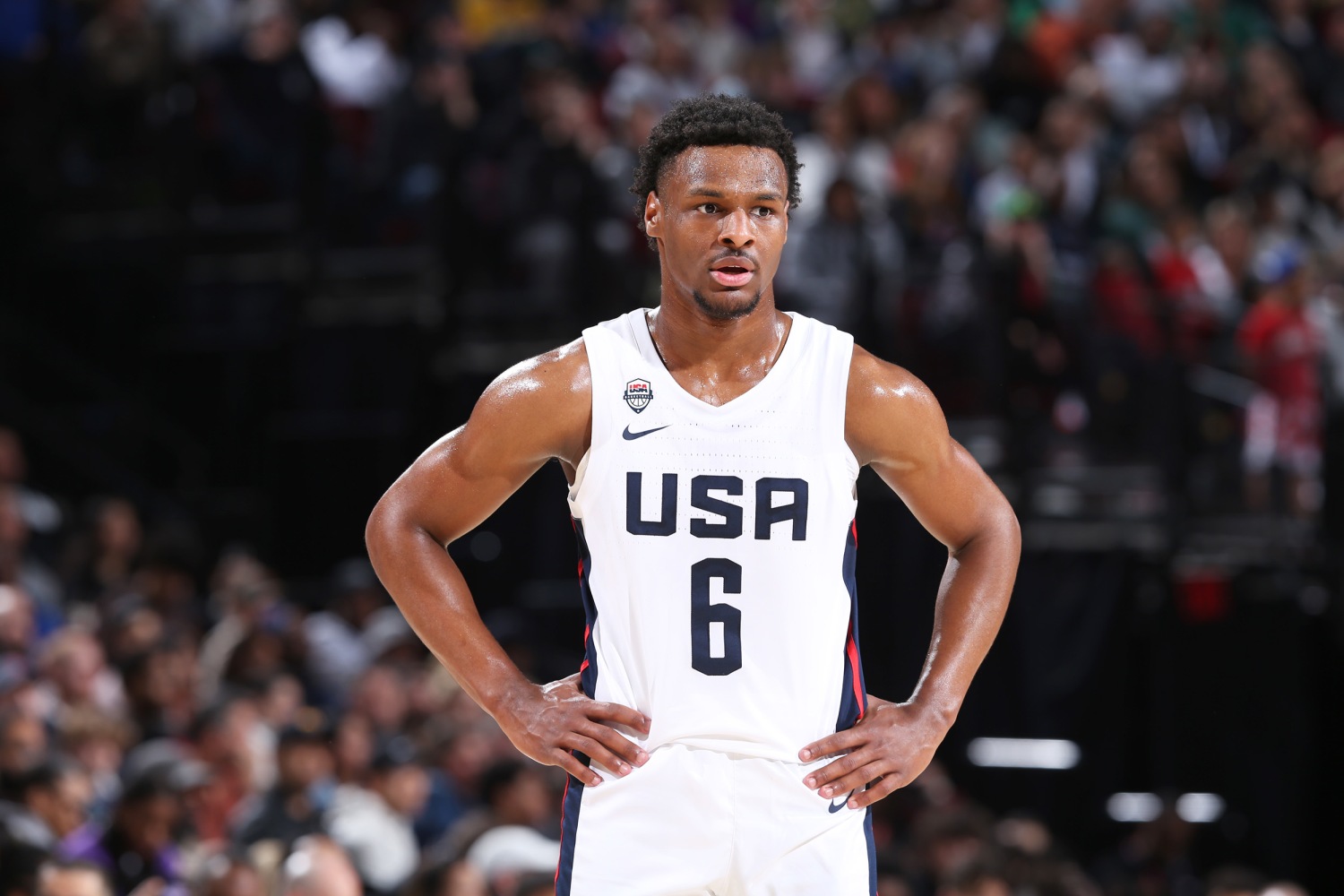
The culmination of “what happened” to Bronny James was his entry into the 2024 NBA Draft and his subsequent selection by the Los Angeles Lakers. This move was the ultimate realization of a long-term brand strategy: the creation of the first father-son duo in NBA history.
The Lakers Draft: Synergistic Branding and Family Dynamics
While critics pointed to his modest collegiate stats and labeled his selection as “nepotism,” from a brand strategy perspective, it was an unparalleled success. The synergy of having Bronny and LeBron on the same roster created a marketing juggernaut for the Lakers and the NBA at large. The “Legacy” narrative reached its peak, generating unprecedented interest in Summer League games and preseason match-ups. The James family effectively used the draft process to ensure Bronny was placed in an environment where his brand could be protected and nurtured by the same organization that houses his father.
Long-term Brand Equity: Predicting the Post-LeBron Era
The true test of the Bronny James brand will come when LeBron eventually retires. Currently, Bronny’s market value is tethered to his father’s presence, but the groundwork has been laid for a sustainable independent future. As he develops his professional game, his brand will likely pivot toward “longevity and legacy management.” Whether he becomes an All-Star or a reliable rotation player, his brand equity is secured by his story—one of immense pressure, a terrifying health scare, and a historic ascent to the pros.
In conclusion, “what happened” to Bronny James is a masterclass in the evolution of a modern public figure. It is a story of how a young man, born into a world of hyper-visibility, navigated the complexities of identity and health to emerge as a cornerstone of a multi-generational sports empire. By focusing on resilience, strategic partnerships, and careful narrative control, Bronny James has transitioned from a “famous junior” to a formidable brand that stands as a testament to the power of calculated legacy building in the 21st century.
aViewFromTheCave is a participant in the Amazon Services LLC Associates Program, an affiliate advertising program designed to provide a means for sites to earn advertising fees by advertising and linking to Amazon.com. Amazon, the Amazon logo, AmazonSupply, and the AmazonSupply logo are trademarks of Amazon.com, Inc. or its affiliates. As an Amazon Associate we earn affiliate commissions from qualifying purchases.