
In the landscape of modern media and corporate iconography, few characters embody the tension between individual identity and corporate property as starkly as Black Noir. Originally a key figure in the Vought International lineup within the universe of The Boys, Black Noir serves as a fascinating case study in brand strategy, mascot management, and the ruthless efficiency of corporate identity preservation. When audiences ask “what happened to Black Noir,” they are not merely asking about a character’s narrative fate; they are inadvertently poking at the mechanics of how a brand survives the death of its original vessel.
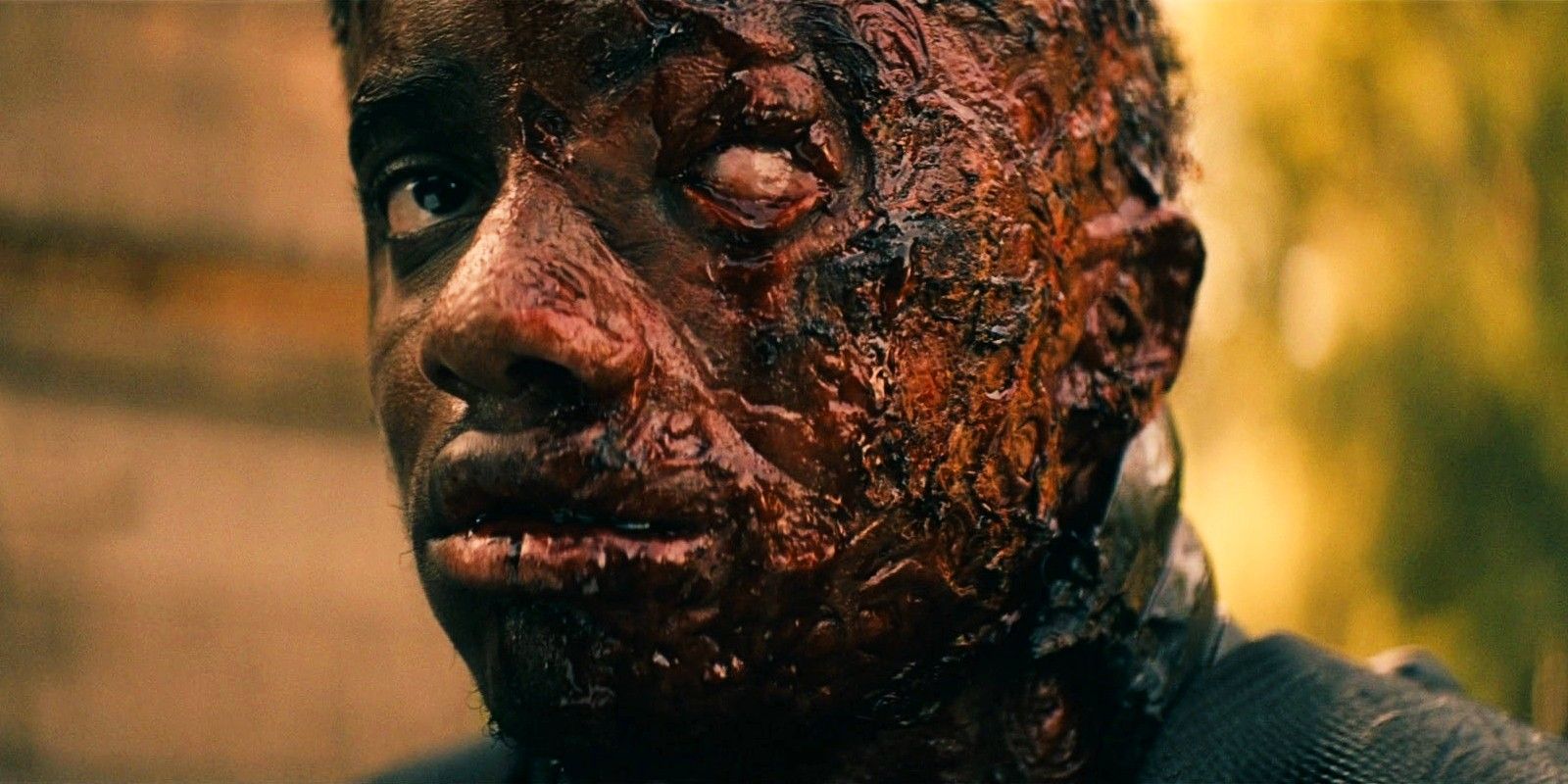
From a brand strategy perspective, Black Noir represents the ultimate “corporate asset”—a silent, masked, and highly efficient entity that can be molded, marketed, and, eventually, replaced without the public ever being the wiser. This article explores the evolution of the Black Noir brand, the strategic implications of his “reboot,” and the lessons modern marketing can learn from Vought’s management of their most enigmatic IP.
The Corporate Archetype: Black Noir as the Ultimate Brand Asset
The initial success of Black Noir within the Vought universe was not an accident of nature; it was a masterpiece of brand positioning. Unlike the volatile Homelander or the overly commercialized A-Train, Black Noir was designed to be the “Silent Sentinel.” In the world of branding, silence is often more powerful than a slogan. It allows the consumer to project their own values, fears, and aspirations onto the brand.
The Power of the “Enigma” Aesthetic
In branding, the “Mystery Box” strategy is used to cultivate long-term engagement. By keeping Black Noir completely masked and mute, Vought created a brand that was immune to the usual PR scandals that plague vocal celebrities. There were no controversial tweets, no leaked audio recordings, and no public meltdowns. For a corporate entity like Vought, Noir represented the “Zero-Risk Asset.” This illustrates a vital branding lesson: when a brand is built on an archetype (the silent warrior) rather than a personality, it gains a level of stability that human-centric brands lack.
Reliability and Compliance as Brand Pillars
Black Noir’s brand was synonymous with “lethal efficiency.” Within the Seven, he was the only member whose brand didn’t rely on public adoration or charismatic leadership. Instead, he represented the foundational stability of the Vought corporation. In branding terms, he was the “Infrastructure” of the Seven—the reliable service that works in the background without needing a spotlight. This positioning made him indispensable to the corporate hierarchy, serving as the “fixer” who protected the parent company’s bottom line.
Brand Crisis Management: Navigating the Death and Replacement of a Corporate Icon
What happens to a brand when the person behind the mask is no longer viable? In the narrative of The Boys, the original Black Noir (Earving) met a violent end at the hands of Homelander. For most brands, the death of a mascot or a central figurehead leads to a period of mourning or a total rebranding. However, Vought International chose a different path: the “Silent Pivot.”
The Art of the Seamless Replacement
The replacement of Black Noir is a masterclass in aggressive brand preservation. By simply placing a new individual in the suit, Vought maintained the “continuity of the brand” despite the “termination of the employee.” This highlights a cold reality in corporate identity: if the brand is strong enough, the individual is interchangeable.
From a strategy standpoint, this is a “Legacy Pivot.” Vought recognized that the public’s relationship was with the suit and the silence, not the man. By keeping the visual identity identical, they averted a market crash in “Black Noir” merchandise and prevented a PR nightmare regarding the internal stability of the Seven. It is a cynical but effective example of how a corporate identity can be immortalized through rigid visual standards.
Maintaining Visual Consistency Amidst Chaos
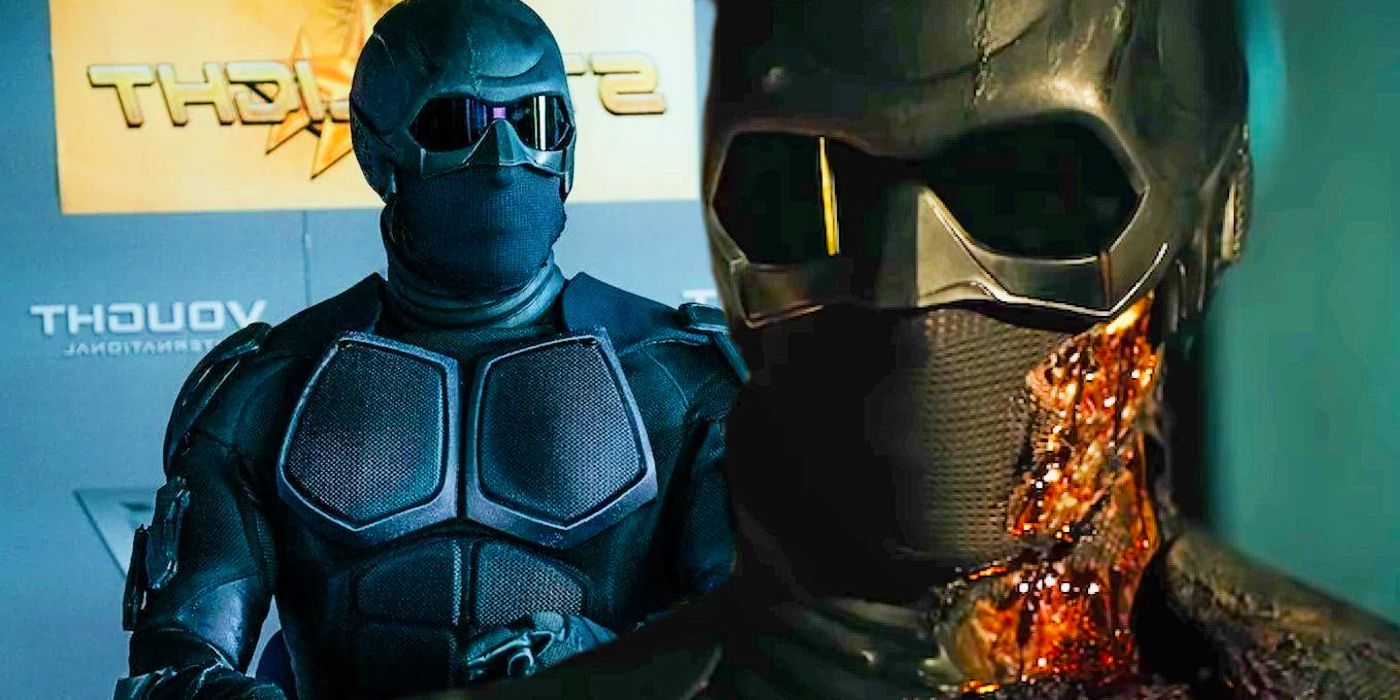
A brand’s greatest asset is its visual shorthand. The sleek, tactical black armor of Noir is instantly recognizable. In the transition from the “Old Noir” to the “New Noir,” Vought didn’t change a single stitch of the costume. This total adherence to visual consistency allowed them to gaslight the public and maintain “Brand Equity.” For real-world brands, this emphasizes the importance of a “Design System.” When the core identity (the logo, the color palette, the “mask”) remains constant, the brand can survive massive internal upheavals without losing its customer base.
The Personal Brand vs. The Corporate Mask: The Duality of the Noir Persona
The conflict between the original Black Noir’s tragic history and the new Noir’s comedic bewilderment offers a profound look at the “Dehumanization of Branding.” When a brand becomes too successful, it often consumes the people who built it.
Dehumanization as a Marketing Tool
The “Black Noir” brand required the erasure of the individual. Earving, the original Noir, was a talented performer whose identity was systematically stripped away by Vought to create a more “marketable” (and compliant) weapon. This is a common pitfall in “Personal Branding” within corporate structures. When an individual’s personal brand is entirely subsumed by their employer’s corporate identity, they lose their leverage. The “Noir” brand was designed to be a vacuum, and Vought ensured that nothing—not even the original wearer’s face—would escape that vacuum.
The Reboot Strategy: Introducing the “New” Noir
The introduction of a new actor into the Noir suit (the “New Noir”) shifted the brand’s internal tone while keeping the external face the same. This represents the “Brand Refresh” or “Soft Reboot.” While the public sees the same product, the “ingredients” have changed. The new Noir is a meta-commentary on the entertainment industry’s tendency to reboot franchises with younger, more malleable talent who can be controlled more easily by the studio. It is a strategic move to lower “labor costs” (in terms of emotional baggage and history) while keeping “revenue” (brand recognition) high.
Lessons in Longevity: How Brands Survive Beyond the Individual
The trajectory of the Black Noir brand offers three critical takeaways for brand strategists and corporate identity experts.
1. The Scalability of Icons
A brand that relies on a specific human face is limited by the lifespan and reputation of that human. A brand that relies on a mask (a logo, a character, a mascot) is infinitely scalable. Vought’s ability to keep the “Black Noir” brand alive for decades across different “versions” proves that high-concept branding is more durable than personality-led branding.
2. The Legacy Effect
“Black Noir” is no longer just a person; he is a “Legacy Title.” In the corporate world, this is equivalent to a “Sub-Brand.” Just as “PlayStation” survives the transition from PS1 to PS5, the Noir brand survives the transition from Earving to his successor. The legacy effect ensures that the brand carries its history and “cool factor” forward, even as the technology or people behind it evolve.
3. Controlling the Narrative
Vought’s greatest success with Black Noir was not his combat skills, but their total control over his narrative. By owning his silence, they owned his story. In a world where every brand is expected to have a “voice,” Vought proved that sometimes the most effective brand strategy is to remain silent and let the consumer’s imagination do the heavy lifting.

Conclusion: The Immortal Mask
So, what happened to Black Noir? From a narrative perspective, he died and was replaced. But from a brand strategy perspective, nothing happened to him. The brand remains intact. The merchandise continues to sell, the movies are still in production, and the silhouette remains a cornerstone of the Vought International portfolio.
Black Noir serves as a haunting reminder of the power of corporate identity. When a brand is constructed with enough discipline, it becomes a self-sustaining entity that is immune to the mortality of its creators. For Vought, Noir isn’t a person; he is a “Permanent Asset.” In the high-stakes world of global branding, the mask doesn’t just hide the face—it preserves the profit. As long as the suit exists and the silence is maintained, the brand of Black Noir will never truly die. It will simply be re-engineered for the next generation of consumers.
aViewFromTheCave is a participant in the Amazon Services LLC Associates Program, an affiliate advertising program designed to provide a means for sites to earn advertising fees by advertising and linking to Amazon.com. Amazon, the Amazon logo, AmazonSupply, and the AmazonSupply logo are trademarks of Amazon.com, Inc. or its affiliates. As an Amazon Associate we earn affiliate commissions from qualifying purchases.