
In the fast-paced world of celebrity media, few figures have carved out a niche as distinct and recognizable as Anne Burrell. Known for her signature spiky blonde hair, vibrant personality, and a “no-nonsense” approach to culinary education, Burrell became a cornerstone of the Food Network’s golden era. However, in recent years, fans and brand analysts alike have asked: what happened to Anne Burrell?
To understand the current state of Burrell’s career, one must look past the tabloid headlines and delve into the mechanics of personal branding, market saturation, and the strategic pivot of a media personality. This is not a story of a disappearing act, but rather a case study in how a high-profile brand navigates the transition from constant television presence to long-term legacy and diversified influence.
1. The Foundation: Building the “Rockstar Chef” Identity
The rise of Anne Burrell is a masterclass in visual and behavioral branding. In the mid-2000s, the culinary world was shifting from the “teacher” archetype (exemplified by Julia Child) to the “celebrity” archetype. Burrell successfully bridged this gap by combining high-level professional expertise with a curated, edgy persona.
The Power of Visual Trademarks
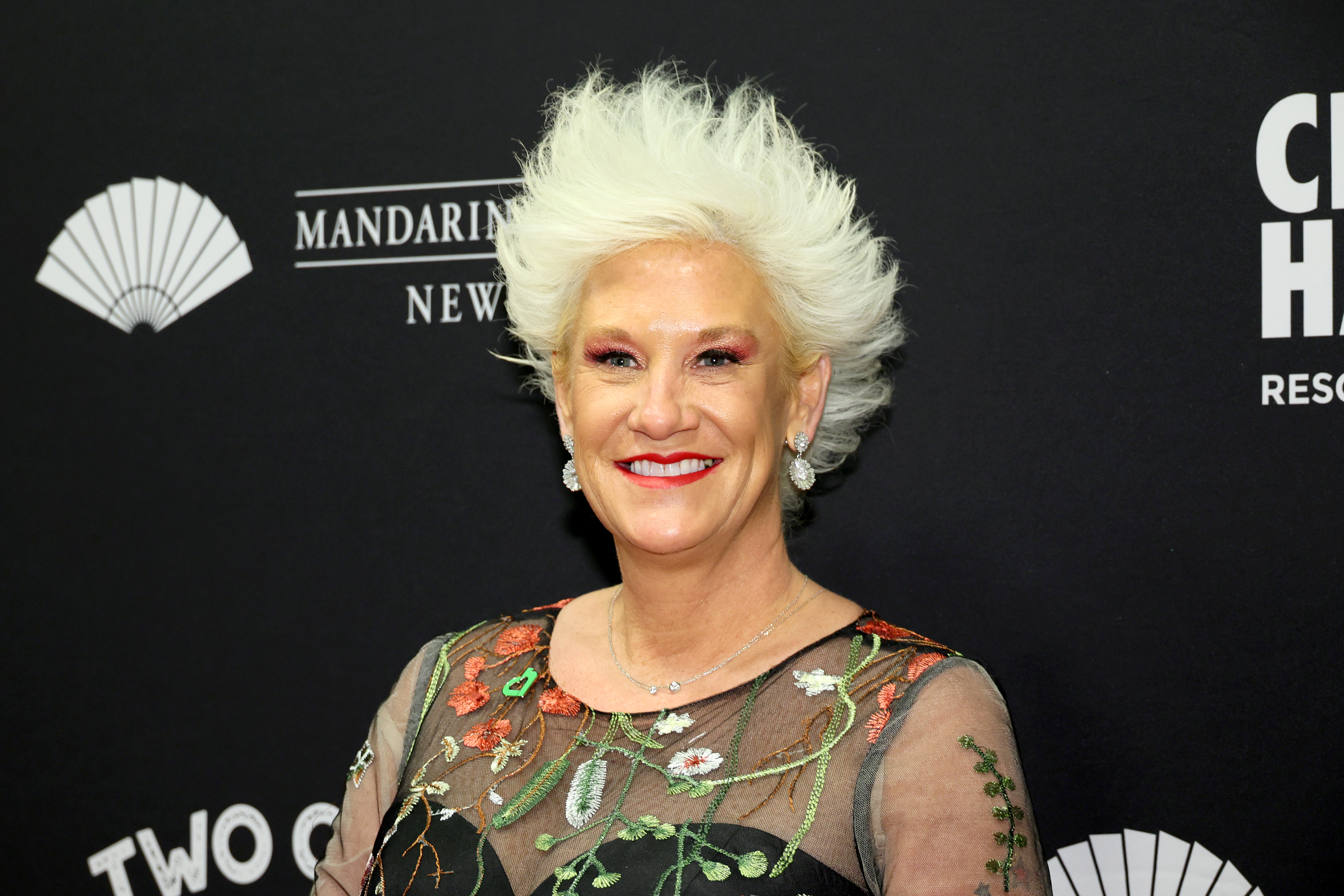
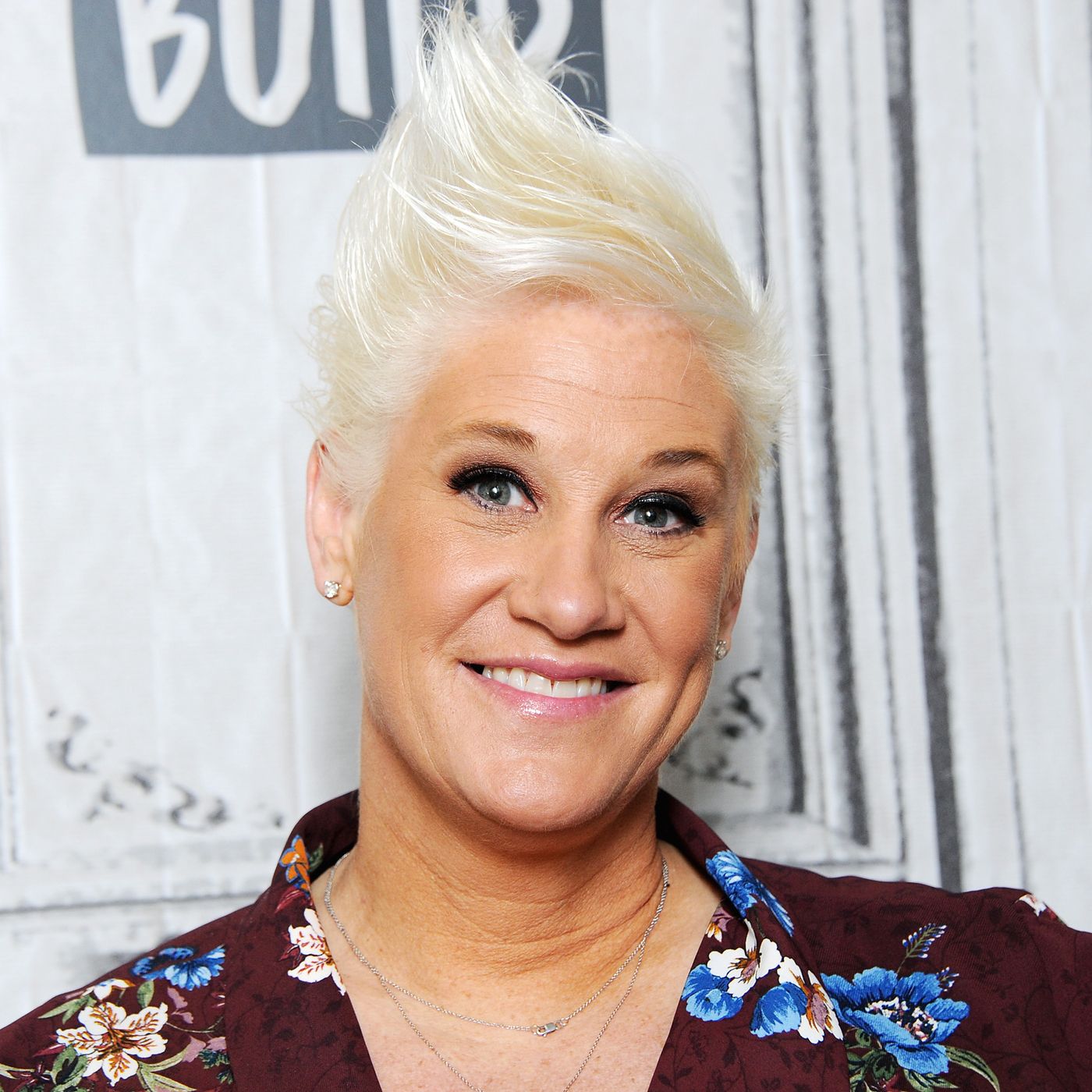
From a branding perspective, Anne Burrell’s most potent asset was her visual identity. In a crowded marketplace of white chef coats, her spiky, platinum-blonde hair and bold wardrobe choices made her instantly recognizable. This was not accidental; it was a deliberate visual anchor. Much like Guy Fieri’s frosted tips or Bobby Flay’s casual-cool demeanor, Burrell’s look signaled “Rockstar Chef.” This visual consistency allowed her to stand out in channel surfing, ensuring that even a three-second glimpse of her on-screen was enough to identify the Food Network brand.
Establishing Authority Through “Secrets of a Restaurant Chef”
While her look got people in the door, her brand was solidified through her demonstration of competence. Her show, Secrets of a Restaurant Chef, positioned her as the bridge between the professional kitchen and the home cook. This established the “Expert” pillar of her personal brand. Unlike many celebrities who focus solely on lifestyle, Burrell leaned into the technical—the “how” and “why” of cooking. This created a brand of trust and authority that would sustain her through more “entertainment-heavy” projects later in her career.
2. The Shift: From Culinary Expert to Entertainment Mentor
As the media landscape evolved, the Food Network began moving away from pure instructional programming toward competition-based entertainment. Burrell’s brand underwent a necessary pivot to remain relevant in this new environment, leading to the massive success of Worst Cooks in America.
The “Tough Love” Archetype
With the launch of Worst Cooks in America, Burrell’s brand shifted from “Expert Teacher” to “Master Mentor.” She adopted a “tough love” persona that played well in a reality TV format. This transition was vital for her brand’s longevity; it allowed her to display personality, humor, and frustration—traits that are highly relatable and meme-able in a digital age. By positioning herself against a rotating cast of celebrity co-hosts, she remained the “constant” variable, further strengthening her brand equity as the face of the franchise.
Managing Brand Saturation
One of the primary reasons audiences often ask “what happened” to a star is due to the natural cycle of brand saturation. After more than 20 seasons of Worst Cooks, the “shock and awe” of the persona begins to normalize. For Burrell, the perceived decrease in visibility isn’t a sign of failure but a strategic cooling period. In personal branding, overexposure can lead to a decline in value. By maintaining her presence on a few core shows rather than appearing in every pilot, Burrell preserved the prestige of her name.
3. The Digital Pivot: Personal Branding in the Age of Social Media
The traditional television model has been disrupted by social media, and Anne Burrell’s brand has had to adapt. The question of “what happened” is often answered by looking at where the conversation has moved: from the television screen to the smartphone screen.
Authenticity and the “Behind-the-Scenes” Brand
Modern personal branding requires a level of transparency that was not necessary in the early 2000s. Burrell has utilized platforms like Instagram to humanize her brand. By sharing glimpses of her personal life, her wedding, and her home cooking, she has transitioned from a two-dimensional TV character to a three-dimensional personality. This shift is crucial for modern brand loyalty; audiences no longer want just a chef; they want to feel a connection to the person behind the apron.
Diversifying the Portfolio
A robust brand does not rely on a single revenue stream. Burrell has expanded her brand into various verticals, including cookbooks, live events, and high-level culinary collaborations. While she may not be on a 24-hour loop on cable television, her brand is active in the “real world.” This diversification protects the brand against the volatility of television ratings. The “Anne Burrell” brand is now a multi-platform entity that includes publishing, public speaking, and digital influence.
4. Brand Longevity: Lessons from the Burrell Trajectory
What can other personal brands learn from Anne Burrell’s journey? Her career offers a blueprint for how to maintain relevance in an industry that is notoriously fickle.
Consistency vs. Evolution
The most successful brands know when to stay the same and when to change. Burrell has kept her core visual identity (the hair and the energy) while evolving her content delivery. This consistency provides comfort to her long-time fans, while her evolution into reality TV and social media attracts new demographics. The lesson here is clear: never lose the “core” of what made you famous, but don’t be afraid to change the “wrapper” it comes in.
The Power of Niche Positioning
Burrell never tried to be “everyone’s chef.” She didn’t pivot to becoming a lifestyle guru like Martha Stewart or a health-focused chef like some of her contemporaries. She stayed in her niche: the high-energy, technically proficient, professional mentor. By owning this niche, she made herself irreplaceable. When a network needs a “tough but fair teacher,” Anne Burrell is the only name on the list. This is the ultimate goal of personal branding—to become synonymous with a specific category.
5. The Future of the Anne Burrell Brand
So, what truly happened to Anne Burrell? She didn’t disappear; she matured. Her brand has moved from the “growth phase” of a rising star into the “legacy phase” of an established icon.
Legacy Building and Mentorship
As she moves forward, Burrell’s brand is increasingly focused on legacy. Through her continued work on Worst Cooks and her engagement with culinary students, she is positioning herself as the “Dean” of the Food Network. This is a powerful brand position that commands respect and ensures long-term viability. It is a move from being the player to being the coach.

The Value of Strategic Absence
In the world of high-end branding, sometimes less is more. By not being omnipresent, Burrell increases the value of her appearances. When she appears on a special or a new season, it feels like an event rather than a routine. This “scarcity” model is a sophisticated branding tactic used by luxury brands to maintain high demand and premium status.
In conclusion, Anne Burrell’s journey is a testament to the power of a well-managed personal brand. By leveraging a unique visual identity, pivoting with market trends, and diversifying her digital presence, she has remained a powerhouse in the culinary media world. She hasn’t gone anywhere; she has simply mastered the art of brand evolution in a digital-first world. For those looking to build their own personal brand, Burrell provides a clear example: be bold, be consistent, and never stop adapting to the needs of your audience.
aViewFromTheCave is a participant in the Amazon Services LLC Associates Program, an affiliate advertising program designed to provide a means for sites to earn advertising fees by advertising and linking to Amazon.com. Amazon, the Amazon logo, AmazonSupply, and the AmazonSupply logo are trademarks of Amazon.com, Inc. or its affiliates. As an Amazon Associate we earn affiliate commissions from qualifying purchases.