
In the world of professional sports, few names have ignited as much debate, confusion, and fascination as LIV Golf. To the casual observer, it is a rival league to the established PGA Tour. To the sports historian, it is a radical departure from a century of tradition. But from a brand strategy perspective, LIV Golf represents one of the most aggressive and calculated corporate identity launches in modern history.
To understand what LIV Golf stands for, one must look beyond the green grass and the leaderboards. The name itself is a cryptic signal, the visual identity is a departure from heritage, and the brand strategy is a masterclass in market disruption. This article explores the branding mechanics behind LIV Golf, deciphering its nomenclature, its rebellious positioning, and its attempt to redefine the corporate identity of an entire sport.
The Etymology of LIV: More Than Just a Number
The most frequent question asked by those new to the circuit is simple: “What does the ‘LIV’ actually mean?” Unlike the PGA (Professional Golfers’ Association) or the LPGA, LIV is not an acronym. It is a Roman numeral.
The Significance of 54
LIV stands for 54—the Roman numeral for L (50), I (1), and V (5). This number was not chosen at random; it is deeply embedded in the “perfect” mythology of the sport. In a standard par-72 course, if a golfer were to birdie every single hole, their total score would be 54. While a 54 has never been recorded in professional tournament play, it represents the “ultimate” round—the unattainable peak of excellence.
By naming the league “54,” the brand owners immediately aligned themselves with a sense of ambition and perfection. It suggests a version of golf that is optimized, idealized, and free from the limitations of the past.
A New Format as a Brand Foundation
Beyond the “perfect score” metaphor, 54 refers to the structural change LIV brought to the game. Traditional professional tournaments consist of 72 holes played over four days. LIV Golf tournaments consist of 54 holes played over three days.
From a brand perspective, this is a “Product-as-Identity” play. By baking the tournament structure into the name itself, LIV Golf signals that it is fundamentally different from the establishment. It positions itself as “The 54 League,” a leaner, faster, and more intense iteration of a game often criticized for being too slow and overdrawn.
Brand Strategy: The Architecture of Disruption
In branding, “disruption” is often used as a buzzword, but LIV Golf applied the concept literally. Its brand strategy was designed to create a “Blue Ocean” within a crowded “Red Ocean” of traditional sports media.
The Rebel Archetype
Every iconic brand fits into a psychological archetype. While the PGA Tour occupies the “Sage” or the “Ruler” archetype—emphasizing tradition, rules, and history—LIV Golf consciously adopted the “Outlaw” or “Rebel” archetype.
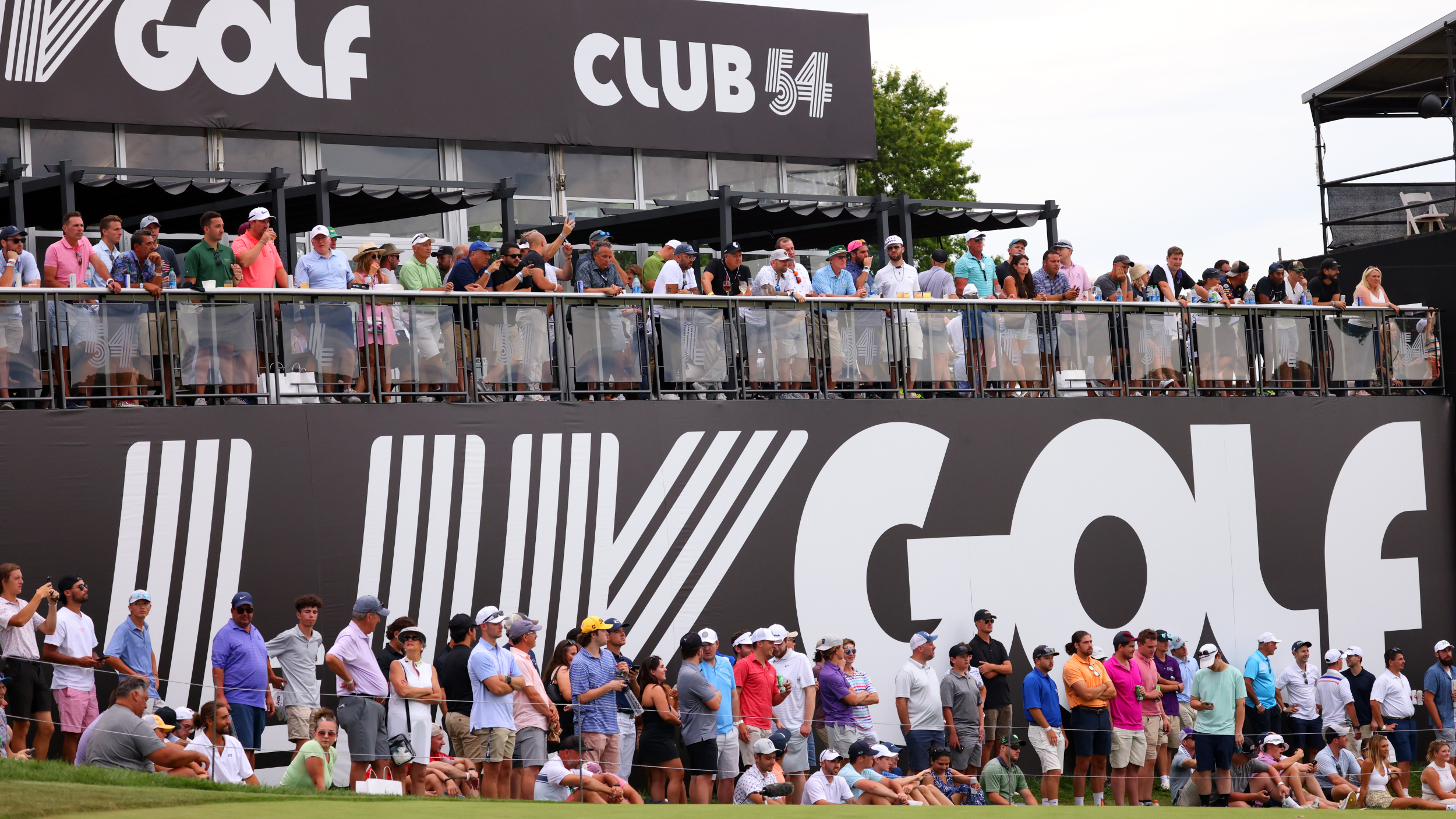
LIV’s marketing materials do not focus on hushed tones or the “quiet please” signs typical of the Masters. Instead, their slogan—”Golf, but Louder”—sets a clear expectation. The brand stands for a rejection of the “stuffy” country club atmosphere. By allowing players to wear shorts, playing loud music on the range, and utilizing “shotgun starts” (where every player starts at the same time on different holes), LIV rebranded golf as an entertainment product rather than a somber ritual.
Targeting a New Demographic
The brand strategy of LIV is a calculated move to lower the average age of the golf consumer. Traditional golf fans are statistically older and more affluent, but the growth potential lies in Gen Z and Millennials.
LIV’s brand identity—characterized by neon accents, high-energy social media content, and a “festival” atmosphere at events—is designed to bridge the gap between sports and lifestyle entertainment. This is not just a golf league; it is a lifestyle brand that happens to feature world-class golfers.
Visual Identity and the Franchise Model

One of the most significant shifts in LIV’s brand architecture is the move from individual branding to a franchise-based team model. This is a radical departure from the way golf has been marketed for a century.
Creating Tribal Loyalty
Historically, golf fans followed individuals (Tiger Woods, Phil Mickelson, Rory McIlroy). LIV Golf introduced 12 permanent teams, such as the 4Aces GC, Crushers GC, and HyFlyers GC.
This is a sophisticated corporate identity play. By creating team names, logos, and color palettes, LIV is attempting to manufacture “tribalism”—the same force that drives the branding of the NFL or Formula 1. From a marketing standpoint, this allows for:
- Merchandising Scalability: Selling hats and jerseys for a team (The Fireballs) rather than just a player.
- Asset Value: The teams themselves become brand assets that can be sold to private equity or corporate sponsors, similar to a franchise in the NBA.
The Visual Language of LIV
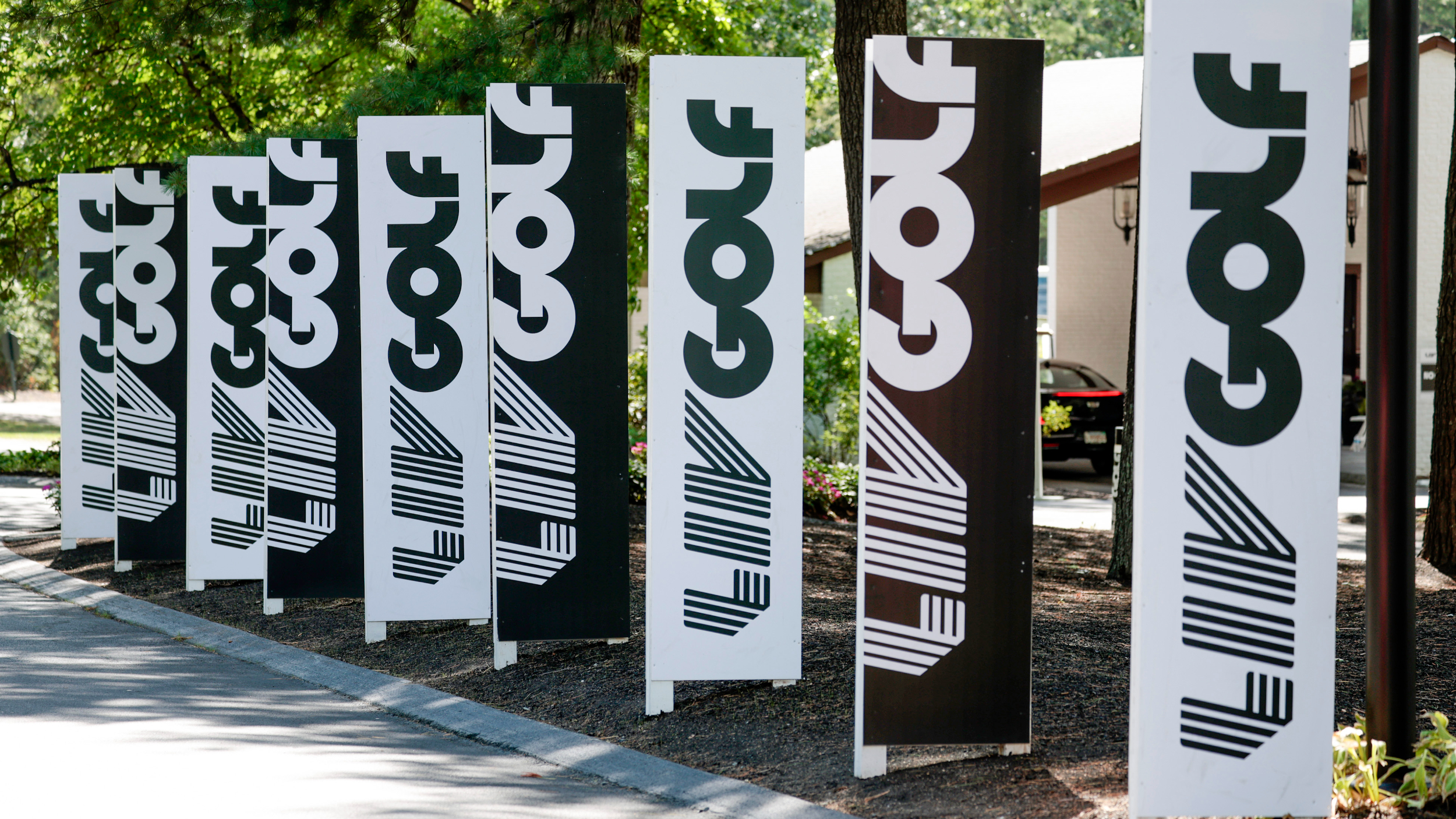
The LIV Golf logo—a minimalist, fragmented “LIV” wordmark—looks more like a tech startup or a high-end streetwear brand than a sports organization. The use of sharp angles and a monochromatic base with vibrant secondary colors contrasts sharply with the green-and-gold, crest-heavy aesthetics of legacy golf tournaments. This visual language screams “modernity” and “digital-first,” ensuring the brand looks at home on a smartphone screen rather than a printed program.
Rebranding a Traditional Sport: Challenges in Reputation Management
No discussion of what LIV Golf stands for is complete without addressing the brand’s most significant hurdle: its association with its primary financier, the Public Investment Fund (PIF) of Saudi Arabia.
The Struggle with “Sportswashing”
From a brand equity perspective, LIV has faced an uphill battle. Critics labeled the league an exercise in “sportswashing”—a term used when a state uses high-profile sporting events to distract from human rights concerns or to polish its international reputation.
For many consumers and sponsors, the LIV brand became synonymous with controversy. This created a “brand fracture” where the league’s high-energy, fun-focused marketing clashed with the heavy geopolitical discourse in the news cycle.
Crisis Management and Brand Resilience
LIV’s response to this has been a masterclass in brand resilience through “unapologetic positioning.” Rather than retreating, the brand leaned into its “disruptor” status. It leaned on its biggest assets—the players—to act as brand ambassadors. By signing icons like Phil Mickelson and Dustin Johnson, the league leveraged the “personal brands” of the players to legitimize the “corporate brand” of the league.
This strategy highlights a key principle in modern branding: if your product is compelling enough and your talent is recognizable enough, the market will eventually separate the product from the politics.
The Future of the LIV Brand: Integration or Independence?
As we look at the evolution of LIV Golf, the brand is currently in a state of transition. With the announcement of a potential “framework agreement” between the PIF and the PGA Tour, the LIV brand faces its ultimate test: Can it survive as a sub-brand within a unified golf ecosystem?
The Value of the Disruption
Even if LIV eventually merges or changes form, what it “stands for” has already changed the industry forever. It stands for the idea that no sport is too old to be disrupted. It stands for the realization that “the way it’s always been done” is a vulnerability that competitors can exploit.
Legacy of the Identity
LIV Golf has proven that there is a market for a “shorter, louder, team-based” version of golf. Should the LIV name eventually disappear into a larger corporate entity, its brand DNA—the team concept, the 54-hole format, and the digital-forward aesthetic—will likely remain the blueprint for the future of the sport.
Conclusion: A Brand Built on Boldness
In the final analysis, “LIV Golf” stands for much more than the number 54. It represents a total reimagining of a legacy product for a modern audience. Through a combination of Roman numeral symbolism, the “Rebel” brand archetype, and a franchise-based corporate identity, LIV Golf has forced the most conservative sport in the world to look in the mirror.
Whether one views it as a visionary leap forward or a controversial interruption, the LIV Golf brand is an undeniable success in one specific area: it demanded the world’s attention. In the competitive landscape of modern branding, that is often the most difficult—and most valuable—achievement of all. By defining itself through what it isn’t (the PGA), LIV Golf successfully carved out a space for what it is: a fast, loud, and unapologetically modern take on a centuries-old game.
aViewFromTheCave is a participant in the Amazon Services LLC Associates Program, an affiliate advertising program designed to provide a means for sites to earn advertising fees by advertising and linking to Amazon.com. Amazon, the Amazon logo, AmazonSupply, and the AmazonSupply logo are trademarks of Amazon.com, Inc. or its affiliates. As an Amazon Associate we earn affiliate commissions from qualifying purchases.