
In the landscape of modern fitness, the jumping jack is often dismissed as a rudimentary relic of primary school physical education. It is a simple, plyometric movement requiring no equipment, minimal space, and basic coordination. However, from the perspective of modern technology, the jumping jack is far from simple. In the era of the “Quantified Self,” this basic movement has become a sophisticated data point. When we ask, “What does jumping jacks do?” today, we aren’t just talking about cardiovascular health or muscle engagement; we are talking about sensor fusion, computer vision, and the algorithmic interpretation of human kinetic energy.
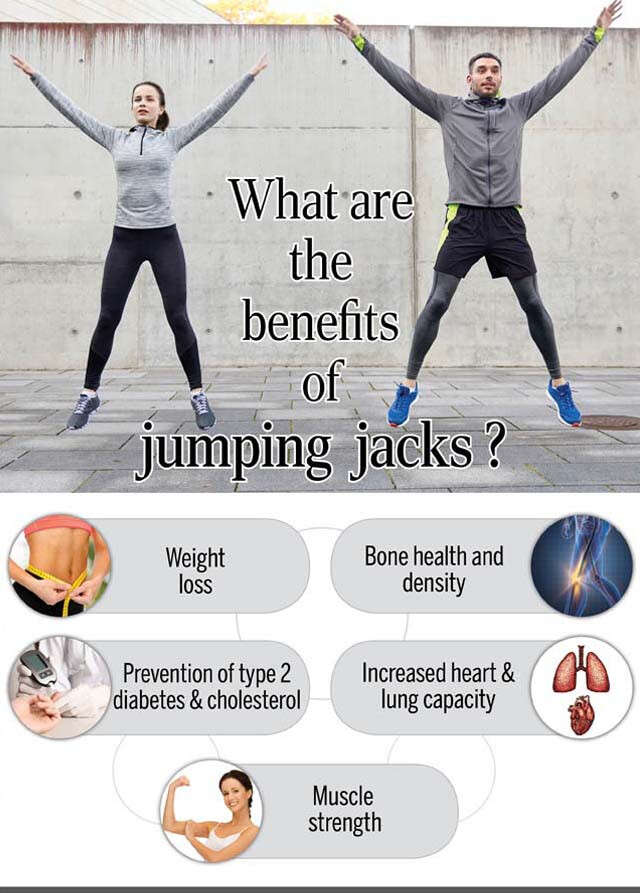
As fitness technology transitions from basic step-counting to complex motion analysis, the jumping jack serves as a perfect baseline for testing the efficacy of wearable sensors and artificial intelligence. In this exploration, we look at how technology has hijacked this classic exercise to provide deeper insights into human performance, digital health, and the future of interactive coaching.
The Quantified Self: How Wearables Track Simple Aerobics
The hardware strapped to our wrists—whether it be an Apple Watch, a Garmin, or a WHOOP strap—treats a jumping jack as a complex series of events. To a user, it’s a jump; to a device, it’s a specific signature of gravitational force and angular velocity. The tech involved in “tracking” what a jumping jack does involves a sophisticated interplay between hardware and software.
Accelerometers and Gyroscopes: The Physics of Motion
At the core of every wearable device is the Inertial Measurement Unit (IMU). This unit typically consists of a 3-axis accelerometer and a 3-axis gyroscope. When you perform a jumping jack, the accelerometer detects the vertical propulsion and the impact of the landing, while the gyroscope tracks the lateral arc of your arms.
Modern fitness algorithms are trained using machine learning to recognize these specific “waveforms.” By analyzing thousands of repetitions across diverse body types, tech companies have developed signatures that allow a watch to distinguish a jumping jack from a burpee or a simple hop. This high-frequency sampling (often measuring movement hundreds of times per second) allows the device to calculate not just that you moved, but the intensity and rhythm of that movement, providing a digital mirror of your physical exertion.
Heart Rate Variability (HRV) and Metabolic Equivalent Task (MET) Data
Beyond the mechanics of the movement, technology calculates what the jumping jack does to your internal systems. Wearables utilize Photoplethysmography (PPG)—the green lights on the back of the device—to measure blood flow. By combining the mechanical data (the number of jacks) with the physiological data (the spike in heart rate), software can calculate the Metabolic Equivalent of Task (MET).
This data is crucial for the modern “Money” side of health: efficiency. Tech platforms now provide “Efficiency Scores,” telling the user if their jumping jacks are actually improving their cardiovascular ceiling or if they are simply burning baseline calories. Through the lens of Big Data, the jumping jack is no longer a warm-up; it is a diagnostic tool for measuring recovery states and aerobic capacity.
AI-Powered Motion Analysis: Computer Vision in Fitness
While wearables provide data from the wrist, the most significant leap in fitness tech is occurring through the lens of a smartphone camera. Computer vision (CV) is revolutionizing how we understand “what jumping jacks do” by moving beyond mere counting and into the realm of form correction and biomechanical optimization.
Pose Estimation and Real-Time Form Correction
Pose estimation is a subfield of AI that identifies the location of human joints in a video feed. Frameworks like Google’s MediaPipe or Apple’s ARKit can track “landmarks”—the shoulders, elbows, hips, knees, and ankles—in real-time. When you perform a jumping jack in front of an AI-powered app (like those found on the Peloton Guide or various mobile AI trainers), the software creates a digital skeleton of your body.
The “tech” value here is profound. If your arms aren’t reaching full extension, or if your knees are caving inward (valgus stress), the AI detects the deviation from the “golden standard” model. It provides instant haptic or audio feedback. This transforms the jumping jack from a mindless movement into a precision-engineered exercise. The software ensures that the “doing” of the jumping jack is performed with maximal mechanical advantage, reducing injury risk and increasing caloric output.
The Shift from Hardware to Software-First Fitness
We are witnessing a pivot where the “smart” part of the gym is moving from the machine to the air around us. In the past, to get accurate feedback on exercise, one needed a laboratory full of markers and infrared cameras. Today, a mid-range smartphone uses edge computing—processing data locally on the device’s neural engine—to provide the same level of analysis.

This democratization of biomechanical tech means that “what jumping jacks do” is now accessible to anyone with a screen. The software treats the human body as the hardware, and the jumping jack as the “code” being executed. This shift is fueling a massive wave of “connected fitness” apps that rely on these visual algorithms to keep users engaged and safe without the need for expensive, bulky equipment.
Gamification and the Virtual Trainer Evolution
Technology has a unique ability to solve the primary problem of bodyweight exercises: boredom. By integrating the jumping jack into a digital ecosystem, tech companies have turned a mundane movement into a core mechanic of a “fitness game.” This is where the psychology of UI/UX design meets physical movement.
Augmented Reality (AR) and Interactive Exercise Environments
Augmented Reality (AR) takes the jumping jack and places it inside a digital challenge. Through AR glasses or even simple mobile screens, users can see virtual “targets” that they must hit with their hands at the top of the jumping jack arc. This isn’t just for fun; it serves a technical purpose. By placing targets at specific heights, the tech forces the user to maintain a consistent range of motion.
The gamification of the jumping jack creates a feedback loop. Every rep provides a “ping” or a visual reward, which triggers dopamine release in the brain. From a tech development standpoint, this is “retention engineering.” Developers are using the jumping jack as a low-barrier entry point to keep users inside their digital fitness ecosystems, ultimately driving subscription revenue and long-term user engagement.
Social Integration and Global Leaderboards
Modern fitness apps leverage the “network effect.” When you perform a set of jumping jacks, that data is instantly uploaded to a cloud-based leaderboard. Technology has turned what was once a solitary activity into a global competition.
The API economy allows this data to flow between apps. Your jumping jacks in a dedicated HIIT app might contribute to your “daily activity” goals in a health insurance app or a corporate wellness platform. This connectivity changes the “value” of the exercise. It is no longer just about your own health; it is about your digital standing within a community. The jumping jack becomes a social currency, verified by the immutable data of the sensor.
The Future of Biometric Data in Preventive Healthcare
Looking forward, the jumping jack serves as a vital diagnostic in the growing field of preventive health tech. As machine learning models become more sophisticated, the way we perform simple movements can provide early warnings for various health conditions.
Machine Learning and Predictive Health Outcomes
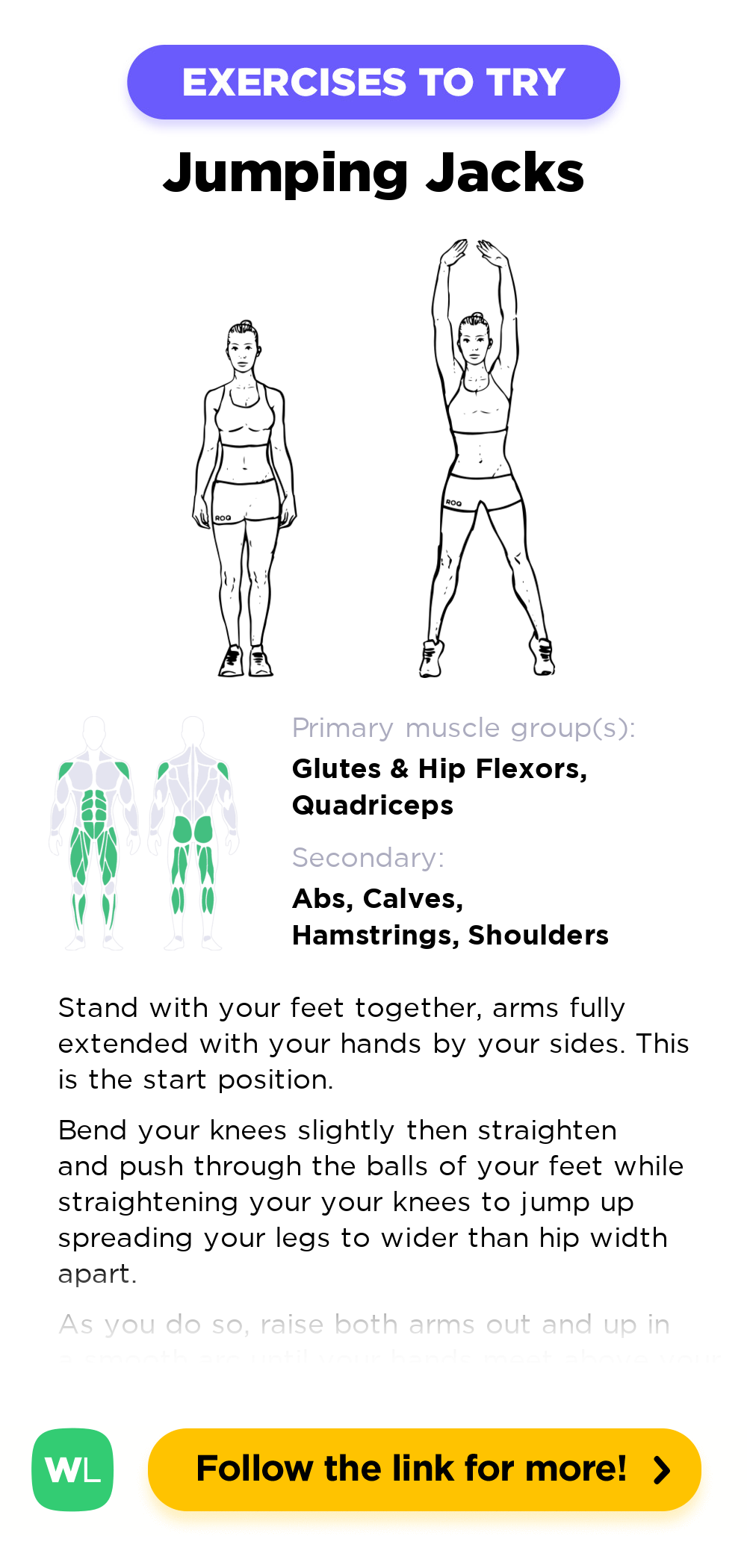
Data scientists are now using “movement signatures” to predict future physical ailments. For instance, a subtle change in the symmetry of a jumping jack—perhaps one foot landing slightly later than the other—can be detected by AI long before the human eye sees it. This data could point toward an emerging hip issue, a neurological tremor, or muscle imbalances.
In this context, “what jumping jacks do” is provide a baseline of “functional health.” By performing these movements regularly in front of a digital monitor, users are essentially giving their health provider a continuous stream of diagnostic data. Machine learning models can compare your current performance against your historical data to alert you to a decline in power, agility, or coordination, signaling the need for intervention.
Data Privacy and the Ethics of Motion Tracking
As the jumping jack becomes a source of high-value biometric data, we must confront the tech ethics of motion tracking. Who owns the data of your movement? If an AI can detect a potential health issue based on your jumping jack form, should that information be shared with your insurance provider?
The technical architecture of these platforms is increasingly moving toward “On-Device Processing” to mitigate these risks. By ensuring that the video feed used for pose estimation never leaves the user’s phone, tech companies are attempting to balance the benefits of AI-driven fitness with the necessity of digital privacy. As we move into the next decade, the jumping jack will remain a staple of fitness, but it will be wrapped in layers of encryption, algorithmic analysis, and cloud connectivity.
In conclusion, the humble jumping jack has been transformed. It is no longer just an exercise; it is a sophisticated interaction between the human body and the digital world. Through wearables, computer vision, and gamified platforms, technology has decoded the jumping jack, providing us with unprecedented insights into how we move, how we improve, and how we can maintain our health in an increasingly automated age. The next time you perform a jumping jack, remember: you aren’t just moving your limbs; you are generating data that is shaping the future of human performance technology.
aViewFromTheCave is a participant in the Amazon Services LLC Associates Program, an affiliate advertising program designed to provide a means for sites to earn advertising fees by advertising and linking to Amazon.com. Amazon, the Amazon logo, AmazonSupply, and the AmazonSupply logo are trademarks of Amazon.com, Inc. or its affiliates. As an Amazon Associate we earn affiliate commissions from qualifying purchases.