
In the ever-evolving landscape of digital culture, terms emerge and dissipate with dizzying speed. One of the most perplexing phrases to capture the collective attention of Gen Z and Alpha recently is “Brainrot,” specifically the sub-genre known as “Italian Brainrot.” While the name might sound like a medical condition or a derogatory cultural critique, it is actually a profound manifestation of how modern technology, specific software algorithms, and generative AI are reshaping human attention and content consumption. To understand what Italian Brainrot means, one must look past the chaotic memes and examine the underlying technological infrastructure that makes this high-frequency, absurdist content possible.
The Anatomy of the “Brainrot” Tech Ecosystem
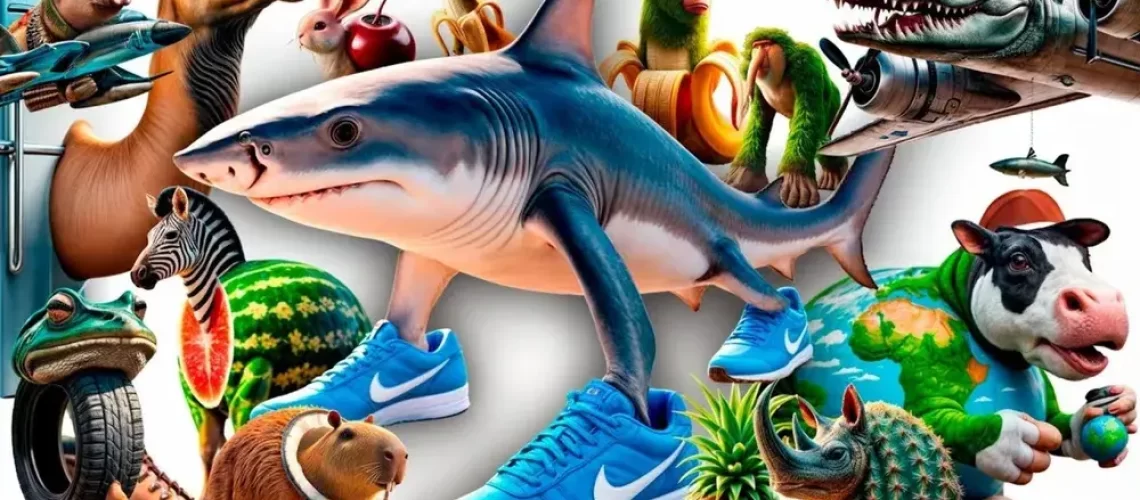
At its core, “Brainrot” refers to content that is so hyper-stimulating, nonsensical, and rapid-fire that it feels as though it is “rotting” the viewer’s cognitive faculties. However, from a technology standpoint, this is a highly optimized form of digital media designed for the “infinite scroll” era. Italian Brainrot specifically takes stereotypical Italian tropes—pizza, leaning towers, operatic music, and the iconic ” ” gesture—and processes them through a meat grinder of digital distortion.
The Anatomy of Hyper-Stimulated Content
Technologically, Italian Brainrot is defined by high-entropy editing. Using sophisticated but accessible mobile video editors like CapCut or Premiere Rush, creators layer multiple audio tracks, visual overlays, and rapid-fire cuts. The goal is to maximize the bits of information delivered per second. This style of content often features “sludge” videos—split-screen layouts where one half is a surreal Italian-themed animation and the other is satisfying gameplay (like Subway Surfers or ASMR soap cutting). This multi-stream delivery is a technical solution to the problem of declining user attention spans on platforms like TikTok and Instagram Reels.
Why “Italian”? The Role of Geocultural Algorithms
The “Italian” element of this trend is a byproduct of how recommendation engines categorize cultural symbols. Social media algorithms are designed to identify high-engagement clusters. When a specific “vibe” or cultural caricature (in this case, a distorted version of Italian culture) begins to trend, the algorithm creates a feedback loop. Technology identifies that the “Italian” tag correlates with longer watch times among certain demographics, prompting creators to use AI-driven filters and soundboards to replicate the “Italian” aesthetic, regardless of its logic or authenticity.
The Algorithmic Engine: How Platforms Propagate Digital Fatigue
To understand Italian Brainrot, one must understand the machine learning models that govern our feeds. These platforms do not prioritize “quality” in the traditional sense; they prioritize “retention.” Italian Brainrot is a technological masterpiece of retention hacking.
Machine Learning and the Feed Customization Loop
The tech behind TikTok’s “For You” page (FYP) utilizes complex neural networks that analyze user behavior in real-time. If a user pauses for even a fraction of a second on a video of a giant AI-generated Mario eating a pizza while screaming in a distorted opera voice, the algorithm notes this interest. Because Italian Brainrot is inherently confusing, users often rewatch the videos to make sense of what they just saw. The algorithm interprets these “looping” views as high-quality engagement, further boosting the content into the mainstream. This creates a digital echo chamber where absurdist, tech-distorted content becomes the dominant aesthetic.
The Data Behind the Dopamine: Metrics of Engagement
From a digital security and data perspective, the rise of Brainrot trends highlights the efficacy of engagement tracking. Every swipe, like, and share serves as data points that refine the content delivery network (CDN). Italian Brainrot serves as a case study in “algorithmic drift,” where the technology moves away from human-centric content toward “machine-friendly” content—videos that are perfectly calibrated to trigger dopamine responses through loud noises, bright colors, and fast movements, all processed at a speed that bypasses the prefrontal cortex’s logical filters.
Generative AI and the Rise of Absurdist Italian Imagery

The proliferation of Italian Brainrot would be impossible without the recent breakthroughs in Generative AI. The imagery found in these videos—often grotesque, surreal, or physically impossible versions of Italian landmarks and people—is largely the product of AI image and video generators.
AI Voice Synthesis and Image Generators in Meme Creation
Tools like ElevenLabs (for AI voice synthesis) and Midjourney or DALL-E (for image generation) have democratized the creation of high-fidelity surrealism. A creator can type a prompt like “hyper-realistic pizza monster in Rome, 4k, distorted, glitch art” and receive an image that serves as the perfect thumbnail for a Brainrot video. Furthermore, AI voice cloning allows creators to make historical figures or celebrities speak in “brainrot” slang (words like skibidi, rizz, or gyatt) with an Italian accent. This technological ease of use allows for a volume of content production that was previously unthinkable, saturating the digital space with “Italian” themed absurdity.
The Democratization of Low-Fidelity Content Tools
While high-end AI is used, much of the Italian Brainrot aesthetic relies on “low-fi” or “deep-fried” tech effects. These are digital filters that intentionally degrade the quality of the video, adding grain, chromatic aberration, and audio clipping. This is a deliberate technical choice. In an era of polished, high-definition corporate content, these “low-tech” distortions feel more “authentic” to younger users. The software used to create these effects is often built directly into social apps, allowing any user with a smartphone to contribute to the Brainrot ecosystem.
The Impact of High-Frequency Digital Consumption on Cognition
When we ask what Italian Brainrot means, we are also asking about the technical impact of short-form video on the human brain. The term “Brainrot” itself is a colloquial recognition of “cognitive load theory” in a digital context.
Shortened Attention Spans and the “Goldfish Effect”
The technology that delivers Italian Brainrot is designed to provide immediate gratification. Research into human-computer interaction (HCI) suggests that constant exposure to 15-second bursts of high-intensity media can recalibrate the brain’s reward system. The “Italian” aspect provides a familiar visual anchor, but the rapid-fire delivery forces the brain to process information at a rate that discourages deep thinking. Tech critics argue that this creates a “Goldfish Effect,” where users become technologically literate but cognitively fatigued, unable to engage with long-form text or slow-moving software tutorials.
Technological Literacy in the Age of Irony
Interestingly, there is a counter-argument that Italian Brainrot represents a new form of technological literacy. To “get” the joke, a user must be deeply embedded in internet culture, understanding the layers of AI-generated irony and the specific ways algorithms work. It is a “meta” movement where users mock the very platforms they are using. By consuming content that is self-consciously “rot,” users are asserting a form of ironic distance from the manipulative nature of the engagement-driven tech they interact with daily.
Future Trends: Moving Beyond the Brainrot Paradigm
As we look toward the future of software and digital trends, Italian Brainrot may be a precursor to a broader shift in how we interact with AI and algorithms. We are moving away from a “search-based” internet toward a “discovery-based” internet, where the tech knows what we want before we do.
The Shift Toward Intentional Digital Interaction
There is a growing movement in the tech world toward “Digital Minimalism” and the creation of apps that prioritize “Time Well Spent.” As the novelty of Brainrot fades, software developers are exploring ways to use AI to filter out high-entropy, low-value content in favor of more substantive interactions. However, until the economic incentives of social media platforms change, the technology will continue to favor the loudest, most “Italian,” and most “rotten” content.

Conclusion: The Technical Reality of a Viral Term
What does Italian Brainrot mean? It is the intersection of high-speed internet, generative AI, and retention-based algorithms. It is a visual and auditory representation of the “Attention Economy” pushed to its logical extreme. While the memes themselves—featuring screaming pizzas and glitchy Roman statues—might be fleeting, the technology that created them is here to stay. Understanding Italian Brainrot is not about understanding Italy; it is about understanding the digital architecture of the 21st century and how it continues to reshape the boundaries of media, technology, and the human mind.
aViewFromTheCave is a participant in the Amazon Services LLC Associates Program, an affiliate advertising program designed to provide a means for sites to earn advertising fees by advertising and linking to Amazon.com. Amazon, the Amazon logo, AmazonSupply, and the AmazonSupply logo are trademarks of Amazon.com, Inc. or its affiliates. As an Amazon Associate we earn affiliate commissions from qualifying purchases.