
In the realm of global entertainment, few symbols have achieved the level of immediate recognition and cultural resonance as the three-finger salute from The Hunger Games. What began as a silent gesture in a dystopian novel has evolved into a potent piece of visual identity that transcends the silver screen. From a branding perspective, the three-finger salute is not merely a plot device; it is a masterclass in brand semiotics—the study of signs and symbols and their use or interpretation.
To understand what the three fingers mean, one must look past the narrative of Panem and analyze how a simple physical gesture can function as a powerful brand asset. In the world of marketing and corporate identity, the goal is often to create a “sticky” brand—one that is memorable, evokes deep emotion, and creates a sense of belonging. The three-finger salute achieves all three, providing a blueprint for how modern brands can build identity through movement, ritual, and shared values.
The Evolution of a Symbol: From District 12 to a Global Brand Icon
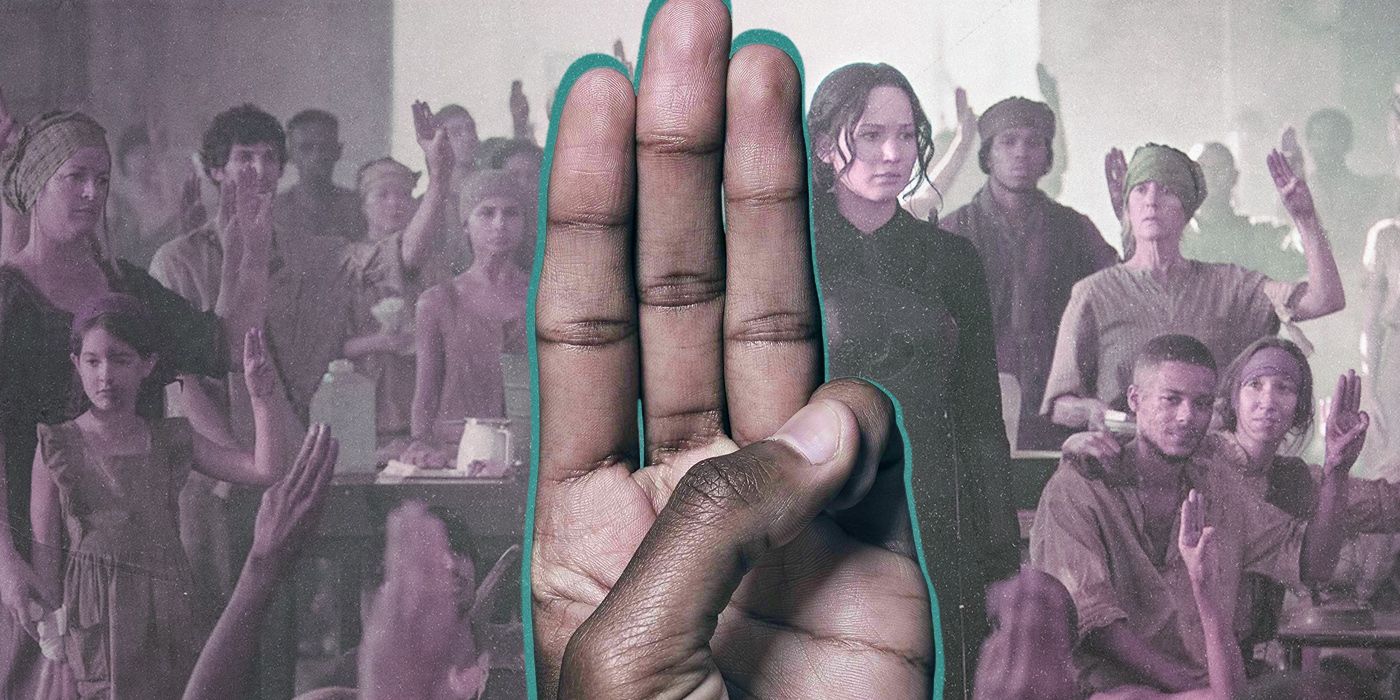
Every iconic brand has a “founding myth” or a moment of origin that defines its purpose. In The Hunger Games, the three-finger salute’s origin is rooted in the tradition of District 12. Initially, it was an ancient and rarely used gesture, meaning thanks, admiration, and saying goodbye to someone you love. However, its transformation from a local tradition to a revolutionary brand identity is where the marketing genius lies.
Establishing the Brand Origin and Context
In branding, context is everything. When Katniss Everdeen first uses the salute after Rue’s death, she isn’t just performing a gesture; she is “rebranding” the act of mourning into an act of defiance. For a brand to resonate, it must solve a problem or fill a void. In the narrative, the void was a lack of unity among the oppressed districts. The salute filled this void by providing a silent, low-risk way for individuals to signal their shared values.
Strategically, this is similar to how a brand like Patagonia uses environmental activism as its core identity. The products are the medium, but the “gesture”—their commitment to the planet—is the brand. The three-finger salute became the “logo” of the rebellion because it was anchored in a powerful, emotional origin story that people could rally behind.
Consistency in Storytelling and Visual Cues
A brand is only as strong as its consistency. Throughout the Hunger Games franchise, the salute is used sparingly but with maximum impact. This scarcity increases its value. In brand strategy, overexposure can lead to the dilution of a symbol’s meaning. By reserving the salute for pivotal moments of emotional or political weight, the “brand” of the rebellion maintained its prestige and power.
The consistency of the gesture—three fingers pressed together, hand held high—ensured that it remained recognizable across different contexts, whether it was being performed by a young girl in District 12 or a revolutionary leader in District 13. For modern brands, this highlights the importance of maintaining a consistent visual and emotional language across all touchpoints.
Why Simplicity Wins in Brand Recognition
The most successful brands in the world often have the simplest visual identifiers. Think of the Nike Swoosh, the Apple logo, or the McDonald’s Golden Arches. The three-finger salute follows this principle of radical simplicity. It requires no specialized equipment, no verbal explanation, and can be performed by anyone, anywhere.
The Minimalism of the Gesture
In the field of design, minimalism is used to strip away distractions and focus on the core message. The three-finger salute is the ultimate minimalist brand. Its power lies in its economy of motion. Within the narrative, this was a practical necessity—silence was often safer than speech. From a brand perspective, this minimalism allowed the symbol to cross linguistic and cultural barriers.
When a brand can communicate its entire ethos through a single, wordless image or gesture, it has achieved “iconic” status. This is the “Zero-Second Effect,” where a consumer (or in this case, a citizen of Panem) understands the brand’s message instantly without needing to process text or audio.
Emotional Connection and Brand Loyalty
True brand loyalty is not rational; it is emotional. The three-finger salute works because it is tied to the most profound human emotions: grief, hope, and the desire for freedom. When people in the story used the salute, they weren’t just following a trend; they were expressing their identity and their allegiance to a cause.
This is the holy grail of personal and corporate branding. When a brand moves from being a “provider of goods” to a “symbol of identity,” it creates a community of advocates. The salute transformed the districts from a collection of isolated individuals into a cohesive “brand community.” In the business world, this is seen in brands like Harley-Davidson or CrossFit, where the brand’s symbols are often literally tattooed onto the customers’ skin.
Transcending Fiction: When a Narrative Symbol Becomes a Cultural Movement
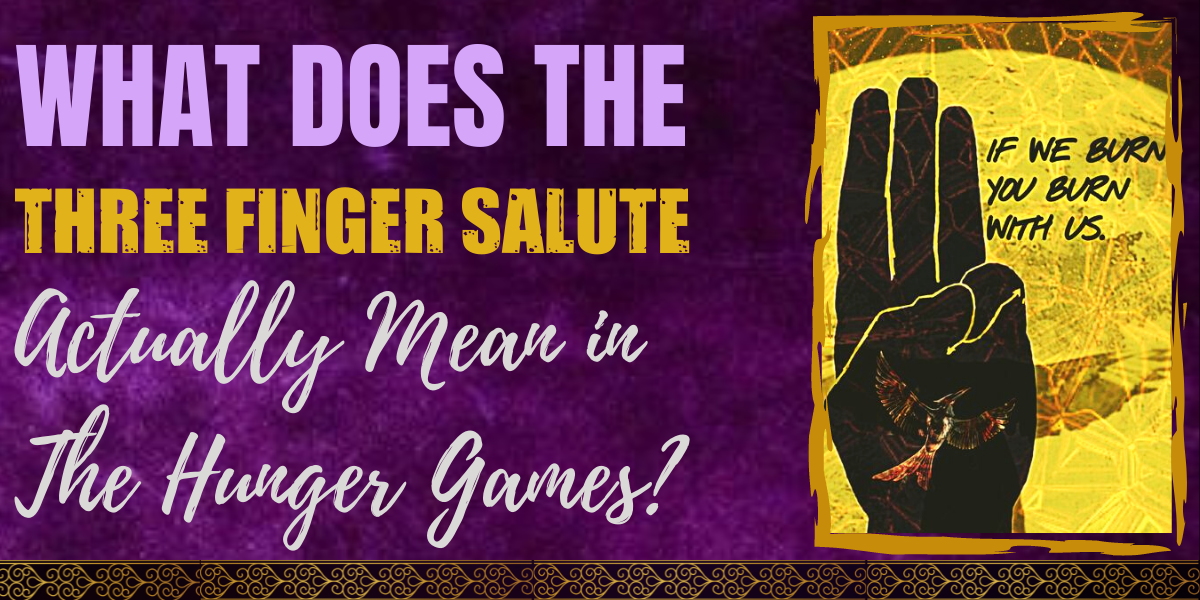
Perhaps the most fascinating aspect of the three-finger salute’s “brand history” is its leap from the fictional world of Panem into real-world political activism. This phenomenon is known as “Brand Appropriation,” where a symbol is taken out of its original context and used to represent a new, often unintended, movement.
The Viral Nature of the Salute
In countries like Thailand and Myanmar, the three-finger salute has been adopted by real-world protesters as a symbol of resistance against authoritarianism. This speaks to the “viral” potential of well-constructed brand symbols. Because the gesture was already globally recognized through the films and books, it came with a pre-packaged set of meanings: bravery, unity, and defiance.
For brand strategists, this illustrates the power of “Social Currency.” People use symbols that make them look good or feel connected to a larger purpose. The three-finger salute provided an aesthetic and symbolic framework for real-world movements, proving that a strong brand can outlive its original medium.
Risks and Rewards of Brand Appropriation
When a symbol goes viral and is co-opted by the public, the original “brand owner” (in this case, the creators of The Hunger Games) loses control. While this can lead to massive exposure, it also carries risks. If a symbol becomes associated with a controversial movement, it can alienate other segments of the audience.
However, for The Hunger Games, this real-world usage only served to cement the franchise’s legacy. It transformed a piece of intellectual property into a cultural landmark. In branding, this is the transition from “Market Share” to “Mind Share.” When your brand’s symbols are used to describe real-world events, you have achieved a level of cultural penetration that money cannot buy.
Lessons for Modern Marketers and Brand Strategists
What can a CMO or a personal brand coach learn from the three-finger salute? The success of this symbol offers several actionable insights into how we build and maintain brand identity in a crowded digital landscape.
Building “Quiet” Brand Assets
In an era of loud, interruptive advertising, the “quiet” nature of the salute is a reminder that subtlety can be more effective than shouting. Modern brands should look for ways to create “sensory signatures”—unique sounds, gestures, or even haptic feedback (like the vibration of an iPhone)—that signal the brand’s presence without being overt.
These quiet assets build a “secret language” between the brand and its community. It creates an “in-group” feeling, where those who recognize the symbol feel like they are part of something exclusive. This is the essence of building a cult brand.
Creating Community through Shared Values
The three fingers originally meant “I love you, I respect you, I am with you.” It was a gesture of solidarity. The most successful modern brands—from Tesla to Glossier—don’t just sell products; they sell a worldview. They invite their customers to be part of a “rebellion” against the status quo.
To replicate the success of the three-finger salute, a brand must:
- Define a Clear Adversary: In Panem, it was the Capitol. In branding, it might be “boring design,” “high prices,” or “environmental waste.”
- Create a Simple Ritual: Rituals reinforce brand identity. Whether it’s the “unboxing experience” or a specific social media challenge, rituals turn passive consumers into active participants.
- Empower the User: The salute was a tool for the people. A great brand empowers its customers to express their own identities through the brand’s symbols.

Conclusion: The Legacy of a Silent Gesture
The three-finger salute is a testament to the power of visual storytelling and the enduring influence of semiotics in branding. It reminds us that at its core, a brand is not a logo, a tagline, or a product. A brand is a promise and a symbol of shared identity.
By understanding what the three fingers mean in The Hunger Games—thanks, admiration, goodbye, and eventually, revolution—we gain a deeper appreciation for how symbols shape our reality. For brands looking to make a lasting impact, the lesson is clear: find your “salute.” Find that one simple, powerful, and emotionally resonant gesture or symbol that encapsulates your values and gives your community a way to speak without saying a word. In the noisy world of modern marketing, sometimes the most powerful brand message is the one delivered in total silence.
aViewFromTheCave is a participant in the Amazon Services LLC Associates Program, an affiliate advertising program designed to provide a means for sites to earn advertising fees by advertising and linking to Amazon.com. Amazon, the Amazon logo, AmazonSupply, and the AmazonSupply logo are trademarks of Amazon.com, Inc. or its affiliates. As an Amazon Associate we earn affiliate commissions from qualifying purchases.