
Tornadoes are among the most violent and unpredictable atmospheric phenomena on Earth. While meteorologists categorize them by wind speed and rotational velocity, economists and financial analysts view them through a different lens: as significant drivers of capital volatility, insurance market fluctuations, and long-term fiscal strain. Understanding which countries have the most tornadoes is not merely a geographic exercise; it is a critical component of global risk assessment and investment strategy.
From the vast plains of the United States to the river deltas of Bangladesh, the frequency of these storms dictates the flow of billions of dollars in infrastructure investment, disaster relief funding, and insurance premiums. This article explores the economic landscape of the world’s most tornado-prone regions, examining the financial repercussions of living—and doing business—in the eye of the storm.
The High Cost of the “Alley”: Why Tornado-Prone Nations Face Unique Economic Pressures
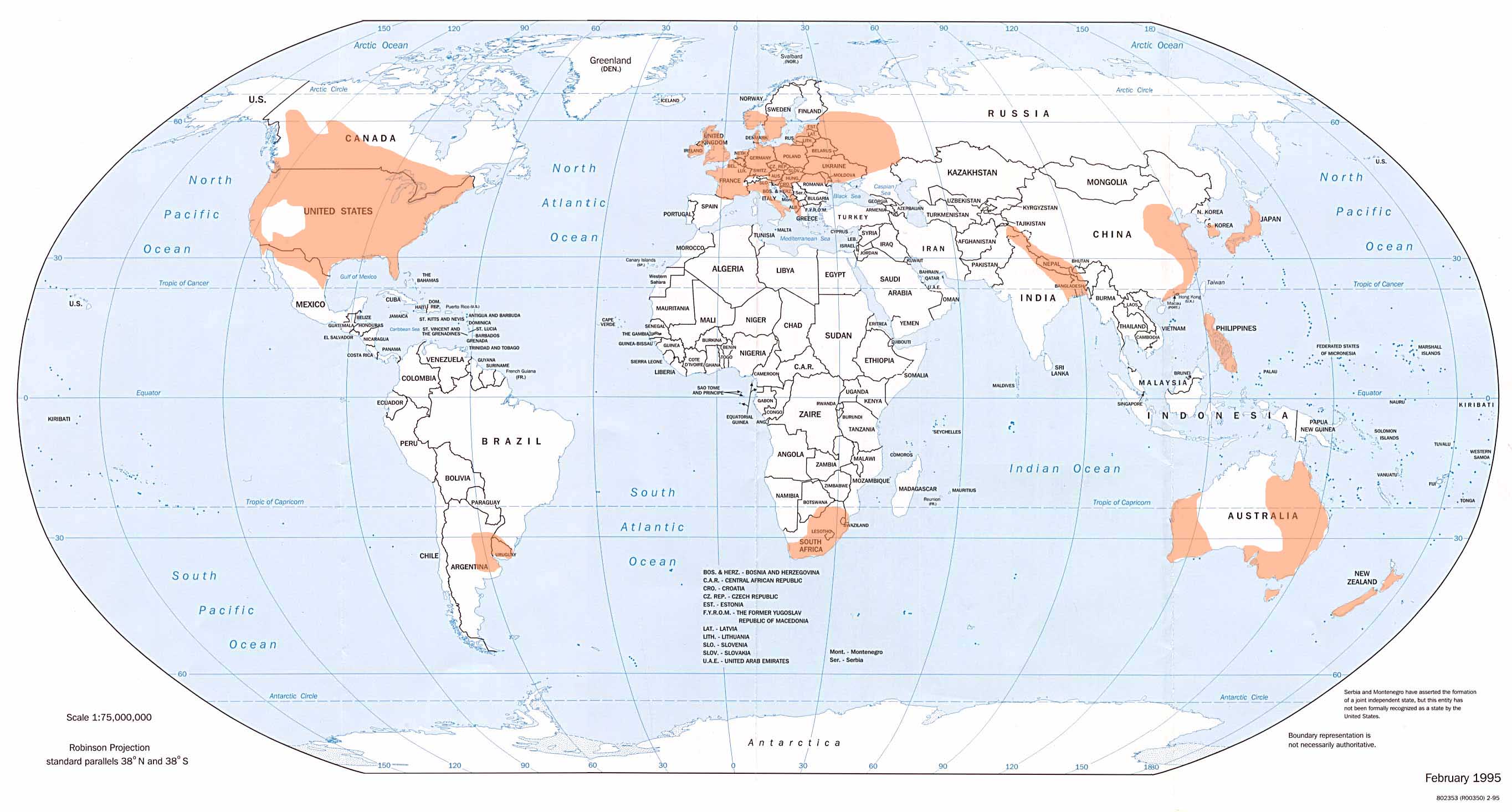
The distribution of tornadoes globally is highly uneven. While almost any country can experience a tornado under the right conditions, a few specific regions account for the vast majority of occurrences. These “hotspots” face a recurring cycle of destruction and reconstruction that shapes their local and national economies.
The United States: A Case Study in Multi-Billion Dollar Annual Losses
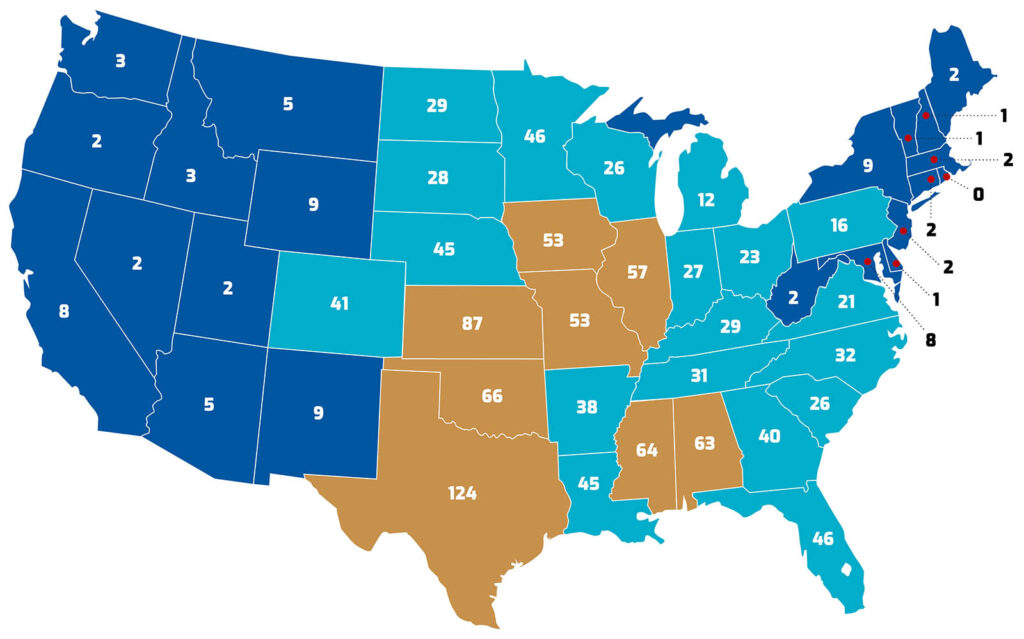
The United States records more tornadoes than any other country, averaging over 1,200 per year. This high frequency is centered in “Tornado Alley”—a corridor stretching through the Great Plains—and “Dixie Alley” in the Southeast. From a financial perspective, the U.S. represents the highest concentration of insured value at risk from windstorms.
In a typical year, severe convective storms, which include tornadoes, contribute to billions of dollars in economic losses. For example, major outbreaks can lead to individual events exceeding $10 billion in damages. These costs are not limited to property destruction; they encompass business interruption, agricultural loss, and the massive public expenditure required for emergency response. For investors and businesses operating in these regions, the “weather premium” is a permanent line item in the budget.
Emerging Hotspots: The Economic Vulnerability of Argentina and Bangladesh
While the U.S. has the highest raw number of tornadoes, countries like Argentina and Bangladesh face disproportionate economic impacts due to lower levels of structural resilience and different financial landscapes.
The “Pampero” region of Argentina and parts of Brazil and Uruguay form the second-most active tornado region in the world. Here, the economic impact is felt most heavily in the agricultural sector—a primary driver of Argentina’s GDP. A single tornado can wipe out thousands of acres of high-value crops, leading to commodity price spikes and export volatility.
In contrast, Bangladesh experiences some of the deadliest tornadoes. Although the frequency is lower than in the U.S., the lack of sophisticated early warning systems and resilient building materials means that a single storm can result in a total loss of local economic productivity. For these nations, the financial challenge lies in the lack of a robust insurance safety net, often requiring international aid or state-funded recovery efforts that deplete national reserves.
The Insurance Paradox: Navigating Risk and Resilience in High-Frequency Zones
The insurance industry is the primary mechanism through which the world manages the financial risk of tornadoes. However, as the frequency and intensity of severe weather events appear to shift, the relationship between risk and coverage is becoming increasingly complex.
Actuarial Challenges: Pricing the Unpredictable
For insurance companies, tornadoes present a unique challenge compared to hurricanes. While a hurricane can be tracked for days, allowing for pre-emptive measures, a tornado forms in minutes and its path is erratic. This unpredictability makes actuarial modeling incredibly difficult.
In high-risk countries, insurers must balance the need for profit with the necessity of affordable premiums. When a region experiences “loss creep”—where the final cost of claims exceeds initial estimates—insurers often respond by raising premiums across the board or withdrawing from certain markets entirely. This creates a “hard market,” where businesses and homeowners find it increasingly expensive to protect their assets, potentially stifling local real estate markets and economic growth.

The Role of Reinsurance in Stabilizing Local Economies
Because local insurers cannot carry the multi-billion dollar risk of a major tornado outbreak alone, they offload much of that risk to global reinsurance companies. This makes the financial health of a tornado-prone town in Oklahoma or a manufacturing hub in Ontario dependent on the global capital markets.
Reinsurance provides the liquidity necessary for rapid reconstruction. Without this global flow of capital, local economies would stagnate for years following a disaster. However, the cost of reinsurance is sensitive to global catastrophe trends. If there is a major earthquake in Japan or a flood in Europe, the price of “wind” insurance in the United States may rise, illustrating the interconnectedness of global disaster finance.
Investing in the Storm: The Business of Disaster Mitigation and Recovery
Where there is significant risk, there is also a burgeoning market for mitigation and recovery services. The “disaster economy” has become a sophisticated sector involving specialized construction, advanced materials, and private equity investment.
The Construction Boom: Innovation in Resilient Infrastructure
One of the most direct economic responses to frequent tornadoes is the evolution of building codes and the rise of the “storm-resilient” construction industry. In countries like the U.S. and Canada, there is a growing market for high-performance building materials, such as impact-resistant roofing, reinforced garage doors, and prefabricated safe rooms.
For the construction sector, tornadoes drive a “reconstruction cycle.” While a disaster is a net negative for the economy due to the loss of existing wealth, the subsequent influx of insurance payouts often triggers a localized construction boom. Modern developers are increasingly looking at “resilience as a service,” marketing homes and commercial spaces that are designed to survive EF-4 or EF-5 winds. This shift represents a significant move of capital toward long-term asset protection.
Public vs. Private Funding in Post-Disaster Reconstruction
The financial burden of recovery is often split between private insurance and public tax dollars. In the U.S., organizations like FEMA (Federal Emergency Management Agency) provide a safety net for uninsured losses and infrastructure repair. However, the sustainability of this model is frequently debated in fiscal circles.
Governments are increasingly looking at “disaster bonds” and other innovative financial instruments to transfer risk to the private sector. By issuing catastrophe bonds (Cat Bonds), a government or a large corporation can secure funding that is only paid out if a specific weather event occurs. This allows for immediate liquidity without the need for emergency legislative appropriations, creating a more stable financial environment for long-term urban planning.
Supply Chain Volatility: How Local Tornadoes Impact Global Markets
In an era of globalized trade, the physical destruction caused by a tornado in one country can have financial ripple effects that span the globe. The concentration of manufacturing and agriculture in tornado-prone regions makes supply chain resilience a top priority for multinational corporations.
Agriculture and the Disruptive Power of Severe Weather
Many of the world’s most productive agricultural regions—the U.S. Midwest, the Canadian Prairies, and the Australian “Grain Belt”—are also tornado hotspots. When a tornado cuts through these areas, it doesn’t just destroy crops; it destroys the specialized machinery, storage silos, and transport infrastructure required to get products to market.
The financial result is often “commodity volatility.” A significant storm during the harvest season can cause a spike in futures prices for corn, wheat, or soy. For global food processors and retail investors, understanding the “tornado season” is as much a part of financial forecasting as analyzing quarterly earnings reports.
Manufacturing Logistics: Protecting Industrial Assets in High-Risk Corridors
The automotive and aerospace industries often locate large-scale manufacturing plants in regions with low land costs and high accessibility, such as the American South. Coincidentally, many of these areas are in high-risk tornado zones.
The economic cost of a direct hit on a major manufacturing facility is astronomical. Beyond the physical damage to the plant, the “business interruption” costs—lost production time, missed delivery deadlines, and the potential loss of market share—can exceed the cost of the building itself. To mitigate this, companies are investing heavily in “redundant supply chains,” ensuring that if one facility is incapacitated by a storm, production can be shifted to another location. This strategy, while expensive to implement, is seen as a necessary cost of doing business in high-velocity wind zones.
In conclusion, the question of which countries have the most tornadoes is fundamentally linked to global economics. From the actuarial science of the insurance industry to the “disaster capitalism” of the construction sector, the financial implications of these storms are profound. For stakeholders in the global economy, the goal is to transform the unpredictable nature of the tornado into a quantifiable and manageable financial risk, ensuring that even in the face of nature’s most violent winds, fiscal stability remains intact.
aViewFromTheCave is a participant in the Amazon Services LLC Associates Program, an affiliate advertising program designed to provide a means for sites to earn advertising fees by advertising and linking to Amazon.com. Amazon, the Amazon logo, AmazonSupply, and the AmazonSupply logo are trademarks of Amazon.com, Inc. or its affiliates. As an Amazon Associate we earn affiliate commissions from qualifying purchases.