
The allure of diamonds has captivated humanity for centuries, transcending mere aesthetics to become symbols of wealth, commitment, and status. While their dazzling sparkle is universally recognized, the question of their “color” often evokes a simplistic understanding – clear or perhaps a subtle tint. However, from a financial and investment standpoint, the spectrum of diamond color is far more nuanced and significantly impacts their value. Understanding these nuances is crucial for anyone considering diamonds as an asset, a part of a diversified investment portfolio, or a significant purchase that appreciates over time. This article delves into the financial implications of diamond color, exploring how it influences market value, investment potential, and the strategic decisions involved in acquiring these precious stones.

The Foundation of Value: The 4 Cs and Diamond Color
The diamond industry, like many high-value markets, operates on a system of established grading standards to ensure transparency and consistency in valuation. Foremost among these are the “4 Cs”: Carat (weight), Cut (how well it’s proportioned), Clarity (internal and external imperfections), and Color. While often discussed in conjunction, color plays a uniquely dominant role in determining a diamond’s rarity and, consequently, its financial worth.
The GIA Color Scale: A Financial Benchmark
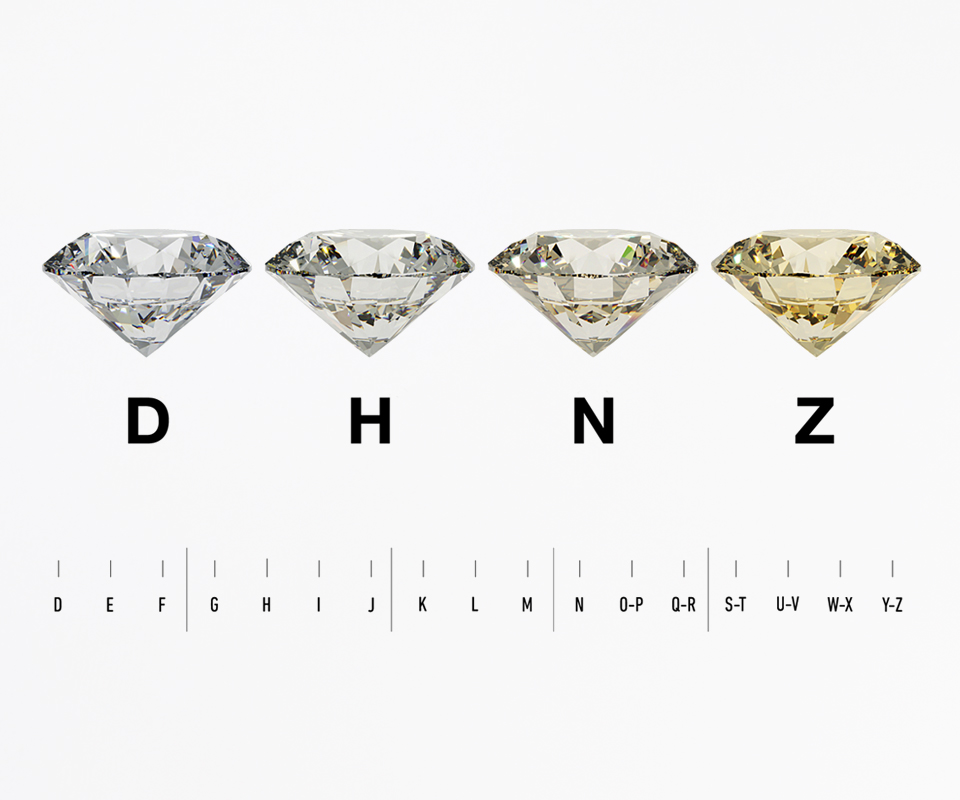
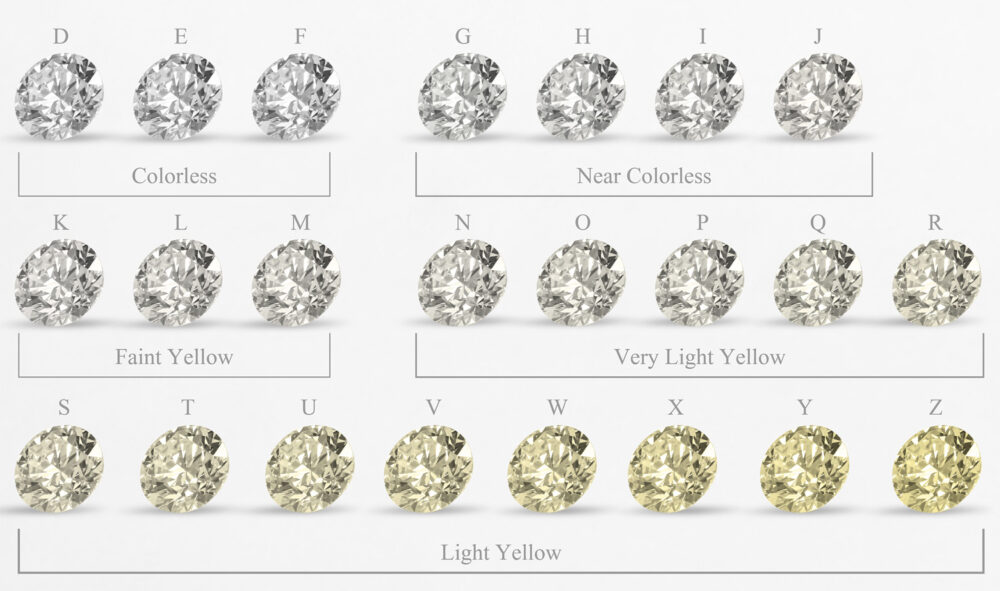
The Gemological Institute of America (GIA) Color Grading Scale is the industry standard, providing a universal language for describing the absence of color in white diamonds. This scale ranges from D (completely colorless) to Z (light yellow or brown). Crucially, each step on this scale represents a quantifiable difference in rarity and market value.
-
D, E, F: The Pinnacle of Rarity and Investment Potential
Diamonds falling into the D, E, and F color grades are exceptionally rare. These stones are virtually indistinguishable from each other to the untrained eye, appearing brilliantly white. From an investment perspective, these grades represent the highest tier of value. Their scarcity, coupled with consistent demand from collectors and high-net-worth individuals, ensures their price premium. A D-grade diamond will command a significantly higher price per carat than a similar diamond graded G or H, even if visually the difference is subtle to a layperson. For investors seeking tangible assets with strong appreciation potential, colorless diamonds are often the primary focus. Their value tends to be more stable and less susceptible to market fluctuations compared to diamonds with more pronounced color. -
G, H, I, J: The “Near Colorless” Sweet Spot for Value and Accessibility
Moving down the scale to G, H, I, and J grades, diamonds are classified as “near colorless.” While still exhibiting excellent whiteness, subtle traces of color can be detected by experienced graders. For a significant portion of the consumer market, these grades offer a compelling balance between visual appeal and financial accessibility. However, from an investment perspective, their value proposition shifts. While still appreciating assets, their growth trajectory might be more moderate than their colorless counterparts. The distinction between a G and an H can be substantial in price, making careful evaluation by a financial advisor or gemologist essential. For savvy investors, identifying “market-grade” diamonds within this range – those that appear colorless to the naked eye but fall into these grades – can offer excellent value, providing a good return on investment without the extreme premium of D, E, and F grades. -
K, L, M: The “Faint Color” Zone and Strategic Diversification
Diamonds in the K, L, and M grades exhibit a noticeable faint color. While they hold value, they are typically purchased for aesthetic preference rather than as primary investment vehicles. The price difference between an J and a K grade can be substantial, reflecting the diminishing rarity. For investors, these grades might be considered for diversification within a broader gemstone portfolio, perhaps as part of a larger collection where aesthetic appeal is also a consideration. However, their liquidity – how easily they can be sold for their perceived value – can be lower than higher grades. Understanding this liquidity factor is paramount when allocating capital to such assets. -
N-Z: The “Light Yellow/Brown” Spectrum and Niche Markets
Diamonds graded N through Z possess a discernible yellow or brown hue. These stones are generally not considered investment-grade in the traditional sense of appreciating white diamonds. Their value is significantly lower due to their abundance and lower aesthetic appeal to the mainstream market. However, a significant exception to this exists in the realm of “fancy color diamonds.”
Beyond White: The Financial Allure of Fancy Color Diamonds
The GIA scale for white diamonds is designed to identify the absence of color. However, diamonds can also possess vibrant, inherent colors like pink, blue, green, or red. These are known as “fancy color diamonds,” and their financial dynamics are entirely different.
- Rarity as the Ultimate Driver: Fancy Colors and Their Premiums
Fancy color diamonds, particularly in shades of red, blue, and pink, are extraordinarily rare – far rarer than even the most colorless white diamonds. This extreme scarcity is the primary driver of their astronomical value. Unlike white diamonds where D is the highest, with fancy colors, the intensity and purity of the hue determine their value. A vivid blue diamond, for instance, can fetch millions of dollars per carat, often outperforming even the most exceptional white diamonds. For ultra-high-net-worth individuals and specialized collectors, fancy color diamonds represent the ultimate investment in precious stones, offering potential for significant capital appreciation.
- Intensity and Hue: Nuances in Fancy Color Valuation
Within fancy colors, the intensity of the color is paramount. Terms like “Fancy Light,” “Fancy,” “Fancy Intense,” “Fancy Vivid,” and “Fancy Deep” describe the saturation of the color. “Vivid” grades, in particular, command the highest premiums due to their intense, pure color. The specific hue also plays a role; a pure blue diamond is generally more valuable than a blue diamond with secondary green tinges. Understanding these subtle distinctions is crucial for anyone involved in trading or acquiring these rare gems. The market for fancy color diamonds is more specialized, requiring expert knowledge and often involving private sales rather than open market transactions.
Strategic Investment in Diamonds: Navigating the Financial Landscape
The decision to invest in diamonds, irrespective of their color, requires a strategic approach grounded in financial principles. It’s not simply about purchasing a pretty stone; it’s about understanding market dynamics, risk assessment, and long-term value preservation.
Due Diligence and Verification: The Cornerstone of Financial Security
Before any significant diamond acquisition, rigorous due diligence is non-negotiable. This involves obtaining a comprehensive grading report from a reputable gemological laboratory, such as the GIA. This report serves as a diamond’s passport, detailing all its characteristics, including its color grade.
-
The Importance of Certification: A Financial Guarantee
A certificate from a recognized grading body provides an independent, unbiased assessment of the diamond’s quality. This document is your primary safeguard against misrepresentation and ensures that you are paying for what you are being offered. Without proper certification, the valuation of a diamond becomes subjective and prone to manipulation, severely diminishing its financial security and potential for future resale. For investors, the certification is as crucial as the title deed for a property. -
Understanding Market Trends and Pricing: Informed Acquisition
The diamond market, like any other commodity, is subject to supply and demand, global economic conditions, and even geopolitical events. Staying informed about market trends, pricing fluctuations, and the historical performance of different diamond grades is essential for making informed investment decisions. Consulting with experienced gemologists and financial advisors who specialize in hard assets can provide invaluable insights into current market conditions and future outlooks. This proactive approach helps in acquiring diamonds at the right price point and understanding their potential for appreciation.
Diversification and Portfolio Allocation: Diamonds as a Tangible Asset
Diamonds, particularly those of high quality and rare color, can serve as a valuable component of a diversified investment portfolio. Their tangible nature, intrinsic value, and potential for capital appreciation can offer a hedge against inflation and economic uncertainty.
-
Diamonds vs. Other Assets: A Comparative Financial Analysis
When considering diamonds as an investment, it’s important to compare their performance and risk profile against other asset classes such as stocks, bonds, real estate, and precious metals. While diamonds may not offer the same liquidity as publicly traded securities, their value is not directly correlated with market fluctuations in other sectors. They can act as a store of value, preserving wealth over the long term. However, it’s crucial to understand that diamonds are not typically high-yield investments; their returns are generally derived from capital appreciation rather than income generation. -
Liquidity and Resale Considerations: Planning for the Exit
One of the primary considerations for any investment is liquidity – the ease with which an asset can be converted into cash. While high-quality diamonds have a global market, selling them can be a more complex and time-consuming process than selling stocks or bonds. The resale value of a diamond is heavily influenced by its grading, market demand at the time of sale, and the presence of a certified report. Investors must factor in potential transaction costs, including dealer markups and potential appraisal fees, when planning their exit strategy. Understanding the resale market and potential buyers is a critical aspect of diamond investment.
Conclusion: The Color of Opportunity in the Diamond Market
The color of a diamond is far more than an aesthetic attribute; it is a fundamental determinant of its rarity, desirability, and ultimately, its financial value. From the unparalleled rarity and investment potential of colorless diamonds to the astonishing premiums commanded by vibrant fancy colors, each hue on the diamond spectrum presents a unique financial proposition. For investors, understanding the GIA color scale, the nuances of fancy color grading, and the critical importance of certification is paramount. Diamonds, when acquired strategically and with a clear understanding of their market dynamics, can represent a significant and enduring asset class, offering a tangible hedge against economic volatility and the potential for substantial capital appreciation. By approaching the diamond market with knowledge, due diligence, and a long-term financial perspective, one can truly unlock the color of opportunity within these timeless gems.
aViewFromTheCave is a participant in the Amazon Services LLC Associates Program, an affiliate advertising program designed to provide a means for sites to earn advertising fees by advertising and linking to Amazon.com. Amazon, the Amazon logo, AmazonSupply, and the AmazonSupply logo are trademarks of Amazon.com, Inc. or its affiliates. As an Amazon Associate we earn affiliate commissions from qualifying purchases.