
In the global marketplace of consumer goods, few entities have managed to transcend their original purpose as successfully as the Jordan Brand. What began in 1984 as a performance basketball line for a promising rookie has evolved into a multi-billion-dollar cultural juggernaut. When consumers ask, “What are the newest Jordans?” they are rarely just looking for a pair of shoes for the gym. They are participating in a sophisticated ecosystem of brand storytelling, artificial scarcity, and status signaling.
The “newness” of a Jordan release is not merely a matter of a manufacturing date; it is a calculated event within a broader brand strategy. This article explores how the Jordan Brand maintains its pole position in the footwear industry by masterfully blending its historical legacy with modern marketing maneuvers.

The Architecture of Hype: How Jordan Brand Maintains Market Dominance
The primary reason the search for the newest Jordan releases remains a perennial trend is the brand’s mastery of the “Hype Cycle.” Unlike traditional retail models that aim to satisfy every customer’s demand immediately, the Jordan Brand—under the umbrella of Nike, Inc.—utilizes a strategy of controlled supply to ensure that demand always outstrips availability.
Scarcity and the “Drop” Culture
At the heart of the Jordan Brand’s success is the concept of the “drop.” By releasing the newest silhouettes and colorways in limited quantities at specific intervals, the brand creates a sense of urgency. This scarcity transforms a functional commodity into a Veblen good—a product for which demand increases as the price (or difficulty of acquisition) rises.
This strategy is facilitated through digital platforms like the SNKRS app, which gamifies the purchasing process. By turning a transaction into a “win,” the brand reinforces a deep emotional connection with the consumer. The newest Jordans are not just bought; they are earned, creating a tier of brand advocates who value the product as much for its exclusivity as for its design.
The Psychology of the Retro Release
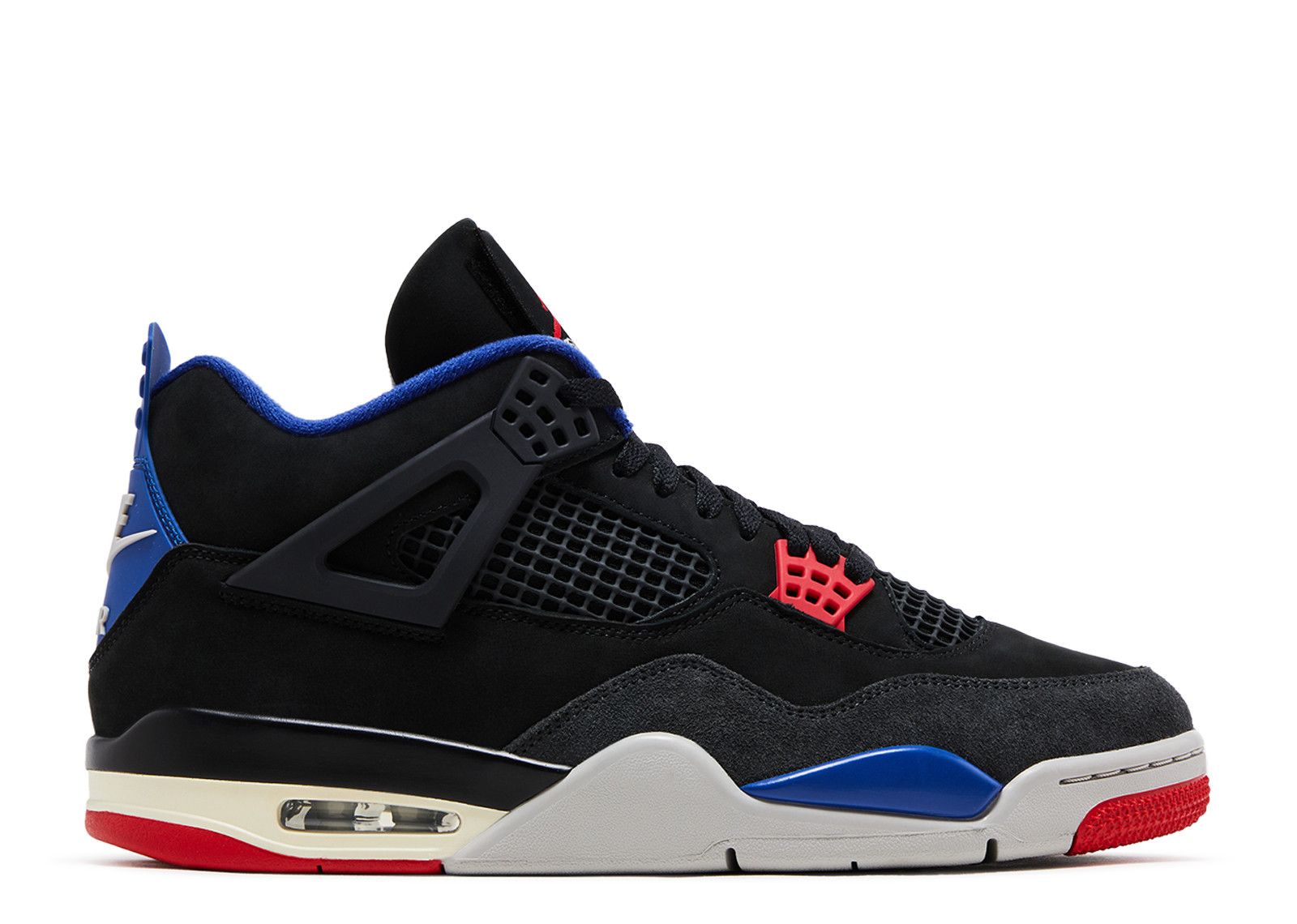
Interestingly, the “newest” Jordans are often decades-old designs repackaged for a modern audience. This is the “Retro” strategy. By re-releasing classic models like the Air Jordan 1, 3, or 11 in new colorways (known as “ways”) or original specifications (“OG”), the brand taps into a powerful sense of nostalgia while remaining fresh.
This cycle allows the brand to maintain a permanent presence in the cultural conversation. Each “new” release serves as a refresher course in the brand’s history, ensuring that younger generations remain tethered to the 1980s and 90s era of Michael Jordan’s dominance, even if they never saw him play live.
Narrative-Driven Marketing: Storytelling as a Product Feature
In the contemporary branding landscape, features and benefits are no longer enough to sustain a premium price point. Jordan Brand understands that it is not selling leather and rubber; it is selling a narrative. Every “new” release is accompanied by a story that adds layers of intangible value to the physical product.
Leveraging the Legacy of Michael Jordan
The brand’s foundation is the mythos of Michael Jordan himself. Every new design element or color palette usually references a specific moment in Jordan’s career—the “Flu Game,” the “Shot over Ehlo,” or his time playing minor league baseball. By embedding these historical “easter eggs” into the newest Jordans, the brand turns consumers into historians and collectors.
This narrative-driven approach ensures that the brand remains personal. Consumers feel they are owning a piece of a legendary legacy rather than just a mass-produced sneaker. This emotional resonance is a moat that competitors find nearly impossible to cross.
Collaboration as Brand Extension
To stay relevant among the “new” and “next,” Jordan Brand frequently collaborates with external cultural icons. Whether it is high-fashion houses like Dior, streetwear pioneers like Virgil Abloh’s Off-White, or musical titans like Travis Scott, these collaborations serve to cross-pollinate the brand’s identity with other luxury and lifestyle sectors.
When a new collaboration is announced, it recontextualizes what a “Jordan” can be. It moves the brand away from the hardwood of the basketball court and onto the runways of Paris and the stages of Coachella. These partnerships are strategic brand extensions that allow Jordan to capture the “Newest” title in fashion circles that might otherwise overlook a sports brand.
Expanding the Identity: Moving Beyond the Basketball Court
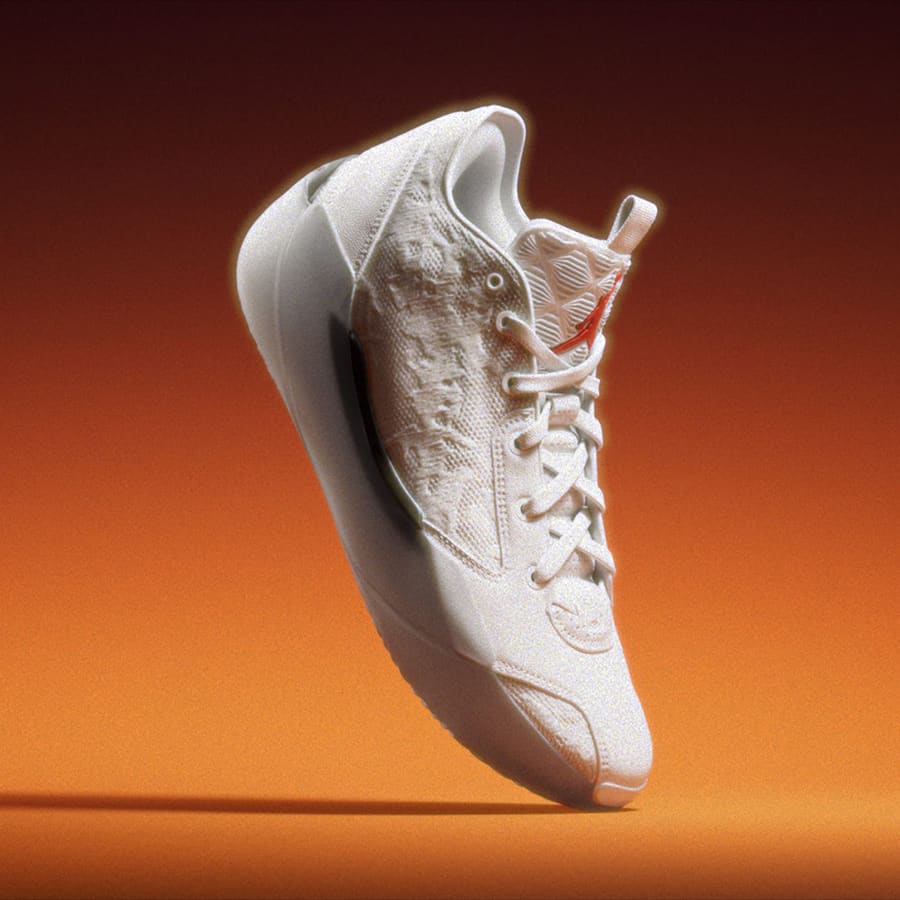
A key pillar of the Jordan Brand’s long-term strategy is diversification. While the “newest Jordans” were once exclusively for basketball players, the brand has successfully pivoted to become a comprehensive lifestyle and performance powerhouse.
The Lifestyle Pivot and Fashion Integration
The transition from performance gear to lifestyle staple is perhaps the brand’s greatest achievement. The newest Jordan releases are now designed with “streetwear” in mind. This involves utilizing premium materials like cracked leather, suede, and even Gore-Tex to make the shoes suitable for everyday fashion.
By positioning itself as a lifestyle brand, Jordan has expanded its Total Addressable Market (TAM) significantly. The newest Jordans are as likely to be seen under a suit at a creative agency as they are on a basketball court. This versatility ensures the brand’s longevity, as it is no longer dependent solely on the popularity of basketball as a sport.
Global Positioning and the Women’s Market
In recent years, the “newest Jordans” have seen a significant strategic shift toward the female consumer. Historically, the sneaker world was male-centric, but Jordan Brand has recognized the massive growth potential in women’s lifestyle and performance footwear.
By creating women-exclusive colorways and collaborating with female designers and athletes, the brand is broadening its cultural footprint. Furthermore, global partnerships—such as the one with the French football club Paris Saint-Germain (PSG)—showcase a “new” Jordan Brand that is global, multi-sport, and synonymous with “cool” across different continents and cultures.
The Future of the Silhouette: Innovation vs. Heritage
One of the most difficult balancing acts for any heritage brand is the tension between honoring the past and innovating for the future. For Jordan Brand, this means managing the expectations of “purists” who love the classics while pushing the envelope with the “newest” performance technology.
Balancing Performance Models with Classic Esthetics
While the Retro line generates the most headlines in the lifestyle space, the brand continues to release the flagship Air Jordan performance model annually (currently moving toward the Air Jordan 39 and beyond). These are the “newest” Jordans in the literal sense of technological advancement.
The brand uses these models to showcase the pinnacle of Nike’s flight technology—Zoom Air, Flight Plate, and innovative traction patterns. The strategic genius lies in how the brand bridges the gap: often, the newest performance model will feature subtle design cues from a classic model (e.g., the Air Jordan 38 taking inspiration from the Air Jordan 8). This maintains a cohesive brand DNA across decades of innovation.
Digital Brand Strategy and the Sneakerhead Community
The “newest” Jordans are now launched in a digital-first environment. The brand’s strategy involves heavy utilization of social media, influencer seeding, and community engagement. By fostering a “Sneakerhead” community, the brand allows its consumers to do the marketing for them.
The discourse surrounding “what are the newest Jordans” happens in real-time on platforms like Discord, Reddit, and Instagram. This organic buzz is a testament to the brand’s strength; it has created an ecosystem where the consumers are perpetually looking forward to the next release, ensuring the brand never becomes “old” despite its forty-year history.
Conclusion: The Perpetual Engine of Newness
The question of “what are the newest Jordans” is a gateway into one of the most successful branding case studies in history. Through the strategic use of scarcity, the power of narrative storytelling, and an aggressive expansion into lifestyle and global markets, Jordan Brand has mastered the art of staying “new.”
By constantly reinventing its past and meticulously Curating its future, the brand ensures that the Jumpman logo remains a symbol of excellence, aspiration, and cultural relevance. As long as the brand can continue to balance its rich heritage with cutting-edge marketing and design, the newest Jordans will always be the most coveted items in the world of retail.
aViewFromTheCave is a participant in the Amazon Services LLC Associates Program, an affiliate advertising program designed to provide a means for sites to earn advertising fees by advertising and linking to Amazon.com. Amazon, the Amazon logo, AmazonSupply, and the AmazonSupply logo are trademarks of Amazon.com, Inc. or its affiliates. As an Amazon Associate we earn affiliate commissions from qualifying purchases.