
For decades, the term “DSLR” has been synonymous with professional photography. Whether you are looking at a journalist on a sidelines of a football game or a wedding photographer capturing a couple’s first dance, the bulky, black, clicking machine they are holding is likely a DSLR. But as technology advances and smartphone cameras become increasingly sophisticated, the definition and relevance of the Digital Single-Lens Reflex (DSLR) camera are often questioned.
To understand a DSLR, one must look beyond its external appearance and dive into the sophisticated internal engineering that combines 19th-century optical physics with 21st-century digital processing. In the world of technology and gadgets, the DSLR represents a pivotal bridge between the analog past and the high-tech future.
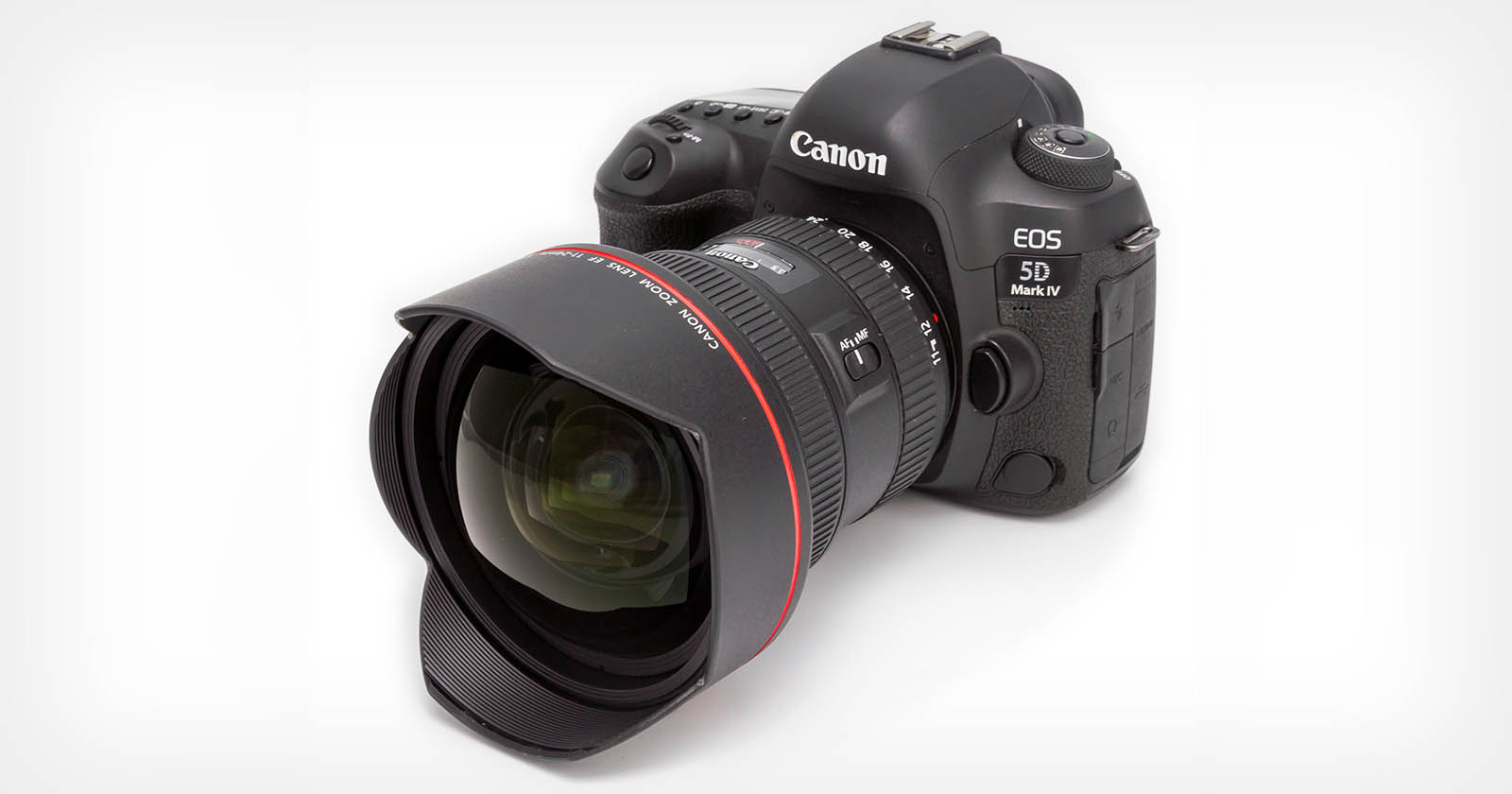
Understanding the Mechanism: How a DSLR Works
The acronym DSLR stands for Digital Single-Lens Reflex. To grasp what makes this tech unique, we need to break down its mechanical “reflex” design, which separates it from point-and-shoot cameras and the newer mirrorless systems.
The Mirror and Prism System
The “Reflex” in DSLR refers to the reflection of light. When you look through the viewfinder of a DSLR, you are seeing an actual optical reflection of the scene in front of you, not a digital screen. This is made possible by a mirror situated inside the camera body at a 45-degree angle.
Light enters through the lens and hits this mirror. The mirror reflects the light upward into a pentaprism (or pentamirror in entry-level models). This prism flips the light so that it appears upright and correctly oriented when it reaches the optical viewfinder (OVF). When you press the shutter button, the mirror flips up instantaneously, allowing the light to bypass the viewfinder and strike the digital sensor instead. This “flip” is what creates the iconic “click” sound associated with high-end photography.
From Light to Digital Data: The Image Sensor
Once the mirror flips up and the shutter opens, the light hits the image sensor. In a DSLR, this sensor is the equivalent of the film in an old-school camera. The sensor is composed of millions of photosites (pixels) that capture light and convert it into electrical signals.
These signals are then processed by the camera’s internal computer—the image processor (such as Canon’s DIGIC or Nikon’s EXPEED). The processor handles noise reduction, color balancing, and sharpening before saving the data as a file (JPEG or RAW) onto a memory card. The sophistication of these sensors, particularly in their ability to handle low light through high ISO settings, is a hallmark of DSLR technology.
Key Features and Components of a DSLR
The tech-heavy nature of a DSLR is what provides users with a level of control that smartphones simply cannot replicate. From the hardware to the software interface, every component is designed for precision.
Interchangeable Lenses: The Power of Optical Versatility
One of the primary technological advantages of a DSLR is the ability to swap lenses. Unlike a fixed-lens camera, a DSLR allows the user to attach different glass elements optimized for specific tasks.
- Wide-angle lenses: Used for landscapes and architecture.
- Telephoto lenses: Used for sports and wildlife, allowing for incredible magnification.
- Macro lenses: Designed for extreme close-ups of tiny subjects like insects.
- Prime lenses: Lenses with a fixed focal length that offer superior sharpness and wide apertures for a shallow depth of field (the “bokeh” effect).
The “mount” is the physical interface between the lens and the body, and it includes electronic pins that allow the camera body to communicate with the lens’s internal motors for autofocus and aperture control.
Manual Controls and Ergonomics
A DSLR is designed for “power users.” While they all feature an “Auto” mode, their true value lies in the manual control of the “Exposure Triangle”: Aperture, Shutter Speed, and ISO.
The physical design of a DSLR—its ergonomics—includes dedicated dials and buttons for these settings. This allow a photographer to make split-second adjustments without digging through digital menus. This tactile feedback is a significant tech advantage for professionals who need to react to changing light conditions instantly.
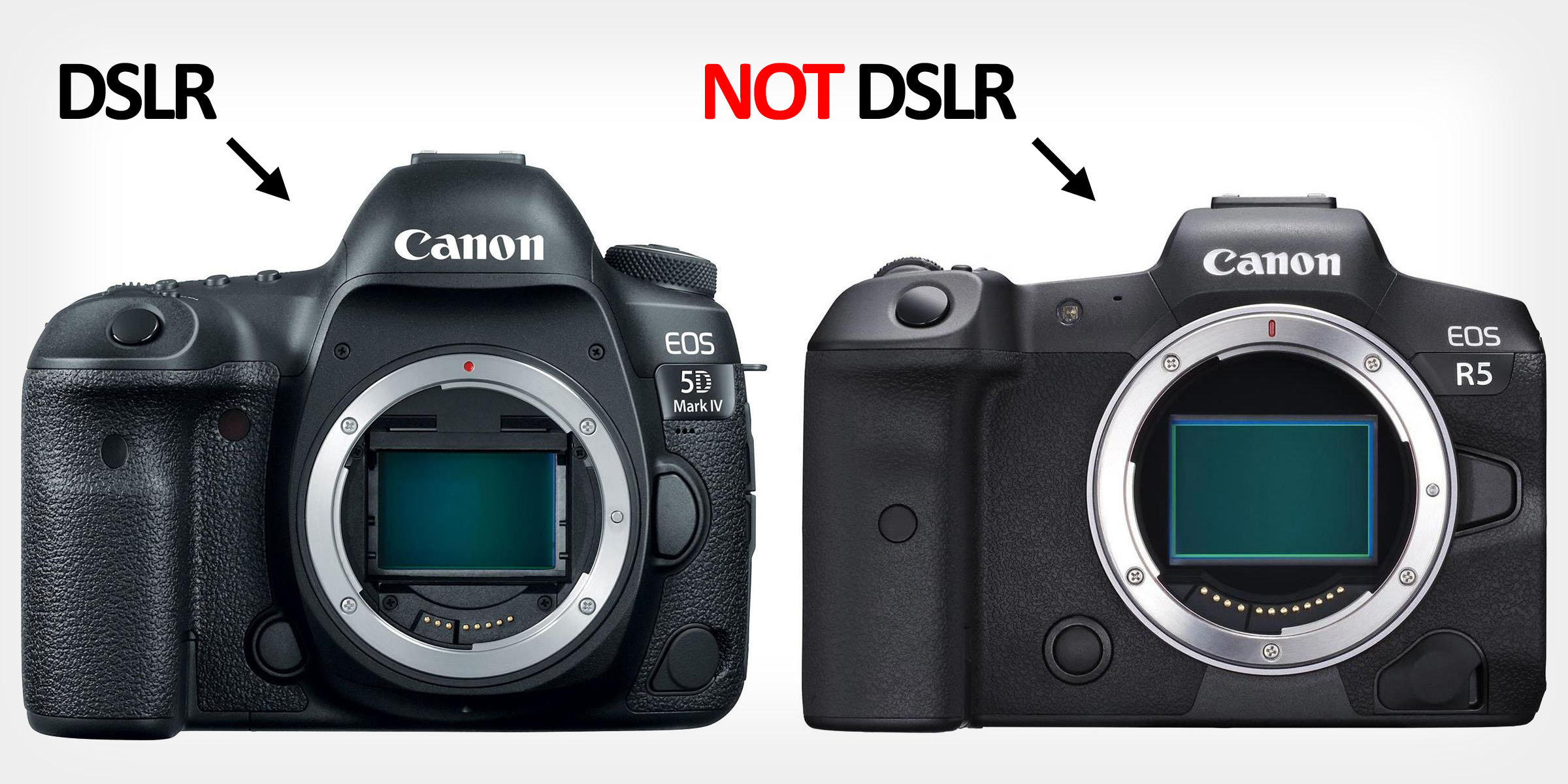
Optical vs. Electronic Viewfinders
While many modern gadgets rely on LCD screens, the DSLR’s optical viewfinder (OVF) remains a favorite for many. Because it is a mirror-based system, there is zero lag. You are seeing the world at the speed of light. In contrast, digital viewfinders can sometimes experience “ghosting” or lag during fast motion. However, the trade-off is that an OVF cannot show you exactly how your final exposure will look (the “live preview”), which is a feature reserved for the rear LCD screen or mirrorless viewfinders.
DSLR vs. Mirrorless and Smartphones: Where Does it Stand Today?
In the current tech landscape, the DSLR is facing stiff competition from two sides: the extreme portability of smartphones and the high-tech innovation of mirrorless cameras.
The Mirrorless Transition: Speed and Portability
The biggest trend in photography tech over the last five years has been the shift toward mirrorless cameras. As the name suggests, these cameras remove the mirror and pentaprism system. By doing so, manufacturers can make the camera bodies much smaller and lighter.
Mirrorless cameras use an Electronic Viewfinder (EVF), which is essentially a tiny, high-resolution screen. The advantage here is “What You See Is What You Get.” If your image is too dark, the EVF shows it as dark before you even take the photo. Furthermore, because there is no mechanical mirror moving up and down, mirrorless cameras can often achieve higher burst rates (frames per second) and more advanced AI-driven autofocus.
Why Professionals Still Choose DSLRs
Despite the mirrorless revolution, DSLRs haven’t disappeared. There are several technological and practical reasons for their persistence:
- Battery Life: Because an optical viewfinder doesn’t require power, a DSLR can often take thousands of photos on a single charge. Mirrorless cameras, which must power a screen or EVF constantly, usually have much shorter battery lives.
- Durability: High-end DSLRs are built like tanks. They feature weather-sealing and magnesium alloy frames that can withstand extreme environments, from rainforests to deserts.
- Lens Ecosystems: Because DSLRs have been around for decades, there is a massive secondary market for high-quality lenses. A photographer can find a world-class lens from 15 years ago that still works perfectly on a modern DSLR body.
Choosing Your First DSLR: Factors to Consider
If you are looking to move beyond smartphone photography and enter the DSLR world, you need to understand the technical specs that differentiate various models.
Sensor Size: Full-Frame vs. APS-C
The “size” of the sensor is the most critical spec in any digital camera.
- Full-Frame: These sensors are the same size as a 35mm frame of film. They offer the best low-light performance and the widest dynamic range but are more expensive and require larger lenses.
- APS-C (Crop Sensor): These sensors are smaller. This results in a “crop factor,” meaning your lenses will appear more zoomed in than they actually are. APS-C cameras are more affordable and compact, making them ideal for hobbyists and travel.
Autofocus Systems and Video Capabilities
Modern DSLRs are not just for stills; they are powerful video tools. When reviewing tech specs, look at the number of “autofocus points.” A camera with 45 cross-type AF points will track a moving subject much better than a camera with only 9 points.
Additionally, check the video resolution. While 1080p (Full HD) was the standard for years, most modern tech consumers look for 4K capabilities. Some high-end DSLRs also offer “Dual Pixel Autofocus,” a technology that allows the camera to focus smoothly and quickly while recording video, mimicking the way the human eye adjusts.
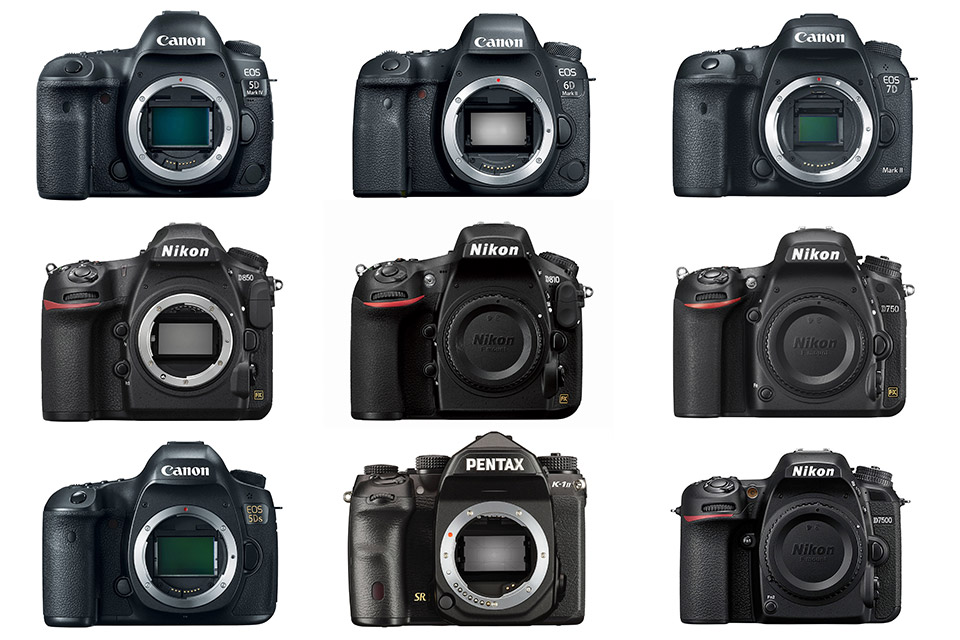
The Future of DSLR Technology in a Digital-First World
As we look toward the future, the DSLR is transitioning from the “standard” to a “specialized” tool. While giants like Canon and Nikon have shifted much of their R&D (Research and Development) budget toward mirrorless systems, the DSLR remains a pinnacle of optical engineering.
The integration of AI is the next frontier. We are seeing DSLR processors that can recognize faces, eyes, and even animals to lock focus instantly. We are seeing wireless connectivity (Wi-Fi and Bluetooth) becoming standard, allowing photographers to beam high-res images to a smartphone for instant social media sharing.
In conclusion, a DSLR is more than just a camera; it is a sophisticated optical-digital hybrid. It offers a level of tactile control, battery reliability, and optical clarity that remains unmatched by many modern alternatives. Whether you are a tech enthusiast or a budding artist, understanding the mechanics of the DSLR is the first step toward mastering the art of capturing light. While the “mirrorless” age is here, the DSLR remains a robust, reliable, and highly capable gadget for anyone serious about the technology of imaging.
aViewFromTheCave is a participant in the Amazon Services LLC Associates Program, an affiliate advertising program designed to provide a means for sites to earn advertising fees by advertising and linking to Amazon.com. Amazon, the Amazon logo, AmazonSupply, and the AmazonSupply logo are trademarks of Amazon.com, Inc. or its affiliates. As an Amazon Associate we earn affiliate commissions from qualifying purchases.