
When prospective owners search for the “largest dog breed,” they are often met with images of majestic English Mastiffs, towering Irish Wolfhounds, and elegant Great Danes. However, from a financial perspective, the “largest” breed represents much more than physical dimensions; it represents one of the most significant long-term financial commitments a household can undertake. In the world of personal finance and luxury assets, a giant breed dog is a high-maintenance investment that requires meticulous budgeting, risk management, and a deep understanding of the economics of scale.
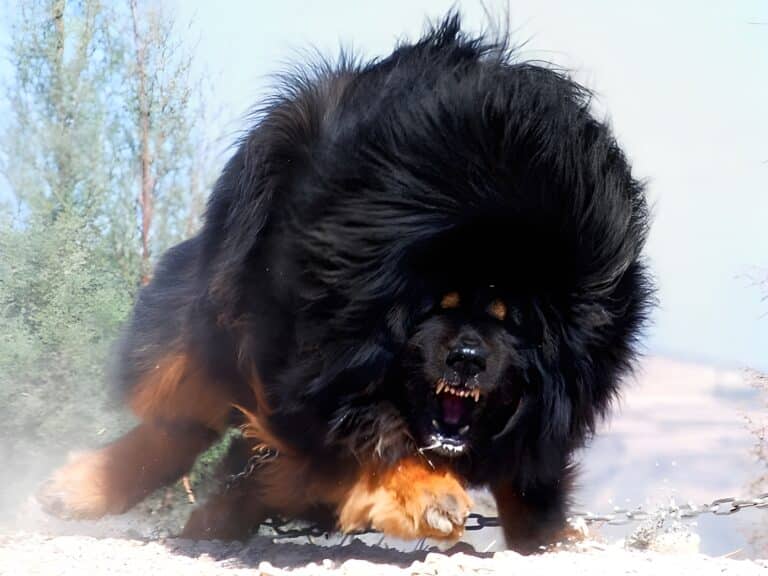
This article analyzes the financial landscape of owning the world’s largest canine breeds, treating the acquisition and maintenance of these animals as a complex budgetary challenge.
The Economics of Scale: Why Size is a Primary Financial Factor
In finance, “economies of scale” usually refers to the cost advantages that enterprises obtain due to their scale of operation. In the pet industry, however, the inverse is often true. As the size of the animal increases, the costs do not just grow linearly—they compound.
The Initial Capital Investment: Purchasing Pedigree
The “largest” dog breeds often come with some of the largest price tags. A purebred English Mastiff or a Tibetan Mastiff from a reputable breeder is not merely a pet; it is a high-value asset. Prices for these breeds can range from $2,500 to over $10,000 depending on lineage and “show-quality” traits. This initial capital expenditure is the first barrier to entry. Unlike smaller breeds, which are more readily available, the supply of giant breeds is often constrained by the biological complexities of breeding larger animals, keeping market prices high and demand consistent among a specific demographic of high-net-worth enthusiasts.
Supply and Demand in the Giant Breed Market
The market for giant breeds is niche. Because these dogs require significant space and resources, the pool of potential owners is smaller than that of “apartment-friendly” breeds. This creates a unique market dynamic where breeders must charge a premium to cover their own high overhead costs, including genetic screening for heart and bone issues—common “defects” in large-scale biological assets. For the buyer, this means that “saving money” on the initial purchase is often a poor financial strategy that leads to higher “repair costs” (veterinary bills) later in the asset’s lifecycle.
Operational Expenses: The Daily Maintenance of a Giant
Maintaining a giant breed requires a substantial monthly cash flow. When we look at the operational expenses, the two largest line items are nutrition and preventative healthcare.
Nutritional Overhead: The Astronomical Food Budget
While a Chihuahua might consume $20 worth of high-quality kibble a month, a Great Dane or a Saint Bernard can easily consume $150 to $300 worth of specialized, calorie-dense nutrition in the same period. Over a ten-year lifespan, the nutritional overhead alone can exceed $25,000. For a savvy financial planner, this must be viewed as a fixed recurring cost. Giant breeds also require specific formulations to manage their growth rates; if they grow too quickly, their skeletal structure can fail, leading to catastrophic financial and physical consequences. Therefore, opting for “budget” food is often a false economy that increases the risk of expensive medical interventions.
Medical Contingencies and Veterinary Inflation
Medical costs for the largest dog breeds are significantly higher than for standard breeds for a simple reason: dosage. Almost all veterinary medications—from anesthesia to flea prevention—are priced by weight. A 200-pound Mastiff requires four times the medication of a 50-pound Retriever. Furthermore, giant breeds are prone to specific high-cost conditions such as Gastric Dilatation-Volvulus (GDV) or “bloat,” and hip dysplasia. A single emergency surgery for bloat can cost upwards of $5,000 to $8,000. Without a dedicated sinking fund or comprehensive insurance, these “maintenance spikes” can derail a personal budget.
Insurance and Risk Management for High-Value Canines
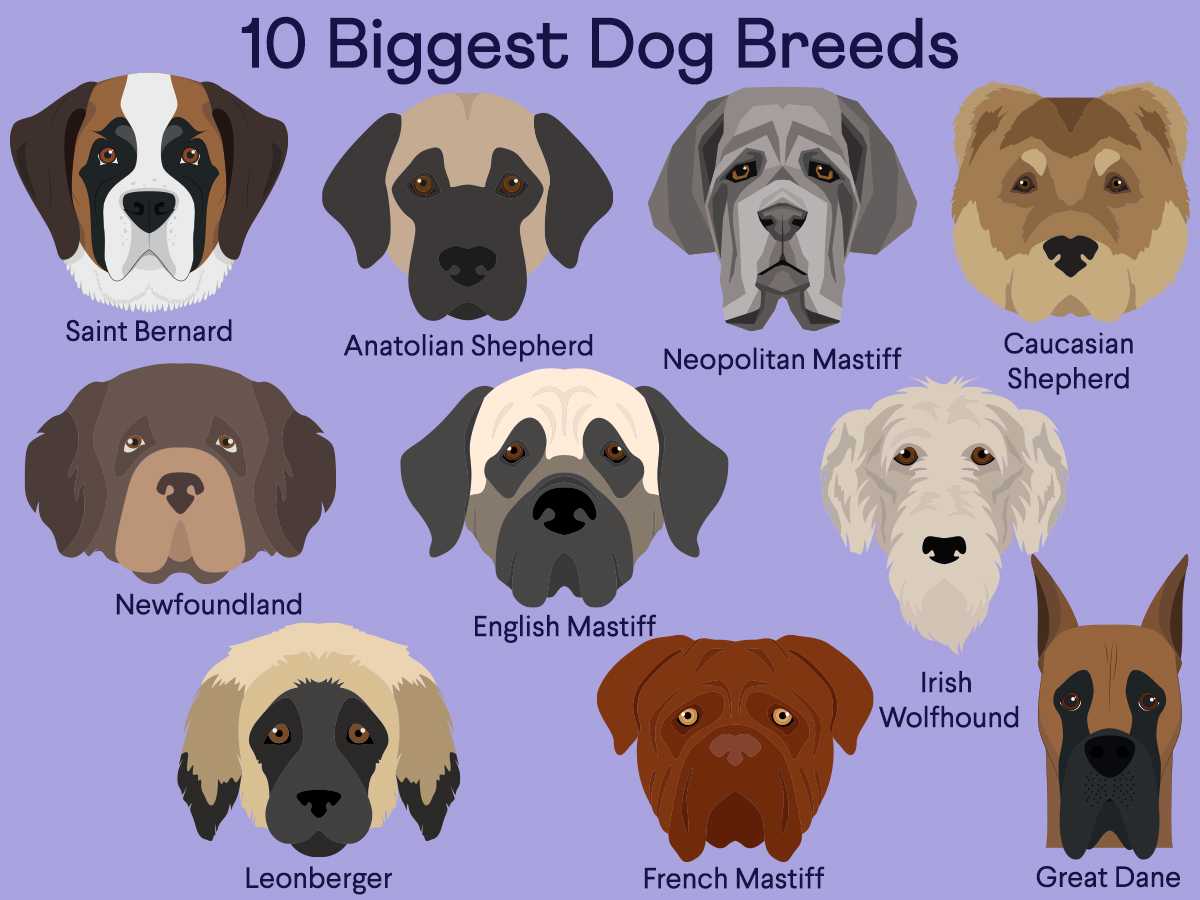
In any high-stakes investment, risk mitigation is essential. For owners of the world’s largest dog breeds, insurance is not an optional luxury; it is a critical component of a responsible financial plan.
Navigating the Premium Landscape for Giant Breeds
Insurance companies are data-driven entities. They are well aware that the “largest” breeds carry the highest risks for orthopedic issues and heart conditions. Consequently, premiums for a Great Dane or an Irish Wolfhound are significantly higher than for smaller breeds. A professional financial approach involves shopping for policies that offer “hereditary condition” coverage. While the monthly premium might be $100 or more, the protection against a $10,000 orthopedic surgery provides a necessary hedge against financial volatility.
Liability Risks: The Financial Weight of a 200-Pound Asset
Beyond medical insurance, one must consider liability. From a legal and financial standpoint, a dog that weighs as much as an adult human is a potential liability. While most giant breeds are known for their “gentle giant” temperament, an accidental knock-over of a guest or a defensive reaction can lead to significant legal claims. Owners should review their homeowner’s insurance policies to ensure that their specific breed is not excluded from liability coverage. In some cases, an additional umbrella policy may be required to protect the owner’s personal wealth from potential litigation.
The Long-Term ROI: Emotional Value vs. Depreciation
In financial terms, a dog is often considered a “depreciating asset” because they have a finite lifespan and their health generally declines over time. However, for many, the return on investment (ROI) is measured in utility and emotional well-being, which can have indirect financial benefits, such as reduced stress and improved health for the owner.
The Lifespan Conundrum: Amortizing the Investment
One of the most sobering financial realities of the largest dog breeds is their relatively short lifespan. Breeds like the Irish Wolfhound or Bernese Mountain Dog may only live 6 to 8 years. When you amortize the initial purchase price and the high cost of maintenance over such a short period, the “cost per year” of ownership is staggering. For example, a $3,000 dog with $4,000 in annual expenses over 7 years results in a total cost of $31,000, or roughly $4,400 per year. Potential owners must decide if the “utility” of the breed justifies this high annual burn rate.
Legacy and Breeding: Turning a Passion into a Revenue Stream
Some owners look to offset costs by entering the business side of the pet industry. Breeding high-quality, health-tested giant dogs can be a profitable side hustle, but it requires significant capital and carries high risk. Professional breeding involves costs for showing the dog (to prove its value), genetic testing, and potential emergency C-sections. While a litter of Mastiff puppies can gross $20,000, the “net profit” after expenses and labor is often lower than it appears, making it more of a professionalized hobby than a reliable passive income stream.
Financial Planning for the Aspiring Giant Breed Owner
To successfully manage the largest dog breed without compromising your financial future, a structured approach is required.
Emergency Fund Allocation
Standard financial advice suggests an emergency fund of 3–6 months of living expenses. A giant breed owner should add a “canine contingency” to this fund. Having $5,000 liquid specifically for veterinary emergencies ensures that life-or-death decisions are not made based on bank balance. This fund should be kept in a high-yield savings account to maintain liquidity while earning a modest return.

Sustainable Budgeting for Large-Scale Ownership
Before searching for the largest dog breed, perform a “stress test” on your monthly budget. Can you afford an extra $400 a month in perpetuity without sacrificing your retirement contributions (401k/IRA) or high-interest debt payments? If the answer is no, the “largest” breed may be a threat to your long-term financial independence.
In conclusion, while the title of “largest dog breed” carries a sense of awe and prestige, it also carries a heavy financial burden. From the Mastiff to the Great Dane, these animals are the “luxury real estate” of the canine world—beautiful to behold, impressive in scale, but demanding of a sophisticated and disciplined financial strategy. For those who can manage the overhead, the investment provides a unique and rewarding companionship that, while expensive, is considered by many to be priceless.
aViewFromTheCave is a participant in the Amazon Services LLC Associates Program, an affiliate advertising program designed to provide a means for sites to earn advertising fees by advertising and linking to Amazon.com. Amazon, the Amazon logo, AmazonSupply, and the AmazonSupply logo are trademarks of Amazon.com, Inc. or its affiliates. As an Amazon Associate we earn affiliate commissions from qualifying purchases.