
In an age defined by data and digital solutions, understanding and managing our dietary energy consumption has become more accessible and precise than ever before. Gone are the days of manual food diaries and cumbersome nutritional lookup tables; modern technology offers a suite of powerful tools to help individuals accurately calculate their calorie intake, empowering them to make informed decisions about their health and fitness goals. This article delves into the technological landscape that underpins effective calorie management, exploring the apps, gadgets, and AI tools that have revolutionized how we approach our daily nutrition.
The Digital Evolution of Calorie Tracking
The journey of calorie tracking has undergone a remarkable transformation, evolving from rudimentary methods to sophisticated digital ecosystems. Understanding this evolution helps appreciate the power and convenience modern technology brings to personal nutrition.
From Pen and Paper to Pixels: A Brief History
Historically, calculating calorie intake was a meticulous and often tedious process. It involved manually recording every food item consumed, estimating portion sizes, and then cross-referencing these items with nutritional databases, typically found in printed books or charts. This method, while functional, was prone to inaccuracies, time-consuming, and lacked the dynamic feedback necessary for effective dietary adjustments.
The advent of personal computers and the internet marked the first significant shift. Early online databases provided a digital alternative to printed charts, making nutritional information more readily available. However, true convenience emerged with the rise of smartphones and the subsequent explosion of mobile applications. These apps integrated vast food databases, intuitive input methods, and automated calculation engines, transforming calorie tracking from a chore into an increasingly seamless part of daily life. Today, wearable technology further automates aspects of energy expenditure, providing a holistic view of energy balance directly on our wrists.
The Fundamental Formulas: BMR and TDEE (and How Tech Automates Them)
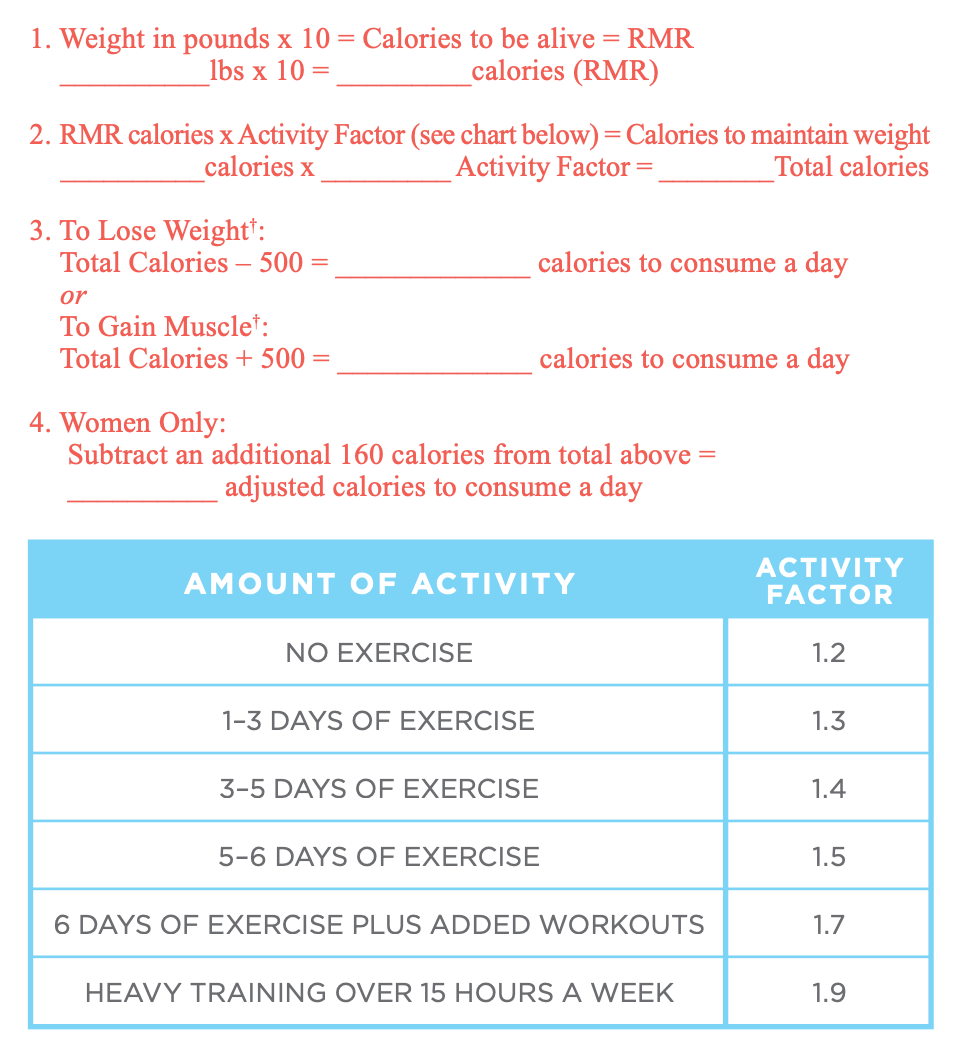
At the core of calorie calculation lie two fundamental metrics: Basal Metabolic Rate (BMR) and Total Daily Energy Expenditure (TDEE).
- Basal Metabolic Rate (BMR) represents the number of calories your body burns at rest to maintain basic physiological functions like breathing, circulation, and cell production. It’s the energy required simply to exist.
- Total Daily Energy Expenditure (TDEE) accounts for your BMR plus the calories burned through physical activity and the thermic effect of food (digestion). TDEE is the total number of calories you burn in a 24-hour period.
Traditionally, calculating BMR and TDEE involved using formulas like the Mifflin-St Jeor equation or the Harris-Benedict equation, which require inputting variables such as age, gender, height, and weight, along with an activity multiplier for TDEE. While these formulas are mathematically straightforward, performing them manually and then adjusting for daily activity levels could still be cumbersome.
Modern technology has largely automated these calculations. Dedicated apps and online tools integrate these formulas, allowing users to input their personal data once, and then automatically compute their estimated BMR and TDEE. Furthermore, many fitness trackers and smartwatches dynamically estimate energy expenditure throughout the day by monitoring heart rate, movement patterns, and other physiological signals, providing a more personalized and real-time TDEE estimate than static formulas alone. This technological leap removes the complexity, making foundational calorie calculations accessible to everyone.
Essential Tech Tools for Calorie Calculation
The digital marketplace is replete with tools designed to simplify and enhance calorie intake calculation. These range from comprehensive mobile applications to specialized gadgets, each offering unique features and levels of integration.
Dedicated Nutrition Tracking Apps
Mobile applications have become the cornerstone of digital calorie tracking. Platforms like MyFitnessPal, Cronometer, and LoseIt! lead the pack, offering extensive databases of food items, barcode scanners for quick input, and intuitive interfaces for logging meals.
- Extensive Food Databases: These apps boast millions of food entries, including generic items, branded products, and restaurant meals, often with user-submitted data. This vastness significantly reduces the effort required to log food.
- Barcode Scanning: A revolutionary feature, barcode scanning allows users to simply scan the UPC code on packaged foods, instantly pulling up nutritional information and portion sizes, drastically speeding up the logging process.
- Recipe Builders: Many apps allow users to create and save custom recipes, automatically calculating the nutritional content per serving, which is invaluable for home cooks.
- Macronutrient Breakdown: Beyond total calories, these apps typically break down intake into macronutrients (proteins, fats, carbohydrates), helping users adhere to specific dietary ratios for performance or health goals.
- Goal Setting and Progress Tracking: Users can set calorie and macronutrient goals, and the apps provide visual dashboards and reports to track progress over time, highlighting trends and areas for improvement.
Smart Wearables and Fitness Trackers
While not directly for calculating food intake, smart wearables such as Apple Watch, Fitbit, and Garmin play a crucial role in the overall energy balance equation by accurately estimating energy expenditure. By monitoring heart rate, steps taken, distance covered, and even sleep patterns, these devices provide a real-time assessment of calories burned throughout the day.
- Activity Tracking: Accelerometers and gyroscopes track movement, estimating calories burned during daily activities and structured exercise.
- Heart Rate Monitoring: Optical heart rate sensors provide more accurate calorie expenditure estimates during workouts, particularly for cardiovascular activities.
- Integration with Nutrition Apps: A key feature is the seamless integration of these wearables with nutrition tracking apps. Data on calories burned is automatically synced, allowing the nutrition app to present a comprehensive picture of calorie intake versus expenditure, helping users maintain a calorie deficit or surplus as needed.
- Sleep Tracking: While less directly related to calories, sleep quality impacts metabolism and hormone regulation, making sleep data a valuable component of a holistic wellness approach, often integrated into wearable ecosystems.
Online Calculators and AI-Powered Platforms
Beyond apps and wearables, a variety of online tools and emerging AI platforms offer more specialized or advanced calorie calculation capabilities.
- Basic Online Calculators: Numerous websites offer free BMR and TDEE calculators, allowing for quick estimations without needing to download an app. These are excellent starting points for individuals new to calorie tracking.
- AI-Powered Food Recognition: Advanced platforms are beginning to integrate AI and machine learning for more intuitive food logging. Some apps can analyze photos of meals to estimate portion sizes and identify food items, though this technology is still maturing and requires manual verification.
- Personalized Recommendations: AI algorithms can analyze logged food data, activity levels, and user goals to provide personalized dietary recommendations, suggest meal plans, or identify patterns in eating habits that may be hindering progress. This moves beyond simple calculation to predictive and prescriptive nutrition guidance.
Leveraging Technology for Precision and Personalization
The true power of modern tech in calorie management lies in its ability to offer unparalleled precision and personalization, moving beyond generic advice to tailored strategies.

Data Synchronization and Integration
The magic happens when different tech tools communicate seamlessly. The integration capabilities between fitness trackers, smart scales, and nutrition apps create a unified ecosystem for health data. For instance, calories burned from a Fitbit can automatically update the calorie budget in MyFitnessPal. A smart scale might sync weight changes, allowing the app to adjust BMR estimates and calorie goals dynamically. This interconnectedness minimizes manual entry, reduces errors, and provides a comprehensive, real-time overview of an individual’s energy balance. This synergy is critical for understanding the dynamic relationship between intake and expenditure.
AI and Machine Learning in Dietary Analysis
Artificial intelligence and machine learning are revolutionizing dietary analysis by moving beyond simple data logging. AI algorithms can identify subtle patterns in eating habits, suggest optimal meal timings, and even predict the impact of certain food choices on energy levels or weight goals.
- Pattern Recognition: AI can identify recurring habits (e.g., late-night snacking, overconsumption on weekends) that might not be obvious from raw data.
- Nutrient Gaps Identification: ML models can analyze logged food to pinpoint potential micronutrient deficiencies or excesses, suggesting specific foods to incorporate.
- Personalized Feedback: Instead of generic advice, AI can offer highly personalized feedback, such as “You tend to consume too many processed carbs on Tuesdays; try replacing X with Y.”
- Predictive Modeling: Advanced AI can build models to predict how changes in diet or activity might affect weight loss or muscle gain over time, providing a motivational roadmap.
Gamification and Community Support
Technology doesn’t just track; it also motivates. Many apps incorporate gamification elements – badges for streaks, challenges, leaderboards – to make the calorie tracking process more engaging and fun. Furthermore, most platforms foster vibrant online communities where users can share tips, seek advice, and celebrate successes. This social aspect provides a layer of accountability and encouragement that significantly boosts adherence and long-term engagement. Knowing you’re part of a larger community striving for similar goals can be a powerful motivator.
Best Practices for Tech-Enhanced Calorie Management
While technology offers incredible advantages, maximizing its benefits requires a thoughtful approach.
Choosing the Right Tools for Your Needs
The sheer volume of available tools can be overwhelming. The best approach is to identify your specific goals and preferences.
- For Beginners: Start with a popular, user-friendly nutrition tracking app with a large food database (e.g., MyFitnessPal).
- For Detailed Nutrition: If you need precise micronutrient tracking, consider apps like Cronometer.
- For Active Individuals: Pair a robust nutrition app with a good fitness tracker (e.g., Fitbit, Garmin, Apple Watch) that integrates well.
- Consider Budget: Many apps have free basic versions and paid premium features. Wearables also range widely in price.
- Ease of Use: The most powerful tool is useless if you don’t use it consistently. Choose interfaces that feel intuitive to you.
Accuracy vs. Obsession: Finding Balance
Technology provides incredible detail, but it’s crucial to strike a balance between accuracy and becoming overly obsessive.
- Aim for Consistency, Not Perfection: Don’t stress over a few calories here or there. The goal is to establish consistent habits and general trends.
- Educate Yourself on Portion Sizes: While tech helps, learning to eyeball portion sizes is a valuable skill that reduces reliance on constant logging.
- Listen to Your Body: Technology is a tool, not a replacement for understanding your body’s hunger and satiety cues.
- Take Breaks: It’s healthy to occasionally take a break from logging to avoid “tracker fatigue” and foster a more intuitive relationship with food.
Data Privacy and Security Considerations
When logging sensitive personal data like dietary intake and physical activity, privacy is paramount.
- Read Privacy Policies: Understand how your chosen apps and devices collect, store, and share your data.
- Secure Passwords and Two-Factor Authentication: Protect your accounts with strong, unique passwords and enable 2FA where available.
- Review App Permissions: Be mindful of the permissions you grant to apps, especially access to location or other personal information.
- Be Cautious with Third-Party Integrations: When connecting different apps, ensure you trust both platforms with your data.
The Future of Digital Calorie Intake Management
The trajectory of technology suggests an even more integrated, intuitive, and hyper-personalized future for calorie management.
Advanced Sensors and Non-Invasive Monitoring
The next wave of innovation will likely involve more sophisticated non-invasive sensors. Imagine devices that can:
- Analyze Food Composition Instantly: Handheld spectrometers that scan food and provide immediate nutritional breakdowns.
- Monitor Glucose Levels Continuously (Non-invasively): Making it easier for everyone, not just diabetics, to understand how different foods impact blood sugar, which in turn influences hunger and energy.
- Digestive Tract Monitoring: Sensors that provide insights into digestion efficiency and gut microbiome activity, further personalizing dietary advice.
These advancements will reduce the need for manual logging even further, making calorie and nutrient tracking truly effortless and highly accurate.

Hyper-Personalized Nutrition Through AI
AI will evolve to create nutrition plans that are not just personalized but hyper-personalized, adapting in real-time to an individual’s unique physiology, genetics, microbiome, and lifestyle.
- Genomic Nutrition: AI combining dietary data with genetic information to recommend foods optimal for an individual’s unique genetic predispositions.
- Microbiome-Driven Diets: Analyzing an individual’s gut microbiome composition to suggest foods that promote gut health and nutrient absorption.
- Real-time Adaptive Meal Plans: AI systems that dynamically adjust meal recommendations based on immediate physiological feedback (e.g., activity levels, stress hormones, glucose readings) to optimize energy, performance, and weight goals.
The future envisions a world where calculating calorie intake is not a conscious effort but an ambient process, seamlessly integrated into our daily lives, providing unprecedented insights and guiding us towards optimal health with minimal friction. The “how to” will increasingly become about leveraging smart, interconnected systems that work quietly in the background to empower our well-being.
aViewFromTheCave is a participant in the Amazon Services LLC Associates Program, an affiliate advertising program designed to provide a means for sites to earn advertising fees by advertising and linking to Amazon.com. Amazon, the Amazon logo, AmazonSupply, and the AmazonSupply logo are trademarks of Amazon.com, Inc. or its affiliates. As an Amazon Associate we earn affiliate commissions from qualifying purchases.