
The landscape of sports entertainment is undergoing its most significant technological transformation since the move from analog to digital broadcasting. With the landmark announcement that WWE Monday Night Raw—the longest-running weekly episodic television show in history—is moving to Netflix, the tech world is buzzing. For over thirty years, Raw has been a staple of cable television, defined by fixed schedules and satellite feeds. Now, its transition to a global streaming giant marks a pivotal moment in live-streaming infrastructure.
Understanding what time Raw starts on Netflix is no longer just a matter of checking a TV guide; it involves understanding how modern Content Delivery Networks (CDNs), latency management, and cloud-based distribution work together to deliver real-time entertainment to millions of screens simultaneously.
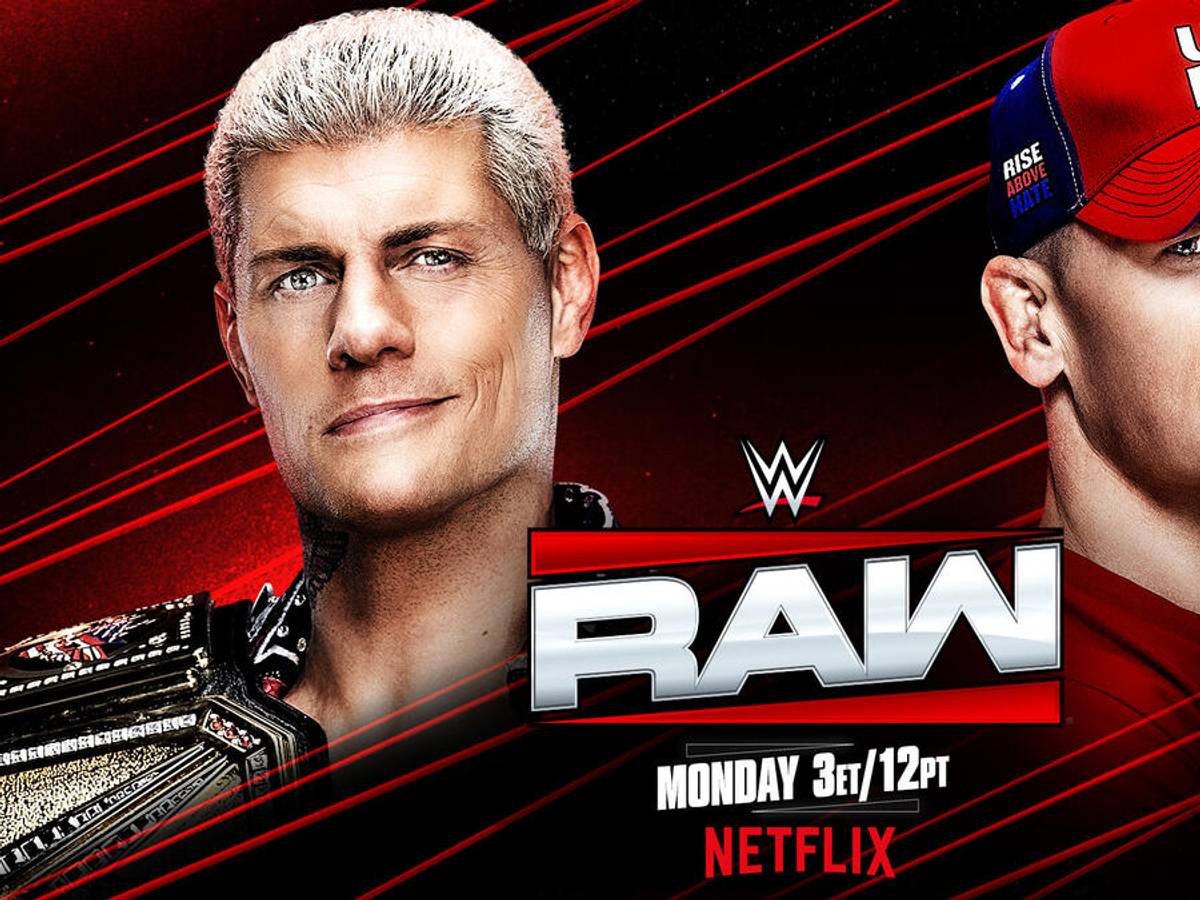
The Evolution of Netflix’s Live Streaming Infrastructure
For the majority of its existence, Netflix has been the gold standard for Video on Demand (VOD). Their engineering focus was primarily on “caching”—placing static movie files on servers close to users to ensure smooth playback. However, live streaming, especially for a high-octane program like WWE Raw, requires a completely different architectural approach.
From VOD to Real-Time Engagement
In a VOD environment, the server knows exactly what data comes next. It can buffer minutes of video in advance to prevent stuttering. Live streaming removes this luxury. When Raw goes live at 8:00 PM Eastern Time (ET), Netflix must encode, transmit, and decode data in fractions of a second.
To prepare for this, Netflix has spent years refining its “Live” capabilities through events like the Chris Rock stand-up special and the Love is Blind reunions. The technology behind these broadcasts utilizes a “just-in-time” packaging system. Instead of retrieving a pre-rendered file, the player requests the most recent “chunk” of the live broadcast, which is generated and distributed across the network in real-time.
Solving the Latency Challenge for Live Sports
One of the biggest hurdles in the tech niche for live events is latency—the delay between the action happening in the ring and the image appearing on your smart TV. In cable broadcasting, this delay is usually around 5–10 seconds. In traditional streaming, it can be as high as 30–60 seconds.
For social media-heavy brands like WWE, high latency is a dealbreaker. No one wants to see a spoiler on X (formerly Twitter) thirty seconds before the finishing move happens on their screen. Netflix is leveraging Low-Latency HLS (HTTP Live Streaming) and DASH (Dynamic Adaptive Streaming over HTTP) protocols to bridge this gap. By shortening the length of the video “segments” sent to the device, Netflix aims to bring streaming latency down to parity with traditional cable.
Global Synchronization: How Netflix Manages Regional Broadcast Times
The transition to Netflix means Raw will eventually become a global live event, accessible in the U.S., Canada, the UK, and Latin America initially, with further expansions planned. This creates a massive logistical challenge for Netflix’s server clusters.
The Standard 8 PM ET Window and International CDN Optimization
While the start time is set for 8:00 PM ET / 5:00 PM PT in North America, the technical execution of this “global start” relies on Netflix’s Open Connect program. Netflix places its own hardware—Open Connect Appliances (OCAs)—directly inside the data centers of Internet Service Providers (ISPs) worldwide.
When Raw begins, these OCAs don’t just pull the feed from a central hub in California. Instead, the feed is “multicasted” across a web of interconnected servers. This prevents a “thundering herd” problem, where millions of users hitting the “Play” button at the exact same time crashes the central server. The tech ensures that if you are watching in London or New York, you are pulling the live stream from a server just a few miles away from your home.
Dynamic Bitrate and High-Definition Clarity
Unlike cable, which provides a fixed signal, Netflix uses adaptive bitrate streaming. If your home Wi-Fi dips because someone else started a heavy download, the Netflix player doesn’t stop to buffer; it dynamically lowers the resolution of the Raw feed to keep the action moving.
The goal for the Raw launch is to support 4K resolution with HDR (High Dynamic Range). Accomplishing this for a live three-hour broadcast requires massive bandwidth. Netflix’s encoders work in real-time to compress the video using high-efficiency codecs like AV1 or HEVC, ensuring that even at peak hours, the visual fidelity remains crisp without taxing the user’s data plan excessively.
Integrating WWE Raw into the Netflix Interface
The move from cable to an app changes the user experience (UX) and the underlying software interface. Finding “what time Raw starts” is now integrated into a personalized ecosystem of notifications and algorithmic suggestions.
Personalized Notifications and DVR-Style Functionality
In the legacy TV model, if you missed the start of the show, you had to hope you set your DVR or wait for a replay. Netflix’s “Live” tech stack integrates a seamless “Start from Beginning” feature. Even if you log in at 8:45 PM ET, the software allows you to jump back to the start of the broadcast instantly.
Furthermore, the Netflix mobile app uses push-notification APIs to alert users the moment the “Red Brand” goes live. These notifications are not just scheduled alerts; they are linked to the live stream’s metadata. If the pre-show runs over by two minutes, the system can technically adjust the notification trigger to ensure users land exactly when the opening pyro hits.
Multi-Device Compatibility and Seamless Playback
One of the greatest technical strengths of Netflix is its presence on almost every “smart” device—from refrigerators to high-end gaming consoles. Ensuring that Raw starts at exactly the same time across a PlayStation 5, an iPad, and a Roku stick requires rigorous cross-platform optimization.
Each device has a different hardware decoder. Netflix’s engineers must ensure that the “live” player logic is consistent across all versions of the app. This involves constant “heartbeat” checks between the device and the server to ensure the stream is synchronized, preventing a situation where your phone is five seconds ahead of your TV.
Security and Stability in the Live Streaming Era
When millions of fans tune in simultaneously to find out what happens on Raw, the technical pressure on the platform is immense. Security and stability become the top priorities for the engineering teams.
Defending Against High-Traffic Surges
The most dangerous moment for any live-streaming platform is the “start time.” At 7:59 PM ET, the traffic to the Raw landing page will spike from zero to millions in seconds. This is known in the tech world as a “flash crowd.”
Netflix utilizes auto-scaling cloud architecture, primarily via Amazon Web Services (AWS) for its control plane, to spin up thousands of additional virtual servers in anticipation of the rush. These servers handle the “handshake” process—verifying user credentials and digital rights management (DRM)—before passing the actual video traffic off to the Open Connect network. This separation of “logic” and “content” is what allows Netflix to stay online when other platforms might buckle under the pressure.
The Future of Live Tech Post-WWE Integration
The technical groundwork being laid for WWE Raw is a blueprint for the future of all live entertainment. By mastering the 52-week-a-year live broadcast cycle, Netflix is proving that the cloud can handle the most demanding broadcast schedules in existence.
This move also opens the door for interactive technology. Because the stream is being delivered through a software app rather than a one-way cable box, there is potential for real-time polling, secondary camera angles, and localized audio tracks that can be toggled without restarting the stream. We aren’t just looking at a change in “what time the show starts”; we are looking at a change in how the show is constructed at a code level.
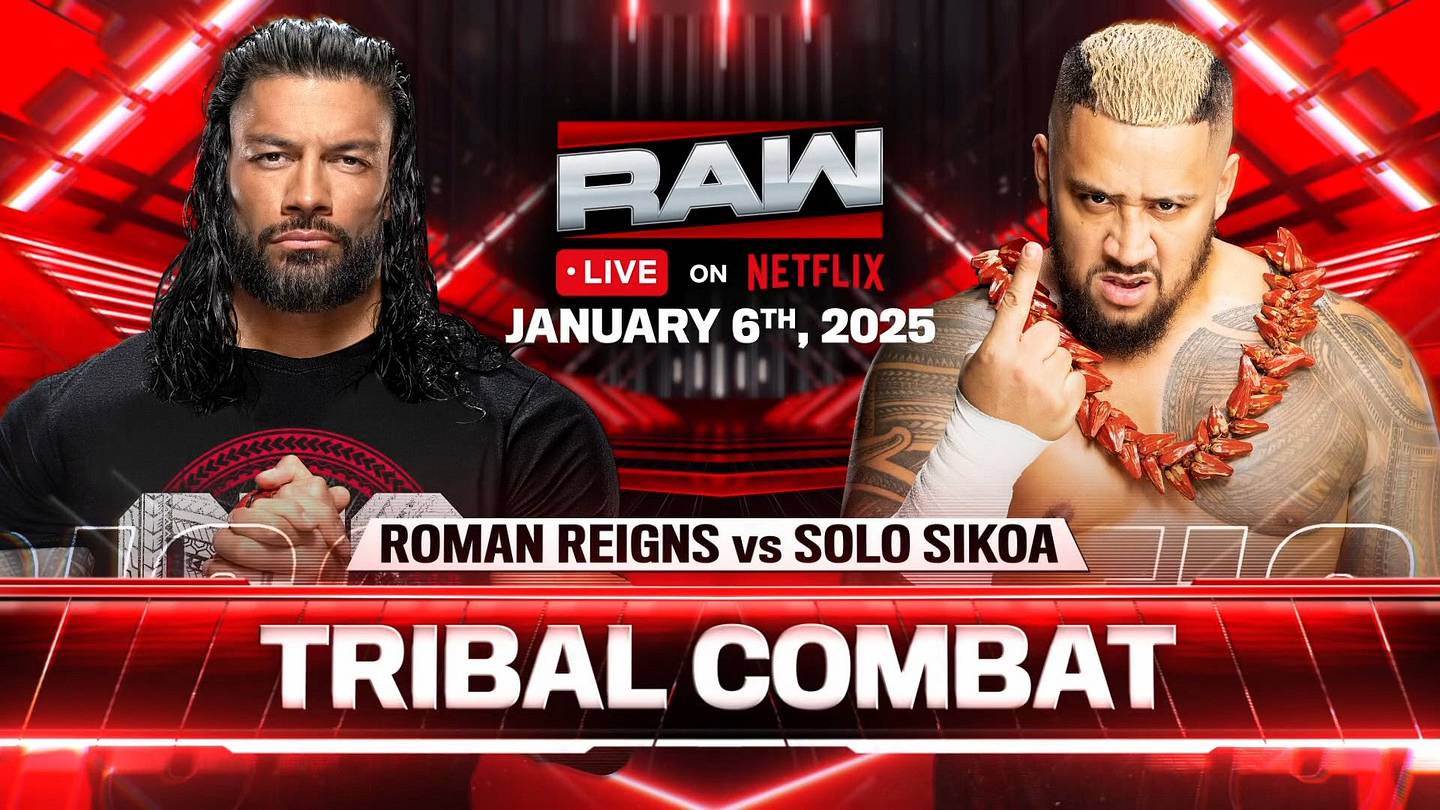
Conclusion: A New Technical Standard for “Must-Watch” TV
When WWE Raw makes its debut on Netflix, the question of “what time does it start” will be answered by a massive, invisible web of servers, encoders, and global data centers. The 8:00 PM ET start time represents more than just a schedule; it represents a triumph of modern streaming technology over the limitations of traditional hardware.
For the viewer, the experience will be seamless—a simple click of a button on a familiar interface. But behind that play button lies the most sophisticated live-streaming engine ever built, capable of bringing the chaos and spectacle of professional wrestling to the world in real-time, high definition, and with unprecedented stability. The “Monday Night Wars” of the 90s were fought over cable ratings; the new era is being fought over bitrates, latency, and global server distribution.
aViewFromTheCave is a participant in the Amazon Services LLC Associates Program, an affiliate advertising program designed to provide a means for sites to earn advertising fees by advertising and linking to Amazon.com. Amazon, the Amazon logo, AmazonSupply, and the AmazonSupply logo are trademarks of Amazon.com, Inc. or its affiliates. As an Amazon Associate we earn affiliate commissions from qualifying purchases.