
In the realm of global political communication, few figures have managed to curate a personal and national brand as distinctively as Vladimir Putin. While many observers approach the question of “what religion is Putin” through the lens of personal faith or theological curiosity, a professional brand strategy analysis reveals a much more complex phenomenon. From a branding perspective, Putin’s public alignment with the Russian Orthodox Church (ROC) is not merely an expression of private belief, but a cornerstone of a multi-decade brand strategy designed to consolidate domestic power and differentiate the Russian “product” on the global ideological marketplace.
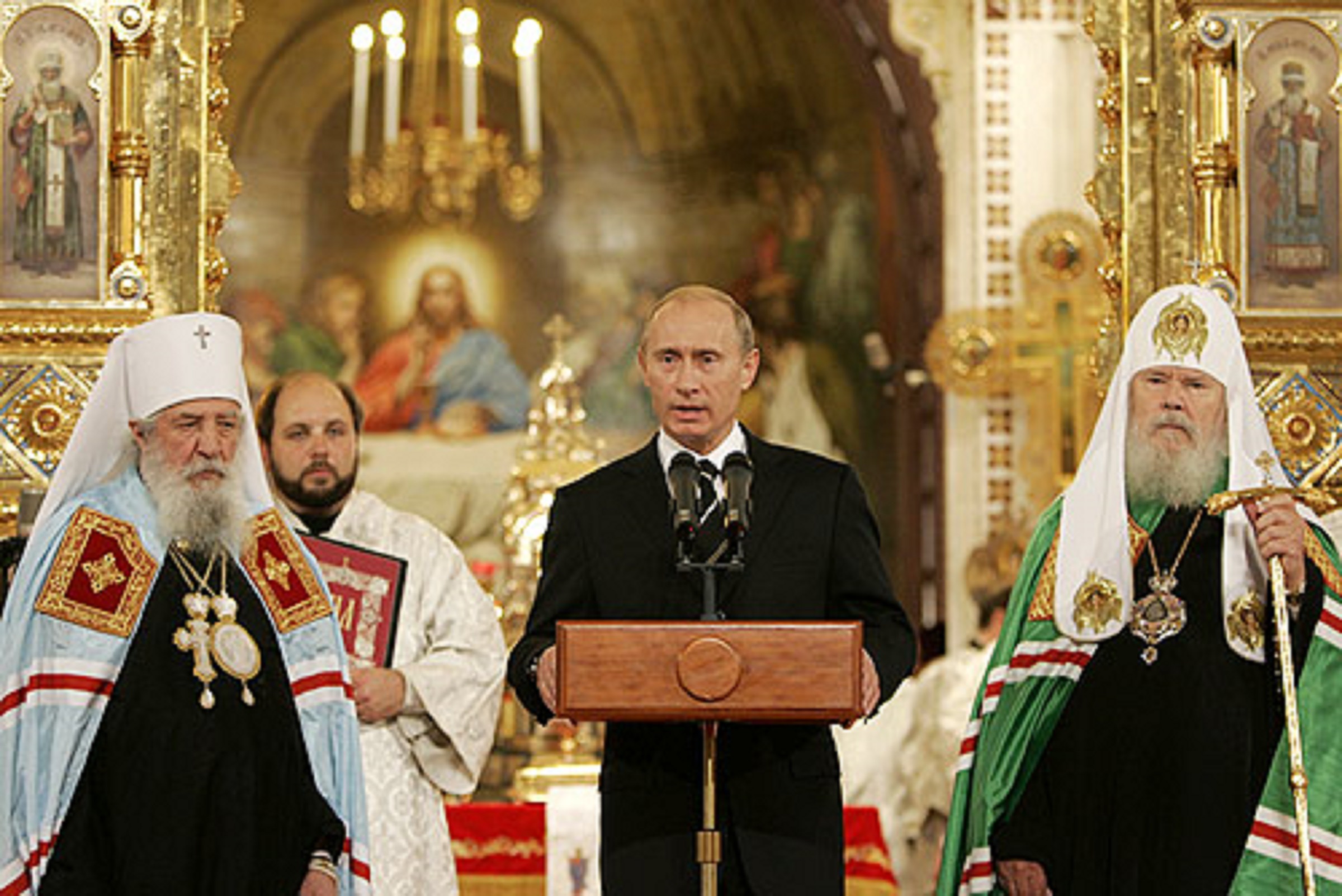
This article explores the “Putin Brand” through the prism of religious identity, examining how Orthodoxy serves as a strategic asset for personal branding, corporate state identity, and international market positioning.
1. The Architecture of the Orthodox Brand: Building a National Identity
In brand strategy, identity is often built upon heritage. For the Russian state, the post-Soviet era presented a “brand vacuum”—a lack of a cohesive narrative after the collapse of communism. The strategic decision to realign the state with the Russian Orthodox Church was a masterstroke in corporate identity restoration.
The Concept of “Symphonia” as a Brand Foundation
At the heart of this branding exercise is the Byzantine concept of Symphonia—the harmonious relationship between church and state. By adopting this historical framework, the Putin brand successfully reconnected with the pre-revolutionary Romanov legacy. This wasn’t just a religious move; it was a rebranding of the Russian state from a failed socialist experiment to a thousand-year-old civilization. This sense of continuity provides “brand stability,” suggesting that the current administration is the rightful heir to centuries of Russian greatness.
Aligning State and Institutional Identities
A successful brand requires synergy between the leader and the organization they represent. The institutional alignment between the Kremlin and the Patriarchate of Moscow functions much like a strategic partnership between two major corporate entities. By weaving religious symbols into state functions—such as the blessing of military equipment or the presence of the Patriarch at inaugurations—the “Russia” brand gains an aura of moral authority and divine mandate that a purely secular brand could never achieve.
2. Personal Branding and the “Defender of Faith” Narrative
In personal branding, a leader must embody specific values to build trust with their target audience. Vladimir Putin’s public religious persona is carefully managed to project strength, tradition, and stability.
Symbolic Iconography and Visual Communication
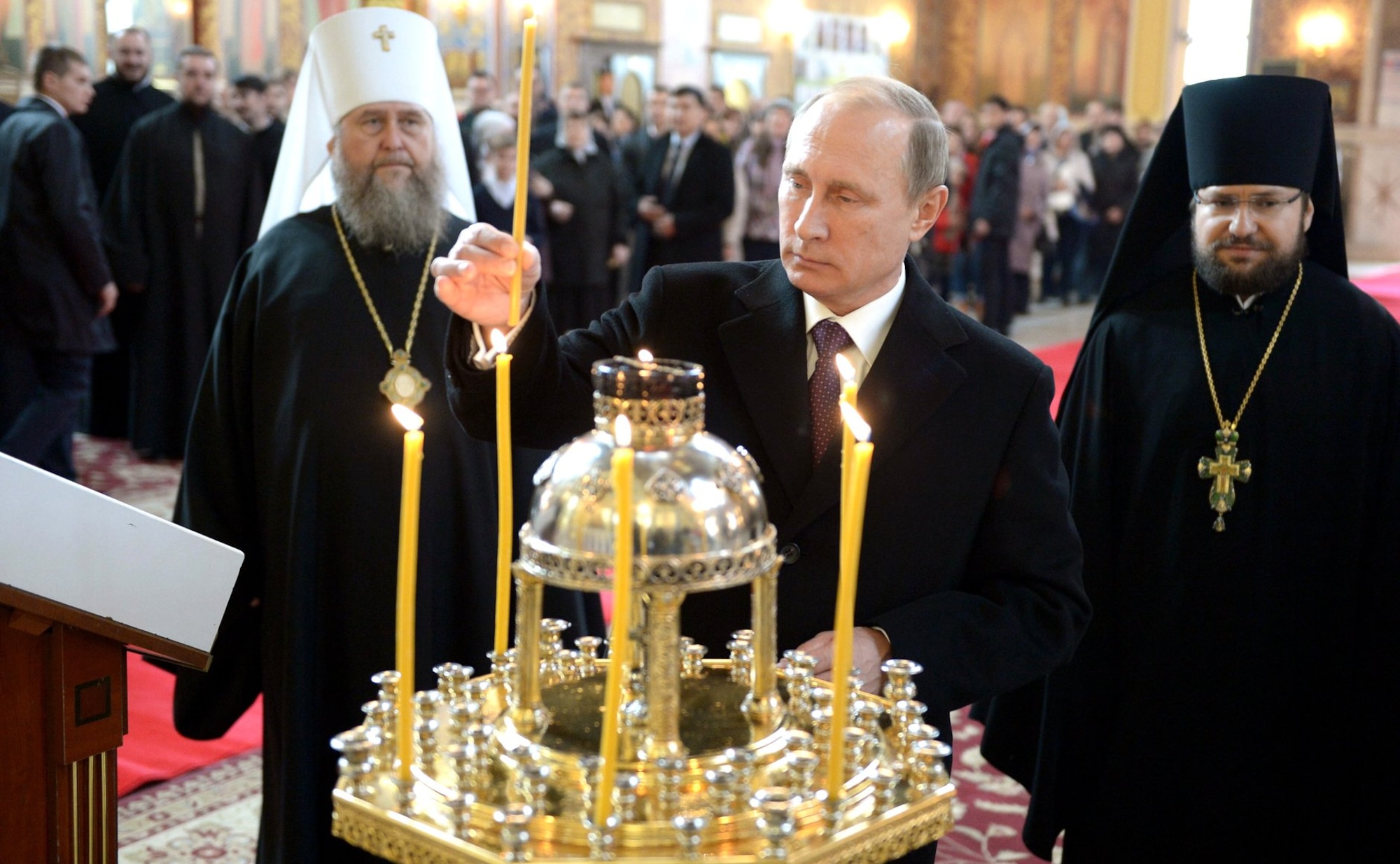
Every brand relies on visual cues. For the Putin brand, these include images of the president attending midnight Mass at Christ the Savior Cathedral, his highly publicized immersion in icy waters for the Feast of the Epiphany, and his frequent pilgrimages to Mount Athos or the Valaam Monastery. These are not just events; they are brand assets. They communicate a message of a leader who is disciplined, physically fit, and spiritually grounded. This visual storytelling bridges the gap between the “tough guy” persona and the “moral guardian” persona, creating a well-rounded and formidable personal brand.
The “Traditional Values” Global Brand Differentiation
One of the most critical aspects of brand strategy is differentiation—how you stand out from the competition. In the global political arena, Putin has positioned his brand as the “Last Defender of Traditional Values.” By explicitly aligning with Orthodox Christian morality, the brand creates a sharp contrast with Western “liberal” brands. This positioning allows the Russian state to appeal to a specific global demographic—conservative, religious, and wary of rapid social change—effectively carving out a unique niche in the global ideological market.
3. Religious Messaging as a Soft Power Strategy
In marketing, “soft power” is equivalent to brand influence. Religion is one of the most potent tools in Russia’s soft power toolkit, allowing the state to project influence far beyond its borders.
Targeting Conservative Global Audiences
The Putin brand’s emphasis on Orthodoxy isn’t just for domestic consumption. It serves as a “Global Outreach Program.” By championing what it calls “traditional family values,” the Kremlin builds brand loyalty among conservative circles in Europe, the United States, and the Global South. This strategic messaging allows Russia to bypass traditional diplomatic channels and speak directly to the values of foreign populations, effectively building a “community of followers” that transcends national boundaries.
Institutional Synergy: The Church as a Brand Ambassador
The Russian Orthodox Church operates as a powerful brand ambassador for the Russian state abroad. With parishes across the globe, the ROC provides a network for “brand distribution.” Through the concept of the Russkiy Mir (Russian World), the church and state co-brand a cultural space that encompasses all Russian speakers and Orthodox believers, regardless of their citizenship. This expands the brand’s “market share” and creates a sense of belonging to a larger, religiously-defined corporate entity.
4. Branding the Domestic Front: Unity through Orthodoxy
Internal brand management is just as important as external marketing. Within Russia, the religious brand serves as a “glue” to unify a vast and diverse population under a single narrative.
Crisis Management and Brand Resilience
During times of economic or geopolitical crisis, brands often lean on their core values to maintain loyalty. The religious aspect of the Putin brand provides a form of “crisis insulation.” By framing national struggles as spiritual battles or tests of faith, the administration can shift the brand narrative away from material metrics (like GDP or inflation) toward metaphysical goals (like national honor and spiritual survival). This makes the brand more resilient to short-term setbacks.
Building Long-term Brand Loyalty through Education and Culture
A brand’s longevity depends on its ability to capture the next generation. The integration of Orthodox culture into the Russian educational system and public life is a long-term investment in brand loyalty. By making the “Orthodox-Russian” identity the default setting for citizenship, the state ensures that the core values of the Putin brand are internalized by the youth, creating a sustainable ecosystem for the brand’s future.

5. Conclusion: The Evolution of a Political Brand
When we ask “what religion is Putin,” we are looking at the centerpiece of a sophisticated branding strategy. The religion is not a static attribute but a dynamic brand element that has evolved to meet the needs of the Russian state in the 21st century.
From a professional branding perspective, the use of Orthodoxy has been highly effective. It has provided:
- Heritage: A connection to a glorious, pre-Soviet past.
- Differentiation: A clear alternative to Western secularism.
- Loyalty: A moral framework that resonates with a core domestic and international audience.
- Authority: A divine-adjacent mandate that elevates the leader above standard political critique.
In the final analysis, the “Putin Brand” demonstrates how religion can be leveraged as a powerful tool of corporate and personal branding. Whether or not the faith is a matter of personal conviction is, for the brand strategist, secondary to its functional success. By aligning himself with the Russian Orthodox Church, Putin has created a brand that is not just about a person or a political party, but about an enduring civilization—a brand strategy that continues to shape the geopolitical landscape of the modern world.
aViewFromTheCave is a participant in the Amazon Services LLC Associates Program, an affiliate advertising program designed to provide a means for sites to earn advertising fees by advertising and linking to Amazon.com. Amazon, the Amazon logo, AmazonSupply, and the AmazonSupply logo are trademarks of Amazon.com, Inc. or its affiliates. As an Amazon Associate we earn affiliate commissions from qualifying purchases.