
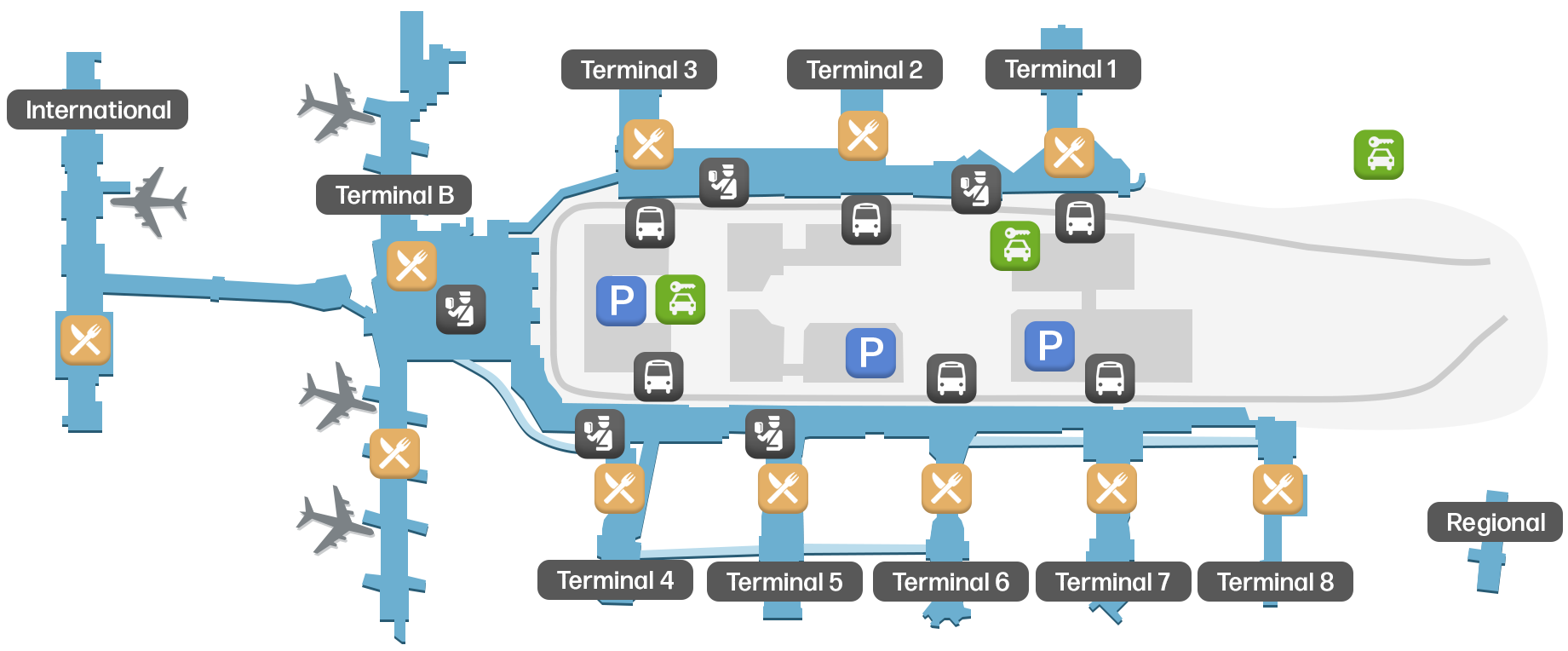
Los Angeles International Airport (LAX) is one of the busiest transit hubs in the world, serving as a critical nexus for domestic and international travel. For United Airlines, LAX is more than just a destination; it is a primary hub where technology and infrastructure converge to redefine the passenger experience. When travelers ask, “What is the United terminal at LAX?” they are usually referring to Terminals 7 and 8. However, from a technological standpoint, the answer is far more complex. It is a sophisticated, digitally-integrated ecosystem designed to minimize friction through automation, biometrics, and advanced data analytics.
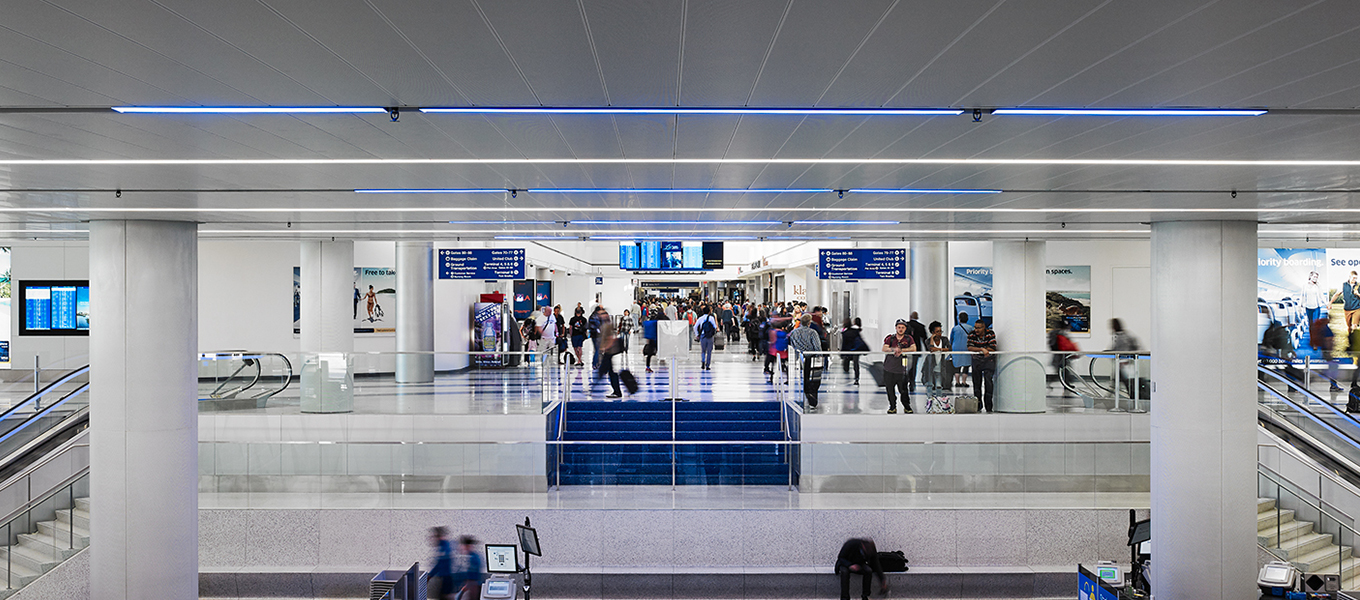
Over the last decade, United has invested over half a billion dollars into modernizing these terminals. This investment wasn’t merely for aesthetic upgrades; it was a foundational overhaul aimed at creating a “Terminal of the Future.” In this article, we explore the technological architecture of United’s footprint at LAX, examining how software, hardware, and digital security protocols work in tandem to manage the flow of millions of passengers.
The Technological Transformation of Terminal 7 and 8
The United terminal at LAX represents a shift from traditional airport design to a tech-centric interface. Terminals 7 and 8 have been reimagined to prioritize digital self-service and streamlined operations. This transformation begins the moment a passenger enters the terminal, where the legacy “check-in desk” has been largely replaced by high-performance kiosks and automated bag drop systems.
Automated Screening Lanes (ASLs)
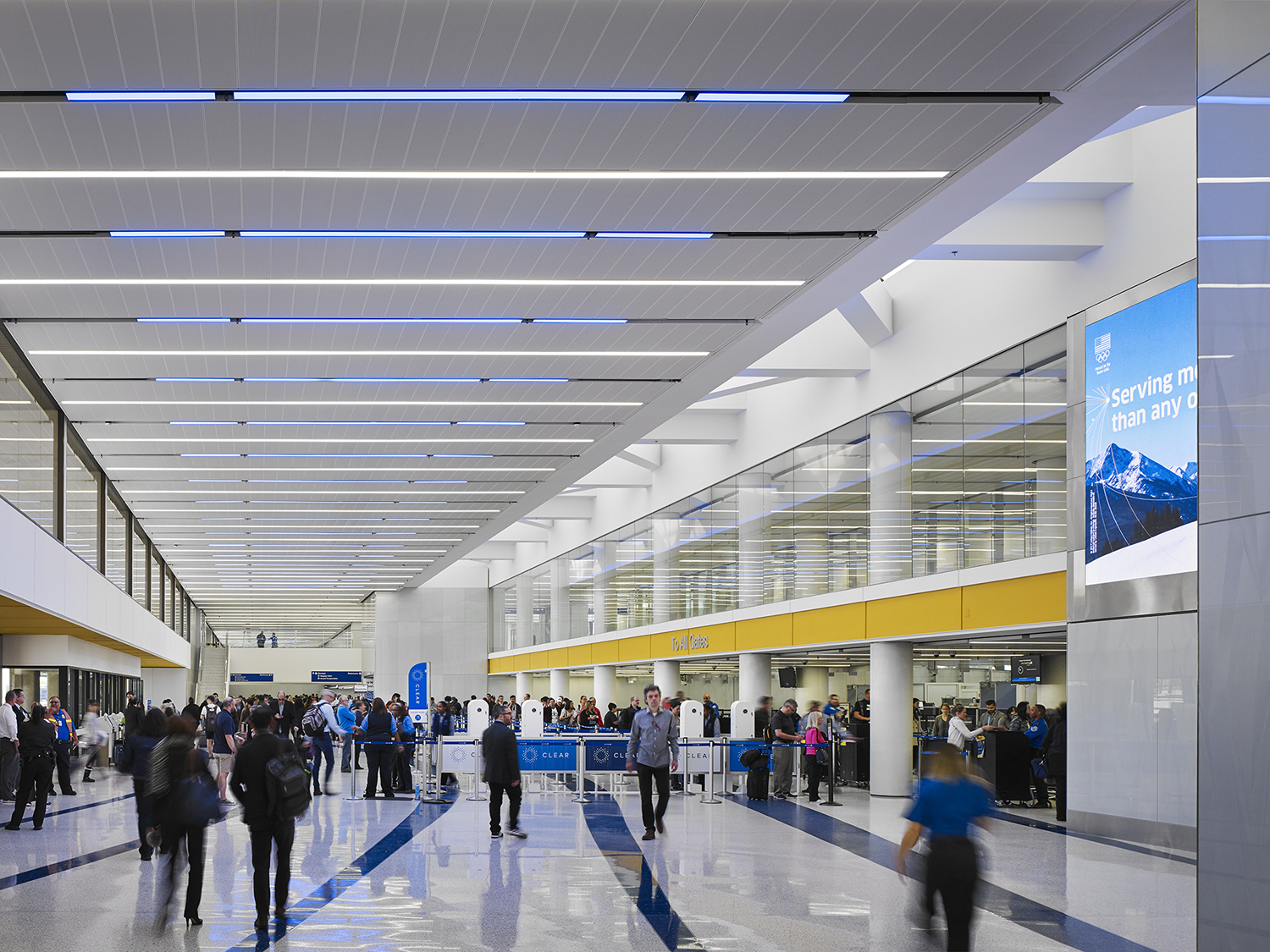
One of the most significant technological upgrades within Terminal 7 is the implementation of Automated Screening Lanes (ASLs) at the TSA checkpoints. These lanes utilize a sophisticated conveyor system and computerized tracking to move bins through X-ray machines more efficiently than manual lanes. The technology incorporates radio-frequency identification (RFID) tags on every bin, allowing for real-time tracking of passenger belongings and ensuring that suspicious items are diverted to a secondary area without stopping the flow of the entire line. This reduces “bottlenecking” and leverages sensor data to optimize throughput during peak travel hours.
Digital Signage and Real-Time Wayfinding
Navigating a sprawling complex like LAX can be daunting. United has addressed this through a comprehensive network of high-definition digital signage. These displays are not static; they are powered by real-time data feeds from the airline’s operational center. Using dynamic API integrations, the signage updates gate information, boarding times, and even walking distances instantaneously. For passengers, this means the “estimated time to gate” is calculated based on current terminal congestion and walking speeds, providing a tech-enabled layer of transparency to the travel process.
Frictionless Transit: The Role of Biometrics and Mobile Ecosystems
The modern United experience at LAX is increasingly defined by “frictionless transit”—a concept where the passenger moves through various security and boarding layers with minimal physical interaction or manual document checking. This is made possible through the integration of biometric hardware and United’s robust mobile software ecosystem.
Biometric Boarding and Facial Recognition
United has been a pioneer in deploying biometric boarding gates at LAX, particularly for international departures. Instead of scanning a paper or digital boarding pass, passengers simply look into a high-resolution camera. The system utilizes facial recognition algorithms to compare the live image against the Department of Homeland Security (DHS) biometric database. Once a match is confirmed, the gate opens automatically. This technology not only speeds up the boarding process by several minutes per flight but also enhances digital security by ensuring that the person boarding the aircraft is the authorized traveler.
The United App: A Personal Control Center
The United mobile app is the “remote control” for the terminal experience at LAX. Beyond simple check-ins, the app leverages location-based services (via Bluetooth beacons placed throughout Terminals 7 and 8) to provide “Agent on Demand” features. If a passenger encounters a flight delay or requires a seat change, they can initiate a video chat or text session with a live agent directly through the app, bypassing the need to stand in line at a customer service desk. This use of cloud-based communication tools allows United to distribute its labor force dynamically, using agents from other hubs to assist passengers at LAX during local surges.
Contactless Self-Bag Drop
Technology has also revolutionized the way luggage is handled. United’s “Touchless” kiosks allow passengers to scan their boarding pass via their mobile device, which then triggers the printing of bag tags without the user needing to touch the screen. Once tagged, the bags are placed on automated belts where laser scanners read the 10-digit barcodes from multiple angles, ensuring the luggage is routed through the terminal’s subterranean sortation system with near-perfect accuracy.
Operational Tech: Behind-the-Scenes Efficiency and IoT
While passengers interact with the “front-end” technology, the “back-end” of United’s LAX terminal is a masterclass in Internet of Things (IoT) integration and data-driven logistics. The efficiency of Terminals 7 and 8 is maintained by a vast network of sensors and software that monitor everything from baggage movement to aircraft turnaround times.
IoT and Baggage Tracking Precision
The “What is United terminal at LAX” question can also be answered by looking at the miles of conveyor belts beneath the floor. United utilizes an advanced Baggage Handling System (BHS) integrated with IoT sensors. Each bag is tracked at every transition point. If a bag is diverted or delayed, the system flags the anomaly in the central control room. This data is also pushed to the passenger’s app, providing a “Find My Bag” style interface that builds trust through data transparency.
Predictive Maintenance and Facility Management
The terminal itself is a “smart building.” Through a centralized Building Management System (BMS), United monitors energy consumption, HVAC performance, and lighting levels across Terminals 7 and 8. Using AI-driven predictive maintenance, the software can identify when an escalator or an automated gate motor is likely to fail before it actually does, based on vibration patterns and power draw. This ensures that the technological infrastructure supporting the passengers remains operational 24/7.
The Intelligent Lounge: Tech Integration in the United Club and Polaris Lounge
Technology extends into the premium spaces of the United terminal. The United Club in Terminal 7 and the Polaris Lounge are not just relaxation zones; they are high-tech environments designed for the modern business traveler.
High-Density Wi-Fi 6 Infrastructure
In an era of remote work, connectivity is a utility as essential as electricity. United has outfitted its LAX lounges with Wi-Fi 6 technology, capable of handling high-density traffic without latency issues. This infrastructure supports hundreds of simultaneous video calls and high-bandwidth data transfers, catering to the tech needs of corporate travelers.
Mobile Ordering and AI-Driven Personalization
Within the Polaris Lounge, United has experimented with QR-code-based mobile ordering for dining. This system integrates directly with the kitchen’s Point of Sale (POS) software, allowing for real-time inventory management and faster service. Furthermore, the airline uses data analytics to track lounge capacity and food preferences, allowing them to use AI to predict staffing needs and menu adjustments based on the demographics of the day’s passenger manifest.
Future-Proofing the Hub: Next-Gen Connectivity and AI Implementation
As we look toward the future of the United terminal at LAX, the roadmap includes even deeper integrations of Artificial Intelligence and 5G connectivity. The goal is to move from reactive technology—responding to a passenger’s needs—to predictive technology.
5G and the Connected Ramp
United is working toward a “Connected Ramp” at LAX. By utilizing 5G private networks, the airline can connect every piece of ground equipment—from tugs and fuel trucks to baggage loaders—to a central data hub. This allows for hyper-accurate tracking of “turnaround” activities. If a fuel truck is delayed by two minutes, the AI system can recalibrate the boarding sequence to ensure the aircraft still departs on time.
AI-Powered Customer Service Bots
While “Agent on Demand” currently uses humans, the next iteration involves advanced AI chatbots capable of handling complex rebooking scenarios using natural language processing (NLP). These bots will have the authority to issue vouchers, rebook flights across partner airlines, and provide customized terminal maps, all within seconds. This represents the ultimate evolution of the United terminal: a space where the technology is so seamless and intelligent that it anticipates the traveler’s needs before they even realize them.
In conclusion, the United terminal at LAX (Terminals 7 and 8) is a premier example of how technology is being leveraged to solve the age-old logistical challenges of air travel. By integrating biometrics, IoT, high-speed connectivity, and mobile software, United has transformed a physical space into a digital experience. For the tech-savvy traveler, these terminals offer a glimpse into a future where the journey is just as sophisticated as the destination.
aViewFromTheCave is a participant in the Amazon Services LLC Associates Program, an affiliate advertising program designed to provide a means for sites to earn advertising fees by advertising and linking to Amazon.com. Amazon, the Amazon logo, AmazonSupply, and the AmazonSupply logo are trademarks of Amazon.com, Inc. or its affiliates. As an Amazon Associate we earn affiliate commissions from qualifying purchases.