
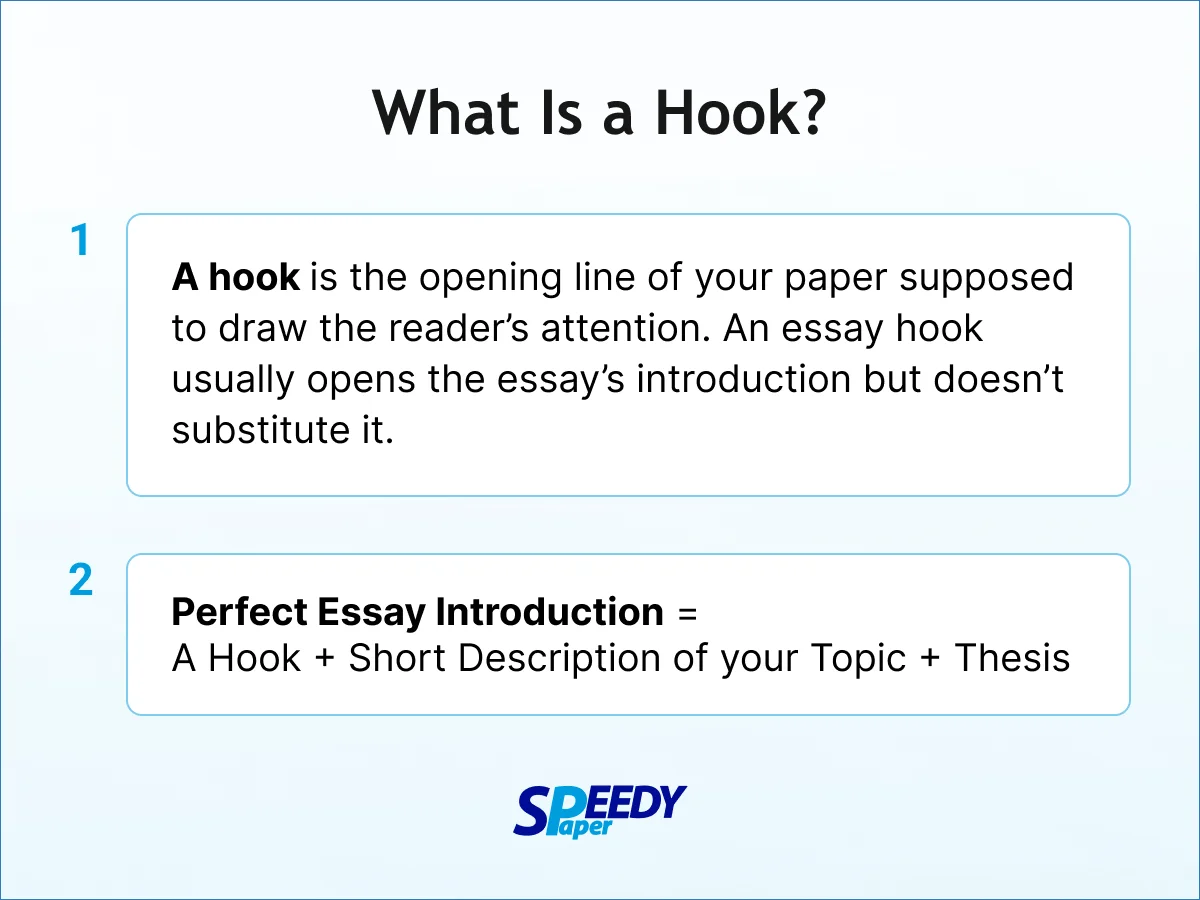
In the traditional academic sense, a hook is the opening statement of an essay designed to grab the reader’s attention. However, in the high-stakes world of brand strategy and corporate identity, the “hook” is far more than a literary device; it is a critical business asset. It represents the thin line between a consumer engaging with your narrative or scrolling past it in an oversaturated digital marketplace. As brands pivot from simple product manufacturers to complex storytellers, understanding what a hook is—and how to deploy it effectively—has become the cornerstone of successful marketing and personal branding.

A hook in a brand context is a strategic entry point. It is the initial spark of interest that disrupts a consumer’s cognitive pattern, forcing them to pause and consider the value proposition being offered. Whether it is the first line of a white paper, the opening shot of a commercial, or the headline of a LinkedIn profile, the hook dictates the trajectory of the entire brand relationship.
The Psychology of the Hook in Modern Brand Strategy
To understand the mechanics of a hook, one must first understand the psychology of the modern consumer. We live in an “attention economy,” where attention is a finite and increasingly rare commodity. Within this framework, a hook serves as a psychological “pattern interrupt.”
The Attention Economy and the 3-Second Rule
Research suggests that brands have approximately three seconds to capture a user’s attention before they move on. In an essay, you might have the luxury of a captive audience (like a professor), but in brand strategy, your audience is actively looking for reasons to disengage. A powerful hook addresses this by solving a problem or piquing curiosity immediately. This is often referred to as “front-loading value.” By placing the most provocative or relevant information at the very beginning, a brand validates the consumer’s decision to stop and listen.
Emotional Resonance vs. Feature Listing
Many corporate identities fail because they lead with features rather than hooks. A feature—such as “our software has 50GB of storage”—is data, not a hook. A hook, conversely, appeals to the lizard brain: “Never lose a core memory again.” The former is an intellectual observation; the latter is an emotional anchor. Brand strategy thrives when it uses hooks to tap into universal human desires: the need for belonging, the fear of missing out, or the aspiration for self-improvement.
Structural Frameworks: How to Build a Hook for Corporate Narratives
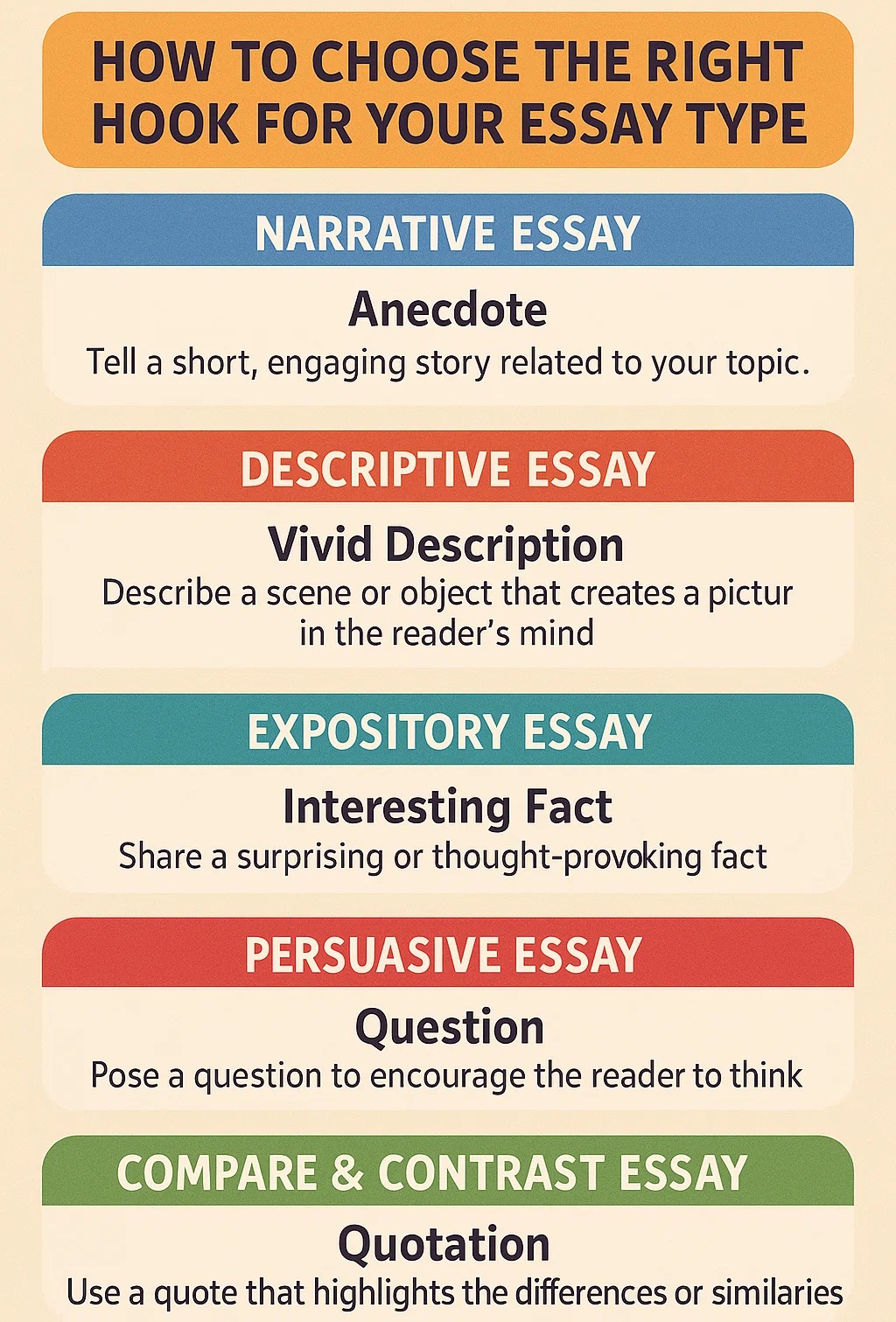
Just as an essayist chooses between a quote, a statistic, or an anecdote, a brand manager must choose the right structural framework for their hook based on their corporate identity and target demographic.
The Anecdotal Hook: Humanizing the Corporate Identity
Personal branding and founder-led companies often rely on the anecdotal hook. This involves starting a brand story with a specific, relatable moment of struggle or triumph. For instance, a brand selling ergonomic office furniture might start with the story of a founder’s debilitating back pain that threatened their career. This hook works because humans are hardwired for narrative. It transforms a faceless corporation into a protagonist, making the subsequent brand strategy feel like a shared journey rather than a sales pitch.
The Statistic-Driven Hook: Establishing Authority in Thought Leadership
In B2B marketing and financial services, the “hard data” hook is often the most effective. By leading with a startling or counter-intuitive statistic, a brand immediately establishes itself as an authority. For example: “85% of startups fail within the first year due to poor brand positioning.” This hook creates a sense of urgency and positions the brand as the expert solution to a documented problem. It appeals to the rational side of the consumer, providing a logical justification for continued engagement.
The Question Hook: Creating a Dialogue with the Consumer
One of the most potent tools in the copywriter’s arsenal is the rhetorical or provocative question. A question hook forces the audience to participate in the narrative. Instead of stating a fact, the brand asks, “Is your brand identity working as hard as you are?” This immediately causes the reader to perform a mental audit of their own situation. By the time they finish answering the question in their head, the brand has already secured their attention for the next phase of the strategy.
Strategic Application Across Digital Touchpoints
A hook is not a “one size fits all” tool. Its execution must be adapted to the specific medium through which the brand is communicating. The essence of the hook remains the same—to engage—but the delivery varies wildly between a landing page and a social media post.
Optimizing Hooks for High-Conversion Landing Pages
On a landing page, the hook is typically the H1 header. This is where brand strategy meets user experience (UX). A successful landing page hook must be clear, concise, and benefit-oriented. In the world of SaaS (Software as a Service), for example, the hook often defines the category. If the hook is too vague, the bounce rate will skyrocket. The goal here is to align the hook with the “search intent” of the visitor. If they clicked an ad for “better project management,” the hook must immediately reassure them they are in the right place.
The Hook in Email Marketing and B2B Outreach
In email marketing, the hook is the subject line. This is perhaps the most literal application of the “hook” concept in a brand’s digital ecosystem. Without a compelling subject line, the rest of the content—no matter how brilliant—is essentially non-existent. Professional brand strategy involves A/B testing these hooks to see which psychological triggers (urgency, curiosity, or utility) resonate most with the specific segment of the audience.
Crafting Hooks for Social Media and Viral Brand Awareness
Social media platforms like Instagram, TikTok, and LinkedIn require “visual hooks” in addition to textual ones. In this context, the hook is the first three seconds of a video or the first sentence of a caption. For a brand to go viral or even just maintain a steady presence, the hook must be “thumb-stopping.” This often involves high-contrast visuals, a bold statement, or a “cliffhanger” that promises a payoff if the viewer stays until the end of the content.
Testing and Refining Your Brand Voice
The creation of a hook is not a one-time event but a continuous process of refinement. A brand’s ability to hook its audience depends on its understanding of that audience’s evolving needs and language.
A/B Testing Your Opening Narratives
Data-driven brand strategy relies on testing different hooks to see which ones drive the highest engagement. By running two versions of an ad or a blog post with different openings, a brand can gain empirical evidence into what truly “hooks” their demographic. Perhaps your audience responds better to a “fear of loss” hook than a “gain of benefit” hook. These insights allow for the optimization of the entire marketing funnel, ensuring that the brand’s message is not just heard, but acted upon.
Maintaining Consistency Between the Hook and Brand Values
A common pitfall in brand strategy is the “bait and switch.” This occurs when a brand uses a sensationalist hook that has nothing to do with the actual value of the product or the core values of the company. While this might generate a temporary spike in clicks, it ultimately erodes brand equity and trust. A professional hook must be an honest representation of the brand’s identity. It should be the most interesting part of the truth, not a fabricated lure. Authenticity is the ultimate long-term hook in personal and corporate branding.
Conclusion: The Hook as a Catalyst for Growth
In conclusion, while the term “hook” may have its origins in the classroom, its mastery is essential for anyone looking to build a formidable brand in the modern era. Whether you are a startup founder crafting a pitch deck, a marketing executive designing a global campaign, or an individual building a personal brand on social media, your hook is your first impression.
A well-crafted hook does more than just grab attention; it sets the tone for the entire brand experience. It establishes credibility, builds emotional rapport, and provides a clear pathway for the consumer to follow. By treating the hook as a strategic priority rather than an afterthought, brands can cut through the noise, foster deeper connections with their audience, and ultimately drive sustainable growth in a competitive landscape. The hook is not just the beginning of your story—it is the reason anyone stays to hear the rest of it.
aViewFromTheCave is a participant in the Amazon Services LLC Associates Program, an affiliate advertising program designed to provide a means for sites to earn advertising fees by advertising and linking to Amazon.com. Amazon, the Amazon logo, AmazonSupply, and the AmazonSupply logo are trademarks of Amazon.com, Inc. or its affiliates. As an Amazon Associate we earn affiliate commissions from qualifying purchases.