
In the world of brand strategy, color is rarely just an aesthetic choice; it is a psychological tool, a historical anchor, and a silent communicator of values. When we ask, “What is the colour khaki?” we are not merely discussing a shade of tan or a dull yellowish-brown. We are exploring one of the most versatile assets in the designer’s toolkit. From its origins on the battlefields of the 19th century to its ubiquitous presence in the modern “business casual” corporate landscape, khaki represents a unique intersection of rugged utility and sophisticated minimalism. For brands looking to convey reliability, heritage, and approachable authority, khaki is more than a pigment—it is a strategic identity.
The Psychology of Khaki: Why Brands Choose the Ultimate Neutral
At its core, khaki is a color that refuses to scream. In a marketplace saturated with neon “disruptors” and aggressive primary colors, khaki provides a sense of visual relief. This psychological “grounding” is why the color is frequently adopted by brands that want to emphasize stability and endurance over fleeting trends.
Trust, Stability, and Earthiness
Psychologically, khaki sits within the family of earth tones. It suggests a connection to the natural world, which inherently fosters feelings of trust and dependability. When a brand incorporates khaki into its corporate identity, it taps into the consumer’s subconscious desire for something permanent. Unlike bright reds that trigger urgency or blues that suggest cold professionalism, khaki offers a “warm professional” vibe. It is the color of the earth, the path, and the foundation. This makes it an ideal choice for brands in sectors like outdoor lifestyle, sustainable manufacturing, and heritage-focused retail, where the promise of “standing the test of time” is a key selling point.
Bridging the Gap Between Rugged and Professional
One of the most powerful brand attributes of khaki is its duality. It occupies a rare middle ground between the “rugged” and the “refined.” For a brand like Land Rover or Filson, khaki evokes the dust of adventure and the resilience of military-grade gear. Conversely, for a financial consultancy or a luxury lifestyle brand, khaki can represent understated elegance—a “quiet luxury” that doesn’t need to flash gold to prove its worth. Mastering this balance allows a brand to appeal to a wide demographic, bridging the gap between the blue-collar worker’s utility and the white-collar executive’s weekend wardrobe.
From Military Uniforms to Corporate Staples: The Heritage Brand Narrative
To understand what the colour khaki is in a branding context, one must understand its history. The word itself comes from the Persian word khak, meaning “dust.” It was first adopted by the British Indian Army in the mid-1840s as a means of camouflage, replacing the conspicuous “red coats” with something that blended into the environment. This transition from “standing out” to “blending in for a purpose” is a foundational narrative for many legacy brands.
Building Authority through Historical Context
Brands that leverage khaki often lean into this military lineage to build a narrative of “field-tested” authority. When a brand uses khaki, it subtly references a history of performance under pressure. This is particularly effective in personal branding and corporate identities that prioritize functional excellence. By adopting the color of the uniform, a brand positions itself as a “tool” for the consumer—something that is meant to be used, not just looked at. This historical weight gives the color a layer of “earned” prestige that newer, synthetic colors simply cannot replicate.
Case Study: How Dockers Rebranded the American Workplace
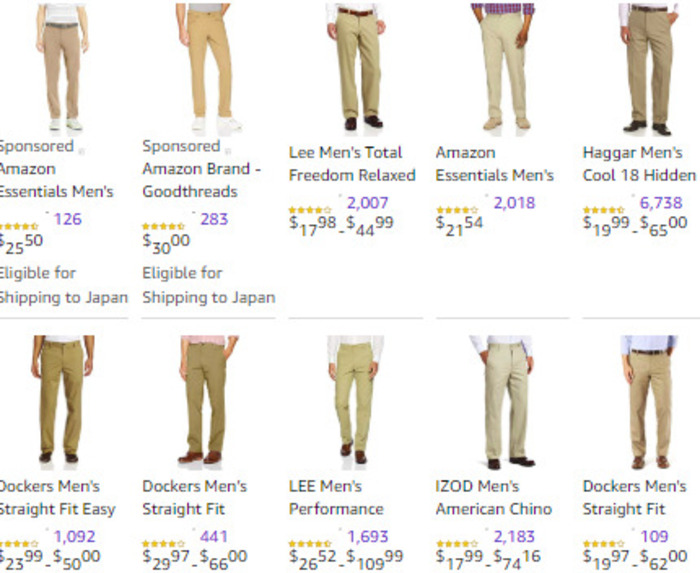
Perhaps no brand has utilized the color khaki more effectively than Dockers. In the late 1980s and early 90s, the American workplace was transitioning away from the rigid formality of the three-piece suit. Dockers didn’t just sell pants; they sold a new corporate identity. By making “khakis” the centerpiece of the “Casual Friday” movement, they redefined the visual language of professional success. The color khaki became synonymous with the approachable leader—the executive who was ready to roll up their sleeves. This strategic move shows how a brand can take a single color and turn it into a cultural shift, effectively owning the “middle space” of the professional market.
Strategic Color Implementation: Integrating Khaki into Visual Identity
For a Brand Strategist, the challenge of khaki lies in its subtlety. Because it is a neutral, it can easily disappear if not paired correctly. However, when used with intent, it acts as a sophisticated anchor that allows other brand elements to shine.

Complementary Palettes and Minimalism
Khaki thrives in a minimalist design framework. When building a brand palette, khaki serves as a more organic alternative to grey or white. When paired with “navy blue,” it evokes a classic, nautical, or preppy aesthetic—perfect for brands targeting traditional, high-trust demographics. When paired with “forest green,” it reinforces an eco-conscious or outdoor narrative.
For modern tech-adjacent brands, khaki is increasingly used to “humanize” a digital identity. By using khaki as a background tone instead of a stark, clinical white, a brand feels more accessible and less like a faceless algorithm. This is a common tactic in “Direct-to-Consumer” (DTC) branding, where the goal is to feel like a friendly, sustainable neighbor rather than a global conglomerate.
Navigating Cultural Perceptions and Global Marketing
In global brand strategy, one must be cautious with khaki’s military connotations. In some regions, khaki is strictly viewed through the lens of authority, police forces, or colonial history. A brand expanding into international markets must decide if they are leaning into that “authority” or if they need to pivot the shade toward a “sand” or “stone” variation to avoid unwanted political associations. Understanding the nuance of the shade—moving from a greenish-khaki to a more tan-based khaki—can change the brand message from “strictly tactical” to “safari-chic” or “urban professional.”
Digital Branding and Khaki: Consistency Across Platforms
In the digital age, “what is the colour khaki” becomes a technical question as much as a psychological one. Maintaining brand consistency across various screens and physical products is a primary concern for modern marketing departments.
Optimizing Khaki for User Experience (UX) and Interface Design
In digital design, khaki serves as an excellent “neutral” for UI (User Interface) backgrounds. It has a lower “luminance” than pure white, which reduces eye strain—a concept known as “dark mode’s softer cousin.” Brands that focus on long-form content, such as editorial platforms or educational tools, often use khaki-adjacent tones to keep users engaged for longer periods without fatigue.
From a strategic standpoint, using khaki in a digital interface communicates that the brand is “analog-friendly.” It suggests that the digital experience is just an extension of a tactile, real-world service. This is vital for brands that sell physical goods; the website should feel as textured and grounded as the product itself.
The Future of Organic Tones in a Tech-Driven World
As we move further into an era dominated by Artificial Intelligence and virtual environments, there is a counter-trend in branding toward “Hyper-Physicality.” Brands are increasingly using “human” colors—skin tones, clays, and khakis—to differentiate themselves from the cold, glowing blues of the tech giants.
The future of khaki in brand strategy lies in its ability to provide a sense of “realness.” In a world of deepfakes and digital perfection, the slight “imperfection” and organic warmth of khaki offer a brand a sense of authenticity. It is a color that says, “We exist in the real world.” For companies looking to build long-term brand equity, embracing this “earth-bound” identity is a powerful way to signal longevity in an increasingly volatile digital economy.

Conclusion: The Strategic Value of the “Invisible” Color
So, what is the colour khaki? In the context of brand strategy, it is the ultimate chameleon. It is a color that has mastered the art of being essential without being loud. For a brand, choosing khaki is a declaration of confidence—a statement that the brand’s value is built on substance, heritage, and reliability rather than flash-in-the-pan marketing gimmicks.
Whether it is used to ground a high-tech interface, define a new corporate dress code, or evoke the rugged history of exploration, khaki remains a foundational pillar of visual identity. It is the color of the reliable partner, the seasoned expert, and the timeless classic. In the competitive landscape of modern branding, where everyone is shouting for attention, sometimes the most strategic move is to speak in the calm, authoritative tones of khaki.
aViewFromTheCave is a participant in the Amazon Services LLC Associates Program, an affiliate advertising program designed to provide a means for sites to earn advertising fees by advertising and linking to Amazon.com. Amazon, the Amazon logo, AmazonSupply, and the AmazonSupply logo are trademarks of Amazon.com, Inc. or its affiliates. As an Amazon Associate we earn affiliate commissions from qualifying purchases.