
The Fallout franchise stands as a monolith in the landscape of Western role-playing games (RPGs), not merely for its satirical storytelling or its retro-futuristic aesthetic, but for its significant contributions to the evolution of game engine architecture and interactive software design. When asking “what is the best Fallout game,” the answer depends heavily on which technological milestone one values most: the foundational logic of isometric systems, the atmospheric immersion of 3D rendering, or the complex stability of modern modding frameworks. To determine the pinnacle of the series, we must analyze these titles as software products that pushed the boundaries of contemporary hardware.
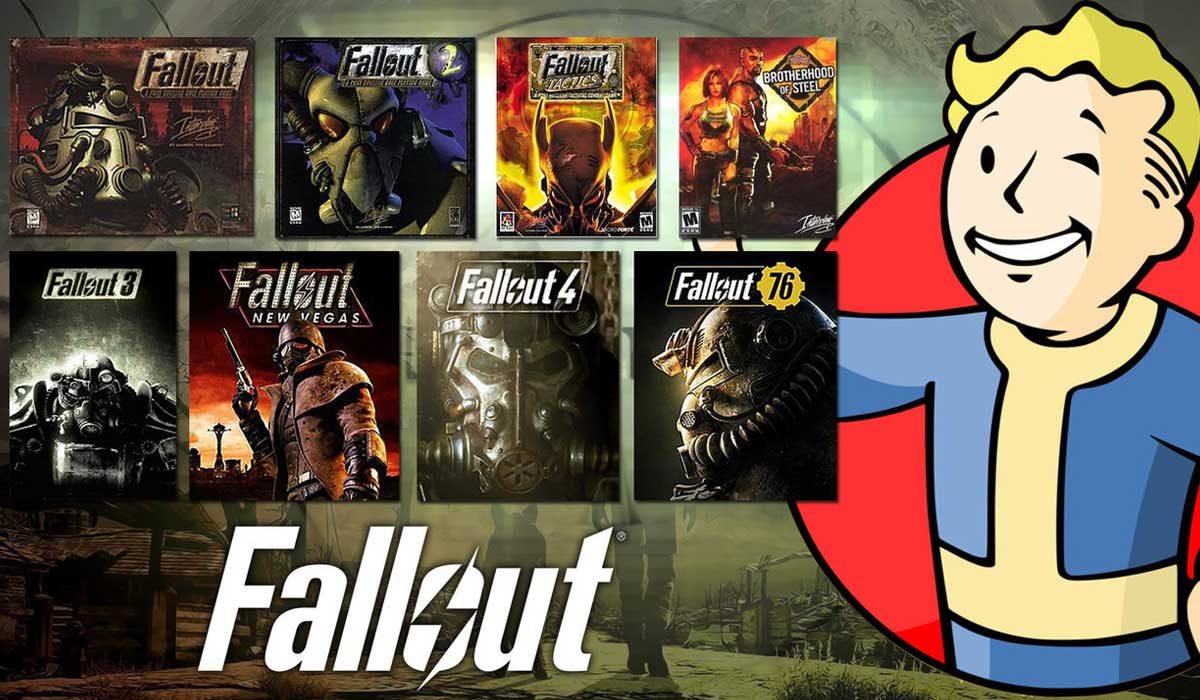
The Architectural Foundation: From Isometric Strategy to 3D Realism
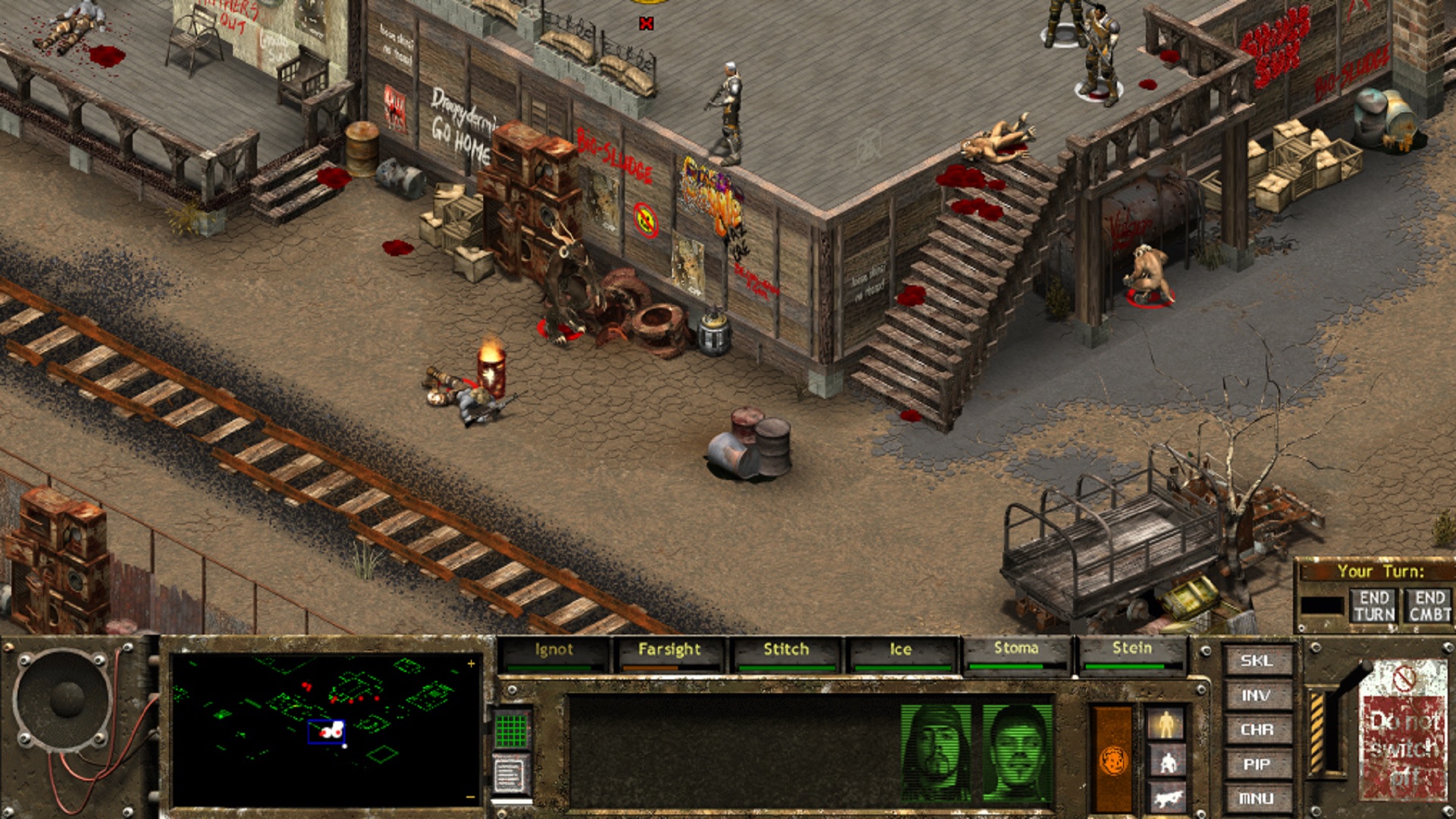
The technological journey of the Fallout series is defined by a radical shift in perspective and processing requirements. The original titles, Fallout (1997) and Fallout 2 (1998), were built on an engine that utilized a hex-based grid and pre-rendered 2D assets. From a software engineering standpoint, these games were masterclasses in resource management, providing deep narrative branching within the constraints of limited RAM and CPU speeds of the late 90s.
The Legacy of the Isometric Engine and Early UI Design
In the early days of Interplay and Black Isle Studios, the “best” game was defined by its ability to simulate a tabletop RPG experience via a digital interface. The tech behind Fallout 1 and 2 relied on sprite-based animation and a complex “S.P.E.C.I.A.L.” logic system running in the background. This backend script handled thousands of variables—ranging from reputation levels to limb-specific damage—without the luxury of modern multi-core processing. The efficiency of this 2D engine allowed for a level of reactivity in the game world that many modern 3D titles still struggle to replicate.
The Gamebryo Transition: Redefining Open-World Scalability
The release of Fallout 3 in 2008 marked a seismic shift in the series’ technological DNA. By migrating the IP to the Gamebryo engine, Bethesda Game Studios transitioned the wasteland into a fully realized 3D environment. This was a massive undertaking in asset streaming and LOD (Level of Detail) management. For the first time, players could see the Washington Monument on the horizon and physically travel to it without loading screens between exterior cells. This era of Fallout tech prioritized environmental storytelling through “clutter” physics—the ability of the engine to track the location of thousands of individual objects (like tin cans or surgical tubing) throughout the game world.
Mechanics and AI: The Technical Logic of the Wasteland
Beyond visual rendering, the “best” Fallout game must be evaluated by the sophistication of its underlying mechanics. The series has consistently experimented with how a computer handles player choice and combat resolution, leading to some of the most recognizable systems in gaming history.
V.A.T.S. as a Breakthrough in Hybrid Combat Systems
The Vault-Tec Assisted Targeting System (V.A.T.S.) is more than a gameplay mechanic; it is a sophisticated piece of software logic designed to bridge the gap between real-time action and turn-based strategy. In Fallout 3 and Fallout: New Vegas, V.A.T.S. required the engine to calculate real-time ballistics, hit probabilities based on character stats, and dynamic camera positioning—all while pausing or slowing the game world. This tech solved the problem of making a traditional RPG accessible to players who lacked the reflexes for standard first-person shooters, representing a major innovation in “accessible design” within complex software.
Radiant AI and Procedural Narratives in Fallout 4
With the jump to the Creation Engine in Fallout 4, Bethesda introduced a more advanced version of “Radiant AI.” This system allowed non-player characters (NPCs) to make decisions based on a hierarchy of needs and environmental factors. While earlier iterations were rudimentary, the tech in Fallout 4 allowed for more dynamic world events where different factions could engage in skirmishes without player intervention. This procedural approach to world-building ensured that no two playthroughs were technically identical, pushing the hardware of the PlayStation 4 and Xbox One eras to their limits in terms of NPC density and script execution.
Modding Ecosystems and Long-Term Software Viability
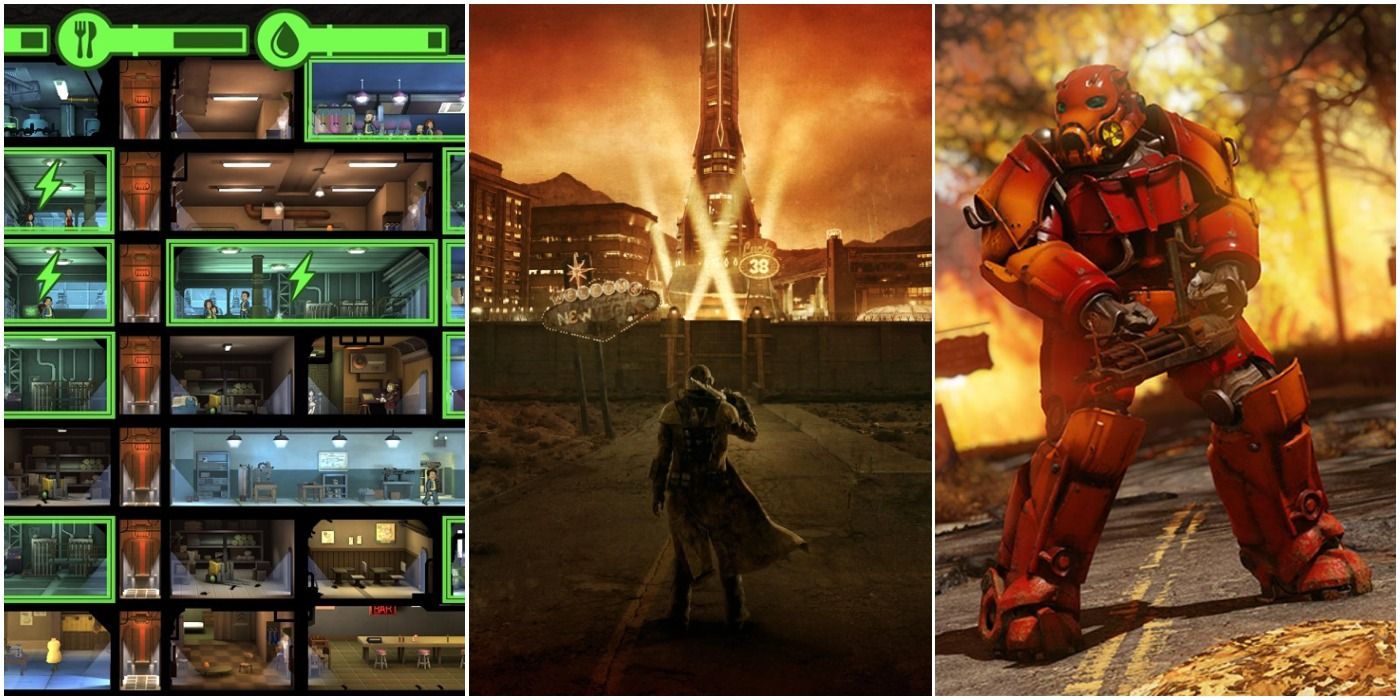
In the tech community, the longevity of a software product is often measured by its extensibility. The Fallout series, particularly from Fallout 3 onwards, is legendary for its “moddability.” The best game in the series is often argued to be the one that provides the most stable and versatile platform for community-driven development.
The Creation Kit: Empowering the Community Developer
Bethesda’s decision to release the “Creation Kit”—the same toolset used by the professional developers—turned Fallout 4 and Fallout: New Vegas into evergreen platforms. From a software perspective, this is a remarkable feat of configuration management. The engine was designed to load “loose files” and override core archives, allowing hobbyist coders to inject new scripts, textures, and assets into the game. This has led to “total conversion mods” that are essentially new games built on the Fallout tech stack, proving that the software architecture was robust enough to handle unforeseen workloads.
Script Extenders and Modern Optimization Patches
The technical “best” version of a game like Fallout: New Vegas often exists not in its retail state, but in its modded state. The community developed “Script Extenders” (like NVSE), which are essentially binary hacks that expand the engine’s scripting capabilities. These tools allow for modern features like high-refresh-rate monitor support, 4K UI scaling, and memory management fixes that were not possible at the time of the game’s original release. This symbiosis between official software and community patches has kept 15-year-old codebases relevant in the modern tech era.
The Technological Peak: Comparing Performance and Immersion
When evaluating which Fallout game is the definitive technical achievement, we must look at how each title balanced its ambitions against the limitations of its era.
Fallout: New Vegas and the Narrative-Tech Paradox
Fallout: New Vegas is frequently cited as the best entry due to its writing, but from a pure engineering standpoint, it was a troubled release. Built in only 18 months using the Fallout 3 codebase, it pushed the Gamebryo engine past its breaking point. The complexity of its branching scripts and the density of the Las Vegas Strip led to significant stability issues. However, the game is a fascinatng case study in “software narrative density,” proving that even with dated graphics and an unstable engine, complex logical systems can create a highly immersive user experience.
Fallout 76: The Challenges of Server-Side Infrastructure
Fallout 76 represents the most significant technical pivot in the series: the transition from a single-player sandbox to a multiplayer online service. This required a complete overhaul of the Creation Engine’s networking code. Engineers had to solve the “Atlas” problem—syncing physics, object locations, and weather across dozens of clients in real-time. While the launch was technically fraught, the current state of Fallout 76 is a testament to iterative software improvement and the successful deployment of cloud-based server infrastructure for persistent open worlds.
Conclusion: Which Iteration Represents the Pinnacle of Software Excellence?
In the debate over the “best” Fallout game, a clear distinction emerges between narrative design and technical execution.
If the metric for “best” is software stability and graphical fidelity, Fallout 4 is the winner. Its use of physically based rendering (PBR), improved lighting systems, and a more stable 64-bit architecture makes it the most refined technical product in the franchise. It represents the point where the series finally overcame many of the performance bottlenecks of the 32-bit era.
However, if the metric is innovative software logic and extensibility, Fallout: New Vegas (when paired with modern community patches) remains the peak of the series. Its ability to manage complex player-choice variables within a sprawling 3D environment remains a benchmark for RPG system design.
Ultimately, the Fallout series serves as a chronological map of the gaming industry’s technological progress. From the clever 2D optimizations of the 90s to the massive, moddable 3D sandboxes of today, each entry reflects a specific era of engineering ingenuity. The “best” game is the one that most successfully uses its technological tools to make the end of the world feel convincingly alive.
aViewFromTheCave is a participant in the Amazon Services LLC Associates Program, an affiliate advertising program designed to provide a means for sites to earn advertising fees by advertising and linking to Amazon.com. Amazon, the Amazon logo, AmazonSupply, and the AmazonSupply logo are trademarks of Amazon.com, Inc. or its affiliates. As an Amazon Associate we earn affiliate commissions from qualifying purchases.