
The question of what constitutes the “best” car brand is a subjective puzzle that automotive enthusiasts, casual drivers, and industry analysts have debated for over a century. However, from a brand strategy perspective, the “best” brand isn’t necessarily the one with the fastest engine or the highest horsepower. Instead, it is the brand that most effectively aligns its corporate identity with consumer expectations, creates an unshakable sense of loyalty, and maintains a consistent value proposition across decades.
In the modern marketplace, a car brand is no longer just a manufacturer of transportation; it is a lifestyle curator and a symbol of identity. Whether it is the rugged reliability of a Japanese stalwart or the high-octane prestige of a European luxury house, the best car brand is defined by the strength of its brand equity.
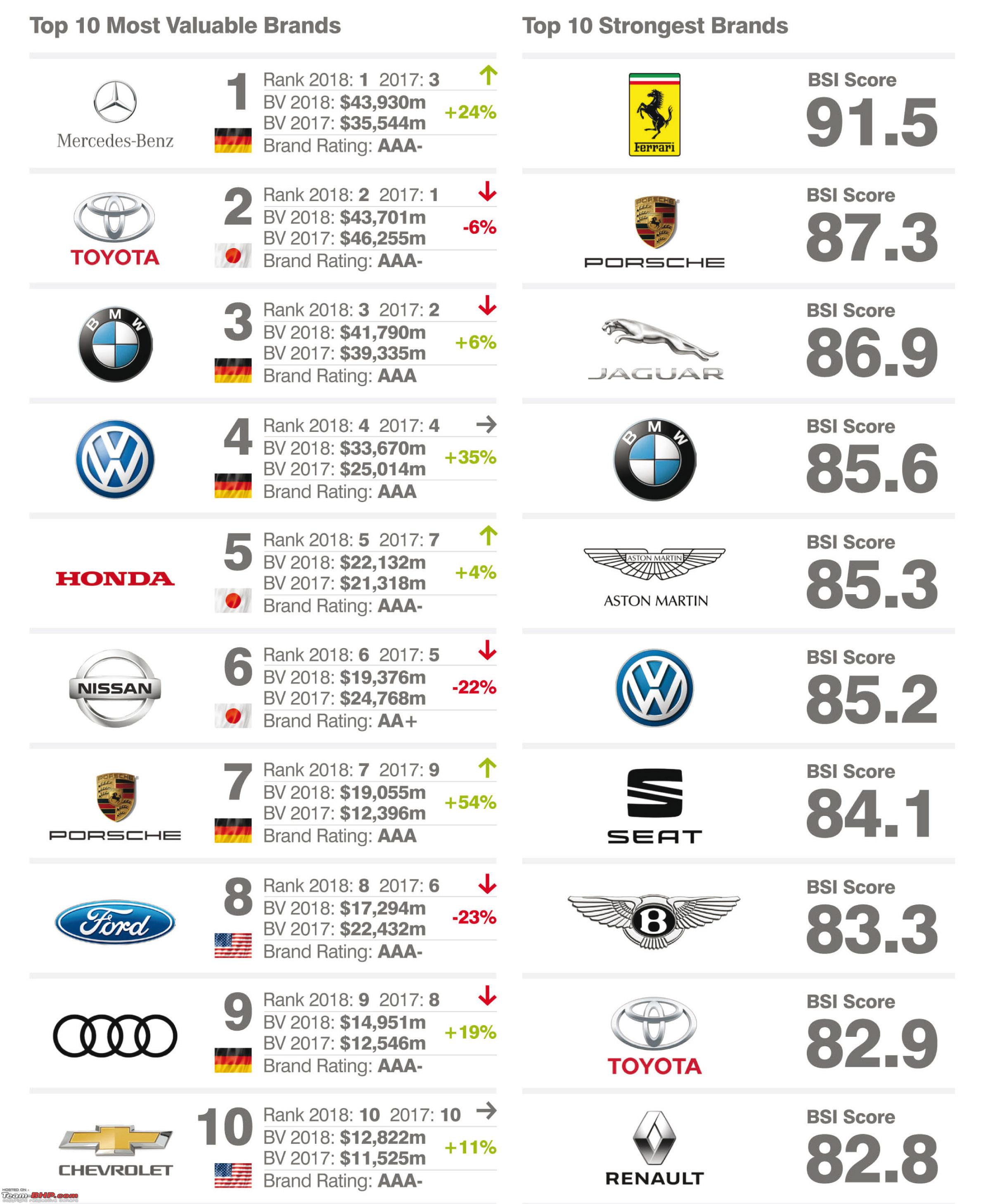
The Psychology of Automotive Branding: The Core Pillars
To understand why certain car brands dominate the global consciousness, we must look at the psychological pillars that support their brand strategy. A successful automotive brand does not sell steel and rubber; it sells a promise.
Heritage and Storytelling: Why History Matters
One of the most powerful tools in a brand’s arsenal is its history. Brands like Mercedes-Benz and Ford leverage their heritage to create a sense of permanence and reliability. When a consumer chooses a brand with a century of history, they are purchasing a piece of a legacy. This storytelling strategy creates an emotional moat that new competitors find difficult to cross. Heritage-based branding suggests that if a company has survived economic depressions, world wars, and technological shifts, it possesses an inherent “DNA” of quality that a startup cannot replicate overnight.
Visual Identity and Design Language
A brand’s visual identity is its first point of contact with the consumer. In the automotive world, this is expressed through “design language.” For instance, BMW’s signature “kidney grille” or the iconic silhouette of a Porsche 911 serves as a visual shorthand for the brand’s values. When a design language is consistent, it builds brand recognition. This consistency ensures that even from a distance, a consumer can identify the brand, reinforcing the brand’s presence in the public’s subconscious. A strong visual identity suggests a clear corporate vision, which in turn breeds consumer confidence.
Case Studies in Brand Excellence: The Leaders
To determine the “best” brand, we must examine those that have mastered the art of market positioning and corporate identity. These brands have moved beyond being mere products to becoming cultural icons.
Toyota: The Brand of Reliability and Trust
Toyota is frequently cited as the best car brand globally, not because it produces the most exciting vehicles, but because its brand strategy is rooted in the “Quality, Durability, and Reliability” (QDR) framework. Toyota has successfully branded itself as the “sensible choice.” By focusing on the Toyota Production System and “Kaizen” (continuous improvement), the brand has built a reputation for dependability that is virtually unmatched. For the consumer, the Toyota brand represents a reduction in risk—a powerful psychological motivator that leads to high retention rates.
Tesla: Disrupting the Status Quo through Innovation Branding
Tesla represents a masterclass in modern brand strategy. Unlike traditional manufacturers, Tesla positioned itself as a tech company first and an automaker second. By focusing on a mission to “accelerate the world’s transition to sustainable energy,” Tesla moved the conversation away from traditional metrics like “zero to sixty” and toward “innovation and future-proofing.” This “Challenger Brand” identity allowed Tesla to bypass traditional advertising, relying instead on the personal brand of its leadership and a cult-like community of early adopters. Tesla proved that the “best” brand can sometimes be the one that defines the future rather than honoring the past.
Porsche: The Mastery of Aspirational Positioning
If Toyota represents reliability, Porsche represents aspiration. Porsche’s brand strategy is a delicate balance between exclusivity and accessibility. They have managed to maintain the prestige of a high-end sports car manufacturer while expanding their brand into SUVs and sedans without diluting their core identity. This is known as “brand stretching.” By ensuring that every vehicle—be it a Cayenne or a Taycan—retains the “Porsche feel,” they have successfully migrated their brand equity into new segments, proving that a strong identity can survive a radical change in product format.
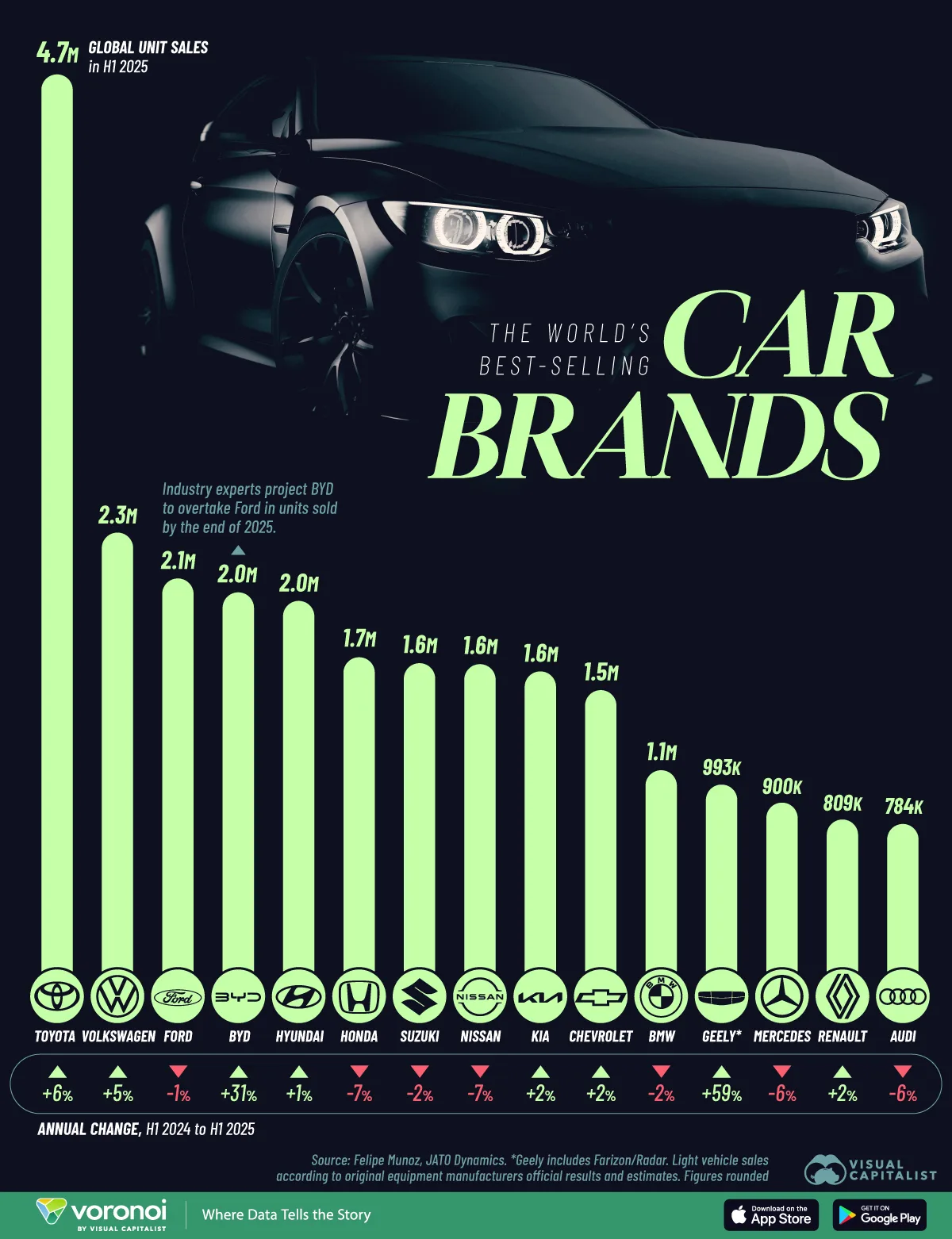
The Role of Marketing and Customer Experience
A brand is not just what the company says it is; it is what the customer experiences. In the automotive sector, the brand experience extends far beyond the point of sale.
Relationship Marketing: Beyond the Showroom Floor
The best car brands understand that the “sale” is just the beginning of the relationship. Brands like Lexus have built their entire identity around superior customer service. This is a form of relationship marketing where the brand promises that the owner will be treated with a specific level of hospitality (the Japanese concept of Omotenashi). When a brand controls the environment of its dealerships and service centers to reflect its core values, it reinforces the brand’s integrity. This attention to the post-purchase experience is what turns a one-time buyer into a lifelong brand advocate.
Brand Loyalty and the “Cult” of the Enthusiast
For many, the “best” brand is the one that fosters a sense of community. Brands like Jeep or Subaru have successfully cultivated “tribes.” Jeep owners engage in the “Jeep Wave,” and Subaru has positioned itself as the brand for outdoor enthusiasts and pet lovers through its “Share the Love” campaigns. This strategy moves the brand into the realm of personal identity. When a consumer feels that a brand reflects their personal values and lifestyle, the brand becomes “the best” for them specifically, regardless of what the technical data might say.
Future-Proofing: Rebranding for the Electric Age
The automotive industry is currently undergoing its most significant shift in a century: the transition to electrification. This shift poses a massive challenge to brand identities that were built on the roar of an internal combustion engine.
Navigating the Pivot to Sustainability
As the world moves toward green energy, brands are having to redefine what they stand for. A brand like Volvo has leaned heavily into this, rebranding itself as a leader in safety and sustainability. By setting ambitious goals to become fully electric, Volvo is aligning its brand with the ethical concerns of the modern consumer. The “best” brand in the coming decade will likely be the one that manages this transition without losing its original soul. It is a tightrope walk between staying relevant and staying authentic.
Digital Branding and the User Interface (UI) Experience
As cars become “computers on wheels,” the brand experience is increasingly shifting from the steering feel to the software interface. The way a dashboard looks, the responsiveness of the touchscreen, and the seamlessness of smartphone integration are now core components of the brand identity. Traditional brands are now competing with tech giants for “screen time” within the car. The brand that masters the digital user experience (UX) will likely capture the next generation of drivers, for whom software performance is just as important as mechanical performance.

Conclusion: Defining “Best” Through the Lens of Brand Value
Ultimately, the “best” car brand is a title earned through the consistent delivery of a brand promise. There is no singular winner because different brands satisfy different psychological and practical needs.
If the “best” is defined by market dominance and universal trust, Toyota remains the undisputed king of brand strategy. If “best” is defined by the ability to inspire passion and command a premium, Porsche stands as the gold standard. And if “best” is defined by the courage to disrupt and lead the technological vanguard, Tesla currently holds the mantle.
In the end, the strength of a car brand lies in its ability to tell a story that the consumer wants to be a part of. Whether that story is one of safety, speed, status, or sustainability, the brands that succeed are those that understand that a car is not just a tool for transportation—it is a vessel for the driver’s identity and aspirations. The best car brand is the one that makes you feel exactly how you want to feel when you are behind the wheel.
aViewFromTheCave is a participant in the Amazon Services LLC Associates Program, an affiliate advertising program designed to provide a means for sites to earn advertising fees by advertising and linking to Amazon.com. Amazon, the Amazon logo, AmazonSupply, and the AmazonSupply logo are trademarks of Amazon.com, Inc. or its affiliates. As an Amazon Associate we earn affiliate commissions from qualifying purchases.