
In the rapidly evolving landscape of social media, few features have commanded as much daily attention and user loyalty as the Snapchat “Snapstreak.” Originally designed as a simple way to track consistent interaction between two users, the Snapstreak has evolved into a sophisticated engagement tool that blends user psychology with intricate software algorithms. For the modern tech enthusiast or casual user, understanding how these streaks function—and the technical infrastructure supporting them—is essential for navigating the world’s most popular ephemeral messaging app.
The Architecture of the Snapstreak: How it Works
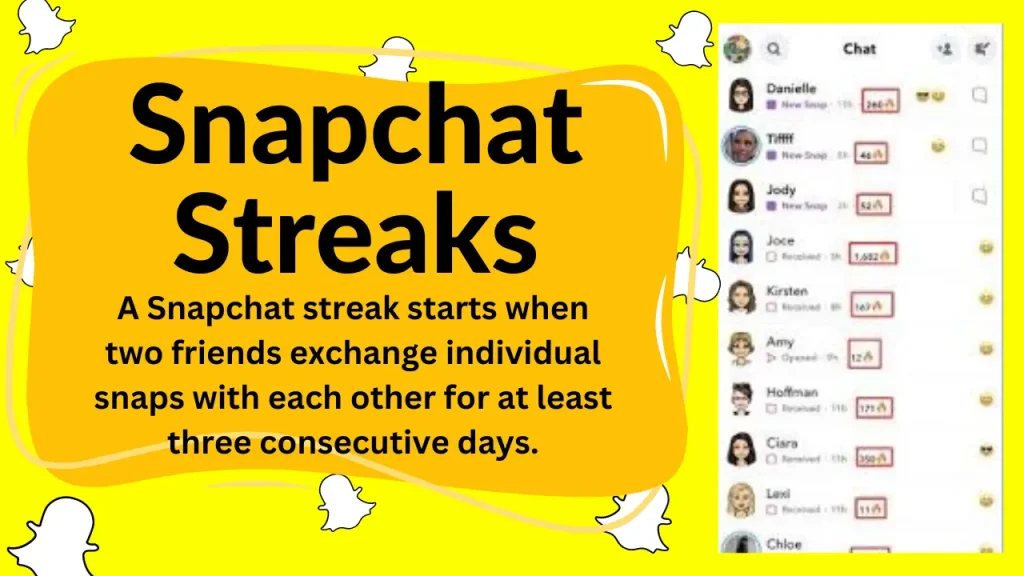
At its core, a Snapstreak is a metric of frequency and consistency. To the end-user, it appears as a small fire emoji next to a friend’s name, accompanied by a number representing the number of consecutive days the streak has been maintained. However, beneath this simple UI element lies a strict set of technical parameters that govern its existence.
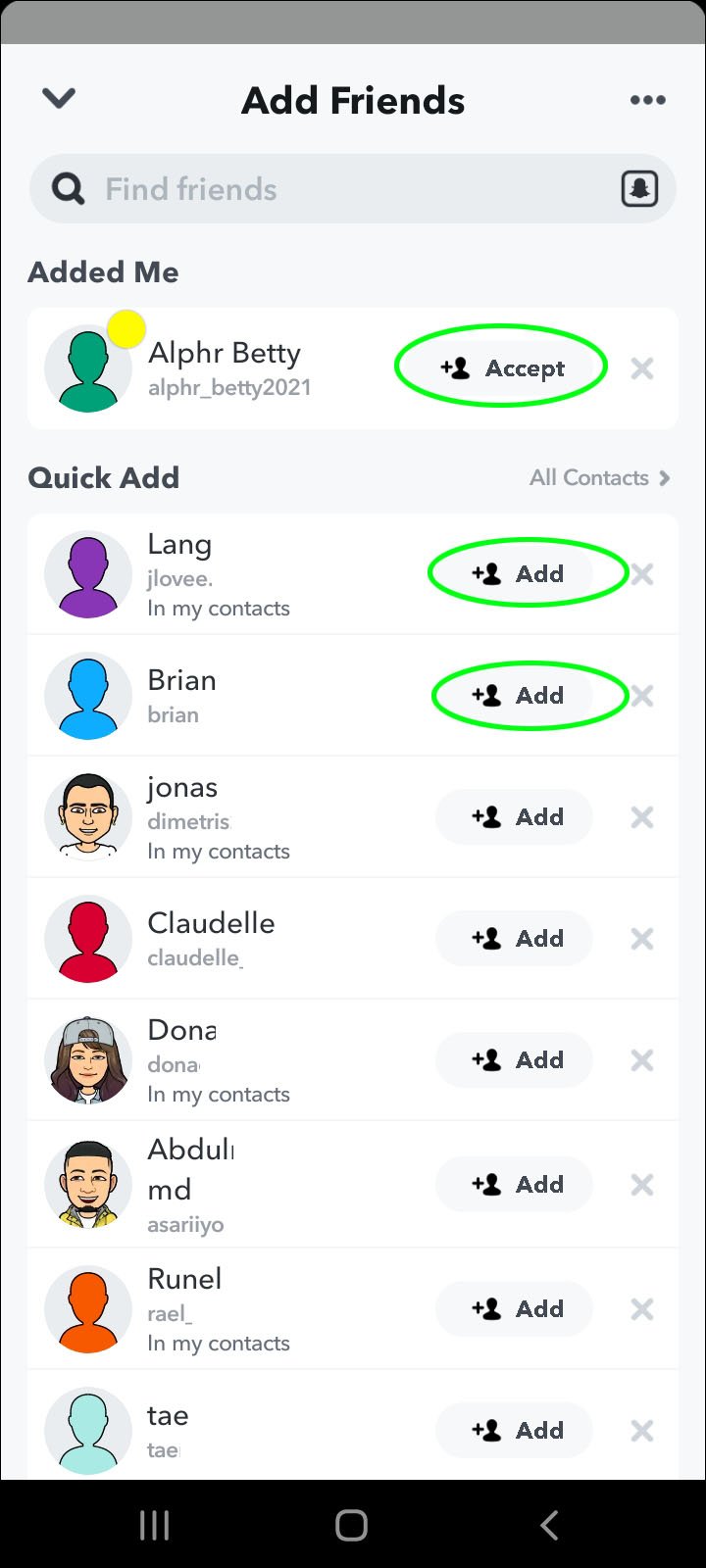
Definition and Requirements
A Snapstreak is established when two users send a “Snap”—either a photo or a video—to each other for at least three consecutive days. The technical definition of a “Snap” is specific: it must be a piece of media captured through the Snapchat camera. Text-based chats, “Memories” sent from the camera roll, and media sent within a Group Chat do not count toward the streak calculation. This distinction is critical from a software perspective, as it encourages real-time data generation rather than the resharing of stored assets.
The Visual Indicators: Emojis and Symbols
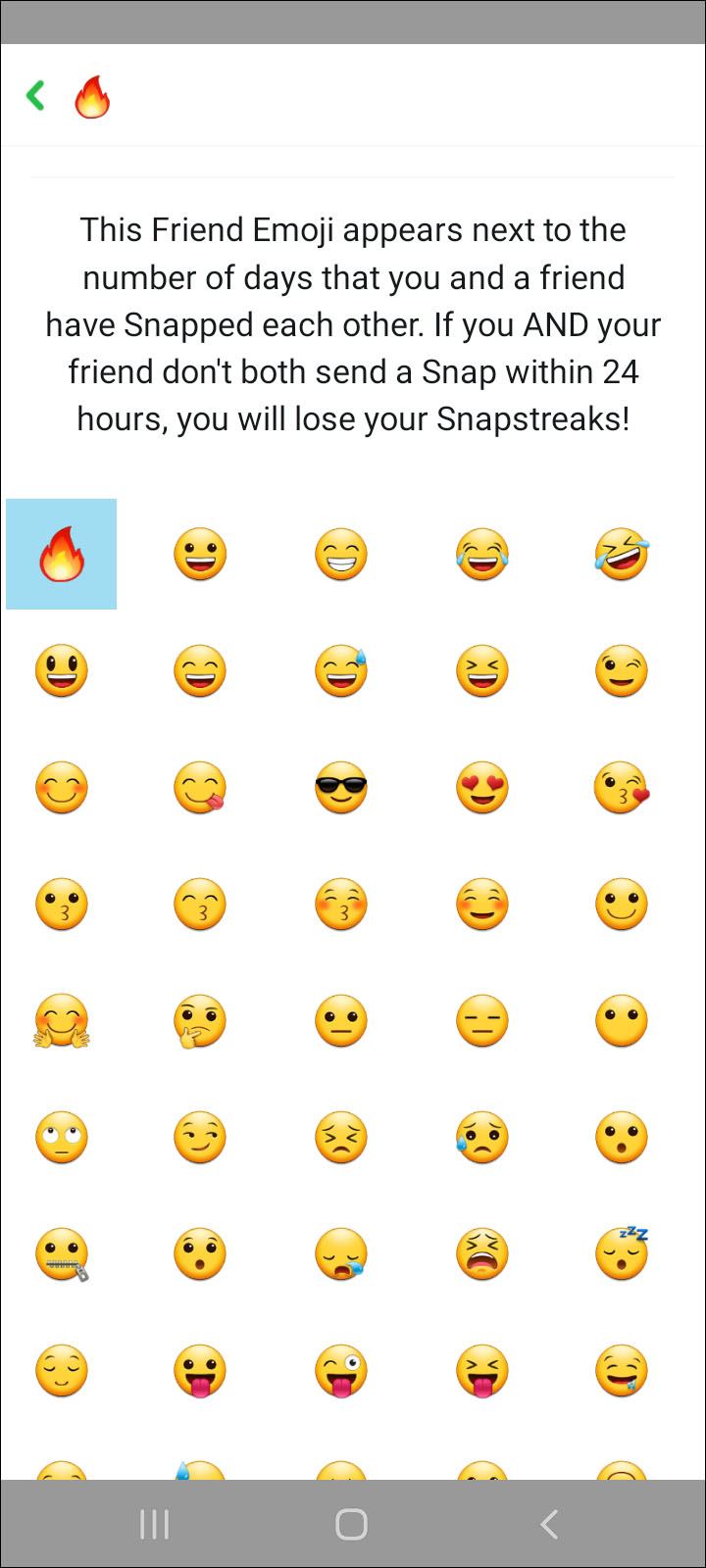
Snapchat utilizes dynamic UI icons to communicate the status of a streak. The “Fire” emoji ( ) signifies the streak is active. Once a streak reaches 100 days, the “100” emoji ( ) appears. These icons are not static; they are linked to a server-side counter that updates every time a valid Snap is exchanged and acknowledged by the system. If the system detects that a 24-hour window is nearing its end without a reciprocal Snap, it triggers the “Hourglass” emoji (⏳), serving as a visual push notification to the user.
The Hourglass: The Critical 24-Hour Window
The 24-hour window is the fundamental constraint of the Snapstreak. This is not tied to a calendar day (midnight to midnight) but rather a rolling 24-hour timer based on the last Snap sent. Maintaining this requires high synchronization between the client-side app and Snapchat’s central servers. When a user sends a Snap, a timestamp is recorded. The server then waits for a response from the recipient. If that response doesn’t occur within the next 24-hour cycle, the streak record is flagged for expiration.
Behind the Algorithm: Gamification and User Retention
The Snapstreak is more than just a fun counter; it is a masterclass in software-driven gamification. By rewarding daily usage with a visual “trophy,” Snapchat has created a powerful retention loop that keeps users returning to the app at least once every 24 hours.
The Psychology of Streaks
From a tech-product perspective, streaks leverage “Loss Aversion”—a psychological principle where the pain of losing something (a 500-day streak) is more motivating than the pleasure of gaining something new. Snapchat’s developers designed this feature to build a “habit loop.” The trigger is the notification or the hourglass icon; the action is taking a Snap; and the reward is seeing the number increment. This cyclical behavior is a key metric for “Daily Active Users” (DAU), a vital statistic for any software platform’s health.
Data Privacy and Connection Security
Maintaining a streak involves the constant transmission of media data. Snapchat’s technical infrastructure handles this through end-to-end encryption for the media itself, though metadata (like the timestamp of the snap and the streak count) is managed on their servers to ensure both parties see the same streak number simultaneously. This synchronization ensures that even if one user is offline or has a poor connection, the streak status remains consistent across the cloud once they reconnect.
Integration with Snapchat+ and New Features
In recent years, Snapchat has introduced “Snapchat+,” a premium subscription tier that offers advanced technical tools for streak management. One of the most notable features is the “Streak Freeze.” This allows a user to pause a streak if they know they will be away from their phone or in an area without internet access. This technical override allows users to bypass the 24-hour server check, proving how valuable these digital connections are perceived to be in the app’s ecosystem.
Technical Troubleshooting and Streak Management
Despite the robustness of Snapchat’s servers, technical glitches can occur. Whether due to a software bug, server downtime, or a simple lapse in memory, losing a long-running streak can be a frustrating experience for users.
Common Reasons for Losing a Streak
The most common cause for a streak ending is the “24-hour lapse,” but technical issues can also play a role. App crashes, failure to upload (stuck on “Sending…”), or cache corruption can prevent a Snap from being registered on the server. If the app’s cache becomes overloaded with temporary files, it may fail to communicate the “Snap Sent” status to the central database, leading to an accidental streak loss even if the user performed the action.
The Streak Restoration Process
Recognizing that technical failures happen, Snapchat has implemented a “Restore” feature. Originally, this required a manual support ticket through the Snapchat website, where a technical support representative would review the logs and manually update the streak counter. Today, the process is more automated. Users can often find a “Restore” button within the app itself. Technically, this triggers a script that checks the user’s recent activity logs to see if a genuine effort was made to send a Snap during the window, or it allows a one-time “forgiveness” to reset the counter to its previous state.
Optimizing App Settings for Streak Maintenance
To ensure the technical success of a Snapstreak, users are often advised to optimize their device settings. This includes enabling “Background App Refresh” on iOS or “Allow Background Data Usage” on Android. Without these permissions, the app may not be able to sync the streak status or send notifications (like the hourglass) when the app is closed. Furthermore, keeping the app updated is crucial, as Snapchat frequently rolls out patches to fix bugs that affect the real-time syncing of emojis and streak counters.
The Impact of Streaks on Digital Communication Patterns
The technical existence of streaks has fundamentally changed how people interact with their devices. It has shifted the paradigm of social media from a “post-when-ready” model to a “post-to-maintain” model.
Shift from Content Quality to Frequency
In many social platforms, the goal is to create high-quality content that garners likes. However, the technical requirement of the Snapstreak prioritizes frequency over quality. This has led to the “Streak Snap”—a low-effort image (often just a black screen or a blurry photo) sent solely to fulfill the 24-hour requirement. From a network traffic perspective, this results in a massive volume of low-data-weight images moving through Snapchat’s servers, requiring sophisticated compression and delivery protocols to keep the experience seamless.
Managing Digital Well-being and Notifications
As streaks become a central part of a user’s digital identity, the tech community has begun to discuss the impact on digital well-being. The “Hourglass” notification is technically a high-priority push notification. For many users, this creates a sense of “digital obligation.” High-end smartphone operating systems now include “Focus Modes” and “Digital Wellbeing” dashboards that allow users to see exactly how much time they spend on Snapchat, often revealing that the technical compulsion to maintain streaks accounts for a significant portion of their screen time.
The Future of Streaks and Augmented Reality (AR)
Looking forward, Snapchat is integrating streaks with its advanced AR (Augmented Reality) capabilities. We are seeing the introduction of “Streak Lenses”—special filters that change appearance based on how long a streak has been active. This requires the AR engine to pull live data from the streak counter and render graphics in real-time. This level of integration shows that the Snapstreak is no longer just a simple number; it is a core data point that influences the entire user experience within the app’s ecosystem.
In conclusion, a Snapchat Streak is a sophisticated intersection of app development, server-side data management, and human psychology. While it may appear as a simple fire emoji to the millions of teenagers and young adults using the app, it is supported by a robust technical framework designed to maximize engagement and ensure seamless communication across global networks. Understanding the “how” and “why” behind this feature provides a fascinating look into the mechanics of modern social technology.
aViewFromTheCave is a participant in the Amazon Services LLC Associates Program, an affiliate advertising program designed to provide a means for sites to earn advertising fees by advertising and linking to Amazon.com. Amazon, the Amazon logo, AmazonSupply, and the AmazonSupply logo are trademarks of Amazon.com, Inc. or its affiliates. As an Amazon Associate we earn affiliate commissions from qualifying purchases.