
In the world of commodities, gold, oil, and coffee often dominate the headlines. However, there is a niche, high-value asset class that has quietly outperformed many traditional agricultural products: maple syrup. Often referred to by economists as “liquid gold,” maple syrup is far more than a breakfast condiment. It represents a sophisticated multi-billion dollar industry with unique market dynamics, a powerful regulatory cartel, and a global supply chain that offers fascinating insights into supply-side economics and alternative investment strategies.
To understand what maple syrup is from a financial perspective, one must look beyond the bottle and into the strategic reserves, the monopoly-like control of production in Quebec, and the shifting global demand that has turned a seasonal forest product into a stable, high-yield commodity.
The Commodity Landscape: Understanding the “OPEC of Syrup”
When we define maple syrup in a financial context, we are looking at an agricultural commodity that is governed by some of the strictest production controls in the world. Unlike corn or soy, which are grown globally, maple syrup production is geographically centralized, creating a natural economic moat for those who control the land.
Supply Dynamics and the Quebec Monopoly
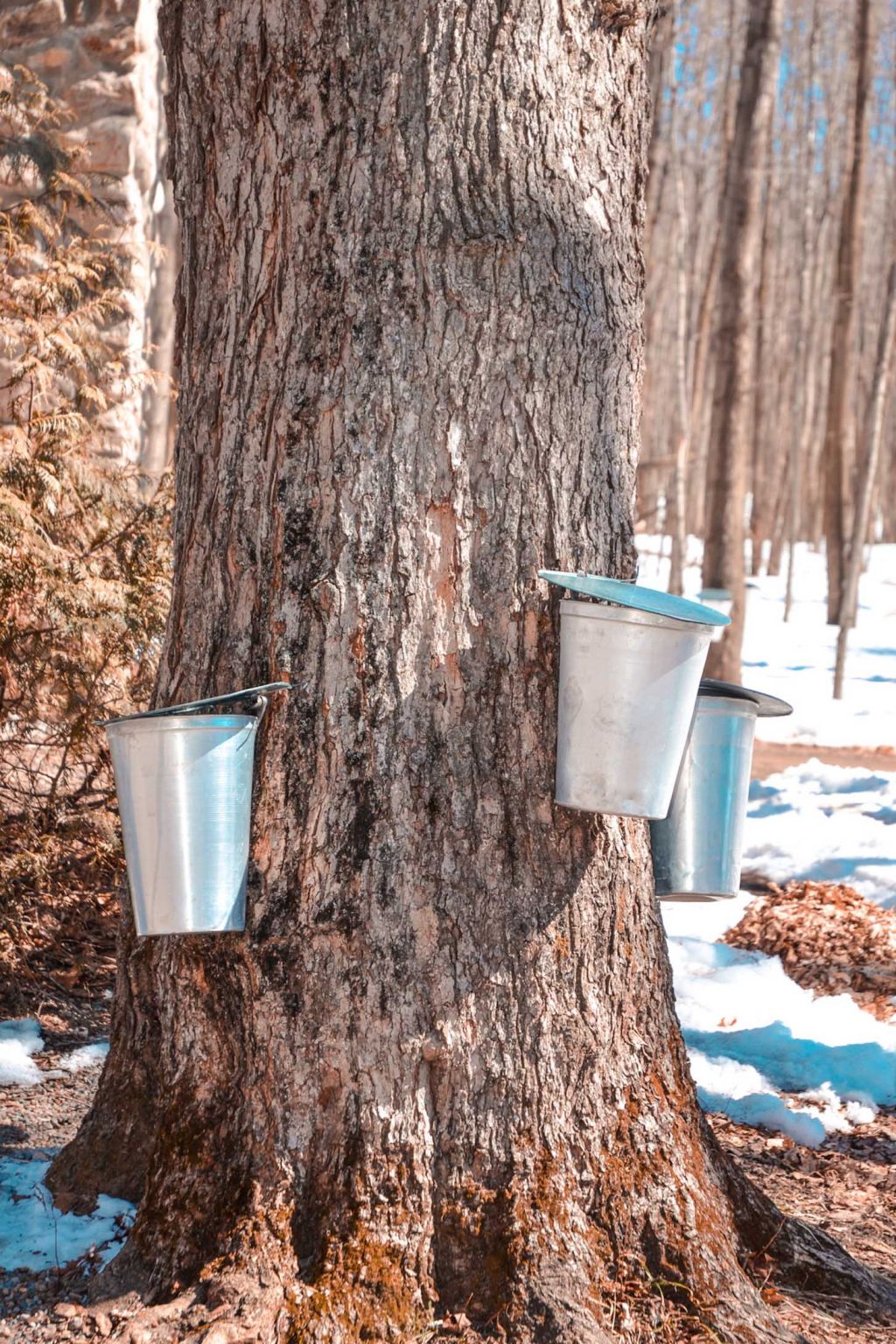
Over 70% of the world’s maple syrup supply is produced in the Canadian province of Quebec. This geographic concentration allows for a level of market control rarely seen in modern agriculture. For an investor or business analyst, the “what” of maple syrup is defined by its scarcity and the difficulty of market entry. It takes approximately 40 years for a maple tree to reach a diameter suitable for tapping, and it requires specific climatic conditions—freezing nights and thawing days—that are only found in a narrow band of North America. This creates a high barrier to entry and a naturally capped supply, which are primary drivers of asset value.
The Role of the Federation of Quebec Maple Syrup Producers (FPAQ)
The most critical element in the maple syrup economy is the Fédération des producteurs acéricoles du Québec (FPAQ). Frequently compared to OPEC (the Organization of the Petroleum Exporting Countries), the FPAQ sets production quotas and fixes bulk prices for producers. From a money and business finance perspective, this stabilizes the market, preventing the wild price swings usually associated with seasonal harvests. For stakeholders, this means maple syrup is one of the few agricultural products where “price discovery” is managed rather than purely speculative, offering a predictable return on investment (ROI) that is attractive to institutional agricultural funds.
Maple Syrup as a Financial Asset: Stability and Strategic Reserves
In finance, an asset’s value is often protected by reserves. While the United States has the Strategic Petroleum Reserve, Canada maintains the Global Strategic Maple Syrup Reserve. This is not a culinary curiosity; it is a sophisticated financial tool used to maintain price floors and ensure liquidity in the market.
The “Strategic Reserve” and Market Price Stability
The Global Strategic Maple Syrup Reserve consists of tens of millions of pounds of syrup stored in drums across massive warehouses. When a harvest is overly abundant, the excess is moved into the reserve to prevent a price collapse. Conversely, during “lean years” when the weather fails to cooperate, the FPAQ releases reserves to meet global demand and prevent price spikes. For the personal financier or the corporate buyer, this translates to a “low-volatility” commodity. Investing in maple-producing timberland or syrup processing companies offers a hedge against the inflation and volatility seen in more common equities.
Commodity Trading and the 2012 “Heist” as a Risk Factor
Every asset has its risks, and the financial history of maple syrup includes one of the most famous commodity thefts in history. In 2012, nearly $18 million CAD worth of syrup was stolen from the strategic reserve. This event highlighted the sheer valuation of the product—syrup is worth significantly more per gallon than crude oil. This “liquid wealth” necessitates high-level security and insurance, similar to precious metals. For those looking at side hustles or small-scale business finance in this sector, the cost of storage, insurance, and inventory management are critical variables in the profit-and-loss (P&L) statement.
Revenue Streams and Value Addition: Global Demand Trends
The transition of maple syrup from a regional staple to a global luxury good has opened new avenues for income and wealth generation. Understanding the “money” behind the syrup requires an analysis of how the product is marketed and exported to emerging markets.
Export Markets and the Luxury Pivot
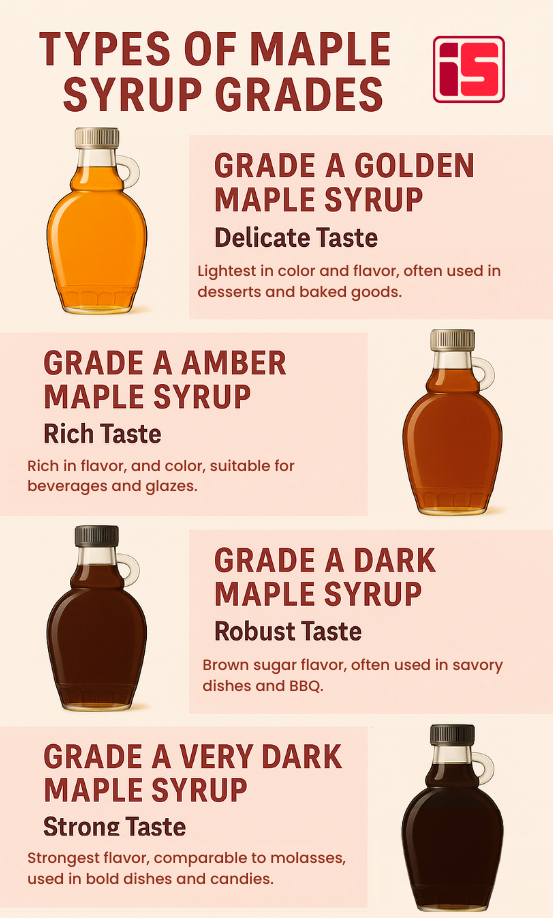
In the last decade, export demand has surged in markets like Japan, Germany, and the United Kingdom. Maple syrup is increasingly categorized as a “functional food” or a “natural sweetener,” allowing brands to command a premium price. From a branding and marketing finance perspective, the value-add comes from certification: Organic, Grade A, and Single-Origin labels allow producers to bypass bulk pricing and enter the high-margin retail sector. For an entrepreneur, the “online income” potential lies in the “direct-to-consumer” (DTC) model, where boutique syrups can be sold at a 300% markup over the bulk commodity price.
Agribusiness Side Hustles and Land Valuation
For individuals looking for tangible assets, maple-producing real estate (sugarbushes) represents a unique real estate investment. Unlike traditional farmland, maple forests often retain higher ecological value and can be leveraged for carbon credits—a growing secondary income stream in the “green finance” sector. A landowner can generate a “side hustle” by leasing tapping rights to larger cooperatives or by producing small-batch syrup for local markets, creating a diversified income stream that combines traditional agriculture with modern environmental offsets.
Risks and the Future Financial Outlook
No professional financial analysis is complete without a look at the “bear case.” While maple syrup is a stable and lucrative commodity, it faces systemic risks that investors must account for in their long-term financial planning.
Climate Change as a Market Volatility Factor
The maple syrup industry is entirely dependent on a very specific weather window. Climate change poses a significant threat to the “yield per tap.” If the warming trend continues, the geographic center of production may shift north, potentially devaluing existing land holdings in the southern reaches of the maple belt (such as Vermont or Pennsylvania) while increasing the value of northern Canadian territories. For those with long-term capital tied up in maple assets, diversification across different latitudes is a necessary risk-mitigation strategy.
Diversification Strategies for Food-Based Portfolios
For investors looking to build a portfolio in the food and beverage sector, maple syrup serves as an excellent “anchor” asset. It lacks the shelf-life issues of fresh produce and has a more controlled price environment than coffee or cocoa. Professional money managers often suggest a “basket” approach—combining the stability of maple syrup with the high-growth potential of tech-driven ag-tech startups. By understanding the “syrup-to-gold” ratio, investors can better gauge when to increase their position in “hard” agricultural assets versus “soft” paper assets.

Conclusion: The Bottom Line on Liquid Gold
So, what is maple syrup? From a financial and business perspective, it is a high-barrier, low-volatility, strategically managed commodity that offers unique protections against inflation and market swings. It is an industry where a traditional forest product meets modern cartel-style economics and sophisticated global supply chains.
Whether you are a retail investor looking at specialized agricultural REITs, an entrepreneur exploring the high-margin world of organic exports, or a personal finance enthusiast curious about the economics of “sticky assets,” maple syrup represents a masterclass in market control and value retention. In an era of digital assets and volatile markets, there is something profoundly secure about a commodity that grows on trees, is protected by a strategic reserve, and continues to see rising global demand. It is, quite literally, the sweetest investment on the market.
aViewFromTheCave is a participant in the Amazon Services LLC Associates Program, an affiliate advertising program designed to provide a means for sites to earn advertising fees by advertising and linking to Amazon.com. Amazon, the Amazon logo, AmazonSupply, and the AmazonSupply logo are trademarks of Amazon.com, Inc. or its affiliates. As an Amazon Associate we earn affiliate commissions from qualifying purchases.