
In the rapidly evolving landscape of modern technology, the methodology we use to define, measure, and leverage human potential has undergone a seismic shift. No longer can organizations rely on vague job descriptions or broad academic credentials to build high-performing teams. Instead, the focus has shifted to a granular framework known as KSA: Knowledge, Skills, and Abilities.
While the acronym originated in traditional human resources, its integration into the tech sector has transformed it from a simple recruitment checklist into a sophisticated data structure. Today, KSA frameworks power AI-driven hiring platforms, personal development software, and the complex algorithms used in workforce analytics. Understanding what KSA is—and how it is being digitized—is essential for any tech professional, recruiter, or software architect aiming to thrive in a skills-based economy.

Defining the KSA Framework in Modern Technology
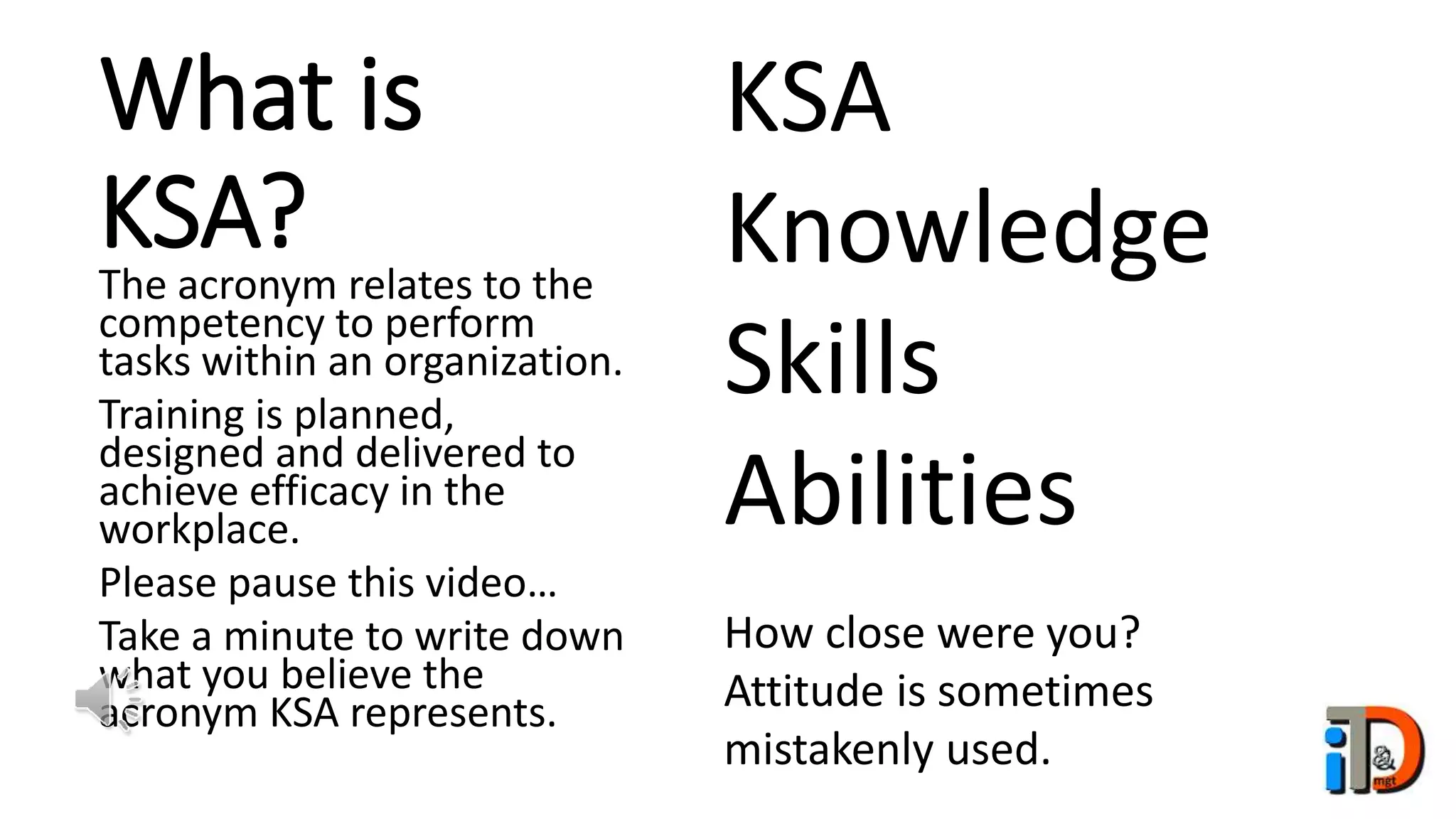
At its core, KSA is a competency model used to define the requirements of a specific role or the profile of an individual. By breaking down human capability into three distinct pillars, technology platforms can create more accurate “digital twins” of the workforce.
The Anatomy of Knowledge, Skills, and Abilities
To understand the technical application of KSA, we must first define its components with precision:
- Knowledge: This represents the theoretical understanding of a subject. In tech, this might include knowledge of Python syntax, understanding the principles of Agile methodology, or knowing the architectural patterns of cloud computing. It is the “what” of the framework—information acquired through education or experience.
- Skills: Skills are the practical application of knowledge. Having “knowledge” of Java is one thing; having the “skill” to write clean, bug-free code under a deadline is another. Skills are developed through practice and are often the most measurable part of the KSA triad.
- Abilities: These are the innate traits or ingrained behaviors that allow a person to perform a task. For a software engineer, an “ability” might include logical reasoning or pattern recognition. Unlike skills, which are learned, abilities are often foundational attributes that make learning certain skills easier.
Why KSA is the Backbone of Human Capital Management (HCM) Software
Modern HCM and Applicant Tracking Systems (ATS) are no longer mere databases of resumes. They are sophisticated engines built on KSA ontologies. By categorizing talent into KSA data points, software can perform “semantic matching.” This means that instead of searching for the keyword “Developer,” an AI can look for a specific combination of Knowledge (React.js), Skills (REST API integration), and Abilities (Problem-solving in distributed systems). This granular approach reduces hiring bias and ensures a higher technical fit for complex roles.
The Role of AI and Machine Learning in KSA Mapping
The true “tech” evolution of KSA lies in how Artificial Intelligence and Machine Learning (ML) are used to map these attributes across global workforces. We are moving away from manual self-reporting toward automated, data-validated KSA profiles.
Automated Skill Gap Analysis
For many enterprises, the greatest challenge is not knowing what their employees can do, but what they cannot do. AI-driven platforms now ingest data from GitHub repositories, Jira tickets, and Slack communications to map an organization’s current KSA inventory in real-time. By comparing this “current state” data against industry benchmarks or future project requirements, the software can automatically identify “skill gaps.” This allows CTOs to make data-driven decisions on whether to “buy” talent (hire), “build” talent (upskill), or “borrow” talent (contractors).
Predictive Analytics for Future Talent Needs
Machine learning models are now being used to predict which KSAs will be most valuable in the coming years. By analyzing patents, tech news, and venture capital flows, these tools can advise a company that while their current Knowledge base in “On-premise Security” is high, they need to aggressively pivot their team’s Skills toward “Zero Trust Architecture” and “AI Security.” This predictive capability transforms KSA from a reactive tool into a strategic technological asset.
Implementing KSA Frameworks in Digital Learning Platforms (LXP)
The rise of the Learning Experience Platform (LXP) has revolutionized how employees acquire new KSAs. Unlike the old-school Learning Management Systems (LMS) that simply hosted videos, LXPs use KSA data to personalize the user experience.
Personalizing Learning Paths with Data
Modern EdTech platforms use “Recommendation Engines” similar to Netflix or Amazon. When a user logs in, the platform analyzes their current KSA profile and suggests specific micro-learning modules to bridge their gaps. For instance, if the system detects that a DevOps engineer has the Knowledge of Docker but lacks the Skill of Kubernetes orchestration, it will prioritize hands-on labs for the latter. This precision ensures that “Tech Debt” in human capital is addressed as efficiently as tech debt in code.
The Rise of Micro-Credentialing and Digital Badging
As we move toward a decentralized tech world, the way we verify KSAs is changing. Blockchain-based digital badges and micro-credentials allow professionals to carry their verified KSAs from one employer to another. These digital assets provide a cryptographic proof of competency. When a developer completes a specialized AI safety course, that new “Knowledge” and “Skill” is minted as a digital credential, making the KSA framework interoperable across different tech ecosystems and platforms.
Cybersecurity and KSA: Specialized Frameworks for Digital Defense
In the realm of digital security, the KSA framework is not just a HR tool—it is a matter of national and corporate safety. The complexity of cyber threats requires a highly standardized way to define what a security professional must know and do.
The NICE Framework and KSA Standardization
The National Initiative for Cybersecurity Education (NICE) has developed a comprehensive KSA workforce framework specifically for the tech industry. It breaks down cybersecurity roles into specialized Work Roles, each tied to specific KSAs. For example, a “Vulnerability Assessment Analyst” has a documented list of required Knowledge (e.g., knowledge of system administration), Skills (e.g., skill in performing impact risk assessments), and Abilities (e.g., ability to identify systemic security vulnerabilities). This standardization allows cybersecurity software and simulation platforms to create hyper-realistic training environments that test these exact attributes.
Keeping Up with the Rapid Evolution of Tech Skills
The “half-life” of a technical skill is currently estimated at about five years. In fields like AI or Cybersecurity, it may be even shorter. The tech industry uses KSA frameworks to manage this “Skill Decay.” By constantly updating the KSA requirements for specific roles within a project management tool, organizations can trigger automated alerts when an employee’s profile needs refreshing. This ensures that the digital defense of an organization never relies on obsolete knowledge.
The Future of KSA: Moving Toward a Skills-First Tech Ecosystem
As we look toward the future, the integration of KSA into the tech stack will only deepen. We are witnessing the birth of a “Skills-First” ecosystem where the traditional degree is secondary to verified, data-backed KSAs.
Breaking the Degree Barrier with Tech-Verified Competencies
Tech giants like Google, Apple, and IBM have already begun de-emphasizing four-year degrees in favor of KSA-based hiring. This shift is powered by “Skill Assessment” software—platforms that use coding challenges, simulated environments, and AI-proctored exams to prove a candidate’s KSAs. This tech-driven meritocracy opens the door for self-taught developers and career-switchers who can demonstrate their abilities through a digital portfolio rather than a diploma.
Integrating KSA into the Remote Work Infrastructure
In a world of remote and hybrid work, managers can no longer rely on “visual management” to assess their team’s performance. Instead, they are turning to “Competency Dashboards.” These are software interfaces that visualize the collective KSAs of a distributed team. By looking at a dashboard, a lead architect can see exactly which remote developer has the specific Ability to handle high-pressure deployments or the Knowledge required for a niche legacy system integration. This data-driven management style is essential for the efficiency of the modern, decentralized tech firm.
In conclusion, “What is KSA?” is no longer a question with a simple human resources answer. In the context of the technology industry, KSA is a vital data framework. It is the language that allows AI to understand human potential, the blueprint for modern learning platforms, and the foundation of a secure, skills-based economy. As software continues to eat the world, the way we define the people who build that software—through their Knowledge, Skills, and Abilities—will remain the most critical factor in technological progress.
aViewFromTheCave is a participant in the Amazon Services LLC Associates Program, an affiliate advertising program designed to provide a means for sites to earn advertising fees by advertising and linking to Amazon.com. Amazon, the Amazon logo, AmazonSupply, and the AmazonSupply logo are trademarks of Amazon.com, Inc. or its affiliates. As an Amazon Associate we earn affiliate commissions from qualifying purchases.