
In the landscape of modern software engineering, the ability to transport data seamlessly between different environments is a fundamental requirement. Whether a backend server is communicating with a mobile application, or a microservice is pushing data to a third-party API, the format of that data determines the efficiency and reliability of the interaction. At the heart of this exchange within the PHP ecosystem lies a critical function: json_encode.
The json_encode function is more than just a utility for converting arrays into strings; it is the bridge between the structured world of server-side logic and the universal standards of data interchange. As web applications have transitioned from server-side rendered pages to dynamic, API-driven architectures, understanding the mechanics, nuances, and best practices of json_encode has become essential for any developer aiming to build scalable and secure digital products.
Understanding the Mechanics of json_encode
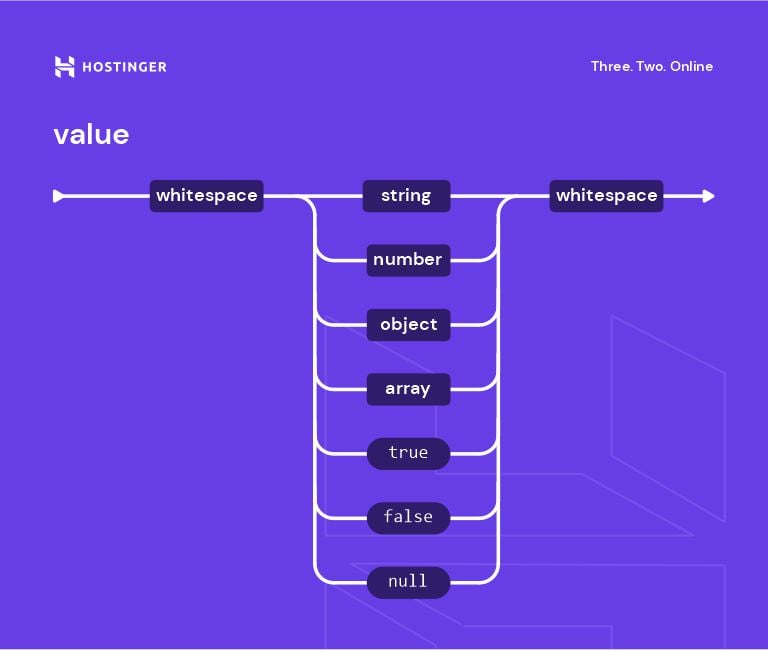
To understand json_encode, one must first understand JSON (JavaScript Object Notation). JSON is a lightweight, text-based, language-independent data format that is easy for humans to read and write and easy for machines to parse and generate. While it originated from JavaScript, it has become the de facto standard for data exchange across virtually all programming languages.
Data Structures and PHP Arrays
In PHP, data is often organized in associative arrays or objects. These structures are rich and flexible, allowing for nested layers of information. However, these structures are native to PHP’s memory and cannot be directly understood by a browser running JavaScript or a mobile app written in Swift or Kotlin.
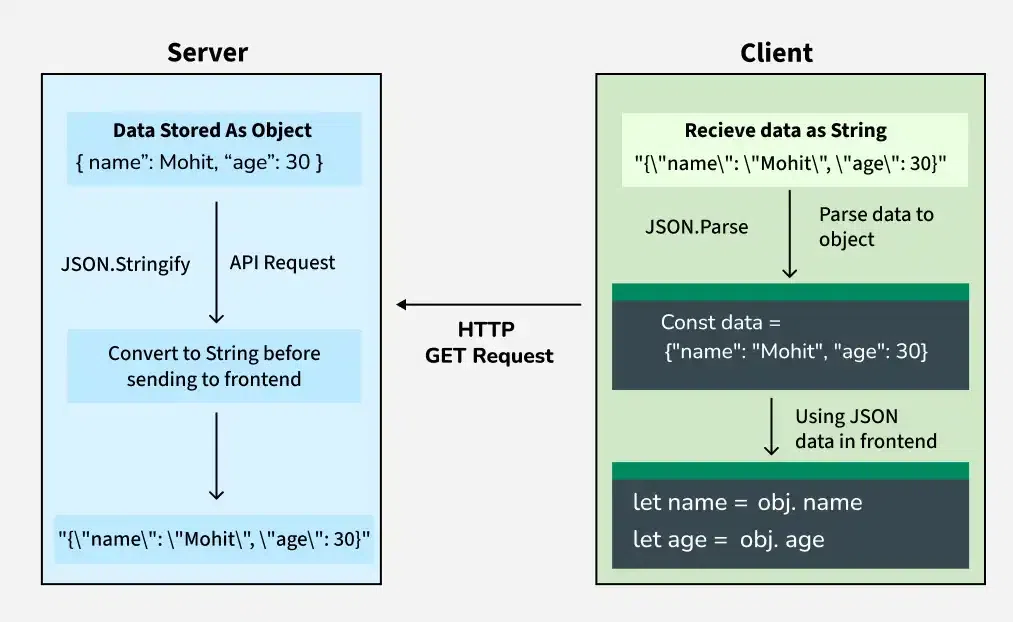
The json_encode function performs “serialization.” This process takes a complex data structure—such as a multi-dimensional array containing user profiles, settings, and timestamps—and flattens it into a standardized string format. For instance, a PHP associative array ['name' => 'John', 'age' => 30] becomes the string {"name":"John","age":30}. This transformation is what allows disparate systems to communicate in a shared “lingua franca.”
The Transition from Server-Side to Client-Side
In the early days of the web, data was typically embedded directly into HTML. Today, the “headless” or “decoupled” approach is dominant. In this model, the backend (often built with PHP frameworks like Laravel or Symfony) acts solely as a data provider.
When a client-side framework like React or Vue.js requests data, the PHP server fetches the information from a database, processes it, and then uses json_encode to prepare the “payload.” Without this function, the client-side application would receive a raw PHP memory dump which it could not interpret, leading to a complete breakdown in the application’s functionality.
Technical Implementation and Syntax
The power of json_encode lies in its simplicity and its hidden depth. While a beginner might use it with a single argument, the function offers a suite of parameters and constants that allow for high-level control over how data is represented.
The Basic Syntax of json_encode()
The basic signature of the function is:
json_encode(mixed $value, int $flags = 0, int $depth = 512): string|false
The $value can be any data type except a resource (like a database connection handle). The function returns a JSON-encoded string on success, or false on failure. This binary outcome makes it easy to integrate into conditional logic, though modern developers often prefer catching errors more explicitly.
Utilizing Bitmask Constants
One of the most powerful aspects of json_encode is the second parameter: $flags. This is a bitmask that allows developers to modify the behavior of the encoding process.
- JSONPRETTYPRINT: Essential for debugging, this flag adds whitespace to the returned string, making it human-readable.
- JSONUNESCAPEDSLASHES: By default, JSON escapes forward slashes (e.g.,
http://example.com). This flag keeps URLs looking natural. - JSONUNESCAPEDUNICODE: This is crucial for international applications. It prevents the function from converting multi-byte characters (like emojis or non-Latin alphabets) into hexadecimal escape sequences, keeping the data legible and reducing the string’s byte size.
- JSONTHROWON_ERROR: Introduced in PHP 7.3, this flag changes the function’s behavior from returning
falseto throwing aJsonException, which is the modern standard for robust error handling.
Why json_encode is Essential for Modern APIs
The shift toward API-first development has elevated json_encode from a utility to a cornerstone of web architecture. APIs (Application Programming Interfaces) rely on consistency, and json_encode provides the predictable output required for these systems.
RESTful Architecture and JSON
Representational State Transfer (REST) is the architectural style that governs most of the modern web. In a RESTful system, the server provides representations of “resources.” When a developer builds a REST API in PHP, they are essentially building a series of endpoints that return JSON.
Because json_encode handles the conversion of PHP objects into valid JSON objects, it ensures that the API complies with global standards. This interoperability allows a PHP backend to serve a mobile app on iOS, a web dashboard, and an automated script running on a Python server simultaneously, all using the same encoded data.
Cross-Platform Interoperability
In a diverse tech ecosystem, a single project might use a PostgreSQL database, a PHP logic layer, a Redis cache, and a React frontend. The only way these varied technologies can exchange data without friction is through a format they all support.
JSON is natively supported by almost every modern programming language. By using json_encode, a PHP developer ensures that their data is “future-proofed.” If the frontend team decides to switch from React to a different framework next year, the backend logic remains unchanged because the json_encode output remains the universal standard.
Security and Error Handling in Data Encoding
While json_encode is highly reliable, it is not immune to the complexities of real-world data. Security and data integrity must be prioritized to prevent application crashes or vulnerabilities.
Managing UTF-8 Encoding Issues
The most common reason for json_encode to fail (returning false or throwing an exception) is improperly encoded data. JSON requires data to be UTF-8 encoded. If a database returns a string in an older format like ISO-8859-1 (Latin-1), json_encode will struggle.
Developers must ensure that their database connections and application logic are consistently using UTF-8. In cases where the data source is untrusted, using functions to detect and convert encoding before passing the data to json_encode is a critical step in maintaining application stability.
Using jsonlasterror() for Debugging
Before the introduction of JSON_THROW_ON_ERROR, debugging a failed encoding process was a manual task. Developers would use json_last_error() or json_last_error_msg() to determine what went wrong. Common errors include:
- JSONERRORDEPTH: The data structure is nested too deeply (the default limit is 512 levels).
- JSONERRORSTATE_MISMATCH: Occurs with invalid or malformed JSON.
- JSONERRORUTF8: Malformed UTF-8 characters were detected.
By implementing comprehensive error checking around the json_encode call, developers can prevent “silent failures” where an API returns an empty response, which can be notoriously difficult to track down in production environments.
The Future of Data Interchange in Software Engineering
As we look toward the future of technology, the role of data serialization continues to evolve. While newer formats like Protocol Buffers (Protobuf) or MessagePack are gaining traction for high-performance internal microservices, JSON remains the king of the public web.
JSON vs. XML: The Shift in Paradigms
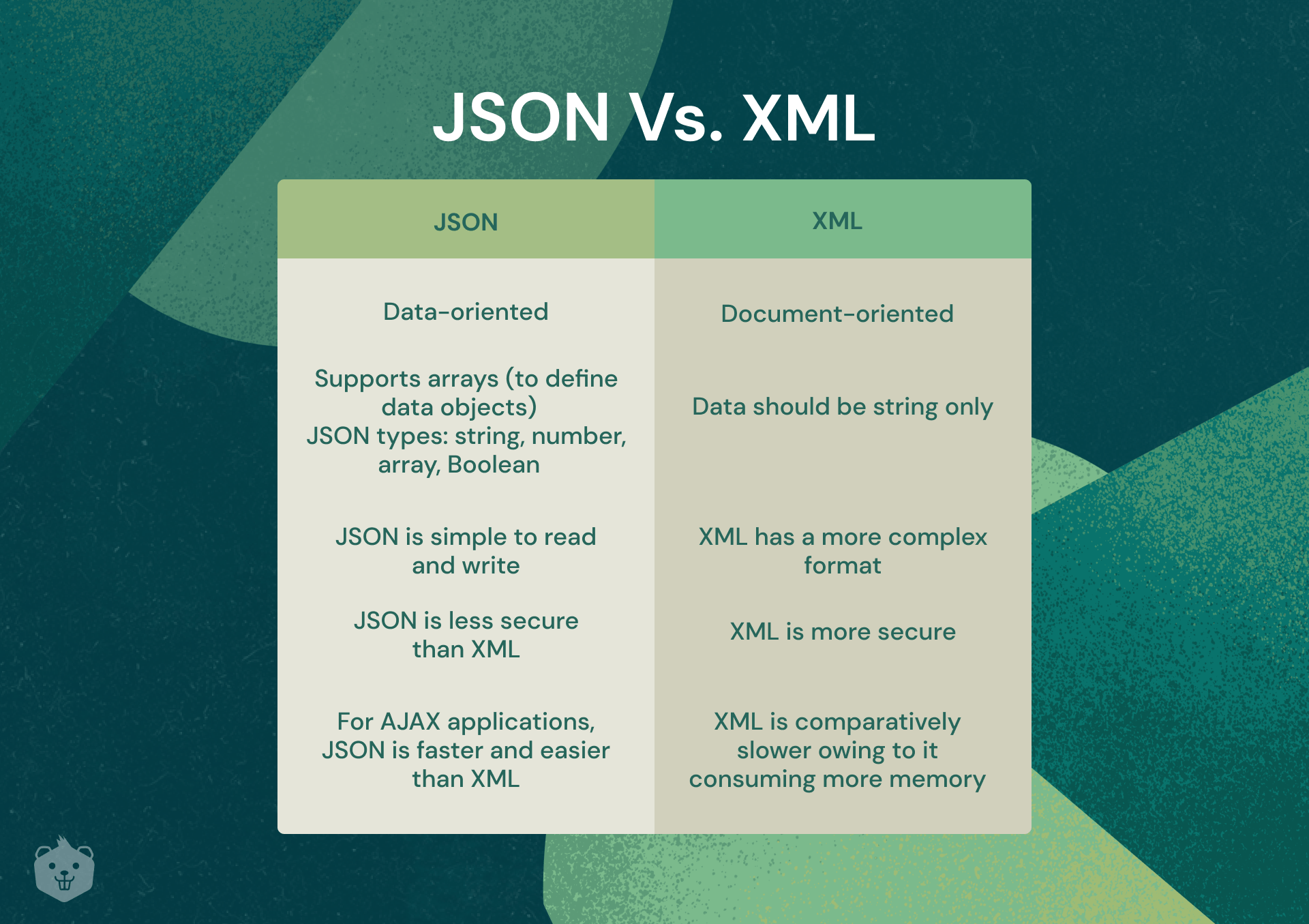
It is worth noting that JSON—and by extension json_encode—won the “format wars” against XML (eXtensible Markup Language). XML was the previous standard, but it was often criticized for being overly verbose and difficult to parse in JavaScript.
JSON’s lightweight nature means less bandwidth is used, which is vital for mobile users on limited data plans. The transition to json_encode as the primary tool for serialization represents a broader tech trend toward simplicity, performance, and developer experience.
Performance Considerations for High-Traffic Apps
For applications handling millions of requests per second, the performance of json_encode becomes a relevant factor. While PHP’s built-in function is highly optimized (written in C), developers of high-scale systems often look at how they can minimize the size of the JSON payload.
Techniques such as “filtering” arrays to remove null values or unnecessary metadata before calling json_encode can significantly reduce the amount of data transferred over the wire. In the world of cloud computing, where data transfer costs and latency are critical metrics, the efficient use of json_encode can lead to measurable improvements in both performance and the bottom line.
In conclusion, json_encode is a foundational tool that bridges the gap between server-side logic and the rest of the digital world. Its ability to transform complex PHP data into a clean, universal string makes it indispensable for modern web development. By mastering its various flags, understanding its security requirements, and integrating it into a robust API strategy, developers can ensure their applications remain fast, compatible, and ready for the future of the internet.