
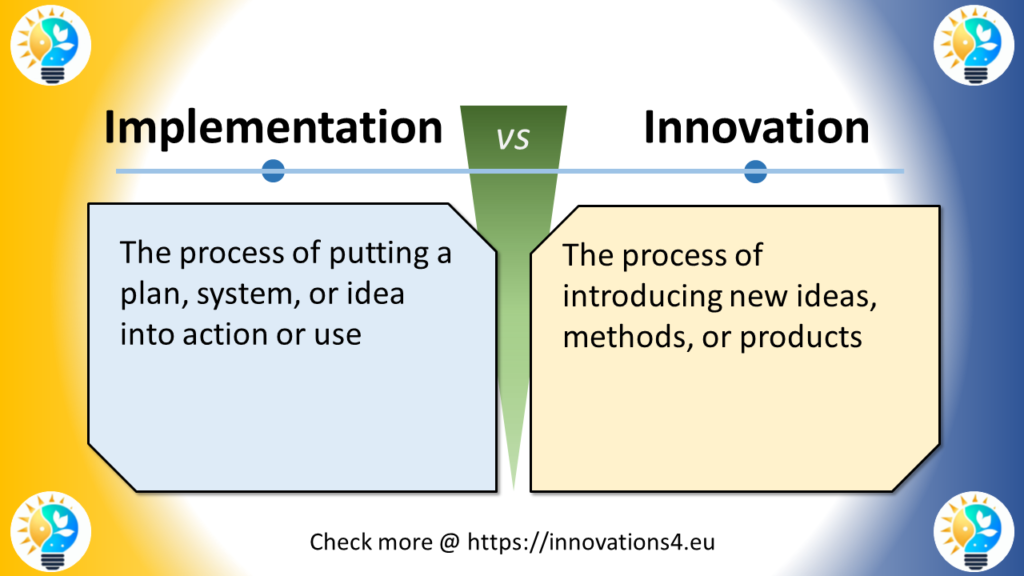
In the rapidly evolving landscape of technology, the term “implementation” is often used as a catch-all phrase for getting things done. However, for software engineers, IT architects, and digital transformation leaders, implementation represents the most critical and complex phase of the technology lifecycle. It is the bridge that spans the gap between a theoretical design—a blueprint of what a system should do—and a functioning, live environment where code solves real-world problems.
Implementation is not merely the act of writing code; it is a multi-faceted process of installation, configuration, integration, and testing. Whether a company is deploying a new Artificial Intelligence (AI) model, migrating a database to the cloud, or rolling out an enterprise-wide software solution, the success of the project hinges on the quality of the implementation. Without a robust implementation strategy, even the most innovative technologies remain nothing more than expensive digital concepts.

The Role of Implementation in the Software Development Life Cycle (SDLC)
To understand implementation, one must look at its position within the Software Development Life Cycle (SDLC). While the design phase focuses on architecture and user interface (UI) wireframes, the implementation phase is where the “build” actually happens. It is the stage where developers translate requirements into machine-readable instructions.
From Architecture to Executable Code
During implementation, high-level design documents are broken down into specific modules. Developers select the appropriate tech stack—languages like Python, Java, or Rust—and frameworks that align with the project’s goals. This stage requires a deep understanding of system requirements to ensure that the code is not only functional but also optimized for performance and scalability. Implementation at this level is characterized by writing clean, modular code that adheres to industry standards.
The Importance of Version Control and Documentation
A critical component of modern tech implementation is the use of version control systems like Git. As multiple developers work on different components of a system, implementation becomes a collaborative effort. Version control allows teams to track changes, manage branches of code, and ensure that the “master” version of the software remains stable. Parallel to coding, documentation serves as the “user manual” for future developers. Thorough documentation ensures that the implementation can be maintained and updated long after the initial rollout.
Enterprise Software Implementation: Complexity at Scale
In a corporate or enterprise environment, implementation takes on a different dimension. It is rarely about writing a single app from scratch; instead, it involves the deployment of massive platforms like Enterprise Resource Planning (ERP) or Customer Relationship Management (CRM) systems. These implementations are notorious for their complexity because they must interact with existing legacy systems.
Data Migration and System Integration
One of the most significant hurdles in enterprise implementation is data migration. Moving millions of records from a legacy system to a modern cloud-based platform requires meticulous planning. The implementation team must ensure data integrity—making sure that no information is lost or corrupted during the transfer. Furthermore, integration is key. A new tool is useless if it cannot communicate with other software via APIs (Application Programming Interfaces). The implementation phase ensures that these digital “handshakes” are secure and efficient.
User Acceptance Testing (UAT) and Quality Assurance
Before a system is considered fully implemented, it must pass through rigorous Quality Assurance (QA). This isn’t just about finding bugs; it’s about ensuring the software meets the business objectives defined at the start. User Acceptance Testing (UAT) is the final checkpoint of the implementation process. Here, actual users test the system in a controlled environment to provide feedback. If the implementation doesn’t align with the user’s workflow, the tech team must go back to the configuration stage to refine the tool.
Implementing Artificial Intelligence and Machine Learning
As AI moves from experimental labs to mainstream business, “AI Implementation” has become a niche of its own. Implementing AI is fundamentally different from implementing standard software because it involves non-deterministic outcomes and massive data dependencies.
Model Deployment and MLOps
In the world of AI, implementation is often referred to as “deployment.” Once a Data Scientist has trained a machine learning model, the implementation team must figure out how to serve that model to users. This has given rise to MLOps (Machine Learning Operations), a discipline focused on the reliable and efficient implementation of AI models in production. This includes setting up pipelines that can handle real-time data input and generate predictions with minimal latency.
Infrastructure Scaling and Compute Resources
Implementing AI requires a specific focus on hardware and infrastructure. Unlike a simple web app, AI models often require significant computational power, such as GPUs or specialized TPU clusters. The implementation process involves configuring cloud environments (like AWS, Azure, or Google Cloud) to scale dynamically. If an AI implementation cannot scale to meet demand, the system will crash under the weight of its own processing requirements, rendering the “intelligent” features useless.
Modern Methodologies: Agile, DevOps, and Continuous Implementation
The traditional “Waterfall” method of implementation—where everything is built at once and released in one giant “Go-Live” event—is increasingly being replaced by more fluid methodologies. Today, implementation is often a continuous, never-ending process.
Continuous Integration and Continuous Deployment (CI/CD)
In a DevOps culture, implementation happens daily, or even hourly. Through CI/CD pipelines, code is automatically tested and implemented into the production environment as soon as it is written. This reduces the “Big Bang” risk of traditional implementation. By implementing small, incremental changes, tech teams can identify errors quickly and ensure that the software is always in a deployable state. This shift has turned implementation from a stressful project milestone into a routine, automated background process.
Reducing Friction with Automation
Automation is the secret sauce of modern tech implementation. Tools like Terraform and Kubernetes allow for “Infrastructure as Code,” meaning that the entire environment where the software lives can be implemented automatically through scripts. This eliminates human error and ensures that the development, testing, and production environments are identical. When implementation is automated, the time-to-market for new features is drastically reduced, giving tech-forward companies a competitive edge.
Overcoming Common Implementation Failures in Tech
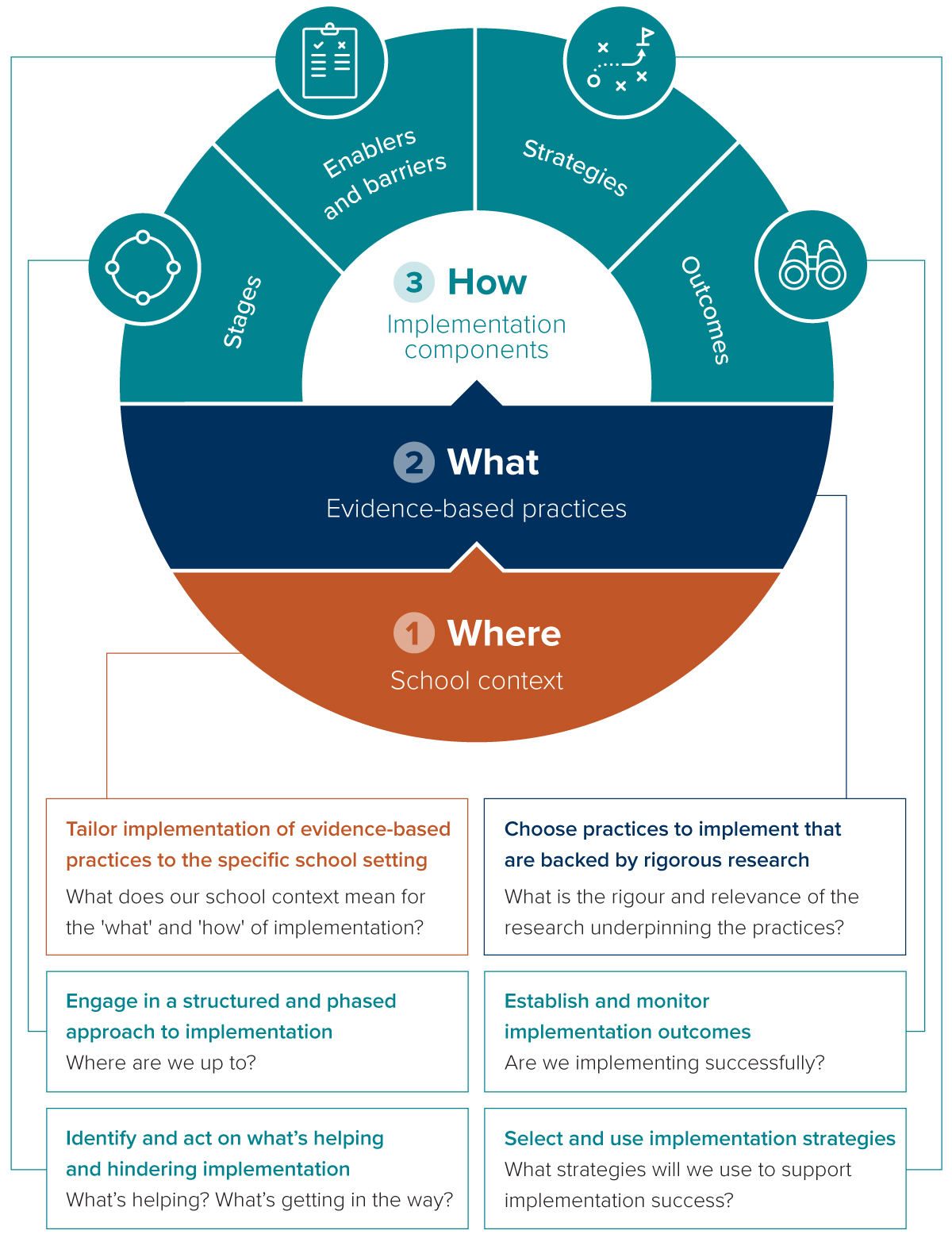
Despite the best tools and methodologies, many tech implementations fail. Understanding why these failures occur is essential for any IT professional. Usually, the failure isn’t in the code itself, but in the implementation strategy.
Managing Technical Debt
One of the biggest risks during implementation is the accumulation of “technical debt.” In an effort to meet deadlines, developers might take shortcuts—writing “quick and dirty” code instead of a sustainable solution. While this might get the system running today, it creates a fragile implementation that is difficult to update or fix tomorrow. Successful implementation requires a balance between speed and code quality to ensure long-term stability.
Security and Compliance Guardrails
In the modern digital landscape, security cannot be an afterthought; it must be “baked into” the implementation. A “Security by Design” approach ensures that during the implementation phase, encryption, authentication, and authorization protocols are correctly configured. For industries like healthcare or finance, implementation must also comply with strict regulations (like HIPAA or GDPR). If a system is implemented without these guardrails, it creates massive vulnerabilities that can lead to data breaches and legal catastrophes.
Conclusion: The Future of Implementation
As we look toward the future, the nature of technology implementation will continue to shift. We are moving toward a world of “low-code” and “no-code” implementations, where business users can deploy complex applications without deep programming knowledge. However, the underlying principles of implementation—integration, testing, scaling, and security—will remain as vital as ever.
Implementation is the defining moment for any technology. It is the process of taking a “what if” and turning it into a “here is.” Whether it is a global cloud migration or a simple app update, the excellence of the implementation determines whether technology serves as a catalyst for progress or a source of frustration. In the tech world, the idea is only 10% of the battle; the remaining 90% is the implementation.
aViewFromTheCave is a participant in the Amazon Services LLC Associates Program, an affiliate advertising program designed to provide a means for sites to earn advertising fees by advertising and linking to Amazon.com. Amazon, the Amazon logo, AmazonSupply, and the AmazonSupply logo are trademarks of Amazon.com, Inc. or its affiliates. As an Amazon Associate we earn affiliate commissions from qualifying purchases.