
In the contemporary global marketplace, few products exemplify the successful transition from a local cultural staple to an international household name as effectively as furikake. While a culinary expert might define furikake as a dry Japanese condiment intended to be sprinkled over rice, a brand strategist views it as a triumph of product-led growth, niche positioning, and cultural capital.
The story of furikake is not merely one of ingredients—dried fish, sesame seeds, and chopped seaweed—but a narrative of how a highly specific ethnic product can cross borders by leveraging distinct brand identity and versatile value propositions. For professionals in the branding and marketing space, understanding the “what” of furikake requires a deep dive into how identity is constructed, packaged, and sold to a diverse, global audience.
The Anatomy of a Niche Category Leader: Defining the Brand Identity
To understand the brand power of furikake, one must first analyze its identity as a “category disruptor” in the global condiment market. Unlike salt or pepper, which are functional commodities, furikake is a branded experience. It offers a complex “umami” profile that has historically been difficult to market to Western palates without a sophisticated brand strategy.
The Heritage Narrative as a Value Proposition
The brand story of furikake begins in the Taisho era of Japan. Originally developed by a pharmacist named Suekichi Yoshimaru as a nutritional supplement to address calcium deficiencies, the product was branded as Gohan no Tomo (“A Friend for Rice”). From a strategic standpoint, this is a masterclass in utility-based branding. By positioning a food item as a health solution, the creators built an immediate sense of trust and necessity. Modern brands still use this “heritage” angle to command a premium price point, positioning furikake not as a cheap salt substitute, but as a legacy product rooted in wellness and tradition.
The Psychology of “The Sprinkle”
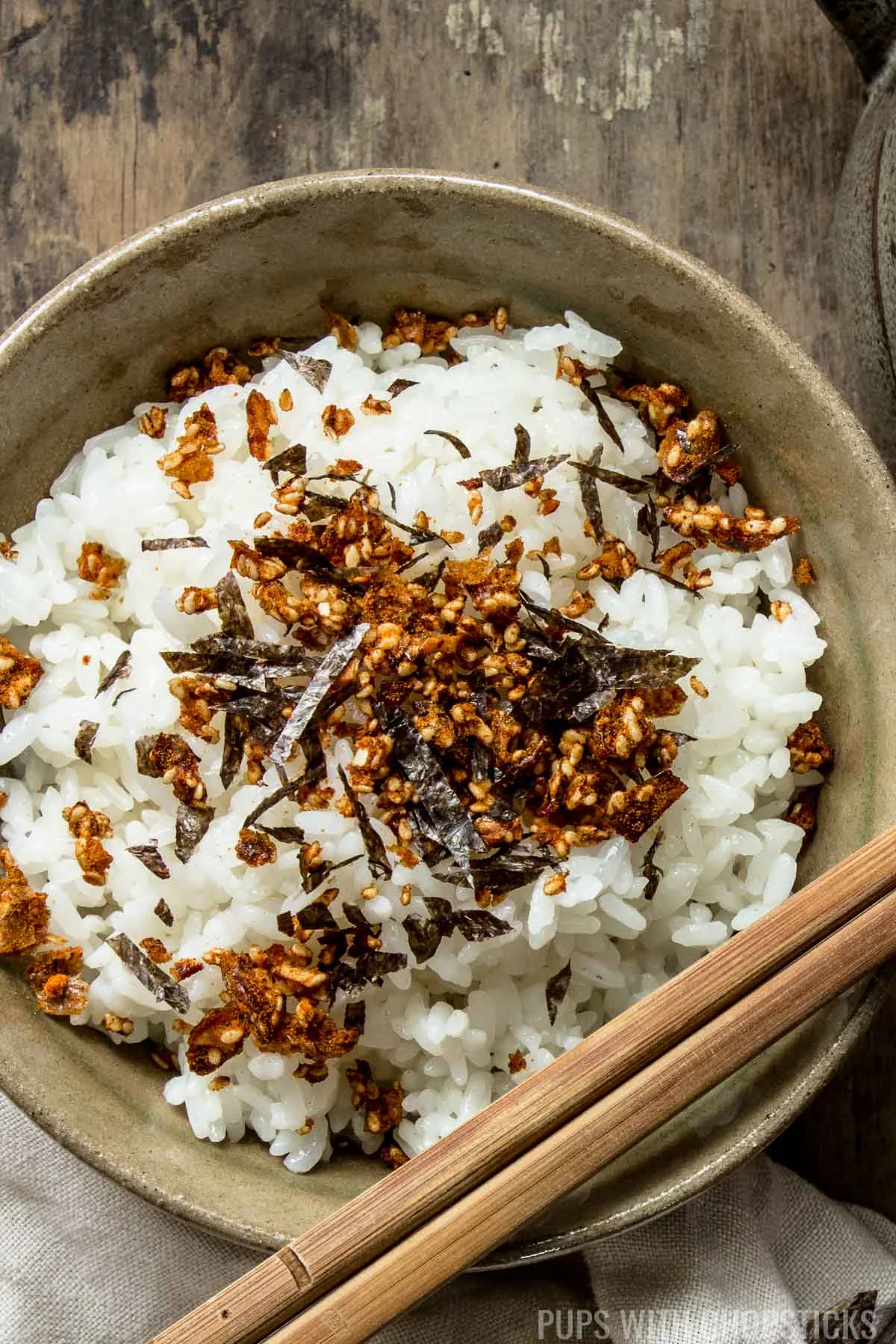
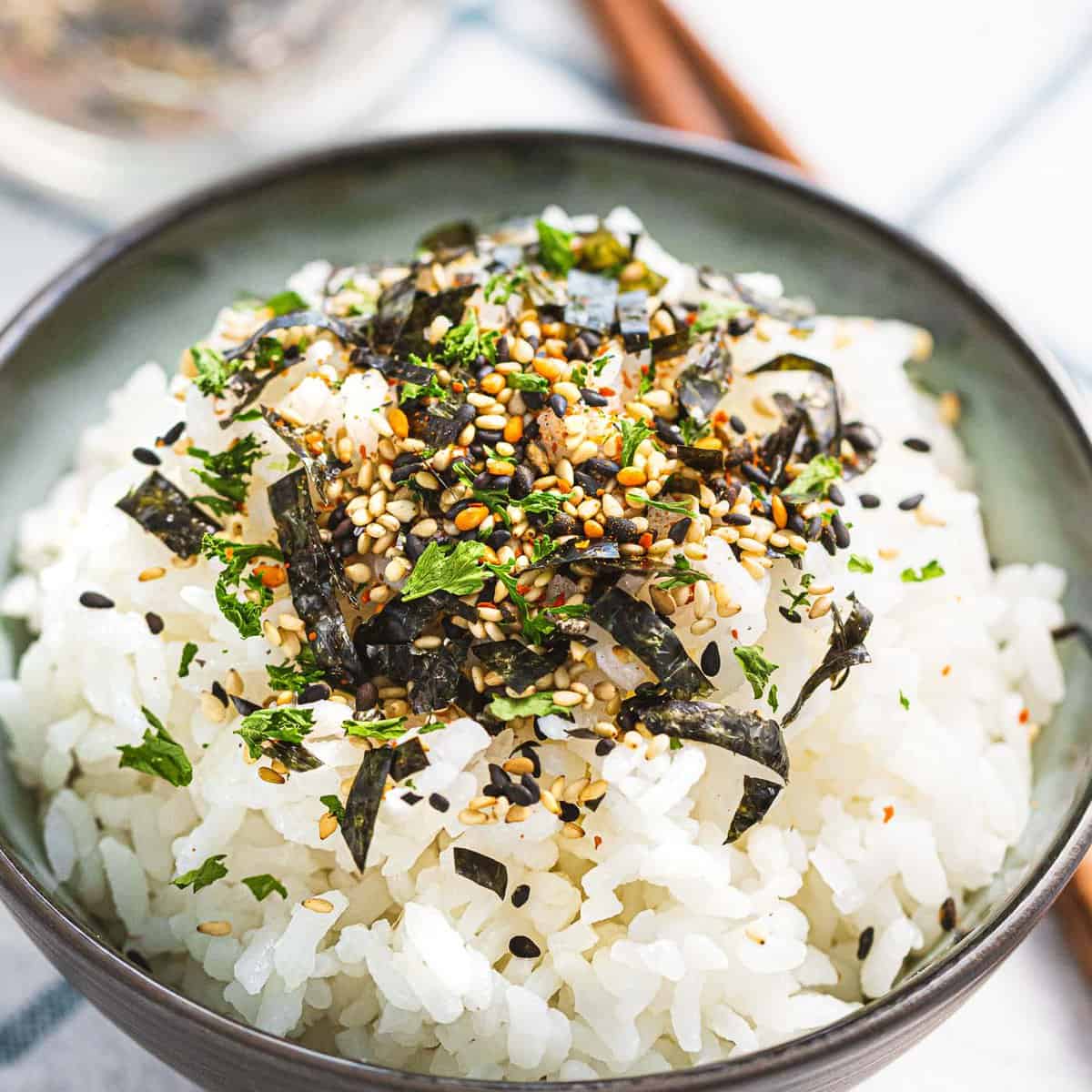
Brand strategy often relies on the “ritual” of product use. Furikake’s primary brand interaction is the physical act of sprinkling. This ritual creates a low-friction entry point for consumers. In branding terms, this is known as a “micro-moment of delight.” The visual appeal of the multicolored flakes hitting white rice provides an aesthetic reward that has become highly “Instagrammable,” further driving organic brand awareness through social proof and visual storytelling.
Strategic Differentiation: How Furikake Brands Navigate a Crowded Market
The global condiment market is saturated with established giants. For furikake brands to gain shelf space in major retailers like Whole Foods or Target, they must employ rigorous differentiation strategies. This involves moving beyond the “ethnic food” label and into the “lifestyle” category.
Visual Identity and Packaging Design
Walk through the aisles of a premium grocer, and you will see a clear divide in furikake branding. Traditional Japanese brands often utilize dense, text-heavy packaging that emphasizes authenticity. Conversely, newer, “Westernized” brands adopt minimalist, high-contrast designs that emphasize the “clean label” movement.
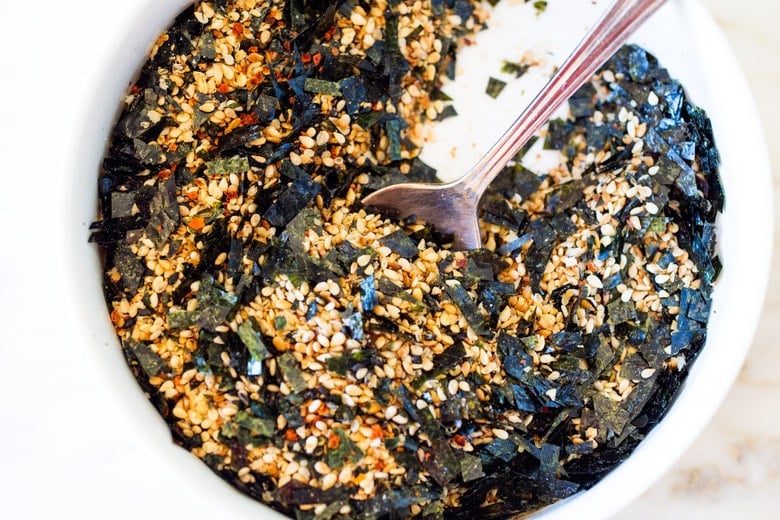
Successful brand strategy here involves “semiotic signaling”—using colors like deep greens (for nori) and earthy browns (for sesame) to signal health and natural ingredients. The shift from glass jars to sleek, resealable stand-up pouches reflects a brand pivot toward convenience and portability, targeting the busy, urban professional demographic.
The “Umami” Value Proposition as a Competitive Edge
In branding, “Umami” has become a buzzword used to describe a savory depth that other condiments lack. Furikake brands have successfully “claimed” this flavor profile. By marketing the unique blend of MSG-free ingredients, bonito flakes, and shiso, brands are not just selling a seasoning; they are selling a shortcut to gourmet cooking. This is a classic “Product-Plus” strategy: the product provides its primary function (flavor) while offering the plus-value of “culinary sophistication” for the home cook.
Global Localization: How Furikake Conquered Western Pantries
One of the most significant challenges in brand strategy is localization—adapting a product to a new culture without losing its core identity. Furikake’s expansion into the North American and European markets is a case study in how to pivot a brand’s use case to fit local habits.
Beyond Rice: Expanding the Use Case
In Japan, the brand association for furikake is inextricably linked to rice. However, a rigid brand identity can limit growth. To scale, savvy marketers rebranded furikake as an “everything seasoning.” This meant creating content and marketing campaigns that showed the product being used on avocado toast, popcorn, roasted vegetables, and even pasta.
This strategy of “Application Expansion” allowed the brand to exit the “Asian Aisle” and enter the mainstream “Spice and Seasoning” aisle. By detaching the product from its traditional anchor (rice), the brand became more accessible to consumers who might not consume rice daily but are looking for ways to elevate their standard meals.
The “Trader Joe’s Effect” and Private Label Power
The role of private labeling in furikake’s brand journey cannot be overlooked. When a major retailer like Trader Joe’s launches its own “Nori Komi Furikake,” it validates the product category for a massive, mainstream audience. For the original Japanese brands, this presented both a threat and an opportunity. It forced them to lean harder into “Premiumization”—emphasizing their superior sourcing, lack of additives, and authentic manufacturing processes to differentiate themselves from the budget-friendly private labels.
Building Brand Equity: The Future of Ethnic Food Branding
As we look toward the future of furikake, the focus shifts to sustaining brand equity in an increasingly competitive “fusion” food market. The brands that will survive are those that can balance their cultural roots with modern consumer demands for transparency and sustainability.
Transparency and Ethical Sourcing
The modern consumer is increasingly concerned with the “where” and “how” of their food. For furikake brands, this means a strategic focus on the supply chain. Branding the nori (seaweed) as “sustainably harvested” or the sesame seeds as “organic” is no longer an option—it is a requirement. Brands like Mishima and JFC are increasingly using their digital platforms to highlight their commitment to quality, building a “Brand Moat” that protects them from lower-quality imitators.
The Aesthetic of the Sprinkle: Influencer Partnerships
The visual nature of furikake makes it a perfect candidate for influencer-led brand strategy. By partnering with food stylists and lifestyle influencers, brands can showcase the product as an “aesthetic upgrade” for any dish. This isn’t just marketing; it’s identity building. The consumer isn’t just buying seasoning; they are buying into a lifestyle that values global flavors, healthy choices, and beautiful presentation.
Conclusion: The Furikake Blueprint for Global Brands
What is furikake seasoning? From a brand perspective, it is a testament to the power of cultural adaptability and strategic positioning. It began as a medicinal supplement, evolved into a Japanese pantry staple, and has now become a global icon of the “umami” movement.
The success of furikake offers several key takeaways for brand managers in any industry:
- Leverage Heritage: Use your product’s origins to build trust and a unique narrative.
- Encourage Ritual: Create a user experience that is satisfying and repeatable.
- Adapt the Use Case: Do not let your product’s traditional use limit its market potential.
- Prioritize Design: Use packaging to signal your brand’s values and target demographic.
As the lines between global cuisines continue to blur, the brands that succeed will be those that, like furikake, can maintain their authentic soul while “sprinkling” their influence across new and diverse markets. Furikake is no longer just a seasoning; it is a global brand category that continues to redefine the boundaries of the modern pantry.
aViewFromTheCave is a participant in the Amazon Services LLC Associates Program, an affiliate advertising program designed to provide a means for sites to earn advertising fees by advertising and linking to Amazon.com. Amazon, the Amazon logo, AmazonSupply, and the AmazonSupply logo are trademarks of Amazon.com, Inc. or its affiliates. As an Amazon Associate we earn affiliate commissions from qualifying purchases.