
When one asks “What is Chicago pizza?” the immediate response often centers on ingredients: the buttery crust, the layers of mozzarella, and the robust tomato sauce blanketing the top. However, from a brand strategy and marketing perspective, Chicago pizza is far more than a culinary recipe. It is a masterclass in regional branding, a high-equity corporate identity, and a case study in how a product can become synonymous with a city’s global image.
In the competitive landscape of the $140 billion global pizza industry, Chicago pizza represents a unique “niche-to-mass” brand evolution. By examining its brand architecture, we can understand how this specific style of pizza has transcended its physical form to become a powerful marketing engine that drives tourism, fuels massive e-commerce engines, and commands fierce consumer loyalty.

The Identity of Deep Dish: More Than Just a Recipe
The primary strength of the Chicago pizza brand lies in its radical differentiation. In marketing, a “Purple Cow” (as Seth Godin famously dubbed it) is something so remarkable that it demands attention. Chicago pizza is the “Purple Cow” of the culinary world. While most pizza brands compete on thinness, speed, and portability, Chicago pizza—specifically the deep-dish variety—built its brand on thickness, slow preparation, and an “event-based” dining experience.
Defining the Core Brand Elements
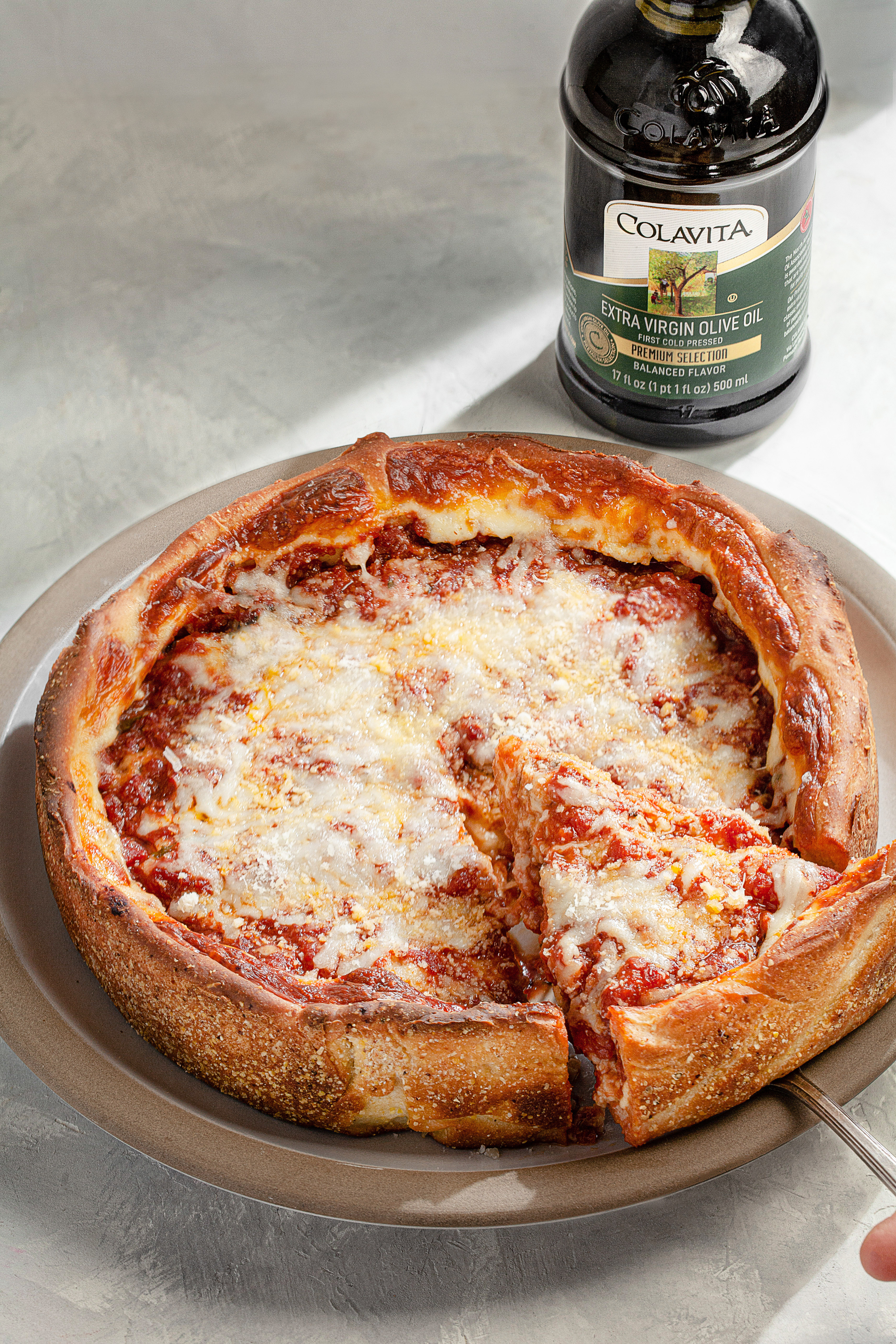
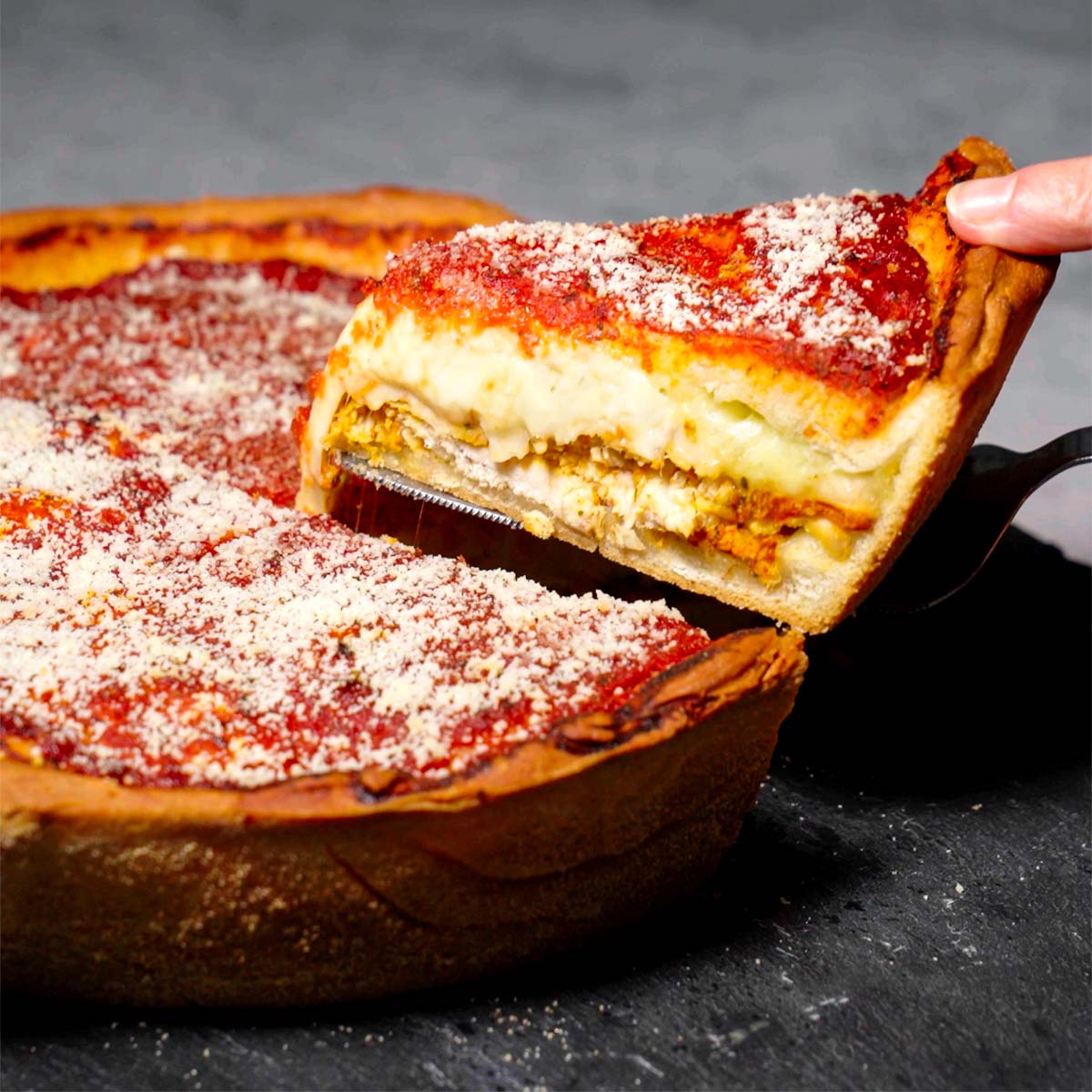
Every successful brand has “brand pillars”—the foundational truths that define the product. For Chicago pizza, these pillars are structural integrity, abundance, and heritage. The deep-dish style utilizes a high-sided crust, often enriched with cornmeal or butter, creating a vessel rather than a flat base. This structural choice allowed for a reversal of traditional pizza layers: cheese on the bottom, toppings in the middle, and sauce on top.
From a brand identity standpoint, this “inverted” structure serves as a unique visual signature. Just as a Tiffany Blue box or the silhouette of a Porsche is instantly recognizable, the cross-section of a Chicago deep-dish pizza is an unmistakable brand asset. It signals to the consumer that they are not just eating a meal; they are engaging with a specific cultural artifact.
The Narrative of Resistance: Deep Dish vs. New York Style
Branding is often defined by what it is not. Chicago pizza has masterfully used its rivalry with New York-style pizza to solidify its market position. Where New York pizza is branded as “fast, foldable, and utilitarian,” Chicago pizza is branded as “substantial, indulgent, and communal.”
This binary opposition has been leveraged by marketing teams for decades. By positioning itself as the antithesis of the New York slice, Chicago pizza brands have created a “David vs. Goliath” narrative that appeals to regional pride. This “Us vs. Them” marketing strategy is a classic move in personal and corporate branding, fostering a “tribal” loyalty among consumers who view their choice of pizza as an extension of their geographic or cultural identity.
Strategic Positioning and the “Tourist vs. Local” Marketing Paradox
A significant challenge for any regional brand is balancing the appeal to tourists while maintaining “street cred” among locals. Chicago pizza brands, particularly the “Big Three” (Lou Malnati’s, Giordano’s, and Gino’s East), have navigated this paradox with sophisticated strategic positioning.
Lou Malnati’s and Giordano’s: The Duopoly of Chicago Pizza Branding
In any mature market, a duopoly often emerges. In the Chicago pizza space, Lou Malnati’s and Giordano’s represent two distinct brand personalities. Lou Malnati’s positions itself as the “authentic heritage” brand, emphasizing its lineage, handmade crusts, and family-owned history. Its brand voice is traditional, warm, and grounded in the “Chicago way.”
Conversely, Giordano’s has historically leaned into the “stuffed pizza” category, focusing on the sheer spectacle of the “cheese pull.” Their brand strategy targets the sensory experience and the visual “wow” factor, making them a favorite for social media marketing and tourist engagement. Both companies have successfully carved out multi-hundred-million-dollar niches by focusing on different segments of the “Chicago pizza” brand umbrella.
Leveraging Heritage as a Competitive Advantage
In the world of corporate identity, heritage is a form of currency. Chicago pizza brands leverage their origin stories to build trust and authority. When a brand can point to 1943 (the founding of Pizzeria Uno) or 1971 (the founding of Lou Malnati’s), it creates a “legacy halo.”
This heritage-based branding is particularly effective in a digital age where consumers are increasingly wary of “ghost kitchens” and “instant brands.” The physical brick-and-mortar history of these establishments provides a level of brand authenticity that cannot be replicated by a generic national chain.
Scaling a Regional Brand: From Local Staple to National Franchise
One of the most fascinating aspects of the Chicago pizza brand is its scalability. How does a product that takes 45 minutes to bake and is notoriously difficult to transport expand beyond city limits? The answer lies in innovative brand extension and digital transformation.
Shipping the Experience: E-commerce and Brand Extension
Chicago pizza brands were early adopters of high-end food e-commerce. Lou Malnati’s “Tastes of Chicago” platform is a landmark case study in brand extension. They realized that their brand wasn’t just the pizza; it was the “feeling of Chicago.” By shipping frozen pizzas across the country, they transformed a localized service into a national product brand.
This required a significant investment in logistics and “unboxing” experiences. To maintain brand equity, the frozen product had to deliver a result that mimicked the restaurant experience. This move successfully turned “Chicago pizza” into a giftable commodity, allowing the brand to monetize nostalgia for displaced Chicagoans and curiosity for those who have never visited the city.
Maintaining Quality Control in the Franchising Era
As brands like Giordano’s and Rosati’s have expanded via franchising, the primary risk is “brand dilution.” If a Chicago-style pizza in Phoenix or Orlando doesn’t live up to the original, the entire brand suffers.
Successful Chicago pizza franchises maintain their brand integrity through rigorous supply chain management—often shipping specific water-filtration systems or proprietary flour blends to franchise locations to ensure the “authentic” Chicago taste profile remains consistent. This commitment to technical consistency is what separates a world-class brand from a generic commodity.
Lessons in Brand Loyalty: How Chicago Pizza Built a Cult Following
The ultimate goal of any brand strategy is to move from “customer satisfaction” to “customer advocacy.” Chicago pizza has achieved this in spades. The brand evokes strong emotional responses, often sparking heated debates about which pizzeria is truly the best.
Community Engagement and Localized Marketing
Chicago pizza brands are deeply integrated into the local community. Through sports sponsorships (such as partnerships with the Cubs, Bears, and Bulls) and charitable foundations, these companies have moved beyond being food providers to being “community pillars.”
From a marketing perspective, this creates a “Brand-Consumer Bond” that is resistant to price changes or competition. When a consumer buys a Lou Malnati’s pizza, they feel like they are supporting a Chicago institution. This emotional connection is a powerful barrier to entry for national competitors like Domino’s or Pizza Hut, who struggle to replicate that level of local intimacy.
The Future of the Chicago Pizza Brand in a Health-Conscious Market
As consumer preferences shift toward wellness and plant-based diets, the Chicago pizza brand faces its greatest challenge. Known for high caloric density and indulgence, the “Deep Dish” identity must evolve to remain relevant to Gen Z and Alpha consumers.
We are already seeing a shift in the brand’s “Marketing Mix.” Many Chicago pizza icons are introducing gluten-free crusts, vegan cheese options, and “crustless” (sausage base) pizzas to cater to keto diets. The brands that will survive the next 50 years are those that can preserve their “indulgent heritage” while pivoting toward “inclusive dietary options.” This evolution is a classic “Rebranding” exercise—retaining the core values (flavor, community, quality) while updating the product delivery for a modern audience.
Conclusion: The Enduring Power of a Regional Identity
What is Chicago pizza? It is a masterfully branded experience that leverages history, unique aesthetics, and regional rivalry to maintain a dominant position in the global food market. It proves that in an era of globalization and homogenization, a strong, hyper-local brand identity is one of the most valuable assets a business can possess.
By focusing on radical differentiation, heritage-based storytelling, and innovative e-commerce extensions, the architects of the Chicago pizza brand have created more than just a meal; they have created a cultural landmark. Whether it is enjoyed in a wood-paneled booth in the Loop or shipped via dry ice to a doorstep in Los Angeles, Chicago pizza remains a gold standard for how to build, maintain, and scale a legendary brand.
aViewFromTheCave is a participant in the Amazon Services LLC Associates Program, an affiliate advertising program designed to provide a means for sites to earn advertising fees by advertising and linking to Amazon.com. Amazon, the Amazon logo, AmazonSupply, and the AmazonSupply logo are trademarks of Amazon.com, Inc. or its affiliates. As an Amazon Associate we earn affiliate commissions from qualifying purchases.