
In the world of commerce, the distinction between a visionary idea and a profitable reality lies within the execution. While a revolutionary product or a compelling brand story might capture the market’s attention, it is the underlying mechanism—business operations—that determines whether a venture will thrive financially or collapse under its own weight. At its core, business operations is the heartbeat of a company’s financial health. It encompasses the daily activities, systems, and strategic processes that transform capital, labor, and materials into revenue and, ultimately, sustainable profit.
Understanding business operations through the lens of finance and wealth creation is essential for any entrepreneur, investor, or manager. It is not merely a matter of “getting things done”; it is the science of optimizing the “engine” of a business to ensure that every dollar spent yields the highest possible return.
The Financial Engine: Defining Business Operations in a Wealth-Building Context
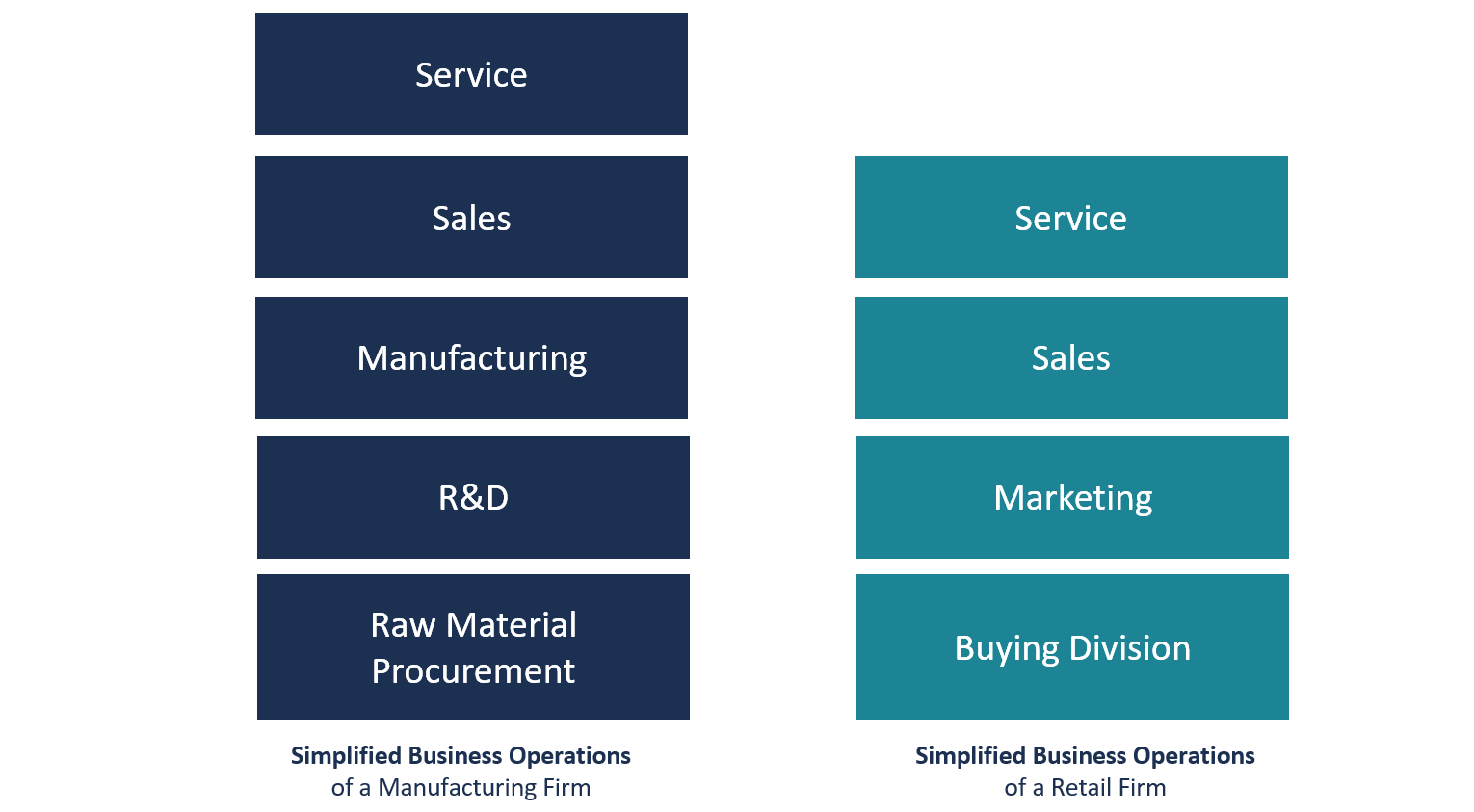
Business operations represent the bridge between a business’s strategic goals and its financial statements. From a money-centric perspective, operations are the tactical actions taken to ensure that the company’s value proposition is delivered efficiently enough to maintain healthy margins. If the revenue is the fuel, operations are the engine that determines how far that fuel will take the vehicle.
Capital Allocation and Resource Utilization
In the realm of business finance, operations begin with capital allocation. Every business has limited resources—money, time, and human capital. Business operations involve the strategic decision-making process of where to deploy these resources to maximize output. For instance, should a company invest in more inventory to meet potential demand, or should it invest in streamlining its logistics to reduce the cost of goods sold (COGS)? These operational choices have a direct impact on the balance sheet and the company’s liquidity.
The Conversion Cycle
A primary function of operations is managing the “Cash Conversion Cycle” (CCC). This financial metric measures how long it takes for a company to convert its investments in inventory and other resources into cash flows from sales. Efficient operations shorten this cycle, ensuring that the business remains liquid and has the necessary cash on hand to reinvest in growth opportunities or pay dividends to stakeholders.
Revenue Generation vs. Operational Expense
Profitability is a simple equation: Revenue minus Expenses. However, the operational reality is more complex. Business operations focus on the “Operating Expense” (OPEX) side of the ledger. By refining processes, reducing waste, and improving productivity, a business can lower its OPEX relative to its revenue. This widening of the margin is where true wealth is created within a corporate structure.
Maximizing ROI Through Operational Efficiency
To build a robust financial foundation, a business must obsess over efficiency. In the context of “Money,” efficiency isn’t just about speed; it is about Return on Investment (ROI). Every operational move must be evaluated by how it contributes to the bottom line.
Supply Chain Management and Procurement
One of the most significant levers in business operations is the supply chain. For companies dealing in physical goods, the ability to source materials at a lower cost without sacrificing quality is a direct path to increased profitability. Strategic procurement involves negotiating better terms with vendors, managing lead times to avoid overstocking (which ties up capital), and diversifying suppliers to mitigate the financial risk of disruptions.
Labor Efficiency and Payroll ROI
For many businesses, labor is the single largest expense. Business operations management involves optimizing workforce productivity to ensure that the “yield” per employee is high. This doesn’t necessarily mean cutting staff; rather, it means implementing systems that allow employees to produce more value in less time. Through training, better workflows, and the integration of productivity tools, a company can improve its labor-to-revenue ratio, making the business more attractive to investors.
Lean Methodology and Waste Reduction
The concept of “Lean” operations is rooted in the elimination of non-value-added activities. In financial terms, waste is “leaked” capital. Whether it is excess inventory sitting in a warehouse, redundant administrative processes, or inefficient energy use, operational waste eats into the net profit. By adopting a lean approach, businesses can protect their margins and ensure that more of their gross revenue reaches the bottom line.
Scaling Operations for Long-Term Capital Growth
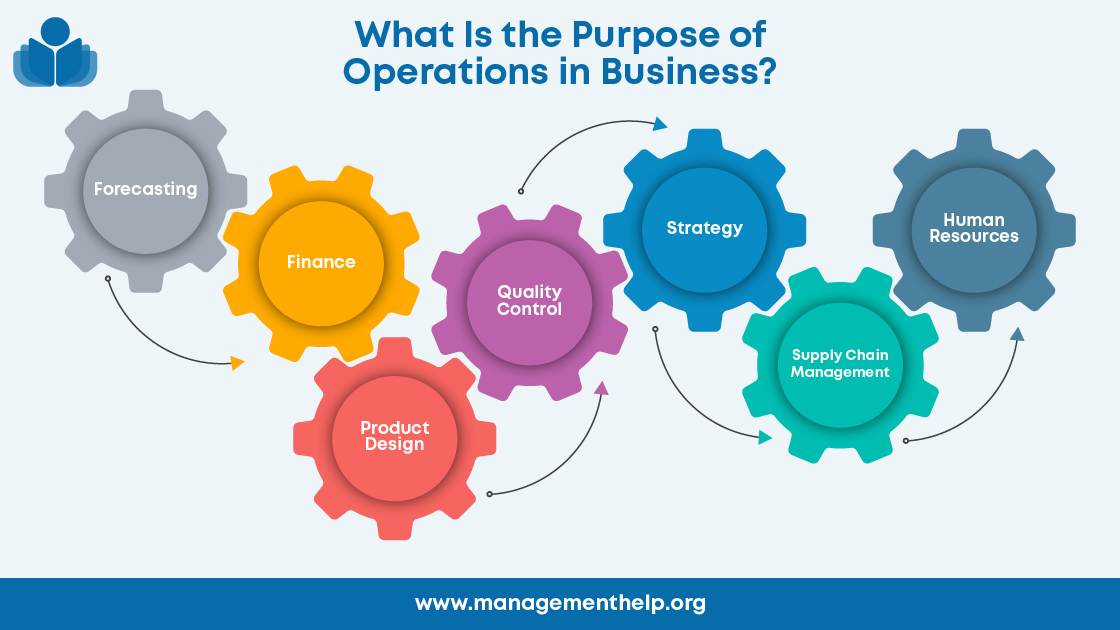
A business that cannot scale is a business with a ceiling on its wealth-generating potential. Scaling is the process of increasing revenue at a faster rate than costs. This is only possible through highly structured and repeatable business operations.
Standard Operating Procedures (SOPs) as Intangible Assets
Investors often value businesses based on their “systemization.” A business that relies on the brilliance of a single founder is a high-risk asset. However, a business with documented Standard Operating Procedures (SOPs) is a scalable machine. These SOPs represent the “intellectual property” of the operations. They ensure that as the company grows, quality remains consistent and costs remain predictable. In the eyes of a potential buyer or a venture capitalist, a well-documented operational manual significantly increases the valuation of the company.
Transitioning from Manual to Automated Systems
Scaling requires a shift from manual labor to automated systems. While there is an upfront capital expenditure (CAPEX) involved in implementing automated billing, inventory management, or customer service systems, the long-term financial benefits are profound. Automation allows a business to handle a 10x increase in volume with only a fractional increase in overhead. This decoupling of labor from revenue is the hallmark of high-margin, scalable businesses.
Geographic Expansion and Market Saturation
As a business seeks to grow its market share, operations must adapt to new environments. This might involve setting up regional distribution centers or localized service teams. Each expansion requires a “financial blueprint” to ensure the new operational footprint will be profitable within a reasonable timeframe. Operations provide the data necessary to determine the “Break-Even Point” for new ventures, allowing for calculated risks rather than blind gambles.
Financial Oversight and Key Performance Indicators (KPIs)
You cannot manage what you do not measure. In the niche of business finance, operations are governed by data. Key Performance Indicators (KPIs) act as the dashboard for the financial health of the company’s activities.
Gross Margin and Operating Margin Analysis
Operations teams must work closely with the finance department to monitor margins. The Gross Margin tells you how efficient your production process is, while the Operating Margin reflects how well you are managing your overhead. A shrinking operating margin is a red flag that the business’s operations are becoming bloated, requiring immediate intervention to protect the company’s solvency.
Cash Flow Management
Cash flow is the lifeblood of business operations. A company can be profitable on paper but still go bankrupt if its operations do not generate actual cash. Effective operations include rigorous accounts receivable management—ensuring that customers pay on time—and accounts payable strategy—managing when the company’s own bills are due. By balancing these two, operations ensure the business has the “dry powder” needed to capitalize on market dips or reinvest in new assets.
Unit Economics
Understanding the “Unit Economics” is a critical operational task. This involves calculating the direct revenue and costs associated with a single unit of sale. If the Customer Acquisition Cost (CAC) is higher than the Lifetime Value (LTV) of that customer, the business model is fundamentally flawed. Operations must constantly tweak the delivery and service models to improve these unit metrics, ensuring that every new sale adds to the company’s wealth rather than depleting it.
The Future of Profitable Operations: Sustainability and Tech Integration
As we look toward the future of business finance, operations are becoming increasingly integrated with sophisticated financial tools. The goal remains the same—profitability—but the methods are evolving.
The Role of Fintech in Operations
Financial technology (Fintech) is revolutionizing how business operations are handled. From automated payroll systems that optimize tax liabilities to AI-driven inventory forecasting that prevents capital from being locked in dead stock, the intersection of operations and finance is where the modern competitive advantage lies. Businesses that leverage these tools can operate with much thinner margins and still remain more profitable than their less-tech-savvy competitors.
Resilience as a Financial Strategy
In an unpredictable global economy, operational resilience has become a financial necessity. This means building redundancies into the supply chain and maintaining a “rainy day” fund as part of the operational budget. While these might seem like added costs in the short term, they serve as an insurance policy for the company’s capital. A business that can survive a supply chain crisis or a sudden market shift is one that will preserve its value over decades.
Conclusion: Operations as the Foundation of Wealth
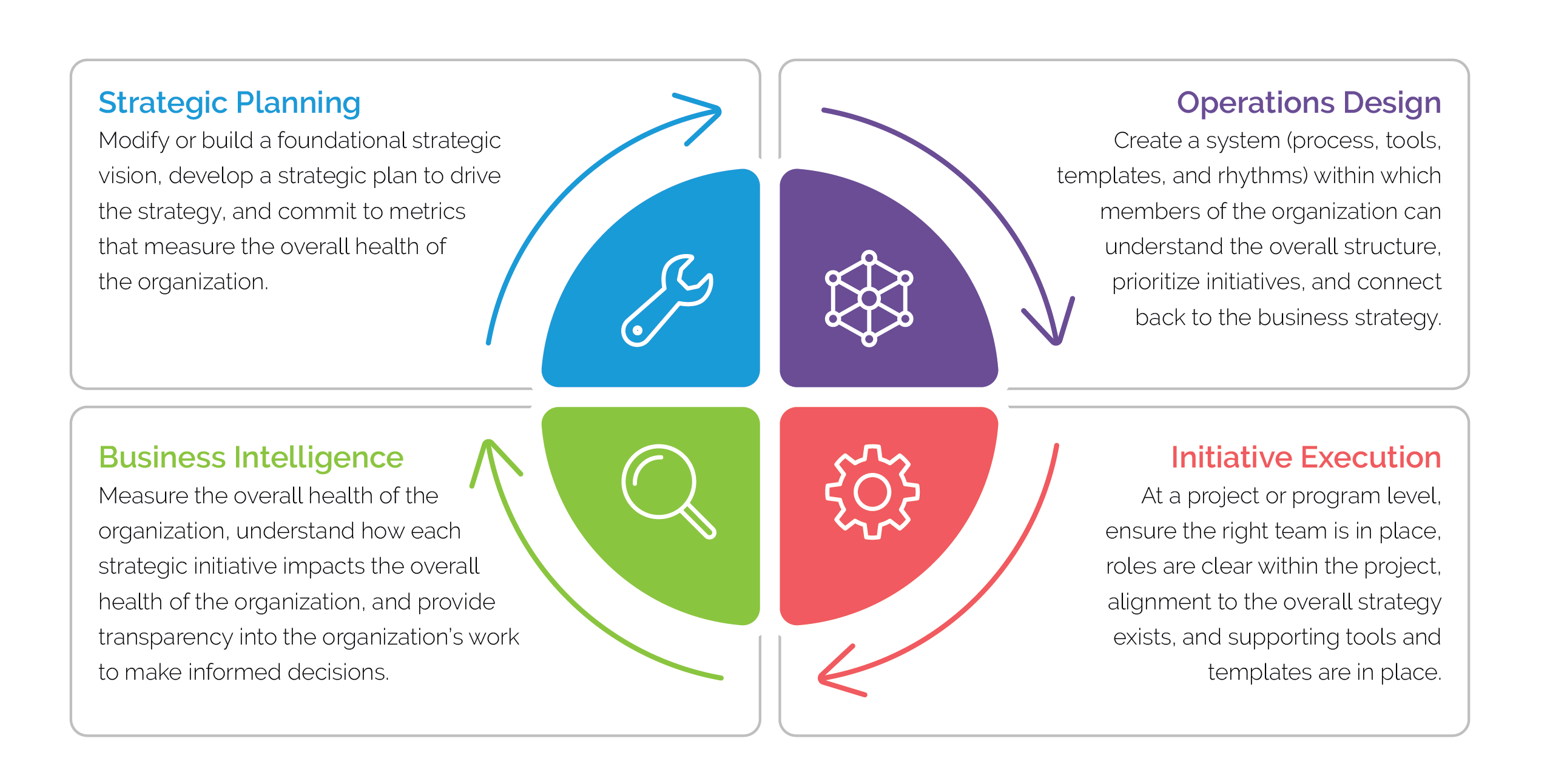
Ultimately, business operations are the practical application of financial theory. It is one thing to have a business plan that projects millions in profit; it is quite another to build the operational infrastructure that actually collects, manages, and grows that money. By focusing on efficiency, scalability, and rigorous financial oversight, business operations turn the gears of the global economy, transforming raw ideas into enduring financial legacies. Whether you are a small business owner looking to optimize your side hustle or a corporate executive managing a multi-million dollar budget, mastering the “what” and “how” of operations is the most reliable path to financial success.
aViewFromTheCave is a participant in the Amazon Services LLC Associates Program, an affiliate advertising program designed to provide a means for sites to earn advertising fees by advertising and linking to Amazon.com. Amazon, the Amazon logo, AmazonSupply, and the AmazonSupply logo are trademarks of Amazon.com, Inc. or its affiliates. As an Amazon Associate we earn affiliate commissions from qualifying purchases.