
In the rapidly evolving landscape of enterprise resource planning (ERP) and digital transformation, few names resonate as strongly in the procurement space as Ariba. Now formally known as SAP Ariba, this platform represents the pinnacle of cloud-based software designed to bridge the gap between buyers and sellers on a global scale. As organizations move away from fragmented, paper-heavy procurement processes, Ariba provides a unified, digital ecosystem that streamlines everything from sourcing and contract management to payment and supplier relations.
At its core, Ariba is a Software-as-a-Service (SaaS) solution that enables companies to manage their entire spend lifecycle within a single, integrated interface. By leveraging the power of the cloud, it transforms the traditional supply chain into a dynamic, data-driven network. To understand what Ariba is, one must look beyond its identity as a mere tool and view it as the digital backbone of modern B2B commerce.
The Evolution of SAP Ariba: From Startup to Enterprise Standard
The story of Ariba is a testament to the shift from localized software to global cloud ecosystems. Founded in 1996, Ariba was one of the early pioneers of the internet-based business model, aiming to use the web to simplify the complex process of corporate purchasing. Its acquisition by SAP in 2012 for approximately $4.3 billion marked a turning point in the tech industry, signaling that the future of enterprise software lay in the cloud.
The Transition to the Cloud
Before the cloud revolution, procurement was a siloed affair. Each department or branch of a large corporation might have its own way of ordering supplies, leading to massive inefficiencies and a lack of transparency. Ariba disrupted this by offering a centralized, web-accessible platform. This shift to the cloud meant that updates were instantaneous, data was accessible from anywhere in the world, and the cost of maintaining physical infrastructure was eliminated for the end user.
Integration with the SAP Ecosystem
Post-acquisition, Ariba was integrated into the broader SAP suite, creating a seamless flow of data between procurement and other business functions like finance, HR, and sales. Today, it stands as a critical component of the “Intelligent Enterprise,” allowing for real-time synchronization between a company’s ERP system (like SAP S/4HANA) and its external suppliers. This integration ensures that when a purchase is made in Ariba, the financial records, inventory levels, and budget allocations are updated automatically across the entire organization.
Core Architecture and Functional Modules
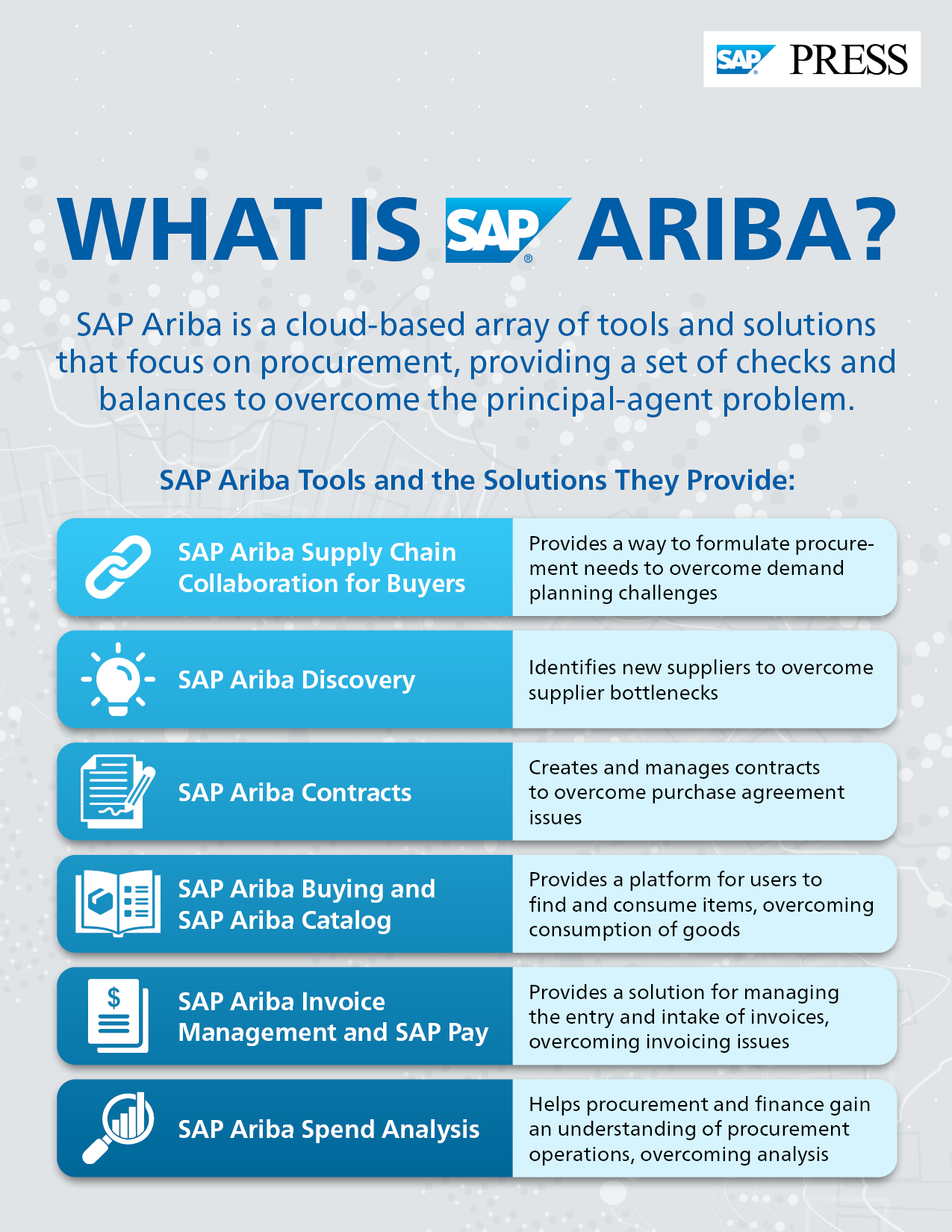
Ariba is not a monolithic application; rather, it is a modular suite of tools that can be tailored to meet the specific needs of an organization. This modularity allows businesses to address specific pain points in their supply chain, whether they struggle with supplier discovery or invoice processing.
Strategic Sourcing and Contract Management
The “upstream” portion of Ariba focuses on the strategic decisions made before a purchase ever occurs. Through Ariba Sourcing, tech-driven enterprises can host e-auctions, manage Requests for Proposals (RFPs), and evaluate supplier bids using sophisticated scoring algorithms. Once a supplier is chosen, the Ariba Contracts module takes over. This digital repository allows for the collaborative creation, signing, and tracking of legal agreements, ensuring that all parties adhere to negotiated terms and that no contract expires unnoticed.
The Ariba Network: A Global B2B Ecosystem
Perhaps the most significant technical achievement of the platform is the Ariba Network (now part of the SAP Business Network). This is a massive digital marketplace where millions of buyers and sellers connect. For a supplier, being on the Ariba Network means instant visibility to thousands of global corporations. For a buyer, it means access to a pre-vetted, diverse pool of vendors. The network handles trillions of dollars in transaction volume annually, functioning much like a “LinkedIn meets Amazon” for the corporate world.
Procurement-to-Pay (P2P) Automation
The “downstream” side of Ariba is where the day-to-day operational work happens. The Procurement-to-Pay (P2P) module automates the entire journey from the moment an employee identifies a need to the moment the vendor is paid. This includes “Guided Buying” interfaces that look and feel like consumer e-commerce sites, ensuring high user adoption. On the backend, the software automatically matches purchase orders with invoices and receipts (three-way matching), drastically reducing the risk of fraud and manual errors.
Key Technological Benefits for Modern Enterprises
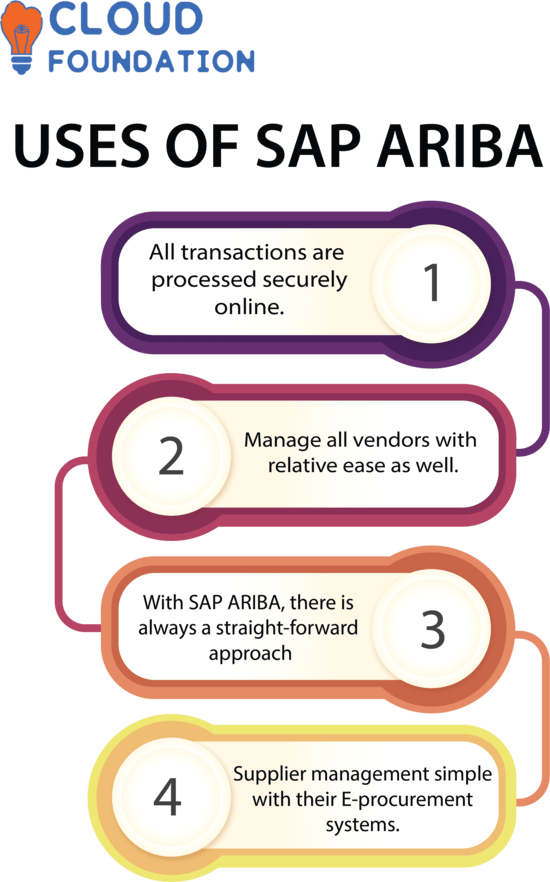
Why do the world’s largest companies rely on Ariba? The answer lies in the specific technological advantages that a cloud-native procurement platform offers over legacy systems. In an era where data is the new oil, Ariba provides the “refinery” needed to make that data actionable.
Enhanced Data Visibility and Analytics
One of the primary technical hurdles in traditional procurement is “dark spend”—purchases made outside of approved channels that are difficult to track. Ariba provides 360-degree visibility into every dollar spent. Its advanced analytics engines can categorize spend data, identify patterns, and suggest areas for cost consolidation. By centralizing all procurement data, CIOs and CPOs can generate real-time reports that inform high-level strategic decisions.
Supplier Lifecycle and Risk Management
In today’s global economy, supply chain resilience is a top priority. Ariba’s Supplier Lifecycle and Performance (SLP) module uses data to monitor supplier health. It tracks compliance with environmental, social, and governance (ESG) standards, monitors financial stability, and alerts businesses to potential disruptions. By digitizing supplier onboarding and performance tracking, companies can mitigate risks before they impact the bottom line.
Scalability and Global Compliance
For a multinational corporation, managing taxes, currencies, and local regulations across 50 different countries is a technical nightmare. Ariba is built to handle this complexity out of the box. The software automatically adjusts for local tax laws, supports dozens of languages, and ensures that electronic invoicing meets the legal requirements of different jurisdictions (such as the strict e-invoicing mandates in Europe and Latin America).
The Role of AI and Machine Learning in Ariba’s Ecosystem
As we move further into the age of artificial intelligence, Ariba is evolving from a system of record to a system of intelligence. SAP has heavily invested in embedding AI and machine learning directly into the Ariba user experience to drive further efficiencies.
Intelligent Spend Analysis
Machine learning algorithms are now used to automatically cleanse and classify spend data. In the past, humans had to manually tag thousands of line items to understand what the company was buying. Today, Ariba’s AI can look at a description like “blue ballpoint pens” and automatically categorize it under “Office Supplies,” even if different vendors use different nomenclature. This leads to much more accurate forecasting and budgeting.
Predictive Supply Chain Insights
Future-looking iterations of Ariba are focusing on predictive capabilities. By analyzing historical data and external market signals, the platform can predict potential supply chain bottlenecks. If a natural disaster occurs in a region where several key suppliers are located, Ariba can proactively suggest alternative sources of supply, allowing the tech-enabled business to remain agile in the face of volatility.
Implementation and Best Practices for Digital Transformation
Deploying a platform as comprehensive as Ariba is a significant technological undertaking. It requires more than just a software installation; it requires a shift in how an organization thinks about its relationships with external partners.
Overcoming Integration Challenges
The most successful Ariba implementations are those that prioritize integration. While Ariba can function as a standalone product, its true power is unlocked when it is deeply integrated with the company’s core ERP system. This requires a robust middleware strategy, often utilizing SAP Business Technology Platform (BTP) or third-party APIs to ensure that data flows seamlessly between the procurement office, the warehouse, and the finance department.

User Adoption and Training Strategies
A piece of software is only as good as the people who use it. One of the common pitfalls in digital transformation is low user adoption. To counter this, Ariba has focused heavily on the user interface (UI), creating “Guided Buying” paths that simplify the process for the average employee. From a technical management perspective, this means configuring the system to be as intuitive as possible, reducing the need for extensive manual training and ensuring that the “path of least resistance” for an employee is also the path that is compliant with corporate policy.
In conclusion, Ariba is far more than a digital catalog. It is a sophisticated, AI-enhanced, cloud-based infrastructure that manages the complex web of global commerce. By centralizing data, automating workflows, and connecting millions of businesses via the Ariba Network, it has become the gold standard for organizations looking to digitize their supply chain and drive strategic value through technology. As the world becomes increasingly interconnected, platforms like Ariba will continue to be the essential link in the global digital economy.
aViewFromTheCave is a participant in the Amazon Services LLC Associates Program, an affiliate advertising program designed to provide a means for sites to earn advertising fees by advertising and linking to Amazon.com. Amazon, the Amazon logo, AmazonSupply, and the AmazonSupply logo are trademarks of Amazon.com, Inc. or its affiliates. As an Amazon Associate we earn affiliate commissions from qualifying purchases.