
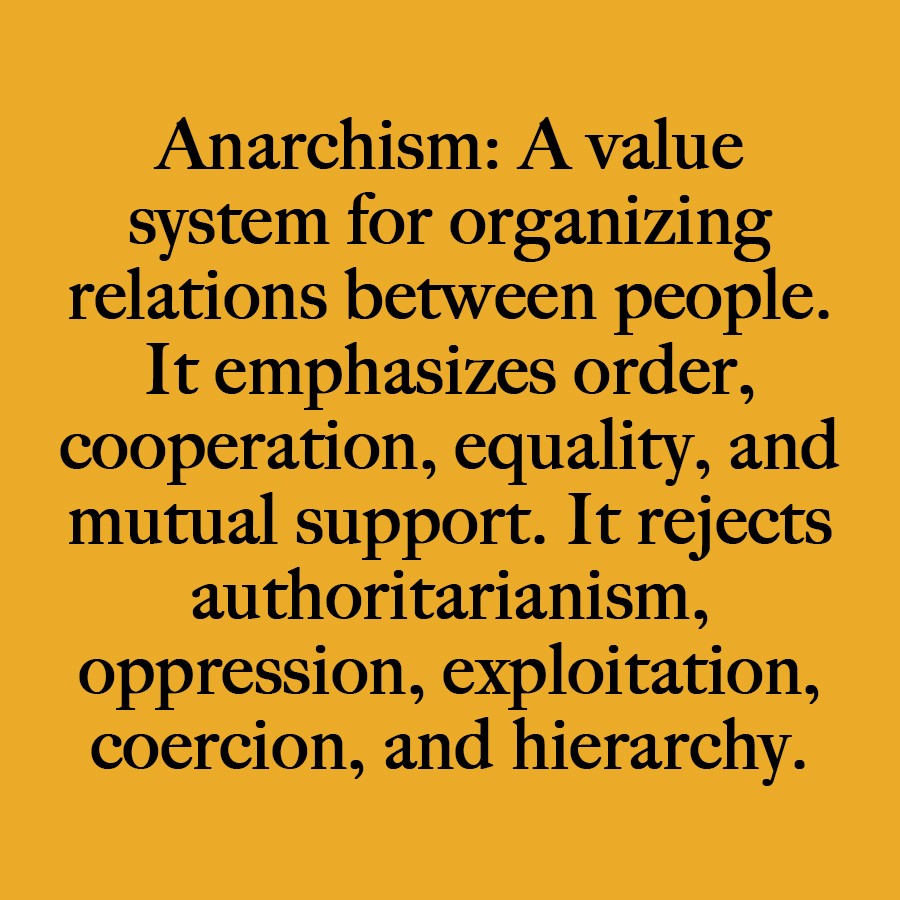
The term “anarchism” often conjures images of chaos and disorder, a far cry from the nuanced and deeply philosophical underpinnings of this political ideology. In reality, anarchism, at its core, is a radical critique of hierarchical and coercive power structures, advocating for a society organized on principles of voluntary association, mutual aid, and self-governance. While often misunderstood, its core beliefs resonate with contemporary discussions surrounding technology, digital security, and the distribution of power in an increasingly interconnected world. This exploration delves into the fundamental tenets of anarchism and examines their relevance in the context of the digital landscape.

The Rejection of Authority and Hierarchy
At the heart of anarchism lies a profound skepticism towards all forms of imposed authority and hierarchical organization. This rejection isn’t a blanket dismissal of all forms of organization or leadership, but rather a critical examination of where power resides and how it is wielded. Anarchists argue that any system that concentrates power in the hands of a few, whether it be the state, corporations, or even dominant social groups, inevitably leads to oppression, inequality, and the suppression of individual autonomy.
The State as an Instrument of Coercion
The state, in the anarchist view, is the quintessential example of an illegitimate and harmful hierarchy. It claims a monopoly on violence, enforces laws through coercion, and often acts in ways that benefit a select elite at the expense of the general populace. Anarchists believe that the state, regardless of its form (democratic, authoritarian, socialist), inherently limits individual freedom and perpetuates social injustices. They envision a society where disputes are resolved through community-based mediation and where services are provided through voluntary cooperation rather than state mandates. This critique extends to all institutions that rely on top-down command and control structures.
Beyond the State: Critiquing Corporate Power and Other Hierarchies
The anarchist critique of hierarchy is not confined to the state. It extends to all institutions that exhibit similar power dynamics. This includes large corporations, religious institutions, and even patriarchal social structures. Anarchists argue that the concentration of wealth and decision-making power within corporate entities mirrors the problems associated with state power. They highlight how corporate structures often prioritize profit over human well-being, exploit labor, and contribute to environmental degradation. Similarly, they challenge social hierarchies based on gender, race, class, or any other characteristic, advocating for genuine equality and mutual respect among all individuals.
The Concept of Spontaneous Order
In place of imposed hierarchies, anarchism posits the idea of spontaneous order. This concept, often associated with thinkers like David Hume and Adam Smith in a more limited context, is central to anarchist thought. It suggests that complex social orders can emerge and function effectively through the voluntary interactions and self-organization of individuals without the need for central planning or authoritative direction. In a digital context, this can be seen in the rise of open-source software communities, decentralized networks, and peer-to-peer collaboration platforms, which demonstrate how individuals can collectively achieve sophisticated outcomes through decentralized means.
Emphasis on Individual Liberty and Autonomy
Complementary to the rejection of authority is a strong emphasis on individual liberty and autonomy. Anarchists believe that each person has an inherent right to self-determination, to make choices about their own lives free from external coercion or manipulation. This is not to be confused with radical individualism; anarchist autonomy is understood within the context of social interdependence. True freedom, for anarchists, is not merely the absence of restraint, but the positive capacity to act and flourish.
Freedom from Coercion and Exploitation
Anarchists champion freedom from all forms of coercion and exploitation. This includes not only political oppression but also economic exploitation. They argue that systems that rely on wage labor, where individuals must sell their labor power to survive, inherently create an exploitative relationship between employers and employees. Anarchist economics often favors models like worker cooperatives, mutualism, and gift economies, where individuals have more control over their labor and its fruits. In the digital realm, this translates to a desire for freedom from surveillance capitalism, predatory data harvesting, and the monopolistic control of essential digital services.
The Importance of Self-Determination and Self-Governance
Self-determination is a cornerstone of anarchist philosophy. Individuals should have the ultimate say in matters that affect their lives. This extends to communities, which should be able to govern themselves according to their own needs and desires. Anarchists advocate for direct democracy and participatory decision-making processes, where all affected individuals have a voice. In the digital sphere, this ideal finds expression in calls for decentralized autonomous organizations (DAOs), user-owned platforms, and greater control over personal data and online identities.
The Role of Voluntary Association
Central to achieving both liberty and self-governance is the principle of voluntary association. Anarchists believe that all social relationships, economic arrangements, and community structures should be based on free consent and mutual agreement. Individuals should be free to join or leave any association, and these associations should be organized horizontally, without a governing class. This principle is crucial for understanding how an anarchist society would function, emphasizing cooperation and community building as natural outcomes of free interaction rather than enforced mandates.

The Principle of Mutual Aid and Cooperation
While often characterized by their critique of existing power structures, anarchism is also deeply rooted in a positive vision of human potential for cooperation and solidarity. The principle of mutual aid, popularized by Peter Kropotkin, is a fundamental belief that humans are naturally inclined to help one another, and that this innate capacity can form the basis of a flourishing society.
Kropotkin’s “Mutual Aid: A Factor of Evolution”
Kropotkin’s seminal work, “Mutual Aid: A Factor of Evolution,” presented scientific evidence that cooperation, not just competition, has been a crucial factor in the survival and evolution of species, including humans. He argued that mutual aid is a more significant driver of social progress and human well-being than competition. Anarchists believe that by removing the artificial barriers of hierarchical systems, which often foster competition and division, humanity’s natural inclination towards cooperation can be unleashed.
Mutual Aid in Action: From Local Communities to Online Networks
The principle of mutual aid can manifest in various ways. Historically, it has been seen in the traditions of community support, shared resources, and collective action in the face of hardship. In the contemporary context, this principle is evident in the burgeoning world of open-source software development, where individuals collaborate voluntarily to create and improve technologies accessible to all. It is also seen in community-supported agriculture, skill-sharing networks, and online mutual aid groups that provide support and resources to those in need. These decentralized, bottom-up initiatives embody the anarchist ideal of cooperation driven by necessity and solidarity.
Building Social Solidarity and Collective Well-being
Anarchists envision a society where collective well-being is prioritized, and this is achieved through the practice of mutual aid. When individuals are not forced to compete for scarce resources or defer to authority, they are more likely to recognize their shared humanity and work together for the common good. This creates a resilient and supportive social fabric, where individuals feel a sense of belonging and are empowered to contribute their unique talents. In the digital realm, this translates to the creation of commons-based initiatives, decentralized data cooperatives, and platforms that prioritize user empowerment and collective benefit over corporate profit.
Anarchism in the Digital Age: Navigating Power and Autonomy Online
The core beliefs of anarchism hold significant relevance in the digital age, a landscape increasingly shaped by powerful technological forces and complex information flows. The internet, while offering unprecedented opportunities for connection and information sharing, has also become a battleground for issues of power, control, and individual autonomy.
Decentralization as an Anarchist Principle in Tech
Anarchist principles align closely with the concept of decentralization, a key trend in contemporary technology. The internet, in its early conception, was a decentralized network. However, the rise of powerful tech monopolies has led to increased centralization of services and data. Anarchist critiques of concentrated power resonate with the growing calls for decentralized technologies, such as blockchain, peer-to-peer networks, and federated social media, which aim to distribute control and reduce reliance on single points of failure or authority. These technologies offer potential avenues for creating more resilient, user-controlled, and less hierarchical digital infrastructure.
Digital Security and Privacy as Autonomy
For anarchists, digital security and privacy are not merely technical concerns but fundamental aspects of individual liberty and autonomy. The pervasive surveillance by states and corporations erodes personal freedom and creates an environment of fear and self-censorship. Anarchist thought champions the right to anonymity, encryption, and freedom from unwarranted monitoring. This aligns with the broader movement for digital rights and privacy-enhancing technologies, advocating for tools and practices that empower individuals to control their own data and communications.
The Promise and Perils of Distributed Networks
The internet has enabled the growth of distributed networks, allowing for peer-to-peer communication and collaboration without central intermediaries. This mirrors the anarchist ideal of voluntary association and self-governance. However, these networks are not inherently free from power dynamics. The design and governance of these decentralized systems are crucial. Anarchist insights can inform the development of truly equitable and user-centric distributed platforms, ensuring that they do not inadvertently replicate the hierarchies they seek to dismantle. The challenge lies in building decentralized systems that foster genuine cooperation and empower all participants, rather than creating new forms of digital oligarchy.
Towards a More Autonomous and Equitable Digital Future
Ultimately, the core beliefs of anarchism offer a critical lens through which to examine the current state of the digital world and to envision a more autonomous and equitable future. By questioning authority, championing individual liberty, and promoting mutual aid, anarchism provides a framework for building digital spaces that are more inclusive, resilient, and empowering for all. The ongoing development of decentralized technologies and the growing awareness of digital rights signal a potential shift towards a digital landscape that better reflects these enduring anarchist ideals.
aViewFromTheCave is a participant in the Amazon Services LLC Associates Program, an affiliate advertising program designed to provide a means for sites to earn advertising fees by advertising and linking to Amazon.com. Amazon, the Amazon logo, AmazonSupply, and the AmazonSupply logo are trademarks of Amazon.com, Inc. or its affiliates. As an Amazon Associate we earn affiliate commissions from qualifying purchases.