
The Standard Industrial Classification (SIC) code is a vital, albeit often overlooked, element in the business landscape, particularly for those navigating the financial and operational aspects of commerce. While its origins predate the digital age, its enduring relevance in areas like financial reporting, regulatory compliance, and market analysis underscores its importance. Understanding what an SIC code is, how it functions, and why it matters can provide businesses with a clearer picture of their operations within the broader economic framework and unlock opportunities for better financial management and strategic planning. This article delves into the core of SIC codes, exploring their definition, historical context, practical applications, and the shift towards newer classification systems, all within the crucial domain of business finance.

The Foundation of Business Classification: Understanding the SIC System
At its heart, the SIC system is a hierarchical numerical code designed to categorize businesses based on their primary economic activity. Developed in the United States, it provides a standardized method for classifying industries, enabling consistent data collection and analysis across various sectors. This standardization is crucial for numerous financial and regulatory functions.
Genesis and Evolution of the SIC System
The SIC system was first introduced in 1937 by the U.S. government, primarily as a tool for the Census Bureau to collect and organize data related to economic activity. Its initial purpose was to aid in understanding the structure of the American economy and to track industrial output. Over time, its utility expanded beyond mere data collection. Regulatory agencies began using SIC codes to monitor industries, allocate resources, and enforce compliance. Financial institutions also adopted it for risk assessment, loan underwriting, and market segmentation.
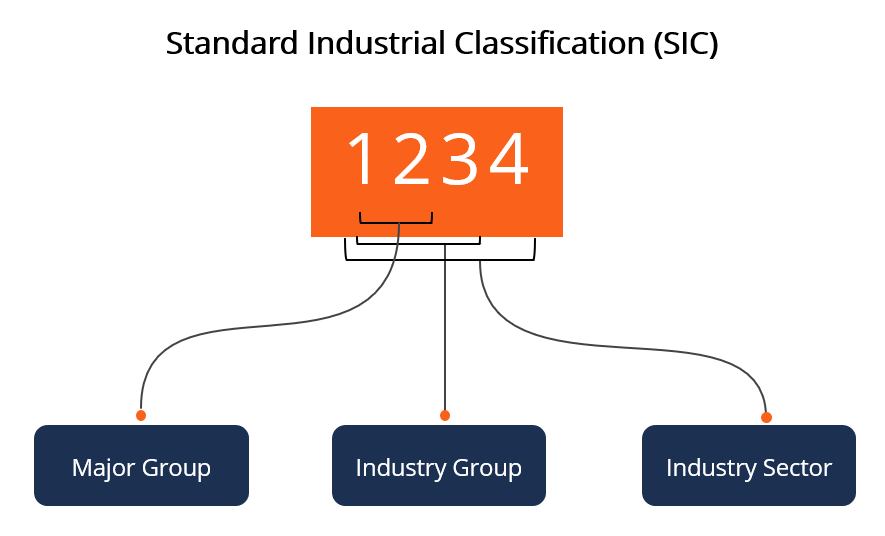
The system is structured in a four-digit numerical format. Each digit represents a progressively more specific level of classification:
- First Digit: Represents the broad industry division (e.g., Agriculture, Forestry, and Fishing; Mining; Construction; Manufacturing; Transportation, Communications, Electric, Gas, and Sanitary Services; Wholesale Trade; Retail Trade; Finance, Insurance, and Real Estate; Services; Public Administration). There are typically 10 such major divisions.
- Second Digit: Represents the major group within that division. For instance, within Manufacturing (Division D), there are major groups like Food and Kindred Products, Textile Mill Products, or Industrial Machinery and Equipment.
- Third Digit: Represents the industry group, further narrowing down the classification.
- Fourth Digit: Represents the specific industry, providing the most granular level of detail.
For example, a company primarily involved in producing canned vegetables might have an SIC code like 2033 (Canned Fruits and Vegetables). The ’20’ signifies Manufacturing, ‘203’ signifies Fruits and Vegetables, and ‘2033’ pinpoints the specific canning activity. This layered structure allows for detailed analysis from broad economic trends down to the specific activities of individual businesses.
The Core Purpose: Standardizing Economic Activity
The primary purpose of the SIC code system is to provide a uniform language for describing business activities. Before its widespread adoption, businesses might have been described in vastly different ways, making comparisons and aggregations of data difficult, if not impossible. By assigning a unique code to each distinct type of business operation, the SIC system allows for:
- Data Aggregation: Government agencies, researchers, and businesses can collect and analyze data on a comparable basis, identifying trends, market sizes, and economic shifts within specific industries or across the economy.
- Regulatory Oversight: Agencies can more effectively monitor specific industries for compliance with regulations, environmental standards, or safety protocols.
- Financial Benchmarking: Businesses can use SIC codes to compare their performance metrics (e.g., revenue, profitability, growth) against industry averages. This is invaluable for strategic decision-making, identifying areas for improvement, and setting realistic financial goals.
- Market Research and Analysis: Understanding the SIC codes of competitors and target markets allows for more precise market research, identifying potential customers, suppliers, and strategic partners.
- Government Contracts and Certifications: Many government contracts and certifications require businesses to identify their primary SIC code, ensuring that contracts are awarded to companies with the appropriate expertise and capabilities.
Without this standardized classification, the intricate tapestry of the business world would be far harder to comprehend and manage from a financial and economic perspective.
Practical Applications of SIC Codes in Business Finance
The financial implications of an accurately assigned SIC code are substantial. Businesses rely on these codes for a multitude of financial operations, from securing funding to understanding their risk profile. The precision of an SIC code directly impacts how a business is perceived by lenders, investors, and regulatory bodies.
Identifying Industry Risks and Opportunities
One of the most significant uses of SIC codes in business finance is for risk assessment and identifying market opportunities. Financial institutions use SIC codes to categorize businesses by industry risk. For instance, industries with historically higher default rates or greater susceptibility to economic downturns will be assigned higher risk premiums by lenders.
- Lending and Credit: Banks and other lenders use SIC codes to understand the typical financial performance, cash flow cycles, and risk profiles of businesses within a given industry. This helps them determine loan eligibility, interest rates, and collateral requirements. A business operating in a high-risk industry (e.g., certain manufacturing sectors prone to obsolescence or global supply chain disruptions) might face more stringent lending conditions compared to a business in a stable service sector.
- Insurance: Insurance companies utilize SIC codes to assess the risk associated with insuring a particular business. Different industries have varying levels of risk for property damage, liability claims, and worker compensation. An accurate SIC code ensures that a business is insured at an appropriate rate, reflecting the actual risks involved.
- Investment Analysis: Investors and financial analysts use SIC codes to understand the competitive landscape, market dynamics, and growth potential of different industries. By aggregating data based on SIC codes, they can identify emerging trends, assess the attractiveness of various investment sectors, and conduct thorough due diligence on potential investments.
Compliance and Reporting
Beyond strategic financial planning, SIC codes play a critical role in ensuring legal and regulatory compliance, which directly affects a company’s financial health and operational continuity.
- Taxation: While not the primary driver for tax code assignment, SIC codes can sometimes influence certain tax considerations or industry-specific reporting requirements. For example, some tax incentives or deductions might be tied to specific industrial classifications.
- Environmental and Safety Regulations: Government agencies like the Environmental Protection Agency (EPA) or the Occupational Safety and Health Administration (OSHA) use SIC codes to track industries with specific environmental impacts or safety concerns. Businesses operating in these sectors may be subject to more rigorous reporting, inspections, and compliance mandates, which can incur significant financial costs.
- Securities and Exchange Commission (SEC) Filings: For publicly traded companies, SIC codes are used in SEC filings to categorize the company’s primary business activities. This helps investors and the public understand the company’s market position and the sectors in which it operates, influencing investment decisions.
The Transition and Modern Relevance: NAICS and Beyond
While the SIC code system has served its purpose for decades, the evolving nature of the global economy and the emergence of new industries, particularly in the digital realm, necessitated a more contemporary classification system. This has led to the development and adoption of the North American Industry Classification System (NAICS).
The Rise of NAICS: A More Modern Framework
Recognizing the limitations of the SIC system in capturing the nuances of the modern economy, particularly in service and technology-based industries, the United States, Canada, and Mexico collaboratively developed the North American Industry Classification System (NAICS). Introduced in 1997, NAICS provides a more detailed and up-to-date classification of economic activities, with a greater emphasis on the service sector and emerging technologies.
Key differences between SIC and NAICS include:
- Structure: NAICS uses a six-digit code, offering a more granular classification compared to SIC’s four digits.
- Industry Focus: NAICS provides more specific categories for service-based industries, technology companies, and information-based businesses that were not adequately represented in the older SIC system. For instance, new sectors like “Information” and “Arts, Entertainment, and Recreation” are more prominently featured.
- Economic Concept: NAICS is based on production or value-added concepts, whereas SIC was primarily based on the input of materials and the process of production. This shift provides a more accurate reflection of how businesses operate and create value in today’s economy.
Continued Use and Interoperability
Despite the official transition to NAICS, SIC codes are not entirely obsolete. Many legacy systems, databases, and regulations still refer to SIC codes. Therefore, businesses often need to be aware of both systems.
- Legacy Systems: Older government databases, financial reporting systems, and industry-specific software might still rely on SIC codes for data retrieval and analysis. Businesses that interact with these systems need to ensure they can correctly identify their SIC code.
- Older Contracts and Agreements: Existing contracts, insurance policies, or loan agreements might reference a company’s SIC code. While these may eventually be updated, understanding the historical code can be crucial for managing these existing financial commitments.
- Research and Historical Data: When analyzing historical economic data or conducting research that spans periods before and after the NAICS adoption, understanding SIC codes is essential for accurate interpretation.
For businesses, the key takeaway is to determine which classification system is relevant for their specific needs. If dealing with older systems or specific legacy regulations, the SIC code remains important. However, for contemporary financial planning, market analysis, and compliance with current government standards, the NAICS code is generally the more accurate and preferred classification.
Navigating Your Business Classification for Financial Success
Understanding and correctly identifying your business’s SIC code (and increasingly, its NAICS code) is more than just a bureaucratic requirement; it’s a fundamental step towards sound financial management and strategic positioning. The classification profoundly influences how your business is perceived, assessed, and ultimately, how it performs within the financial ecosystem.
Choosing the Right Code: The Importance of Primary Activity
The most critical aspect of using SIC codes effectively is accurately identifying the primary business activity. While businesses often engage in multiple activities, the SIC code system is designed to reflect the core operation that generates the majority of revenue or represents the most significant portion of the business’s economic output. Misrepresenting this primary activity can lead to a cascade of financial and regulatory problems.
- Revenue-Based Determination: Typically, the primary activity is determined by the activity that accounts for the largest percentage of the company’s total revenue.
- Operational Focus: If revenue is close between two activities, the focus of the business’s operations, its core mission, and the resources dedicated to each activity can be considered.
- Consultation: For complex businesses with multiple revenue streams or diverse operations, consulting with financial advisors, industry experts, or even government agencies that administer these codes can be invaluable in ensuring the correct classification. Incorrect classification can lead to penalties, misaligned financial strategies, and missed opportunities.

Leveraging Classification for Strategic Financial Advantage
Beyond mere identification, proactively understanding and utilizing your business’s SIC and NAICS codes can offer significant financial advantages:
- Benchmarking and Performance Improvement: By identifying your industry’s typical financial benchmarks through SIC/NAICS data, you can set realistic performance targets, identify areas where you lag behind competitors, and implement strategies to improve profitability and efficiency. This is crucial for securing future funding and demonstrating growth potential to investors.
- Targeted Marketing and Sales: Understanding the SIC codes of your ideal customer base allows for more precise marketing campaigns, direct mail, and digital advertising, leading to higher conversion rates and a more efficient use of marketing budgets.
- Identifying Funding Opportunities: Certain government programs, grants, or specialized loans are often targeted towards specific industries or sectors identified by SIC/NAICS codes. Knowing your code can help you actively seek out and qualify for these beneficial financial resources.
- Supplier and Partner Identification: Similarly, understanding the SIC codes of potential suppliers and strategic partners can streamline your procurement process and foster more effective collaborations.
In conclusion, while the landscape of business classification is evolving with systems like NAICS taking prominence, the foundational principles and many lingering applications of SIC codes remain relevant, particularly within the realm of business finance. A thorough understanding of these codes is not just a matter of compliance; it is a strategic imperative that can unlock significant financial insights, mitigate risks, and pave the way for sustained business growth and success. Businesses that invest the time to correctly identify and leverage their industry classification are better equipped to navigate the complexities of the financial world and achieve their economic objectives.
aViewFromTheCave is a participant in the Amazon Services LLC Associates Program, an affiliate advertising program designed to provide a means for sites to earn advertising fees by advertising and linking to Amazon.com. Amazon, the Amazon logo, AmazonSupply, and the AmazonSupply logo are trademarks of Amazon.com, Inc. or its affiliates. As an Amazon Associate we earn affiliate commissions from qualifying purchases.