
The world of beverages is vast and varied, offering everything from the deeply nuanced complexities of aged wines to the invigorating simplicity of iced tea. Yet, nestled within this expansive spectrum, a category of drinks has steadily gained global recognition for its refreshing qualities, vibrant flavors, and cultural significance: the agua fresca. Far more than just a simple juice or a sweetened water, aguas frescas represent a rich tradition, a versatile culinary art form, and, increasingly, a compelling business opportunity. This exploration delves into the essence of what constitutes an agua fresca, its historical roots, its diverse manifestations, and why understanding this seemingly humble drink can offer valuable insights, particularly within the realm of business and brand development.

The Core Identity: Simplicity Meets Flavor
At its heart, an agua fresca is a non-alcoholic beverage made from a blend of fruits, flowers, seeds, or grains, diluted with water and lightly sweetened. The beauty of an agua fresca lies in its fundamental simplicity, a testament to how basic ingredients can be transformed into something truly delightful. This elemental structure allows for an almost infinite array of flavor combinations, making it a highly adaptable drink that can cater to a wide range of palates.
The Elemental Components
The creation of an agua fresca typically involves three core ingredients:
-
The Flavoring Agent: This is the star of the show, providing the distinctive taste and aroma. Common choices include:
- Fruits: Mango, strawberry, pineapple, watermelon, cantaloupe, lime, passion fruit, and guava are perennial favorites, prized for their natural sweetness and vibrant colors.
- Flowers: Hibiscus (flor de Jamaica) is perhaps the most iconic floral agua fresca, offering a tart, cranberry-like flavor and a striking ruby-red hue. Rose petals can also be used for a subtler, perfumed essence.
- Seeds and Grains: Chia seeds (chia fresca) are known for their hydration properties and mild taste, often served with lime. Horchata, a creamy beverage, is traditionally made from rice soaked and blended, infused with cinnamon and sometimes vanilla, offering a distinctively sweet and spiced profile.
- Vegetables: Cucumber is often incorporated for a cooling and subtly refreshing effect, frequently paired with lime or mint.
-
The Liquid Base: This is almost universally water, acting as the perfect medium to carry and dilute the flavors. The purity of the water is crucial, as it doesn’t compete with the primary flavoring agent.
-
The Sweetener: While the fruits themselves provide natural sugars, a touch of sweetness is often added to balance tartness and enhance the overall flavor profile. Common sweeteners include:
- Cane Sugar: The most traditional and widely used sweetener, offering a clean, straightforward sweetness.
- Agave Nectar: A popular alternative, particularly in more health-conscious or modern interpretations, providing a slightly different flavor profile and a different glycemic index.
- Simple Syrup: A readily dissolved mixture of sugar and water, ensuring even distribution of sweetness.
- Less common sweeteners like piloncillo (unrefined whole cane sugar) can also be used, imparting a richer, molasses-like depth.
The preparation method typically involves macerating, blending, or infusing the flavoring agent with water, followed by straining to achieve a smooth texture. A final adjustment of sweetness and sometimes the addition of acidity (like lime juice) or other complementary ingredients (like mint leaves) completes the process.
Historical Roots and Cultural Significance
The origins of aguas frescas are deeply intertwined with the culinary traditions of Mexico and Central America. Their history is not one of a singular invention, but rather an evolution of existing practices of infusing water with local produce to create refreshing and nourishing drinks.
A Legacy of Resourcefulness and Refreshment
The development of aguas frescas can be traced back to pre-Hispanic times, where indigenous populations utilized readily available fruits, flowers, and grains to create beverages. These early concoctions were not only thirst quenchers but also served medicinal and ceremonial purposes. The Spanish colonial era introduced new ingredients and techniques, further enriching the repertoire of aguas frescas.
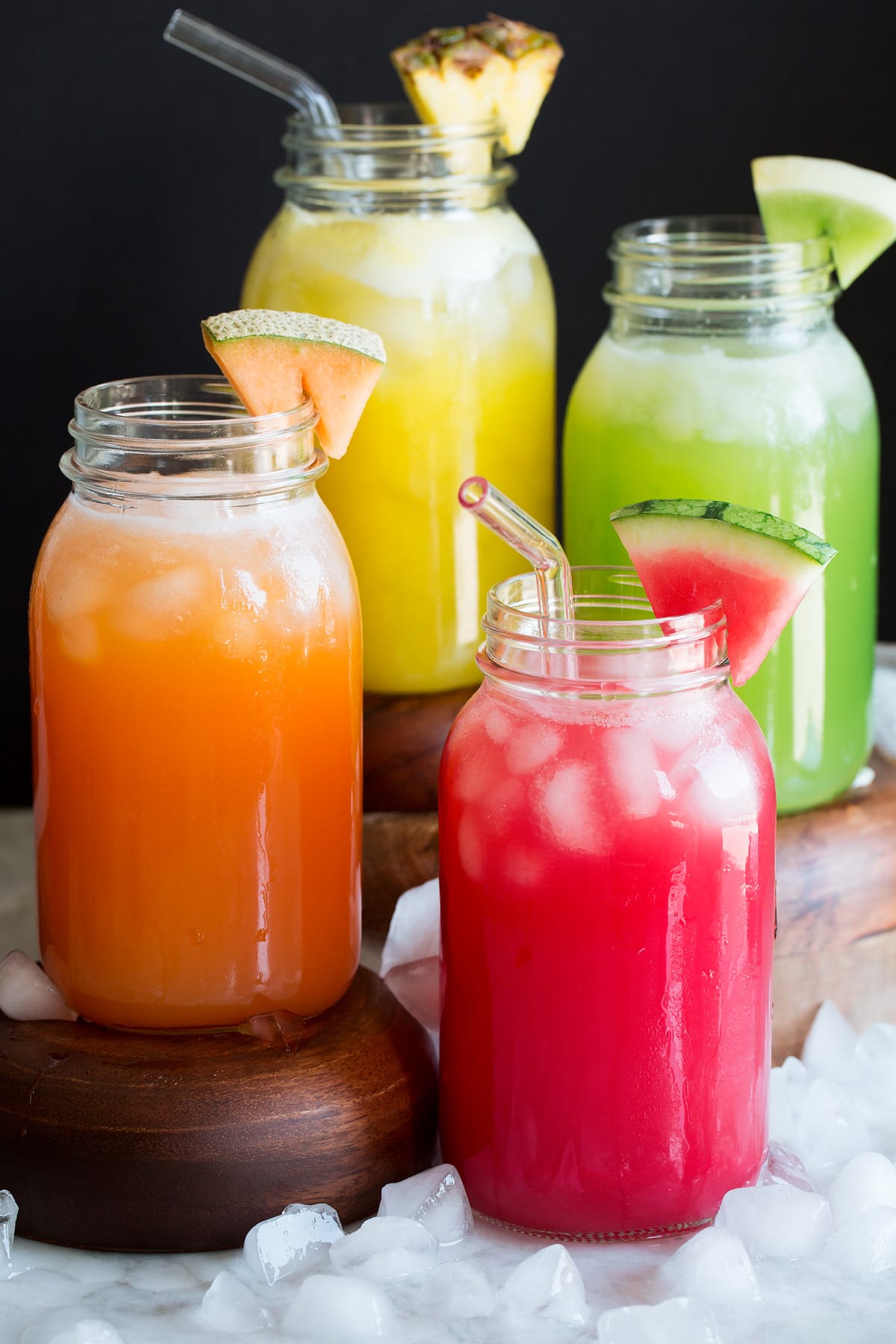
The portability and simple preparation of aguas frescas made them ideal for daily consumption and for sustenance during long journeys or periods of intense labor. They offered a vital source of hydration and nutrients in regions where access to clean drinking water could be challenging. The local availability of fruits dictated regional variations, leading to a rich tapestry of flavors across different areas.
More Than Just a Drink: Social and Communal Value
Beyond their intrinsic refreshing qualities, aguas frescas hold significant cultural and social value. They are an integral part of everyday life in many Latin American communities, commonly found at:
- Family Gatherings and Celebrations: From casual backyard barbecues to more formal fiestas, aguas frescas are a staple, offering a crowd-pleasing and inclusive beverage option.
- Street Markets and Food Stalls: Vendors often dedicate entire stalls to showcasing a variety of brightly colored aguas frescas, becoming iconic landmarks and essential stops for locals and tourists alike.
- Restaurants and Cafes: They are a popular accompaniment to traditional meals, providing a palate-cleansing and flavorful counterpoint to savory dishes.
The act of preparing and sharing aguas frescas is often a communal activity, fostering connection and tradition. The vibrant colors and inviting aromas contribute to the festive atmosphere, making them more than just a beverage but a symbol of hospitality and cultural identity.
The Business of Hydration: Market Potential and Brand Building
In recent years, the humble agua fresca has transcended its traditional borders, gaining traction in international markets and presenting compelling opportunities for entrepreneurs and established businesses alike. The increasing global interest in natural, fresh, and culturally authentic food and beverage products has created fertile ground for aguas frescas to flourish.
Tapping into Consumer Trends
Several key consumer trends underpin the growing market for aguas frescas:
- Demand for Natural and Unprocessed Products: As consumers become more health-conscious, they are actively seeking beverages with fewer artificial ingredients, preservatives, and excessive sugars. Aguas frescas, by their nature, can be prepared with a high degree of naturalness.
- Exploration of Global Flavors: There is a growing appetite for authentic international cuisines and beverages. Aguas frescas offer a gateway to experiencing traditional Mexican and Latin American flavors in a refreshing and accessible format.
- The Rise of the “Better-for-You” Beverage Category: Beyond traditional sodas and juices, consumers are looking for alternatives that are refreshing without compromising on perceived health benefits. Low sugar, high fruit content, and hydrating properties position aguas frescas favorably within this category.
- Experiential Consumption: For many, food and beverage choices are about more than just taste; they are about the experience and the story behind the product. The vibrant colors, natural ingredients, and cultural heritage of aguas frescas contribute to this experiential appeal.
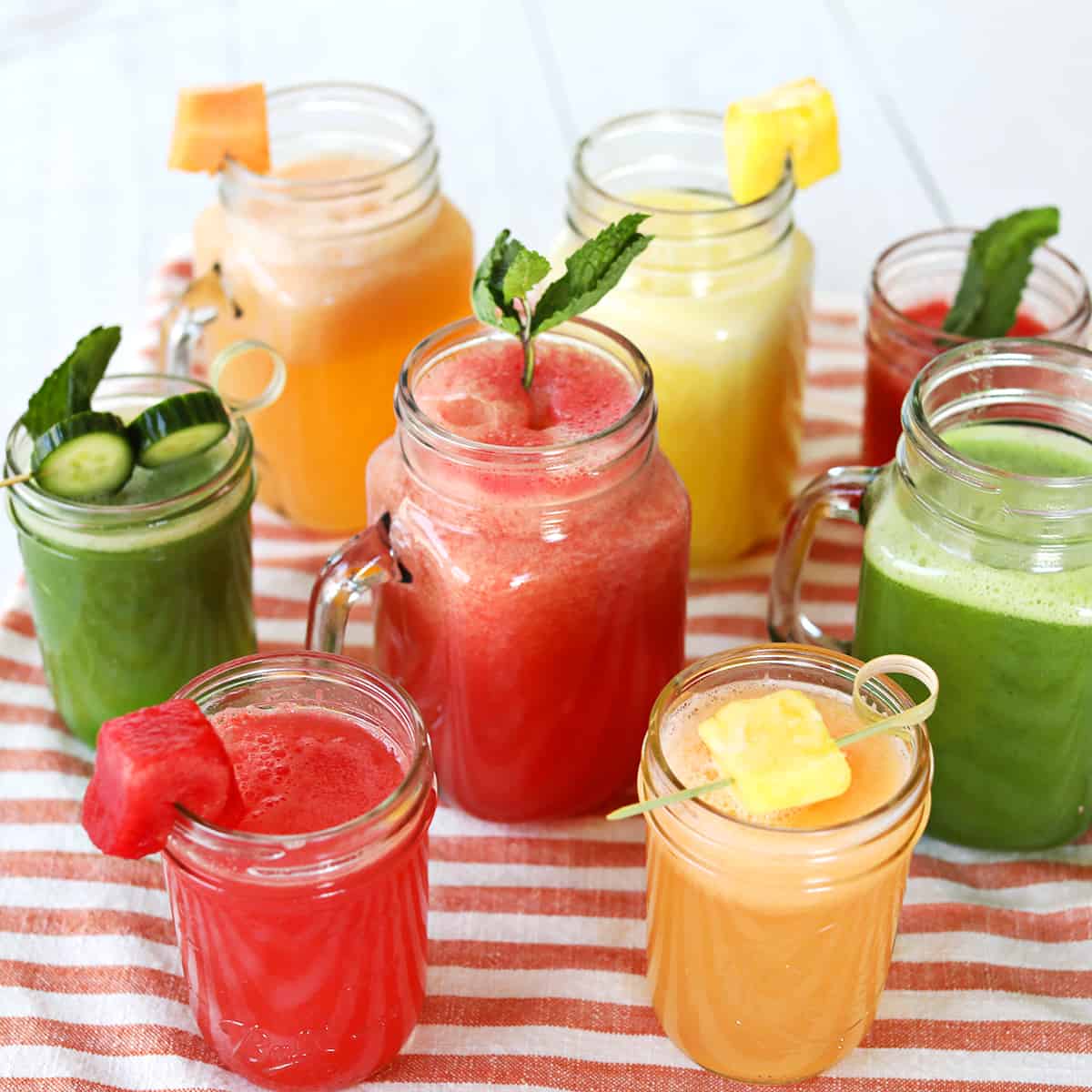
Crafting a Brand Around an Agua Fresca
The simplicity and versatility of aguas frescas also make them an excellent foundation for brand development. A well-crafted brand can elevate this traditional drink into a contemporary and desirable product.
- Brand Storytelling: The rich history, cultural significance, and the natural, wholesome aspects of aguas frescas provide a compelling narrative for brand building. Emphasizing authenticity, tradition, and the connection to fresh ingredients can resonate deeply with consumers.
- Visual Identity: The inherent vibrancy of fruits like mango, strawberry, and hibiscus provides a natural advantage for visual branding. Bright, appealing colors can be used to create an eye-catching logo, packaging, and marketing materials.
- Product Innovation: While traditional flavors are essential, there is ample room for innovation. Exploring less common fruits, incorporating functional ingredients (like probiotics or adaptogens), or developing unique flavor combinations can differentiate a brand. Furthermore, offering variations in sweetness levels or formats (e.g., sparkling aguas frescas, concentrates) can broaden appeal.
- Distribution Channels: Aguas frescas can be successfully distributed through a variety of channels, from traditional street vending and local markets to higher-end cafes, restaurants, grocery stores, and even online platforms. Each channel requires a tailored marketing and branding approach.
- Sustainability and Ethical Sourcing: Highlighting the use of fresh, locally sourced ingredients (where possible) and adopting sustainable packaging practices can further enhance a brand’s appeal to environmentally conscious consumers.
The journey from a simple blend of fruit and water to a recognized and sought-after beverage brand is a testament to the power of understanding and leveraging core product attributes, cultural heritage, and evolving consumer preferences. Aguas frescas, with their inherent charm and adaptability, are well-positioned to continue their ascent in the global beverage market.
aViewFromTheCave is a participant in the Amazon Services LLC Associates Program, an affiliate advertising program designed to provide a means for sites to earn advertising fees by advertising and linking to Amazon.com. Amazon, the Amazon logo, AmazonSupply, and the AmazonSupply logo are trademarks of Amazon.com, Inc. or its affiliates. As an Amazon Associate we earn affiliate commissions from qualifying purchases.