
In the rapid evolution of modern hardware, from the smartphones in our pockets to the high-performance servers powering global AI networks, we often focus on the physical architecture: the number of transistors, the nanometer scale of the silicon, or the efficiency of the cooling systems. However, behind these physical achievements lies a sophisticated world of molecular engineering. One of the most critical, yet frequently overlooked, components in the tech manufacturing ecosystem is the chelating agent.
Far from being just a chemical curiosity, chelating agents are the “hidden tech” that enables the precision, longevity, and sustainability of today’s advanced electronics and energy systems. By understanding what a chelating agent is and how it functions as a tool for molecular management, we gain a deeper insight into the foundational processes that make high-tech life possible.
1. The Molecular “Claw”: Defining Chelation in a Tech Context
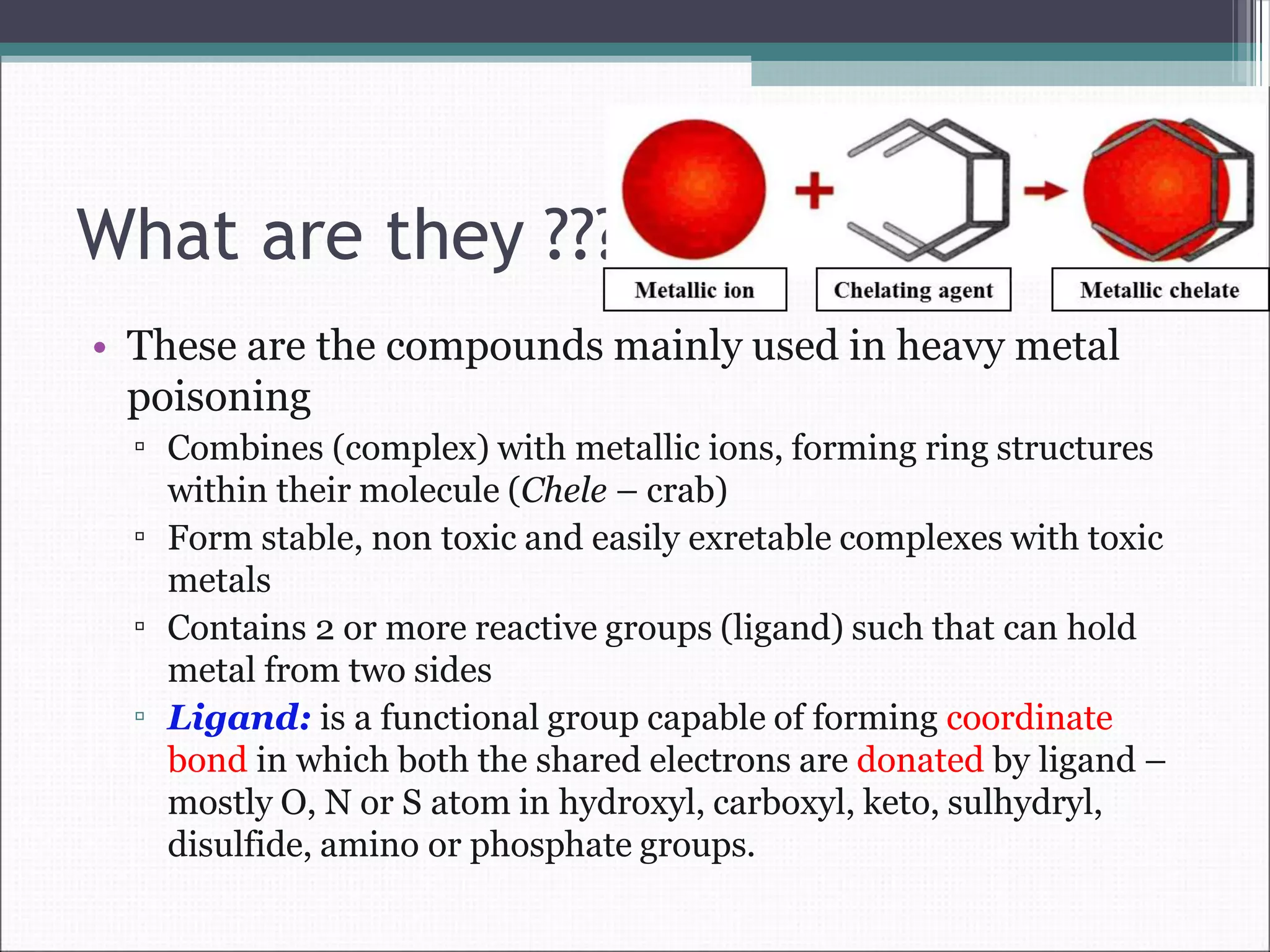
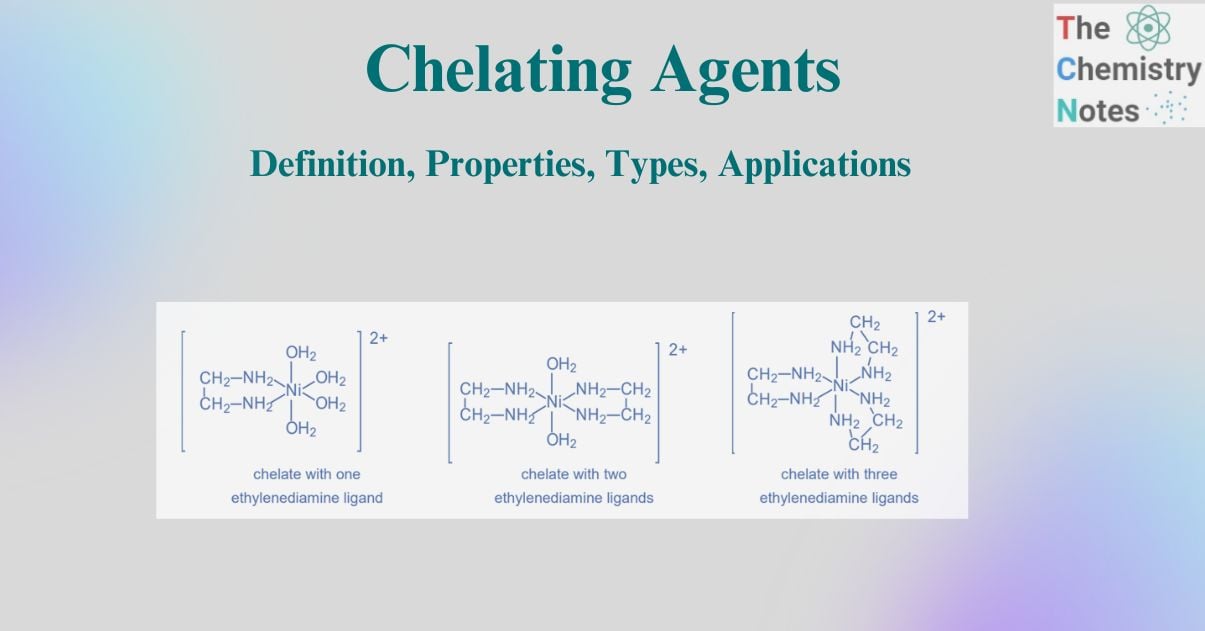
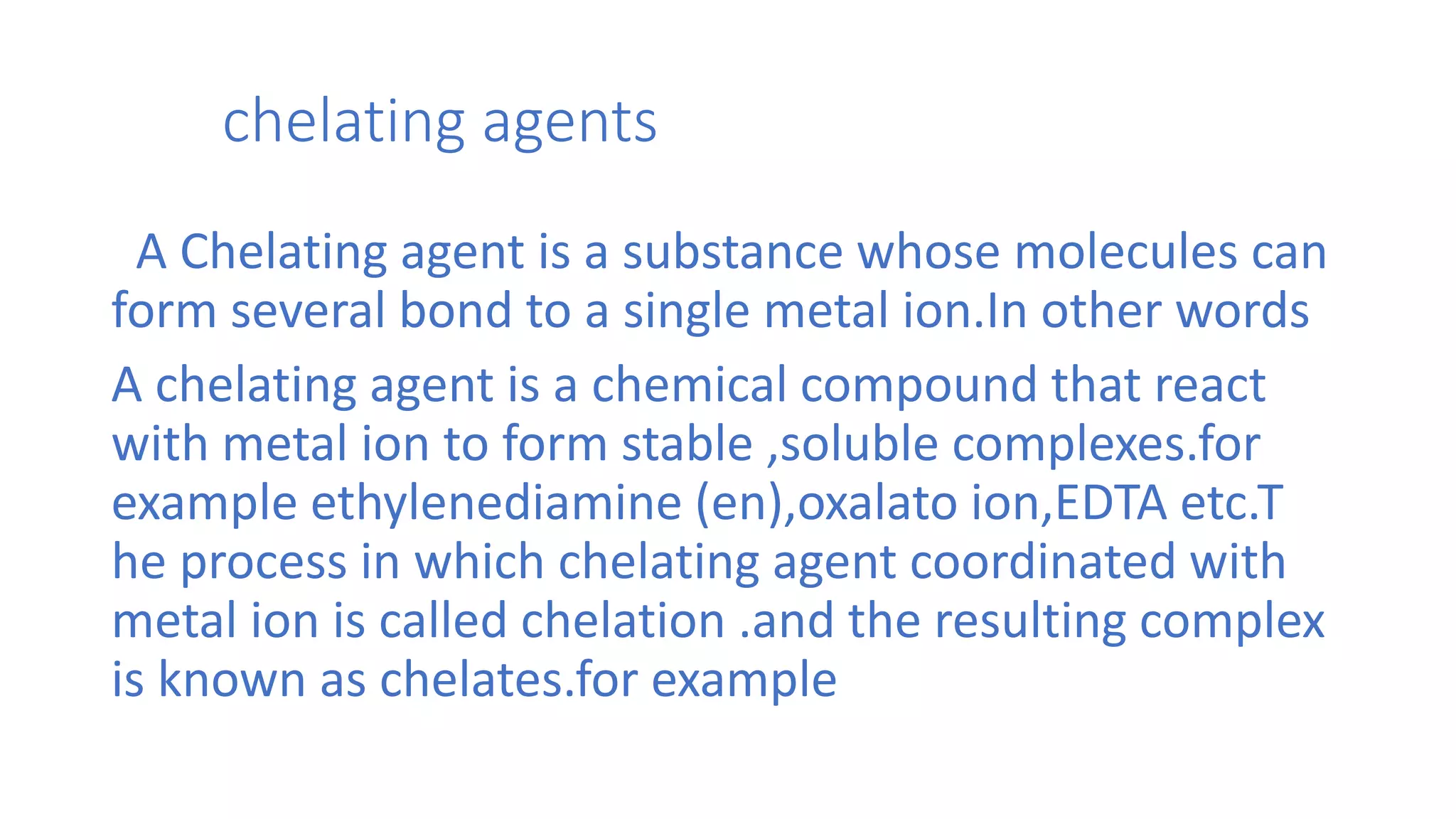
To understand the role of chelating agents in technology, we must first look at their structural mechanics. The word “chelate” is derived from the Greek word chele, meaning “claw.” In chemical terms, a chelating agent is a specialized molecule that can form multiple bonds with a single metal ion, effectively “clamping” onto it to form a stable, ring-like complex.
The Mechanism of Molecular Sequestration
In a high-tech manufacturing environment, metal ions—such as iron, copper, or manganese—are often double-edged swords. While they are essential for conductivity and structural integrity, free-floating metal ions can act as contaminants that disrupt sensitive chemical reactions or cause electrical failures. A chelating agent acts as a molecular stabilizer. By encircling these ions, the chelator prevents them from reacting prematurely with other substances, essentially sequestering them until they are needed or until they can be safely removed.
Stability Constants and Performance Engineering
Not all chelating agents are created equal. Tech engineers select specific chelators based on their “stability constant”—a measure of how tightly the “claw” holds onto the metal. In precision manufacturing, the ability to calibrate this grip is essential. If the grip is too loose, the metal ion might escape and cause a short circuit; if it is too tight, it might be impossible to use the metal for its intended purpose in a later stage of the production cycle.
2. Precision Manufacturing: Chelating Agents in Semiconductor Fabrication
The semiconductor industry is perhaps the most prominent beneficiary of advanced chelation technology. As we push toward 3-nanometer and 2-nanometer chip architectures, the tolerance for impurities is virtually zero. At this scale, a single stray metal atom can be as disruptive as a boulder on a highway.
Chemical Mechanical Polishing (CMP)
One of the most critical steps in chip making is Chemical Mechanical Polishing (CMP). During this process, a wafer is flattened and smoothed using a slurry of chemicals and abrasives. Chelating agents are added to these slurries to ensure that the metallic particles being polished away do not re-deposit onto the wafer surface. By forming a soluble complex with the removed metal atoms, chelators keep the surface pristine, ensuring the integrity of the microscopic circuits.
Ultra-Pure Cleaning Solutions
Between the various layering and etching steps of fabrication, silicon wafers must undergo “wet cleaning.” Chelating agents are integrated into these cleaning fluids to “scavenge” metallic impurities from the wafer surface. Unlike traditional acids that might damage the delicate silicon structures, chelating agents offer a targeted, non-destructive method of purification. This level of purity is what allows modern processors to reach clock speeds and transistor densities that were unthinkable a decade ago.
Enhancing Photolithography
Photolithography—the process of using light to etch patterns onto silicon—requires photoresist chemicals that are extremely sensitive. Trace metals can cause these chemicals to degrade or “cloud,” leading to errors in the etching process. Chelating agents act as preservatives in these photoresists, extending their shelf life and ensuring that the patterns etched into the silicon are sharp and error-free.
3. Powering the Future: Chelation in Battery Tech and Energy Storage
The global transition toward electrification and renewable energy is fundamentally a challenge of chemistry. Whether it is a lithium-ion battery in an electric vehicle (EV) or a massive grid-scale storage system, the efficiency of these units depends on how well we manage the movement of ions.
Electrolyte Longevity and Stability
A battery’s electrolyte is the medium through which ions move to create current. Over time, metal ions from the battery electrodes can dissolve into the electrolyte, leading to the formation of “dendrites”—tiny, needle-like structures that can cause short circuits and fires. Engineers are now incorporating chelating agents into electrolyte formulas to trap these rogue ions. By neutralizing these contaminants, chelating agents significantly extend the cycle life and safety of modern batteries.
Improving Charging Speeds
Fast charging is a cornerstone of the next generation of consumer tech. However, rapid charging increases the thermal and chemical stress on a battery, often causing metal ions to leach out of the cathode. Advanced chelating agents help mitigate this stress by maintaining the ionic balance within the cell. This allows for higher current throughput without the catastrophic degradation of the internal components, paving the way for smartphones that charge in minutes and EVs that can be “refueled” as quickly as internal combustion vehicles.
Next-Gen Ion Batteries (Sodium and Solid-State)
As the industry looks beyond lithium to sodium-ion or solid-state architectures, chelating agents are being used to “template” the materials. By using chelation to organize the molecular structure of the electrodes, researchers can create more porous and efficient pathways for ion transport, leading to batteries that are lighter, cheaper, and more energy-dense.
4. Digital Imaging and 3D Printing Applications
The reach of chelating agents extends into the world of creative hardware and additive manufacturing. In these sectors, the stability of pigments and materials is the primary concern.
High-Performance Inks and Displays
In professional-grade inkjet printing and the manufacturing of OLED (Organic Light Emitting Diode) screens, color accuracy is paramount. Metal impurities can shift the hue of a pixel or cause an ink to clog a microscopic nozzle. Chelating agents are used in these high-tech fluids to maintain the suspension of particles. They ensure that the “metal-complex dyes” used in high-end imaging remain vibrant and do not break down when exposed to the heat of the printing process or the electrical current of a display.
3D Printing and Material Science
In metal-based 3D printing (Additive Manufacturing), chelating agents are used in the “inks” or powders to prevent oxidation. Metal powders are highly reactive; if they oxidize, the final printed part will have structural weaknesses. Chelators act as a protective barrier at the molecular level, ensuring that when the laser or electron beam melts the powder, the resulting structure is a pure, high-strength alloy.
5. The Intersection of Green Tech and Molecular Engineering
As the tech industry faces increasing pressure to move toward a circular economy, chelating agents are emerging as a vital tool for sustainability and e-waste management.
Sustainable E-Waste Recovery
Every year, millions of tons of electronic waste are generated, containing precious metals like gold, silver, copper, and cobalt. Traditional methods of recovery often involve “smelting” (burning), which is energy-intensive and toxic. Chelating agents offer a “green” alternative through a process called hydrometallurgy. By using specific chelators, recyclers can selectively “leach” precious metals out of old circuit boards in a liquid solution. Because the chelator is selective, it can grab the gold while leaving the lead and plastic behind, allowing for a much cleaner and more efficient recovery process.
Reducing Water Footprint in Tech Parks
Large-scale data centers and chip fabrication plants (Fabs) consume vast amounts of water for cooling and processing. To reduce their environmental impact, these facilities must recycle their water. Chelating agents play a key role in industrial water treatment by removing heavy metals and preventing “scaling” (mineral buildup) in the cooling pipes. This allows tech giants to reuse water multiple times, drastically reducing the “gallons-per-gigawatt” footprint of our digital infrastructure.
Conclusion: The Strategic Importance of Molecular Management
While we celebrate the latest software updates and sleeker hardware designs, it is important to recognize that none of these advancements would be possible without the mastery of the molecular environment. The chelating agent is a testament to the power of specialty chemistry in the tech sector.
From ensuring the purity of a 3nm processor to extending the life of an EV battery and enabling the recovery of precious materials from discarded devices, chelation is a foundational technology. As we move into an era defined by even smaller transistors, more powerful batteries, and a deeper commitment to sustainability, the role of these molecular “claws” will only become more central to the tech industry’s success. Understanding what a chelating agent is isn’t just a lesson in chemistry—it is a lesson in how we build the future, one molecule at a time.
aViewFromTheCave is a participant in the Amazon Services LLC Associates Program, an affiliate advertising program designed to provide a means for sites to earn advertising fees by advertising and linking to Amazon.com. Amazon, the Amazon logo, AmazonSupply, and the AmazonSupply logo are trademarks of Amazon.com, Inc. or its affiliates. As an Amazon Associate we earn affiliate commissions from qualifying purchases.