
To the casual observer, the question of “what happened with Ariana Grande” might refer to a specific tabloid headline or a recent career shift. However, from a brand strategy perspective, what happened with Ariana Grande is one of the most sophisticated examples of personal brand evolution in the 21st century. Over the last decade, Grande has transitioned from a supporting character on a teenage sitcom to a global titan of the music and beauty industries.
This evolution was not accidental. It was the result of a meticulously managed brand trajectory that balanced high-octane talent with strategic vulnerability, visual consistency, and a highly successful diversification into the retail market. By analyzing the “Grande Blueprint,” marketing professionals and personal brand architects can learn how to maintain relevance in an increasingly fragmented digital landscape.
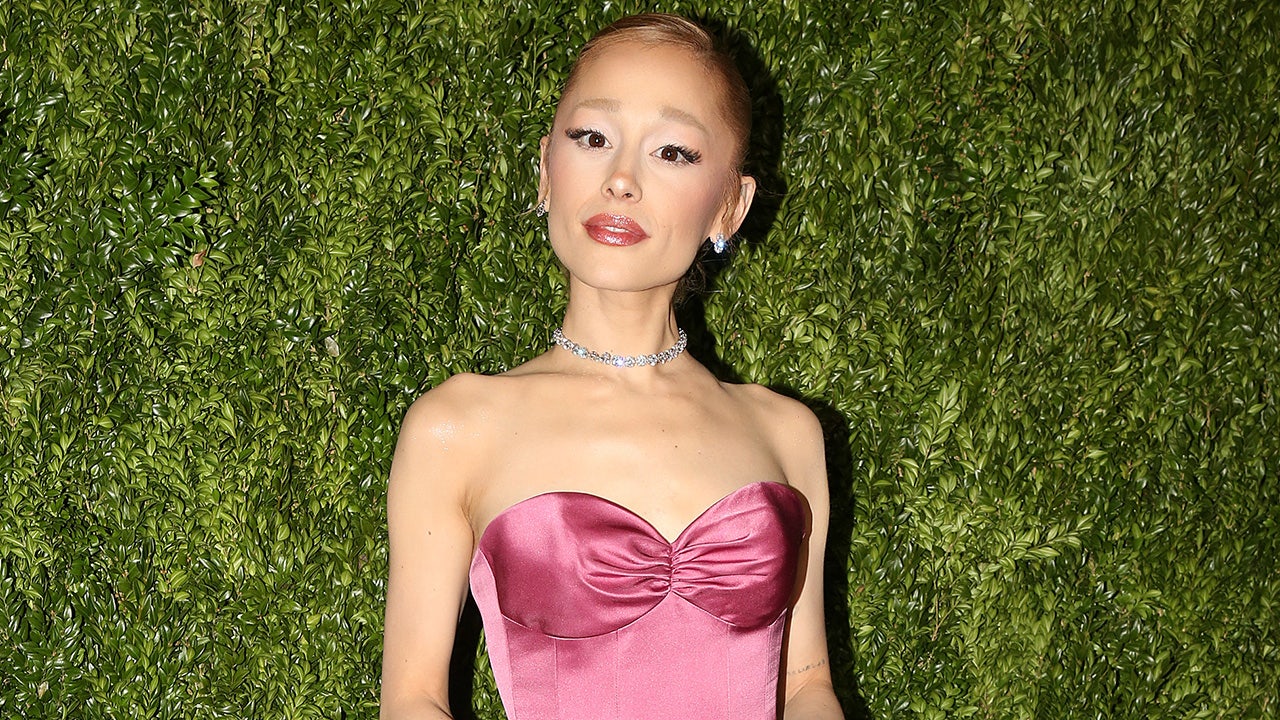
The Foundation: From Character Actor to Visual Icon
The first phase of the Ariana Grande brand was defined by a clean break from her origins at Nickelodeon. For many child stars, the transition to adult stardom is fraught with “shock value” tactics that often alienate their original base. Grande, however, took a more methodical approach to her corporate identity.
Breaking the Nickelodeon Mold
When Grande released her debut album, Yours Truly, she didn’t immediately pivot to an edgy or provocative persona. Instead, she leaned into a “retro-soul” aesthetic that highlighted her vocal technicality. This established her primary brand asset: her voice. By positioning herself as a serious vocalist rather than a “pop product,” she gained immediate credibility with older demographics while retaining her younger fans. This was a strategic move to ensure longevity, moving her brand away from the fleeting nature of teen stardom.
The Visual Signature: Ponytails and Brand Recognition
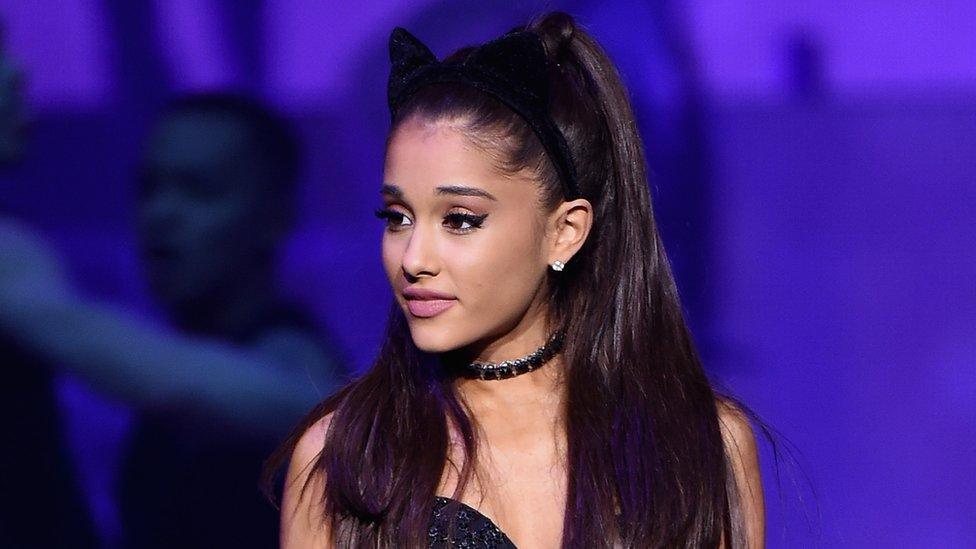
One of the most effective elements of the Grande brand is its visual shorthand. The high ponytail, oversized hoodies, and thigh-high boots became a “uniform” that served the same purpose as a corporate logo. In an era of social media saturation, brand recognition is everything. By maintaining a consistent silhouette for nearly five years, Grande made herself instantly identifiable. This consistency built immense brand equity, allowing her to eventually “break” that image for the Sweetener and Thank U, Next eras to signal growth and maturity.
Crisis Management as a Brand Narrative
In the world of personal branding, how a brand handles crisis often defines its long-term viability. Grande’s brand faced unprecedented challenges, from public tragedies to highly publicized personal relationships. The way these events were integrated into her brand narrative is a study in “Radical Authenticity.”
Navigating Public Scrutiny with Vulnerability
Following the tragic events at her Manchester concert in 2017, the Ariana Grande brand underwent a profound transformation. Rather than retreating, the brand leaned into empathy and community leadership. The “One Love Manchester” benefit concert shifted her perception from a “pop star” to a “cultural healer.” This move wasn’t just humanitarian; it added a layer of depth and resilience to her brand identity that few of her peers possess.
The “Thank U, Next” Era: A PR Masterstroke
When personal turmoil struck again in 2018, the release of the song and album Thank U, Next served as a masterclass in narrative control. Instead of letting the media dictate the story of her breakups and grief, she commodified the experience. She utilized “The Pivot”—turning personal setbacks into a celebratory anthem of self-reliance. This era marked her peak cultural influence, proving that a personal brand can thrive by being “human” as long as that humanity is channeled through high-quality creative output.
Diversification: The r.e.m. beauty Era and Retail Dominance
Perhaps the most significant development in the “what happened” timeline is Grande’s successful transition from a service-based brand (music/entertainment) to a product-based empire. While many celebrities launch beauty lines, Grande’s approach to r.e.m. beauty and her fragrance empire offers specific insights into brand scalability.
r.e.m. beauty: From Influencer Merch to Authentic Brand
The launch of r.e.m. beauty wasn’t a sudden whim; it was the culmination of years of “seeding” her aesthetic. Grande spent years being synonymous with specific makeup looks—winged eyeliner, matte lips, and ethereal highlighters. When the brand launched, it felt like an organic extension of her persona rather than a cash grab.
Crucially, the brand’s aesthetic—space-age, 1960s futurism—aligned with the visual themes of her music videos (like “34+35”). This cross-pollination between her music and her products creates a “Grande Universe,” where fans can buy into her lifestyle at various price points. This is a classic “Brand Ecosystem” strategy used by companies like Apple or Disney.
Fragrance as a Foundation for Retail Dominance
Before r.e.m. beauty, Grande quietly built one of the most successful celebrity fragrance franchises in history. With scents like “Cloud” and “Sweet Like Candy,” she tapped into a “prestige-at-retail” market. The success of her fragrance line—surpassing $1 billion in retail sales—demonstrated that her brand had enough equity to move physical units without her needing to be constantly “on tour.” This diversification provides financial stability and brand longevity, decoupling her income from the grueling schedule of live performances.
The Vocalist as a Competitive Moat
In business terms, a “moat” is a competitive advantage that protects a company from its rivals. For Ariana Grande, her technical skill is her moat. While her brand strategy, fashion, and social media presence are vital, they are all built upon the foundation of her extraordinary vocal range.
Technical Excellence as a Competitive Moat
The music industry is saturated with “personality-based” brands that often lack a high-quality core product. Grande’s brand, conversely, is rooted in a product that is difficult to replicate. Her ability to perform live with precision allows her to maintain a “prestige” brand status. This ensures that even when her personal life dominates the headlines, the “core product” (her music) remains respected by critics and industry peers alike.
Strategic Partnerships and the “Wicked” Pivot
The latest chapter in what has happened with Ariana Grande involves her return to her musical theater roots through the film adaptation of Wicked. This is a strategic brand “reset.” By taking on the role of Glinda, she is pivoting away from the “pop provocateur” image toward a “prestige actress” persona.
This move allows her to tap into the Broadway and film demographics, further diversifying her audience base. It is a calculated move to transition into a “legacy artist” phase, ensuring she remains relevant as she enters the second decade of her career. For a brand, this is akin to a legacy tech company successfully pivoting into a new software vertical.
Lessons for Modern Brand Architects
The story of Ariana Grande is not just one of pop culture; it is one of expert brand positioning and the power of narrative continuity. What “happened” was a deliberate, multi-phase expansion of a personal identity into a global corporate entity.
Maintaining Authenticity in the Digital Age
The most important lesson from the Grande brand is the balance of mystery and accessibility. Despite her massive social media following, she often takes long breaks from the platform or limits comments. This “scarcity” creates a premium feel for her brand. In an age of over-exposure, knowing when to retreat is as important as knowing when to launch. Grande uses social media as a broadcast tool rather than a two-way conversation, which helps protect the “aura” of the brand.

The Power of Narrative Continuity
Every era of Grande’s career has felt like a logical next step from the one before it. Whether it’s the transition from Sweetener’s optimism to Thank U, Next’s defiance, or the move from pop music to Wicked, there is a thread of narrative continuity.
Successful brands do not jump sporadically between identities; they evolve. Grande has shown that you can change your “packaging” (your hair, your sound, your product line) as long as the “core values” (vocal excellence, visual cohesion, and emotional honesty) remain constant.
In conclusion, what happened with Ariana Grande is the successful execution of a long-term brand strategy. She has moved from being a participant in the entertainment industry to being a shareholder in her own multi-dimensional empire. By focusing on her “moat,” diversifying her revenue streams, and managing her narrative with a mix of vulnerability and steel-trap PR control, she has built a brand that is resilient, profitable, and increasingly iconic. For anyone looking to build a brand in the modern era, the Grande blueprint serves as a definitive guide to growth and sustainability.
aViewFromTheCave is a participant in the Amazon Services LLC Associates Program, an affiliate advertising program designed to provide a means for sites to earn advertising fees by advertising and linking to Amazon.com. Amazon, the Amazon logo, AmazonSupply, and the AmazonSupply logo are trademarks of Amazon.com, Inc. or its affiliates. As an Amazon Associate we earn affiliate commissions from qualifying purchases.