
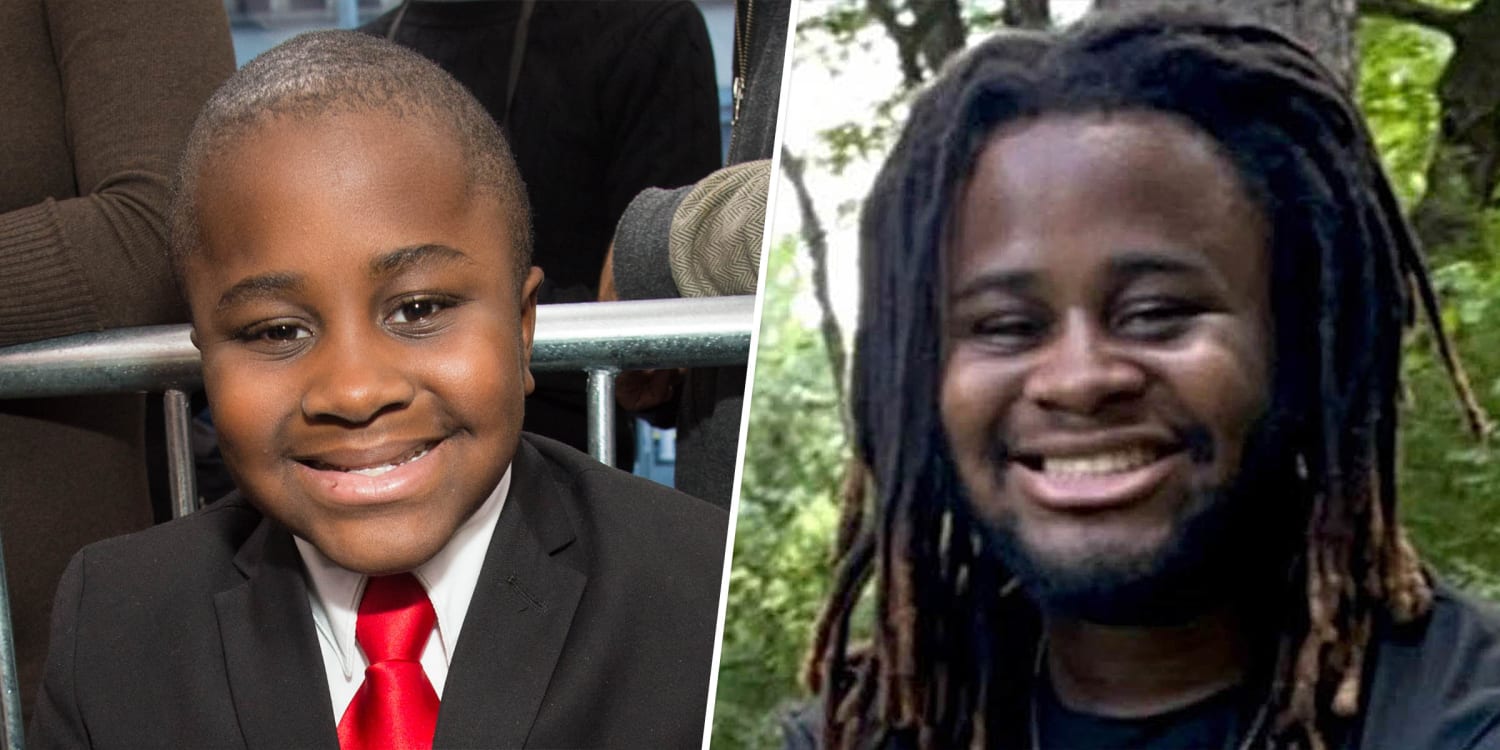
In 2012, a young boy in a sharp suit standing behind a cardboard desk took the internet by storm. Robby Novak, better known as “Kid President,” became an overnight sensation with his “A Pep Talk from Kid President to You,” which has since amassed tens of millions of views. However, Kid President was never just a viral fluke; it was a masterclass in personal branding, purpose-driven marketing, and strategic storytelling.
As the years passed and the “Kid” inevitably grew up, the brand faced the ultimate challenge: how does a persona rooted in childhood innocence evolve without losing its core identity? To understand what happened to Kid President, we must look through the lens of brand strategy to see how a YouTube character transformed into a lasting legacy of “soul-centered” influence.
The Architecture of a Viral Brand
The success of Kid President was not accidental. It was the result of a deliberate and sophisticated brand architecture designed by Robby’s brother-in-law, filmmaker Brad Montague. At its peak, the brand occupied a unique niche that blended the wisdom of adulthood with the uninhibited joy of childhood.
Identifying the “Soul” of the Brand
Every successful brand needs a “North Star”—a central mission that guides every piece of content. For Kid President, that mission was “making the world awesome.” In a digital landscape often dominated by cynicism or superficiality, the Kid President brand stood out by leaning into radical empathy and joy. This wasn’t just “cute” content; it was a brand built on a specific philosophical foundation. By positioning a child as the leader of the “free world,” the brand subverted traditional power structures, making its message of kindness feel revolutionary rather than cliché.
The Role of Brad Montague as the Brand Architect
While Robby Novak was the “face” of the brand, Brad Montague acted as the strategist and creative director. This partnership is a classic example of “The Visionary and the Operator.” Montague understood that for the brand to resonate, it needed high production value paired with a DIY aesthetic. The cardboard props and the office setting were strategic choices that reinforced the brand’s accessibility. Montague ensured that the branding remained consistent: the suit, the red telephone, and the upbeat jazz music all became recognizable brand assets that signaled “Kid President” before Robby even spoke a word.
Navigating the Transition: From Viral Sensation to Legacy Brand
One of the most difficult hurdles in brand management is the “transition phase.” For a brand centered on a child, time is the greatest threat. As Robby Novak entered his teenage years, the “Kid President” moniker risked becoming obsolete. The strategy shifted from maintaining a character to building a legacy.
The Challenge of the Aging “Face” of the Brand
In personal branding, the physical evolution of the individual can disrupt the consumer’s connection to the brand. When Robby’s voice began to change and his stature grew, the “cute factor” that initially drove viral success began to wane. However, the team managed this by leaning into the maturity of the message. Instead of trying to keep Robby “young” forever, the brand allowed him to grow, shifting the focus from his age to his experiences. They transitioned from “Kid President” to “Robby and Brad,” broadening the brand’s scope to include more documentary-style storytelling and real-world activism.
Sustaining Momentum Beyond the Initial Hype
Most viral stars flame out because they fail to diversify their brand touchpoints. Kid President avoided this by expanding into various media. They launched a television show on Hub Network, published a New York Times bestselling book, Kid President’s Guide to Being Awesome, and partnered with major organizations like ConAgra Foods for social causes. These moves solidified the brand as an intellectual property (IP) rather than just a YouTube channel. By the time the original video series concluded, the brand had already established itself as an authority on positivity, ensuring that its influence would persist even after the “President” left the Oval Office.
Soul-Centered Marketing: Why Kid President Resonated
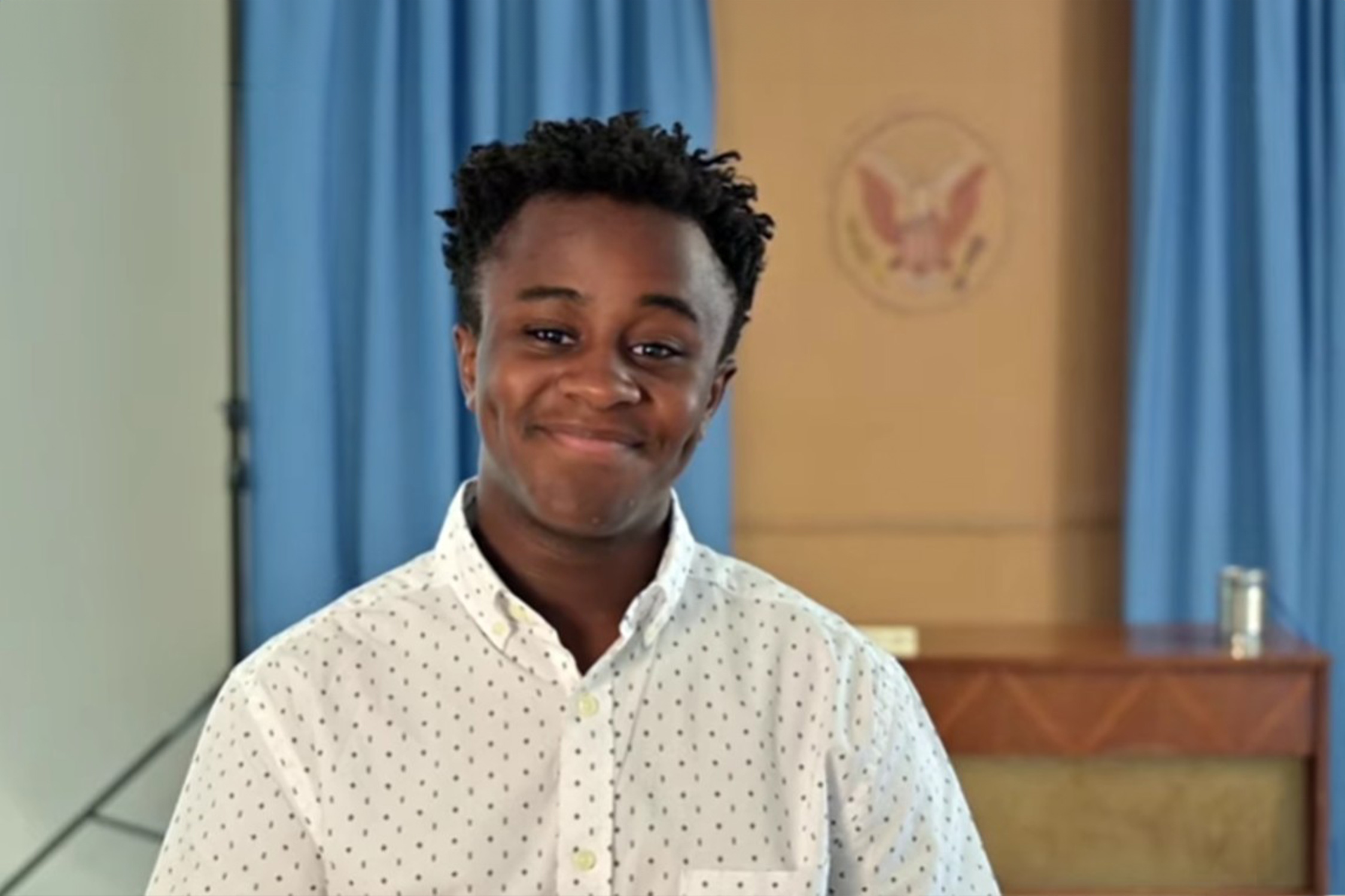
In the corporate world, “Purpose-Driven Marketing” is often a buzzword used to sell products. For the Kid President brand, it was the entire business model. This authenticity is what allowed the brand to secure high-profile collaborations, including a famous meeting with President Barack Obama in the White House.
Authentic Engagement Over Commercialism
One of the reasons the Kid President brand remained untarnished was its selective approach to monetization. While they engaged in brand deals, they were always aligned with the brand’s core values. For example, their work with “Socktober”—a nationwide effort to collect socks for the homeless—showed that the brand was committed to “walking the talk.” In brand strategy, this is known as “Value Alignment.” By prioritizing impact over quick profits, the brand built a level of trust with its audience that traditional influencers often struggle to achieve.
The Power of Purpose-Driven Storytelling
The brand utilized a storytelling technique known as “The Hero’s Journey,” but with a twist. Instead of Robby being the sole hero, the audience was invited to be the hero of their own lives. Every video ended with a call to action that empowered the viewer. From a marketing perspective, this transformed the “consumer” into a “participant.” This participatory branding turned a passive audience into a community of “world-changers,” a much more powerful asset for any brand than mere view counts.
Where Is the Brand Now? The Pivot to SoulPancake and Beyond
The eventual “sunsetting” of the Kid President series was a strategic choice, not a failure. It represented a successful brand exit and a pivot into new ventures. The brand was eventually absorbed into the ecosystem of SoulPancake, the media company founded by Rainn Wilson, which specialized in uplifting and thought-provoking content.
Strategic Partnerships and Media Expansion
The acquisition by SoulPancake was a pivotal moment in the brand’s lifecycle. It allowed the Kid President IP to scale with professional distribution and higher resources. This partnership demonstrated how a personal brand can successfully integrate into a larger corporate identity without losing its essence. SoulPancake provided the infrastructure for Kid President to reach global audiences, proving that “niche” content with a strong brand identity can have massive mainstream appeal.
Robby Novak’s Current Personal Brand Identity
Today, Robby Novak has successfully transitioned into his own adult identity. While he is no longer the “President,” his personal brand remains rooted in the resilience he showed during his years in the spotlight. Robby has Osteogenesis Imperfecta (brittle bone disease), a fact that was mentioned but not exploited during his time as Kid President. Today, his brand has evolved to include advocacy and public speaking, where he discusses his health journey with the same optimism that defined his childhood persona. This is a masterclass in brand evolution: taking the core values of an old identity (resilience, joy) and applying them to a new, more mature context.

The Lasting Impact on Modern Brand Strategy
What happened to Kid President is a success story of intentional branding. It serves as a blueprint for how to manage a personal brand through periods of significant change.
The legacy of the brand lies in its proof of concept: that joy is a viable brand strategy. In a digital economy that often rewards conflict and outrage, the Kid President brand proved that empathy, kindness, and “awesomeness” are not just moral choices—they are powerful brand pillars.
For brand strategists, the takeaway is clear:
- Consistency is Key: A strong visual and tonal identity (the suit, the message) creates instant recognition.
- Purpose Over Product: When a brand is built on a “why” rather than a “what,” it can survive the aging of its “face.”
- Graceful Evolution: Knowing when to pivot or conclude a series is just as important as knowing how to launch one.
Robby Novak may have grown up, but the “Kid President” brand remains a shining example of how to capture the world’s heart and keep it through strategic, soul-centered marketing. Whether through his new projects or his continued influence on social media, the brand’s original mission—to treat everybody like it’s their birthday—continues to resonate in a world that needs it more than ever.
aViewFromTheCave is a participant in the Amazon Services LLC Associates Program, an affiliate advertising program designed to provide a means for sites to earn advertising fees by advertising and linking to Amazon.com. Amazon, the Amazon logo, AmazonSupply, and the AmazonSupply logo are trademarks of Amazon.com, Inc. or its affiliates. As an Amazon Associate we earn affiliate commissions from qualifying purchases.