
In the landscape of modern entertainment, few trajectories have been as meteoric—or as cautionary—as that of Jonathan Kirk, known professionally as DaBaby. Between 2019 and early 2021, the DaBaby brand was a dominant force in the global music industry. He was the most ubiquitous guest feature in hip-hop, a chart-topping powerhouse, and a marketing executive’s dream of high energy and consistent delivery. However, the subsequent years have seen a precipitous decline in his brand equity, commercial performance, and marketability.
To understand “what happened to DaBaby” from a brand perspective is to analyze the fragile relationship between an artist’s persona, corporate stakeholder expectations, and the evolving ethics of the modern consumer.
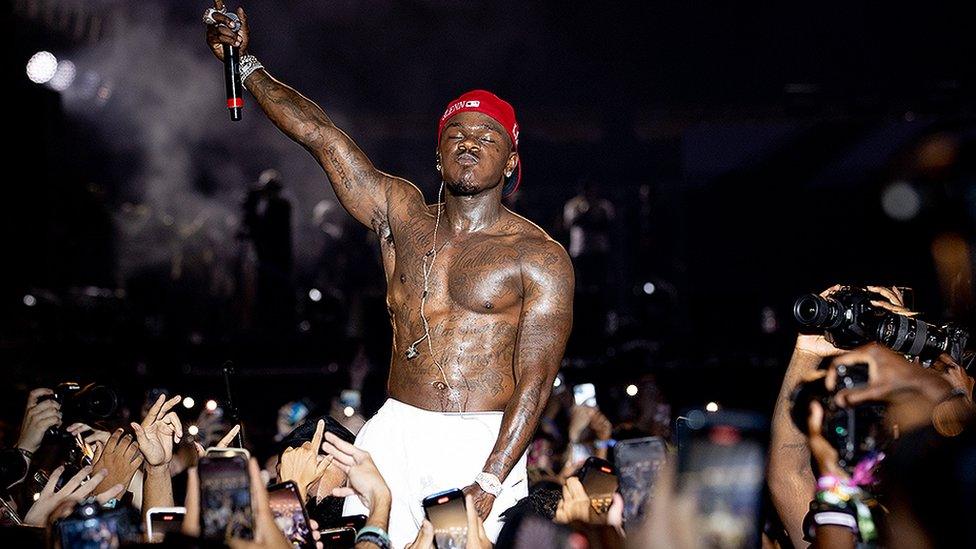
The Architecture of an Instant Brand (2019–2020)
Before analyzing the decline, one must understand the construction of the DaBaby brand. It was built on the pillars of consistency, high-velocity output, and a distinct visual and sonic identity. In an era where attention is the most valuable currency, Kirk managed to monopolize it through a strategy of hyper-visibility.
Identifying the Signature Visual and Sonic Identity
The DaBaby brand was easily recognizable. Sonically, it relied on a “staccato” flow and punchy, bass-heavy production. Visually, his music videos, often directed by Reel Goats, utilized high-concept comedy, slapstick violence, and vibrant colors. This created a cohesive brand package: the “lovable but dangerous” rogue. This identity resonated because it was energetic and differentiated from the “mumble rap” or “emo rap” trends of the time, positioning him as a distinct market alternative.
Leveraging Strategic Partnerships and Market Saturation
From a brand strategy standpoint, Kirk utilized the “Feature Play” to perfection. By appearing on tracks with Dua Lipa, Jack Harlow, and Post Malone, he cross-pollinated his brand into pop and mainstream audiences. These collaborations weren’t just musical choices; they were strategic expansions of his demographic reach. At his peak, he was not just a rapper; he was a reliable “plug-and-play” asset for any label looking to inject energy into a project.
The Rolling Loud Incident: A Conflict of Brand Values
The pivotal moment in the DaBaby brand narrative occurred during his 2021 performance at Rolling Loud Miami. His homophobic remarks and misinformed comments regarding the HIV/AIDS epidemic did more than just spark social media outrage; they created a fundamental misalignment between his personal brand and the corporate brands that supported him.
The Clash with Corporate Stakeholder Expectations
In the modern economy, an artist is a node in a massive corporate network. DaBaby was a headliner for major festivals (Lollapalooza, Governor’s Ball) and a partner for global brands. When his rhetoric turned exclusionary, he became a “brand liability.” For corporations like BoohooMAN or major festival organizers, the risk of “guilt by association” outweighed the revenue Kirk generated. The swiftness with which he was removed from festival lineups serves as a masterclass in how modern brand safety protocols operate: once a brand asset threatens the inclusivity or reputation of the platform, it is liquidated.
The Speed of De-platforming in the Modern Attention Economy
The digital age has compressed the timeline of brand erosion. In previous decades, a controversy might take months to result in a loss of contracts. For DaBaby, the fallout was nearly instantaneous. This reflects a shift in consumer power; fans now demand that the brands they consume (including human brands) align with their social values. When Kirk failed to acknowledge this shift, his brand began to lose its “Mainstream Permission,” relegating him back to a niche market.
Missteps in Crisis Communication and Brand Recovery
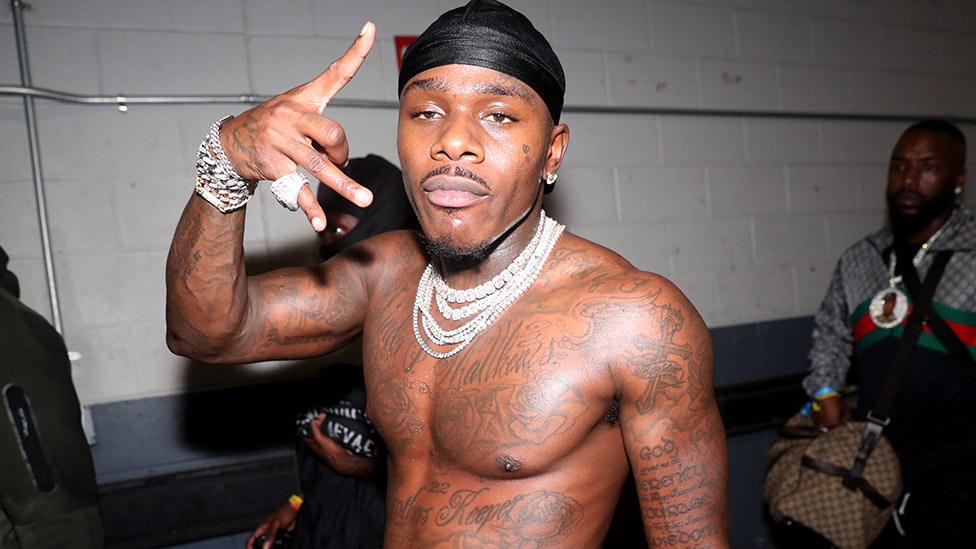
The downfall of a brand is rarely caused by a single mistake; it is usually the result of the response to that mistake. DaBaby’s approach to crisis management—or lack thereof—is perhaps the most significant factor in his sustained decline.
The “Double-Down” Strategy vs. Authentic Engagement
Standard brand strategy for a PR crisis involves “Acknowledge, Apologize, and Act.” Kirk, however, opted for a “Double-Down” approach. His initial Instagram Live responses were defensive, and his music video for “Giving What It’s Supposed To Give” featured him holding a sign that said “AIDS,” which many perceived as a mockery of the situation. From a marketing perspective, this was disastrous. It signaled to potential corporate partners that he was “uncoachable” and unwilling to mitigate risk.
Alienating the Core and Expanding Demographics
A brand thrives on its ability to appeal to a broad base while retaining its core. By alienating the LGBTQ+ community and their allies, Kirk didn’t just lose one segment; he lost the “Pop” bridge he had spent years building. The “Dua Lipa effect”—where the pop star publicly distanced herself from him and her fans followed suit—effectively severed his ties to the lucrative mainstream market. He was no longer a “universal” brand; he was now a “controversial” brand, which carries a much higher cost of customer acquisition.
From Mainstream Powerhouse to Niche Market Reality
The financial and commercial data following his controversies tells a clear story of brand devaluation. Success in the music business is measured by “consumption units,” and the numbers for DaBaby’s later projects, specifically Baby on Baby 2, showed a massive decline compared to his 2019-2020 peaks.
Analyzing the “Buy One, Get One” Ticket Strategy
One of the most visible indicators of brand struggle occurred during his 2022 tour, where reports surfaced of “Buy One, Get One Free” ticket deals for shows in mid-sized venues. For a performer who was headlining stadiums and major festivals just a year prior, this was a stark signal of diminished market demand. In brand terms, this is “price slashing,” a tactic used when a product is no longer moving at its premium valuation. It damaged his “prestige” as an elite performer, making it harder to command high booking fees in the future.
The Impact of Algorithm De-prioritization
While not often discussed, brand health is also tied to digital visibility. When an artist becomes toxic, they often see a decrease in editorial playlisting on platforms like Spotify and Apple Music. Since these platforms are the primary discovery engines for music, being “hidden” by the algorithm is a death knell for growth. The DaBaby brand lost its prime digital real estate, leading to a feedback loop where lower visibility led to lower streams, which in turn led to lower brand relevance.
Lessons for Modern Personal Brands
The story of DaBaby is an essential case study for any influencer, artist, or entrepreneur building a brand in the 2020s. It highlights that in a connected world, a brand is a social contract between the creator and the public.
The Fragility of Modern Stardom
The DaBaby trajectory proves that no brand is “too big to fail.” In the era of the “cancel culture” debate, the reality is often more about “market consequences.” If a brand becomes more expensive to maintain (in terms of PR headaches and lost partnerships) than the value it brings in, the market will naturally move toward safer, more professional alternatives. Consistency in output is no longer enough; consistency in conduct is now a requirement for high-level brand sustainability.
The Necessity of Brand Evolution and Adaptability
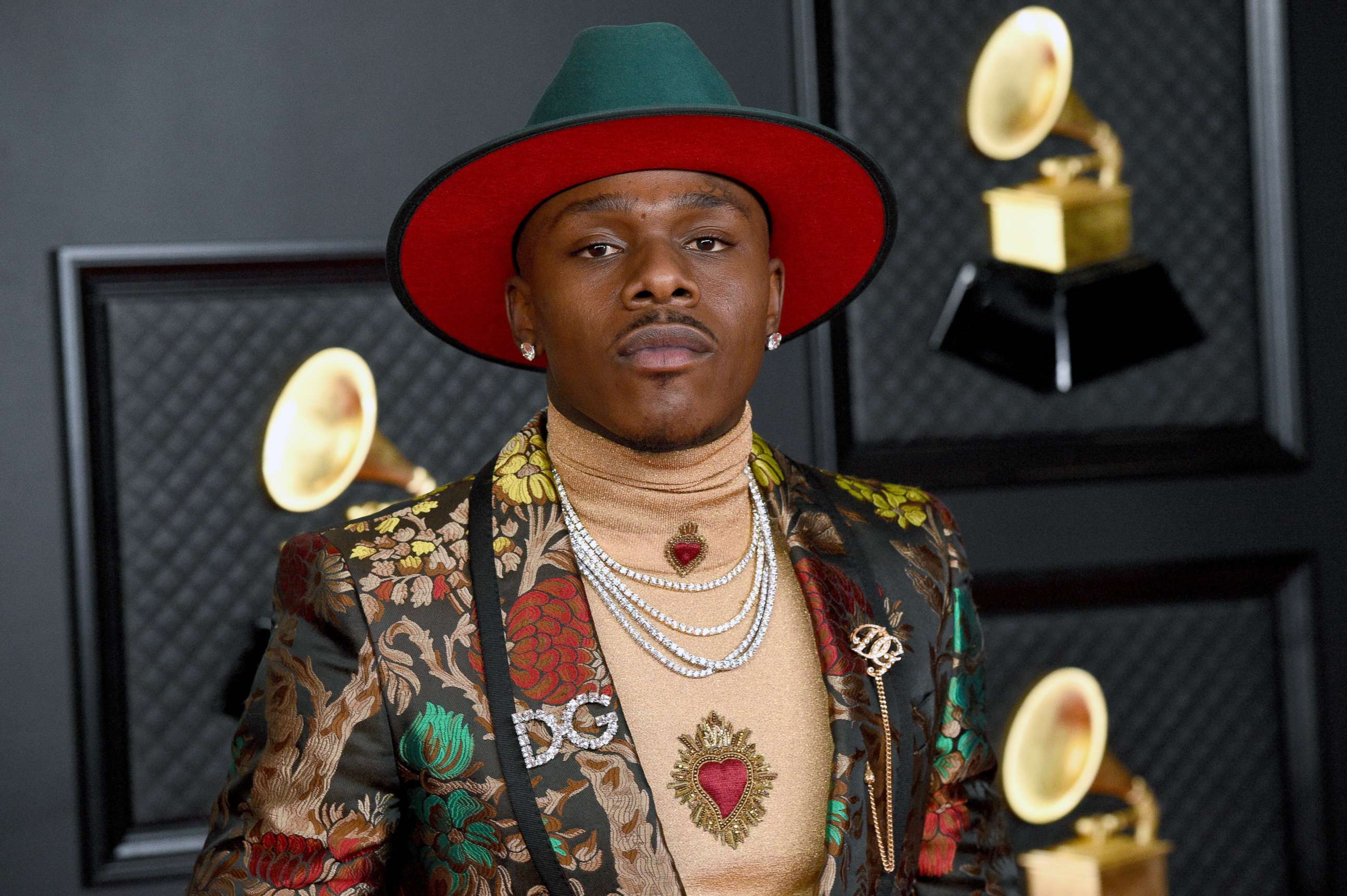
Finally, DaBaby’s struggle highlights the danger of a “one-note” brand. Because his brand was so heavily tied to a specific persona and a specific sound, he had little to pivot to when that persona became unpopular. A robust brand strategy requires layers; it requires the ability to evolve as the cultural zeitgeist changes. By remaining stagnant and combative, the DaBaby brand became a relic of a previous marketing cycle, struggling to find its place in a landscape that had moved on to new, less volatile stars.
In conclusion, “what happened to DaBaby” was not a single event, but a systemic failure of brand management. It was a collision between an uncompromising personal identity and a corporate world that demands accountability. As he attempts to rebuild, the path forward will require more than just hit songs; it will require a complete “brand re-branding” to regain the trust of the stakeholders and audiences he once commanded with ease.
aViewFromTheCave is a participant in the Amazon Services LLC Associates Program, an affiliate advertising program designed to provide a means for sites to earn advertising fees by advertising and linking to Amazon.com. Amazon, the Amazon logo, AmazonSupply, and the AmazonSupply logo are trademarks of Amazon.com, Inc. or its affiliates. As an Amazon Associate we earn affiliate commissions from qualifying purchases.