
In the era of high-speed 5G networks, artificial intelligence, and sophisticated instant messaging apps, one piece of legacy technology continues to serve as the backbone of global communication: the Short Message Service, or SMS. Despite the rise of data-driven platforms, SMS remains the most widely used data application in the world. But what exactly does Short Message Service mean from a technical perspective, and why has it remained an indispensable tool in the professional tech landscape?
To understand SMS is to understand the evolution of cellular architecture. It is not merely a “text message”; it is a specific protocol designed to transmit short bursts of data over the signaling paths of a mobile network. In this exploration, we will dissect the mechanics of SMS, its strategic importance in modern digital security, and its transition into the next generation of mobile messaging.
The Technical Evolution and Mechanics of SMS
The origins of SMS date back to the early 1980s within the Global System for Mobile Communications (GSM) standards. Unlike modern internet-based messaging, which relies on the “user plane” (the part of the network that carries actual user data like web browsing), SMS was cleverly engineered to inhabit the “control plane.”
From 160 Characters to Global Standards
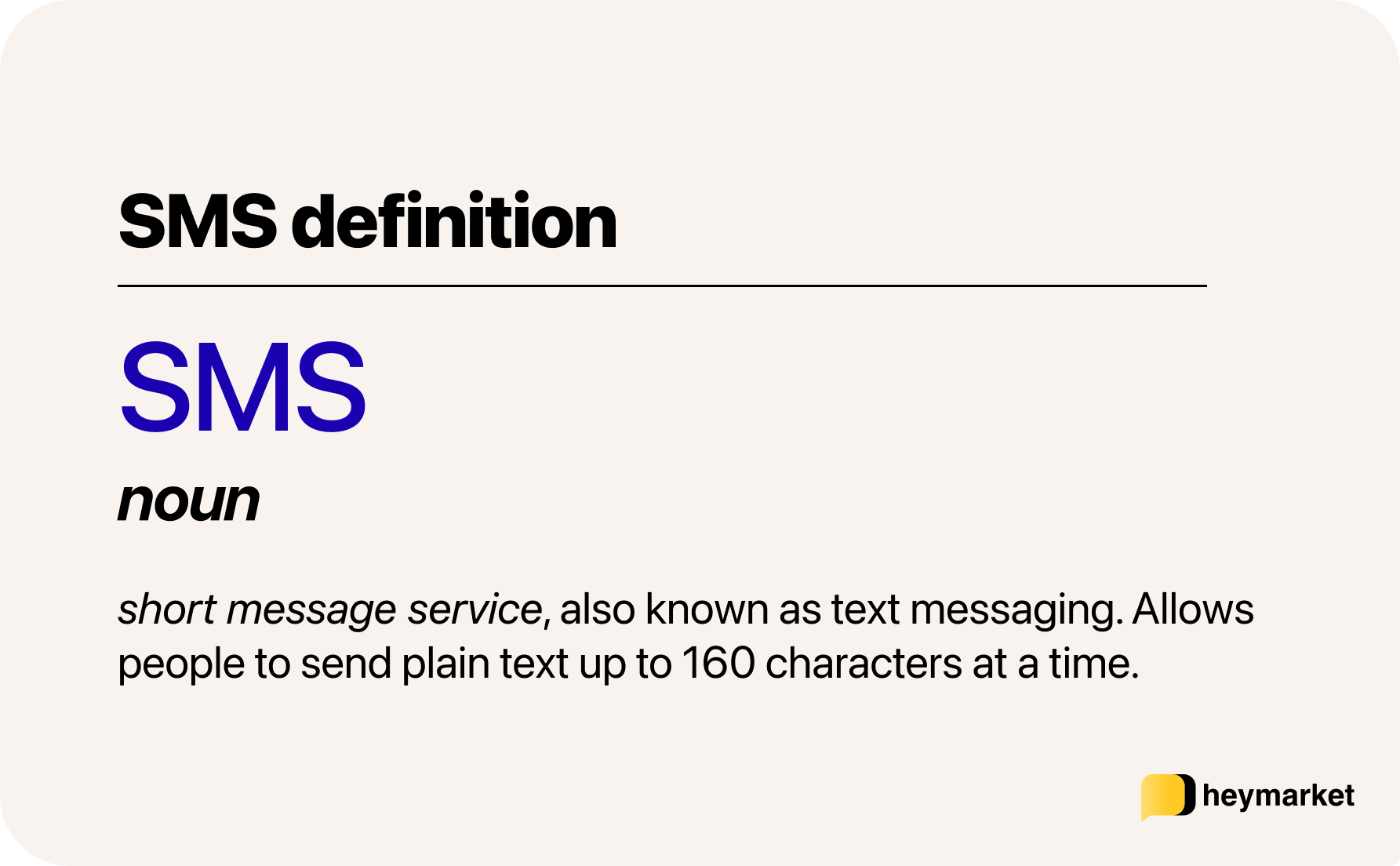
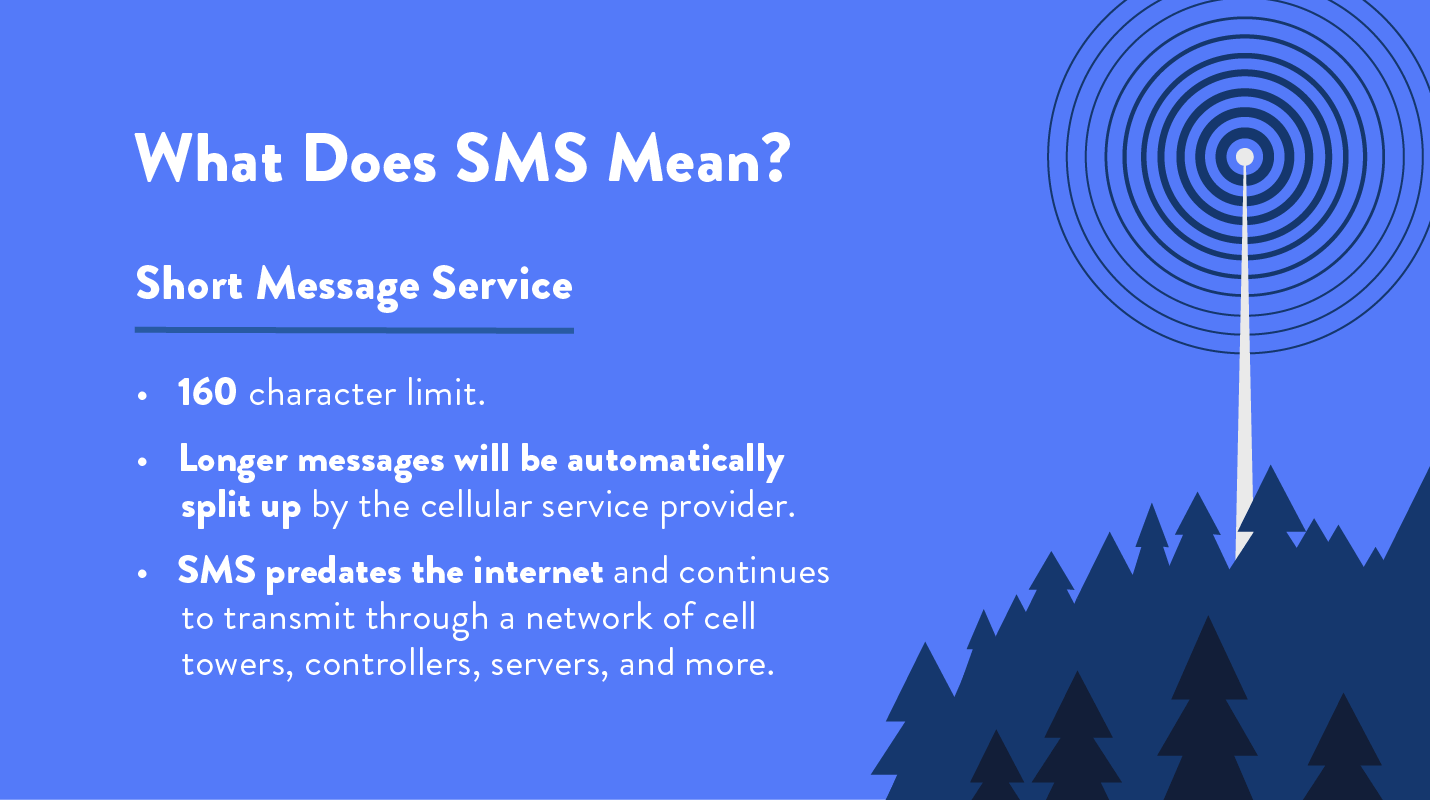
The famous 160-character limit of an SMS is not an arbitrary number. It was determined by Friedhelm Hillebrand, one of the key architects of the SMS standard, who analyzed the average length of postcards and Telex messages. Technically, this limit exists because SMS messages are transmitted via the Signaling System No. 7 (SS7) protocol. Specifically, they occupy the spare space in the signaling packets that manage call setup and roaming. Because these packets were small, the payload was capped at 140 bytes, which translates to 160 characters using 7-bit encoding.
How the Protocol Operates Behind the Scenes
When you send an SMS, the message does not travel directly to the recipient’s phone. Instead, it is routed to a Short Message Service Center (SMSC). The SMSC acts as a “store-and-forward” system. If the recipient’s device is powered off or out of range, the SMSC holds the message and attempts to deliver it once the device reconnects to the network. This asynchronous nature is what makes SMS inherently more reliable than real-time voice calls; the system is designed to ensure delivery even in fluctuating network conditions.
The Role of GSM and Signaling Channels
SMS operates on the signaling channel of a cellular network rather than the traffic channel used for voice. This is a critical distinction in technology. Because it uses the signaling path, a text message can be received even while a user is on a voice call. It requires minimal bandwidth, making it the most efficient way to transmit information across a congested or weak network.
Why SMS Remains the Gold Standard for Reliability
In a landscape dominated by WhatsApp, Telegram, and iMessage, one might wonder why SMS hasn’t been retired. The answer lies in its universal compatibility and the fundamental way it interacts with hardware.
Ubiquity and Zero Barriers to Entry
The primary technological advantage of SMS is that it is “platform-agnostic.” Unlike proprietary apps that require both the sender and receiver to be on the same platform (e.g., both users must have WhatsApp installed), SMS is native to every mobile handset produced since the mid-1990s. There is no software to download, no account to create, and no “friend request” to send. If a device has a SIM card and a signal, it can receive an SMS.
SMS vs. Over-the-Top (OTT) Messaging Apps
Instant messaging apps are referred to as “Over-the-Top” (OTT) because they sit on top of the data layer. They require an active internet connection (Wi-Fi or LTE/5G). In contrast, SMS functions on the basic cellular signal. In rural areas or developing nations where data infrastructure is spotty, SMS is often the only functional method of digital communication. Furthermore, because it doesn’t require high-speed data, it consumes significantly less battery power, a crucial factor for IoT (Internet of Things) devices and emergency sensors.
Emergency Infrastructure and Public Safety
Governments and tech agencies rely on SMS for “Wireless Emergency Alerts” (WEA). In the event of a natural disaster or public safety threat, authorities can broadcast SMS messages to every device connected to a specific cell tower. The low-latency, high-reliability nature of the protocol ensures that critical information reaches the maximum number of people in the shortest amount of time, regardless of whether their data roaming is turned on.
Modern Applications: Beyond Personal Texting
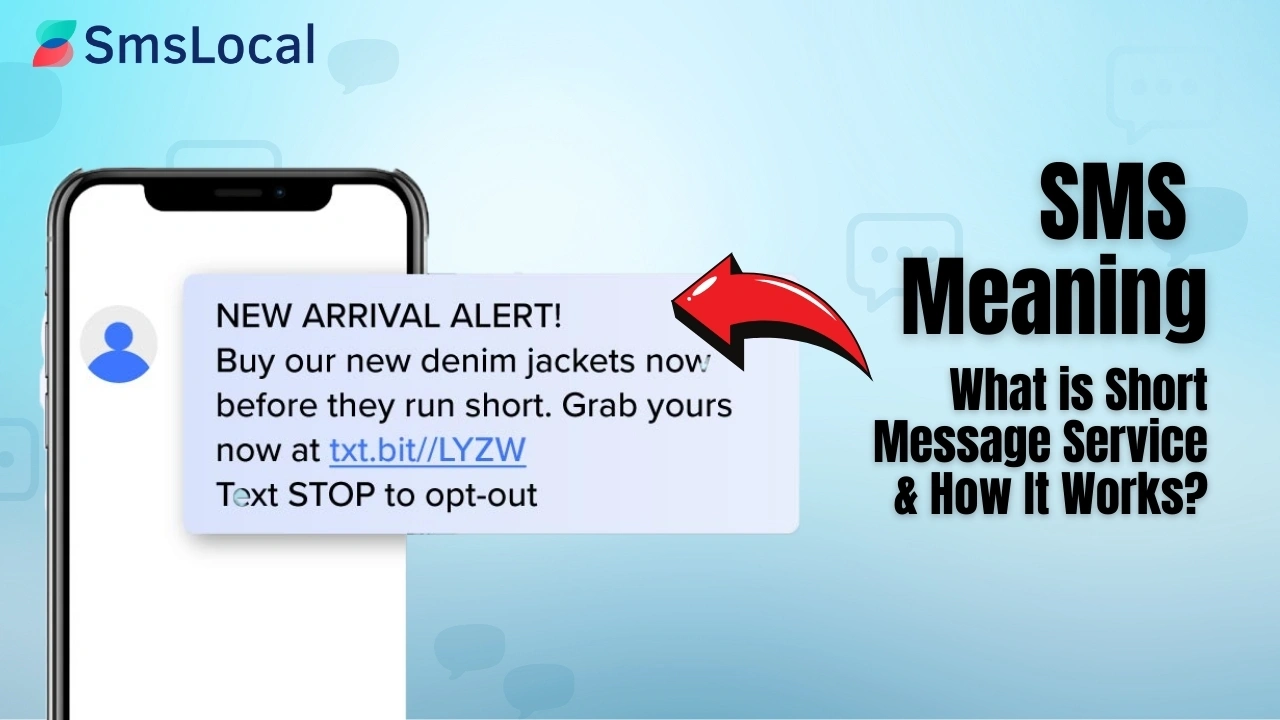
While peer-to-peer (P2P) texting between friends has largely migrated to encrypted apps, the “Tech” sector has seen an explosion in Application-to-Person (A2P) messaging. This is where SMS has found its second life as a critical enterprise tool.
Two-Factor Authentication (2FA) and Digital Security
Perhaps the most visible use of SMS in tech today is for Multi-Factor Authentication (MFA). When you log into a bank account or a new software-as-a-service (SaaS) platform, you often receive a one-time password (OTP) via SMS. While security experts often prefer hardware keys or authenticator apps, SMS remains the preferred choice for mass-market security because of its ease of use. It provides an out-of-band communication channel that is separate from the user’s primary internet connection, adding a layer of verification that is accessible to anyone with a phone.
A2P Messaging in Enterprise Environments
Enterprises use SMS for automated notifications, appointment reminders, and shipping updates. From a software development perspective, integrating SMS functionality is straightforward thanks to robust APIs (Application Programming Interfaces). Developers can programmatically send thousands of messages per second to facilitate real-time interactions between a company’s server and its global customer base.
SMS in the Internet of Things (IoT)
In the world of hardware and IoT, SMS is often used as a “wake-up” signal. For devices that remain in sleep mode to conserve power (such as remote environmental sensors), an SMS can be sent to trigger the device to “wake up” and initiate a larger data upload via cellular data. Its low power consumption makes it an ideal protocol for long-range machine-to-machine (M2M) communication.
The Future of SMS: RCS and the Evolution of Messaging
Technology never stands still, and the limitations of SMS (lack of encryption, 160-character limit, and inability to send high-res media) have led to the development of its successor: Rich Communication Services (RCS).
What is Rich Communication Services (RCS)?
RCS is often dubbed “SMS 2.0.” It is a protocol intended to replace SMS by bringing the features of modern messaging apps—such as read receipts, typing indicators, high-resolution image sharing, and group chats—directly into the native messaging app of the phone. Unlike WhatsApp, which is owned by Meta, RCS is an open standard backed by the GSMA (the global association of mobile operators).
The Transition Period: Why SMS Won’t Disappear
Despite the rollout of RCS and Apple’s recent commitment to support it, SMS will not disappear anytime soon. SMS serves as the “fail-safe” or “fallback” protocol. If an RCS message fails to deliver due to a lack of data, the system automatically reverts to a standard SMS. This ensures that the message is delivered no matter what. For the foreseeable future, SMS will remain the lowest common denominator that connects every mobile user on earth.
Security Enhancements in the Post-SMS Era
One of the biggest criticisms of traditional SMS is that it is not end-to-end encrypted. Messages are encrypted between the handset and the cell tower, but they are often stored in plain text on the carrier’s servers. The shift toward RCS and integrated encrypted layers in modern OS messaging (like Google Messages) is a direct response to the need for better privacy in a tech-driven world.
Optimizing SMS for Modern Technology Frameworks
For developers and IT professionals, understanding how to leverage SMS within a modern tech stack is essential for building resilient systems.
SMS Gateways and API Integration
The bridge between the internet and the cellular network is the SMS Gateway. Services like Twilio, MessageBird, and AWS SNS allow software applications to send and receive SMS messages via REST APIs. This allows for the automation of workflows—such as a server automatically sending a text to a sysadmin when a website goes down.
Security Best Practices in Cellular Messaging
As SMS is increasingly used for sensitive data (like OTPs), “Smishing” (SMS Phishing) has become a significant threat. Tech-savvy organizations are now implementing “Short Code” messaging—five or six-digit numbers that are pre-vetted by carriers—to improve trust and deliverability. Furthermore, moving toward “Verified SMS” protocols helps brands display their official logo and a verification badge in the user’s inbox, mitigating the risk of fraudulent messages.
Conclusion: The Enduring Legacy of the Short Message
Short Message Service is a testament to the power of efficient, standardized engineering. What began as a way to utilize spare bits in a signaling channel has evolved into a global communication pillar. While its role has shifted from personal chats to automated security and enterprise notifications, the “Short Message” remains a cornerstone of the modern technological landscape. Whether it is an OTP that secures your bank account or a critical alert during a storm, SMS proves that sometimes the simplest protocols are the most resilient.
aViewFromTheCave is a participant in the Amazon Services LLC Associates Program, an affiliate advertising program designed to provide a means for sites to earn advertising fees by advertising and linking to Amazon.com. Amazon, the Amazon logo, AmazonSupply, and the AmazonSupply logo are trademarks of Amazon.com, Inc. or its affiliates. As an Amazon Associate we earn affiliate commissions from qualifying purchases.