
In the hyper-saturated landscape of modern marketing, the “corporate mask”—that polished, overly enthusiastic, and relentlessly positive persona—is beginning to slip. Consumers, particularly those in the Millennial and Gen Z demographics, have developed a sophisticated “bullshit detector” that filters out traditional sales pitches. In response, a new breed of brand strategy has emerged, one rooted in a specific, biting, and often misunderstood tone: the sardonic voice.
But what does sardonic mean in the context of a brand identity, and why are some of the world’s most successful companies ditching “friendly” for “grimly mocking”? Understanding this linguistic tool is no longer just a task for English majors; it is a prerequisite for any brand strategist looking to cut through the noise of the digital age.

The Anatomy of a Sardonic Brand Identity
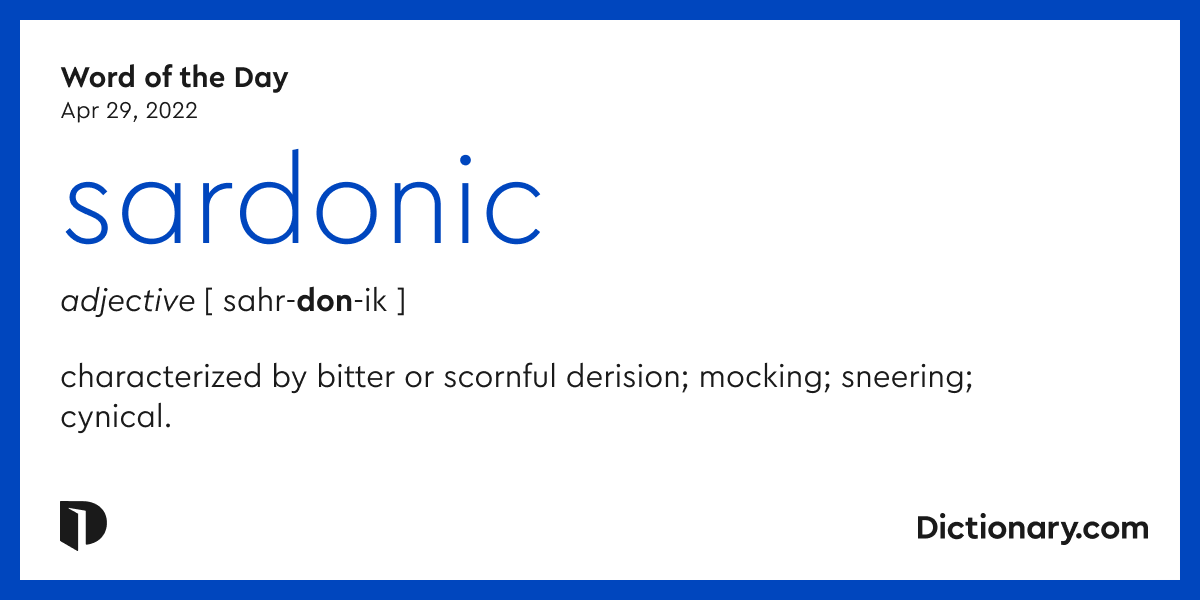
To master the sardonic tone, one must first distinguish it from its cousins: sarcasm, irony, and satire. While sarcasm is often used to mock a specific person and irony highlights the gap between expectation and reality, being sardonic involves a deeper level of skepticism. It is characterized by being grimly mocking, cynical, and often darkly humorous.
Defining “Sardonic” in a Marketing Context
In branding, a sardonic voice is the intentional use of dry, cynical wit to acknowledge the absurdity of the consumer-brand relationship. It is the “anti-marketing” marketing. Instead of pretending that a product will change your life or bring world peace, a sardonic brand might acknowledge that they are just trying to sell you something, and you are just trying to get through the day.
This transparency is refreshing. When a brand adopts a sardonic tone, it signals to the audience: “We know how this game works, and we aren’t going to insult your intelligence by pretending otherwise.” This creates an immediate sense of parity between the brand and the consumer, moving the relationship from a hierarchical “seller-buyer” dynamic to a peer-to-peer connection.
The Psychology of Cynicism in Modern Branding
The rise of the sardonic brand is a direct reaction to “toxic positivity” in corporate communications. For decades, brands relied on aspiration—the idea that buying a specific soda or car would make you part of a perfect, smiling family. In a world of global instability, economic pressure, and climate anxiety, that aspirational model often feels tone-deaf.
Sardonicism works because it validates the consumer’s reality. By using a tone that is slightly jaded or mocking of traditional conventions, a brand demonstrates high emotional intelligence. It shows that the company is “in on the joke,” which builds a unique type of brand equity known as “authentic edge.” This isn’t just about being funny; it’s about being real.
Strategic Implementation: When to Mock and When to Market
Adopting a sardonic voice is high-risk, high-reward. If executed poorly, it comes across as mean-spirited or arrogant. If executed well, it creates a cult-like following. The key lies in strategic implementation: knowing exactly who you are mocking and why.
Building the “Anti-Brand” Persona
The first step in using a sardonic voice is defining your “enemy.” In brand strategy, the enemy isn’t usually a competitor; it’s a convention. Are you mocking the over-the-top seriousness of the skincare industry? Are you poking fun at the jargon of the tech world?
A sardonic persona requires a clear set of brand values that remain untouchable. You can mock the industry, the marketing process, and even the product’s own simplicity, but you must never mock the customer’s genuine needs or values. The “anti-brand” persona works because it positions the brand as an outsider—a rebel that the customer can align with against the “boring” establishment.
Identifying Your Audience’s Bullshit Detector
Not every audience wants to be spoken to with a sardonic edge. A luxury retirement home or a pediatric hospital would likely find this tone disastrous. The sardonic voice is most effective for brands targeting “marketing-literate” audiences—people who spend significant time online and are weary of traditional advertisements.
Before pivoting to a sardonic tone, brand managers must conduct a deep dive into the digital habits of their target demographic. Does your audience appreciate “deadpan” humor? Do they engage with memes that highlight the futility of corporate life? If the answer is yes, a sardonic strategy may be the bridge that connects your product to their lifestyle.
Case Studies: Brands That Defined the Sardonic Era
To truly understand how “sardonic” translates into “revenue,” we must look at the pioneers who turned cynicism into a corporate asset. These brands didn’t just use a funny tone; they fundamentally altered their brand strategy to revolve around a sardonic identity.
The Wendy’s Effect: Twitter as a Battlefield
Wendy’s is perhaps the most cited example of the sardonic shift. In the mid-2010s, their social media presence pivoted from standard promotional posts to “roasting” followers and competitors alike. Their tone was dry, dismissive, and fiercely intelligent.
What made the Wendy’s strategy sardonic rather than just mean was its self-awareness. They didn’t just attack competitors; they mocked the very idea of a “brand account” having a personality. By leaning into the absurdity of a fast-food chain engaging in internet beef, they became more human than the brands trying to be everyone’s friend.
dbrand and the Art of Insulting the Customer
The tech-accessory company dbrand has taken the sardonic voice to its logical extreme. Their marketing often refers to their customers as “human meat-bags” and openly admits that their goal is to take the customer’s money.
This level of sardonicism works because dbrand’s product quality is exceptionally high. Because the product is reliable, the “hostile” marketing is interpreted as a joke between friends. It creates a “challenge” culture where customers enjoy the back-and-forth, turning a simple purchase of a phone skin into an entry into an exclusive, edgy club.
Liquid Death: Turning Cynicism into $700M Value
Liquid Death, a canned water company, is a masterclass in sardonic brand strategy. The entire brand is built on a sardonic premise: “It’s just water, but we’re going to market it like it’s a heavy metal concert or a death cult.”
Their tagline, “Murder Your Thirst,” and their extreme imagery mock the traditional, “zen-like” marketing of the bottled water industry. By acknowledging that water marketing is inherently ridiculous, they created a brand that people actually want to wear on a t-shirt. They didn’t sell water; they sold a sardonic critique of the beverage industry, and consumers bought in to the tune of a $700 million valuation.
The Risks of the Sardonic Tone
While the sardonic voice can drive engagement, it is a double-edged sword. There is a very thin line between being “darkly witty” and “unlikable.”
Avoiding the “Mean-Spirited” Trap
The most common failure in sardonic branding is punching down. For a sardonic tone to work, the “mockery” should ideally be directed upward (at the industry, at the absurdity of life, or at the brand itself) or horizontally (at willing participants in a joke).
When a brand uses a sardonic tone to belittle customers who have legitimate complaints or to mock sensitive social issues, the “edge” quickly turns into a PR nightmare. Brand guidelines must clearly delineate the “No-Go Zones” where the sardonic voice is strictly prohibited.
The Inauthenticity Paradox
There is nothing less “cool” than a brand trying too hard to be sardonic. If the tone feels forced or if it’s clearly being written by a committee of executives who don’t understand the nuance of the language, it will fail.
This is the inauthenticity paradox: to be successfully sardonic, a brand must genuinely possess a cynical or rebellious culture. If a traditional, buttoned-up insurance company suddenly starts posting sardonic memes, it feels like “Steve Buscemi with a skateboard.” The tone must be an extension of the brand’s true identity, not a costume it wears to attract younger buyers.
How to Implement a Sardonic Tone of Voice
For brands ready to take the plunge, the transition must be handled with precision. It is not about changing your logo; it is about changing your brand’s “Internal Monologue.”
Setting Boundaries for Social Media Teams
If you are moving toward a sardonic strategy, your social media managers need more than just a style guide—they need a “vibe guide.” You must empower them to make quick, witty decisions without waiting for three levels of legal approval, as the sardonic voice relies heavily on timing and relevance. However, you must also set hard boundaries on what is off-limits to ensure the brand doesn’t cross the line from “sardonic” to “offensive.”
Balancing Wit with Worth
Ultimately, a sardonic tone is a delivery mechanism, not the product itself. The most successful sardonic brands—like Liquid Death or dbrand—back up their edgy marketing with excellent products.
The sardonic voice should be used to lower the consumer’s guard and build a rapport, but once the guard is down, the brand must still deliver value. A brand that is “all snark and no substance” will quickly find that its audience tires of the act. Use the sardonic voice to get the customer’s attention, but use your brand’s core utility to keep it.
By mastering the sardonic voice, brands can move beyond the shallow world of traditional advertising and enter a more honest, engaging, and ultimately profitable conversation with their audience. In an age of skepticism, sometimes the most “on-brand” thing you can do is admit that the whole thing is a little bit ridiculous.
aViewFromTheCave is a participant in the Amazon Services LLC Associates Program, an affiliate advertising program designed to provide a means for sites to earn advertising fees by advertising and linking to Amazon.com. Amazon, the Amazon logo, AmazonSupply, and the AmazonSupply logo are trademarks of Amazon.com, Inc. or its affiliates. As an Amazon Associate we earn affiliate commissions from qualifying purchases.