
When we ask the question, “What color is neon?” we are rarely asking for a chemistry lesson. While the scientific answer is a fixed point on the light spectrum, the branding answer is a vast, multifaceted landscape of visual communication. In the world of brand strategy and corporate identity, neon is not just a color; it is a tool for disruption, a beacon of nostalgia, and a masterclass in high-visibility marketing.
In its purest form, neon gas glows a distinct reddish-orange. However, in the context of brand identity, “neon” has become a shorthand for any hyper-saturated, luminous hue that demands immediate attention. Understanding how to harness this intensity is what separates a brand that looks like a roadside diner from a brand that defines a new era of digital aesthetics.

The Physics of Identity: Defining the True Color of Neon
To use neon effectively in a branding strategy, one must first understand the distinction between the chemical element and the cultural phenomenon. This distinction allows brand designers to choose between “authentic” retro-vibrancy and modern, digitally-driven luminosity.
The Gas vs. The Glow
Technically, if a brand wants to use “true” neon, they are looking at a very specific shade of vibrant red-orange. When an electric current passes through neon gas in a vacuum tube, it emits a warm, piercing light that has defined cityscapes for a century. Every other “neon” color we see—the vibrant blues, the electric greens, the shocking pinks—is actually created using other noble gases like argon or krypton, often combined with mercury or fluorescent coatings.
From a brand strategy perspective, this technicality matters. Authentic neon signage carries a tactile, artisanal quality. It suggests a brand that values heritage, craftsmanship, and a physical presence. When a luxury brand like Saint Laurent uses true neon in its boutique displays, it isn’t just choosing a color; it is choosing a texture of light that communicates high-end exclusivity.
The Chemical Signature of Brands
In the mid-20th century, neon was the “living flame” of advertising. It provided brands with a way to stay visible after the sun went down, effectively doubling their marketing hours. Today, the “color” of neon has evolved into a digital asset. The chemical signature has been replaced by HEX codes and RGB values that attempt to mimic that same retinal stimulation.
For a modern brand, deciding which “neon” to adopt depends on the desired brand persona. A bright neon green (like that of Spotify) suggests energy, growth, and digital native status. A neon purple or “cyber” violet suggests futurism and mystery. Identifying the core gas-like vibration of your brand’s color palette is the first step in establishing a high-impact visual identity.
Color Psychology and the “Neon Effect” in Marketing
The primary reason neon remains a staple in branding is its psychological impact. Neon colors are “aggressive” colors; they vibrate at a frequency that the human eye cannot ignore. In a saturated market where consumers are bombarded with thousands of images daily, neon acts as a visual interrupt.
Capturing Attention in a Saturated Market
Human evolution has wired our brains to notice bright, saturated colors—historically, these indicated either high-energy food sources or dangerous predators. In modern marketing, neon exploits this primal trigger. A neon call-to-action (CTA) button on a website or a neon-lit logo in a crowded retail space commands the eye’s focus before the rational mind even processes the brand name.
However, the “neon effect” requires a strategic balance. Because these colors are so high-energy, they can easily cause visual fatigue. Brands that successfully use neon usually employ it as an accent rather than a primary wash. By using a “dark mode” or neutral background (charcoal, deep navy, or black) and punctuating it with neon highlights, a brand creates a high-contrast environment that feels sophisticated rather than overwhelming.
The Emotional Resonance of Electric Hues
Different neon shades evoke specific emotional responses that a brand can leverage:
- Neon Pink/Magenta: Suggests rebellion, creative energy, and a break from tradition. It is frequently used by brands looking to disrupt “boring” industries (e.g., T-Mobile in telecommunications).
- Neon Green/Yellow: Associated with alertness, speed, and high-tech efficiency. This is often the go-to for fintech or app-based services that want to feel “fast.”
- Neon Blue/Cyan: Evokes a sense of the digital frontier, calmness combined with high intelligence, and the “clean” aesthetic of software.
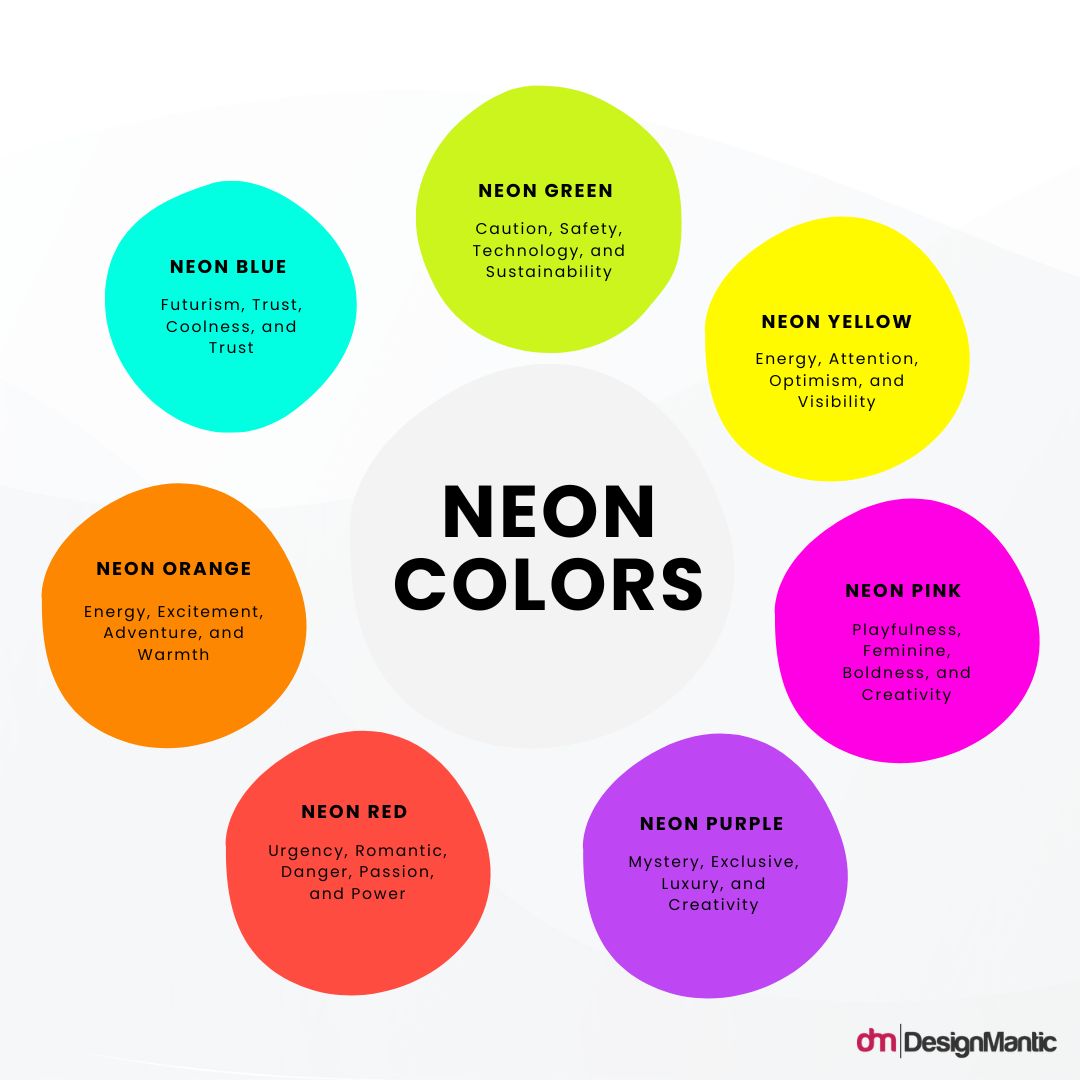
By selecting a specific neon hue, a brand can bypass lengthy copy and communicate its entire “vibe” in a split second.
From Retro Signage to Digital Interfaces: The Evolution of Neon Branding
Neon has undergone a massive transformation, moving from the dusty streets of 1950s Las Vegas to the sleek, glowing interfaces of 2020s mobile apps. This evolution reflects a broader shift in how we perceive “modernity” in brand design.
The Nostalgia Factor
For many years, neon was seen as a relic of the past—associated with “No Vacancy” signs and dive bars. However, brand strategy often moves in cycles. The “Retrowave” or “Synthwave” movement of the last decade has reclaimed neon as a symbol of 80s and 90s nostalgia. Brands targeting Millennials and Gen Z often use neon palettes to evoke a sense of “analog-digital” fusion.
This nostalgia is a powerful branding tool. It creates an instant sense of familiarity and “cool.” When a brand like Nike uses neon-heavy aesthetics in its “Heritage” lines, it is bridging the gap between its historical dominance and its future-forward innovation.
Neon in the Age of Social Media
In the digital space, the “color” of neon is more relevant than ever. Screens are backlit, meaning they are literally made of light. This allows neon colors to look more vibrant on a smartphone than they ever could on a printed billboard.
Brands are now designing for “the glow.” This involves using gradients and outer-glow effects in UI/UX design to make elements appear as if they are emitting light. This “Neon 2.0” aesthetic is synonymous with the “Cyberpunk” trend, which represents a world where technology and humanity are inextricably linked. For tech-heavy brands or gaming platforms, this isn’t just a design choice; it’s a way of signaling that they belong to the future.
Implementing Neon into a Brand Strategy: Best Practices
While neon is a powerful tool, it is also a dangerous one. Improper use can lead to a brand looking “cheap” or “tacky.” A professional brand strategy must treat neon with the same precision as a surgeon treats a scalpel.
Choosing the Right Palette
The secret to a successful neon brand identity lies in the “anchoring” colors. Neon cannot stand alone; it needs a void to fill.
- High Contrast: Always pair neons with deep, desaturated tones. This makes the neon “pop” without straining the viewer’s eyes.
- The 10% Rule: In most high-end corporate identities, the neon color should make up no more than 10% of the visual real estate. Use it for logos, icons, or specific highlights to ensure it retains its impact.
- Consistency Across Media: One of the biggest challenges in neon branding is consistency. A neon green that looks electric on an iPhone screen can look muddy and dull when printed on a cardboard box (CMYK vs. RGB). Brands must choose neon shades that have viable “neon-equivalent” Pantone inks or be prepared to invest in spot-color printing.
Technical Considerations for Physical and Digital Media
If a brand decides to go “physical” with neon, they must choose between traditional glass-blown neon and LED-neon.
- Glass Neon: Offers a 360-degree glow and a prestigious, artistic feel. Best for flagship stores and high-end office interiors.
- LED Neon: More durable, energy-efficient, and easier to dim. This is the practical choice for most modern businesses, allowing for intricate logos that would be impossible to bend in glass.
In the digital realm, “neon” is achieved through luminosity settings. Designers should utilize CSS “text-shadow” or “box-shadow” properties to simulate the way neon light bleeds into its surroundings. This “bloom” effect is what gives the color its life and prevents it from looking like a flat, boring pastel.
Conclusion: The Luminous Future of Brand Identity
So, what color is neon? It is the color of visibility. It is the color of the future as imagined by the past. It is the color of a brand that isn’t afraid to be seen.
In the landscape of brand strategy, neon represents a bold choice to move away from the “safe” and “muted” palettes that dominated the early 2010s. As we move further into a digital-first economy, the ability to use light as a brand asset will become increasingly vital. Whether it’s the original red-orange of the noble gas or the electric “Cyber Lime” of a new app, neon remains the ultimate tool for brands that want to light up the marketplace. By understanding its physics, its psychology, and its history, a brand can transcend mere recognition and become a landmark in the consumer’s mind.
aViewFromTheCave is a participant in the Amazon Services LLC Associates Program, an affiliate advertising program designed to provide a means for sites to earn advertising fees by advertising and linking to Amazon.com. Amazon, the Amazon logo, AmazonSupply, and the AmazonSupply logo are trademarks of Amazon.com, Inc. or its affiliates. As an Amazon Associate we earn affiliate commissions from qualifying purchases.