
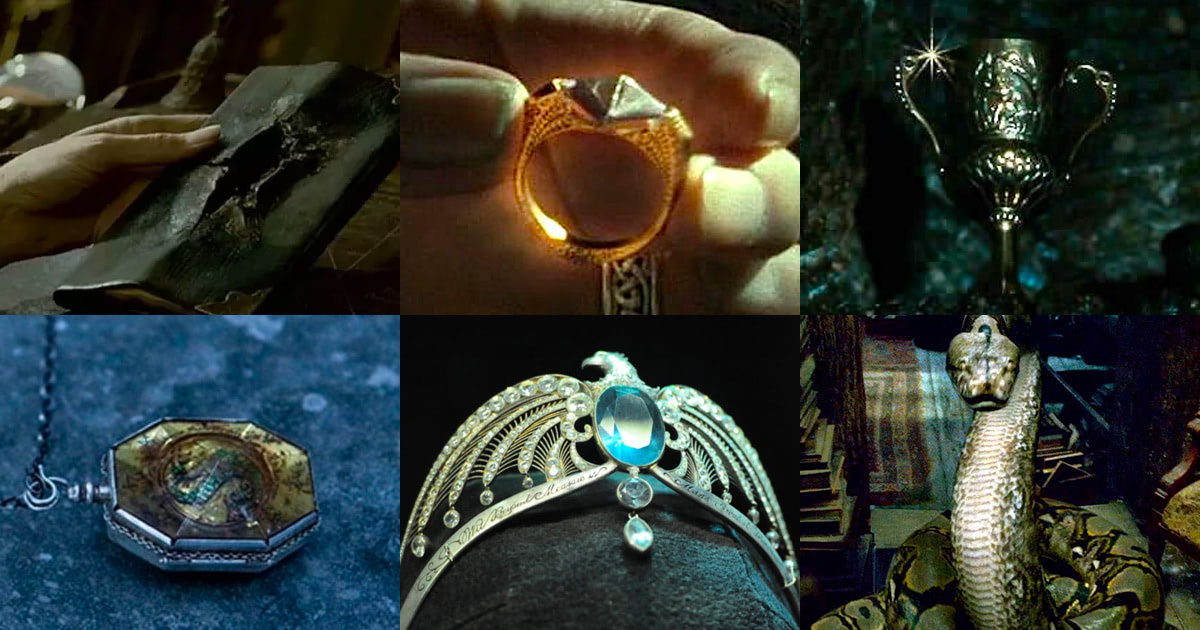
In the landscape of modern commerce, a brand is far more than a logo or a catchy slogan; it is an intangible asset that represents the “soul” of a corporation. To achieve a state of market immortality—where a brand survives economic downturns, leadership changes, and shifting consumer trends—strategic architects must look toward the concept of fragmentation. Just as the literary concept of a “Horcrux” involves placing pieces of a soul into various objects to ensure survival, a master brand strategist distributes the essence of a brand across multiple touchpoints.
By embedding the brand’s identity into diverse “vessels,” a company ensures that even if one aspect of the business fails, the brand itself lives on in the hearts and minds of the consumer. This article explores the seven horcruxes of iconic branding: the strategic pillars that protect, preserve, and propagate a brand’s legacy in a volatile global market.
1. The Soul of the Brand: Understanding Strategic Fragmentation
To understand how a brand achieves longevity, one must first recognize that a brand is a living entity. It possesses a personality, a set of values, and a reputation. However, keeping this “soul” centralized within a single product or service is a high-risk strategy. If that product becomes obsolete, the brand dies with it.
The Concept of the Brand Horcrux
In professional brand strategy, a horcrux is a strategic anchor. It is a specific element of the brand identity that has been meticulously crafted and “hidden” within the consumer experience. These anchors allow a brand to exist independently of its physical inventory. For example, when people think of Ferrari, they aren’t just thinking of a vehicle; they are thinking of speed, luxury, and Italian heritage. These concepts are the vessels that hold the brand’s soul, ensuring that even if Ferrari stopped making cars tomorrow, the brand would retain its immense value.
Why Total Centralization is a Risk
Many businesses fail because their entire identity is tied to a single “vessel”—usually a flagship product. In the tech world, we saw this with companies that defined themselves solely by hardware that eventually became outdated. Modern brand strategy demands diversification. By splitting the brand essence across seven distinct categories, a corporation creates a safety net. If the visual identity feels dated, the community loyalty remains; if the product line shifts, the brand voice continues to resonate. This fragmentation is the ultimate defense against corporate mortality.
2. The Seven Pillars of Brand Identity: Creating the Vessels
Building an immortal brand requires the creation of seven specific vessels. Each one must be infused with the brand’s core values to ensure that the “soul” of the company is ubiquitous and indestructible.
Visual Identity and Symbolic Permanence
The first horcrux is the most obvious but often the most misunderstood: the visual identity. This includes the logo, color palette, and typography. However, symbolic permanence goes deeper than a graphic design file. It is the ability of a symbol to evoke an immediate emotional response. Think of the “Golden Arches” or the “Swoosh.” These are not just drawings; they are vessels containing decades of marketing, quality assurance, and cultural history. To create this vessel, a brand must maintain relentless consistency, ensuring the visual soul is recognizable in any context.
Brand Voice and Emotional Echoes
The second vessel is the brand’s voice—the way it communicates, the tone it adopts, and the language it uses. A brand’s voice acts as an emotional echo in the mind of the consumer. Whether it is the playful, irreverent tone of a modern D2C startup or the authoritative, steady voice of an established financial institution, this vessel ensures the brand’s personality remains intact across all written and spoken mediums.
Product Experience and Tactile Loyalty
The third horcrux is the physical or digital experience of the product itself. This is “tactile loyalty.” When a user opens an Apple product, the weight of the box, the smell of the plastic, and the haptic feedback of the device are all fragments of the brand’s soul. This vessel is built through meticulous attention to detail in the user interface (UI) and user experience (UX), ensuring that the brand is “felt” every time the product is used.
Community and the Power of Shared Ownership
The fourth, and perhaps most powerful, horcrux is the community. When a brand successfully moves its soul into its customer base, it achieves a level of protection that no marketing budget can buy. This is “shared ownership.” Fans of brands like Harley-Davidson or Lego do not just buy products; they belong to a tribe. The brand lives within the community’s discussions, events, and subcultures, making it nearly impossible to destroy.
Corporate Values and Ethical Anchors
In the modern era, a brand’s soul must be anchored in its values. This fifth vessel is the ethical stance of the company. Whether it is a commitment to sustainability, social justice, or innovation, these values serve as a moral horcrux. Consumers today align themselves with brands that reflect their own worldviews. By embedding the brand’s soul in a “purpose,” the company secures loyalty that transcends transactional relationships.

The Digital Footprint and Virtual Legacy
The sixth vessel is the digital presence. In an age of AI and social media, a brand’s soul must exist in the cloud. This includes the brand’s social media persona, its search engine authority, and its digital content. A strong digital footprint ensures that the brand is discoverable and relevant to the next generation of consumers. It is the virtual horcrux that allows the brand to inhabit the digital spaces where modern life occurs.
Customer Experience (CX) as the Final Soul Fragment
The final horcrux is the total customer experience. This is the sum of every interaction a person has with the brand, from the first advertisement they see to the support call they make years later. Excellence in CX ensures that the brand’s soul is associated with reliability and care. It is the final piece of the puzzle that binds all other vessels together, creating a seamless and indestructible brand identity.
3. The Protection of the Vessel: Safeguarding Brand Equity
Once a brand has successfully fragmented its soul into these seven vessels, the challenge shifts from creation to protection. Brand equity is fragile and can be “slain” by inconsistency or scandal.
Consistency Across Channels
The greatest threat to a brand horcrux is inconsistency. If the “Visual Identity” vessel says one thing, but the “Customer Experience” vessel says another, the soul of the brand becomes fractured in a negative way—leading to consumer confusion and distrust. Protecting these vessels requires a rigorous system of brand guidelines and internal governance. Every employee, from the CEO to the front-line staff, must be a “guardian” of these soul fragments.
Defensive Branding in Times of Crisis
When a company faces a PR crisis, it often finds that some of its “vessels” are damaged. However, because the brand’s soul is distributed, the company can lean on its undamaged horcruxes to survive. If a product fails (the Product Experience vessel), the company can rely on its “Community” and “Corporate Values” vessels to maintain public trust while it repairs the damage. This is the strategic essence of brand resilience.
4. Case Studies: Brands That Achieved Immortality
Examining world-class brands through the lens of the “Seven Horcruxes” reveals why they continue to dominate their respective markets.
Apple: Design as the Primary Vessel
Apple is a master of the “Product Experience” and “Visual Identity” horcruxes. Their soul is so deeply embedded in the “sleek, minimalist aesthetic” that they can move into entirely new industries—from phones to watches to credit cards—and consumers will follow because they recognize the “soul” in the design. They have successfully moved their brand identity away from being a “computer company” to being a “lifestyle and design company.”
Nike: The Soul of the Athlete
Nike has placed a massive fragment of its soul into the “Corporate Values” and “Community” vessels. By positioning itself as the champion of the underdog and the partner of the elite athlete (“Just Do It”), Nike’s brand exists independently of the shoes they sell. Their brand lives in the feeling of a morning run and the spirit of competition. This is why Nike remains the dominant force in sportswear; their horcruxes are embedded in human emotion and aspiration.
5. Future-Proofing: Ensuring Your Brand Lives Forever
As we look toward the future, the mediums through which brands communicate will continue to evolve. From the metaverse to neural interfaces, the “vessels” may change, but the strategy remains the same.
Adapting to New Mediums
The brands that survive the next century will be those that can successfully migrate their soul fragments into new technologies. A brand’s “Visual Identity” might become a 3D avatar; its “Brand Voice” might become a personalized AI assistant. The goal is to ensure that no matter how the consumer interacts with the world, they encounter a piece of the brand’s soul.

Conclusion: The Immortal Brand
To answer the question of what the seven horcruxes were in a branding context, they are the vital components of a diversified identity: Visuals, Voice, Product, Community, Values, Digital Presence, and Experience. By treating these as sacred vessels for the brand’s essence, business leaders can move beyond mere market presence and toward true market immortality. In a world where products are commoditized and trends are fleeting, the brand that has successfully distributed its soul is the only one that truly lasts.
aViewFromTheCave is a participant in the Amazon Services LLC Associates Program, an affiliate advertising program designed to provide a means for sites to earn advertising fees by advertising and linking to Amazon.com. Amazon, the Amazon logo, AmazonSupply, and the AmazonSupply logo are trademarks of Amazon.com, Inc. or its affiliates. As an Amazon Associate we earn affiliate commissions from qualifying purchases.