
In the world of corporate identity and intellectual property, few characters command as much market share or cultural relevance as the Joker. As the crown jewel of DC Comics’ rogue’s gallery, he is a multi-billion-dollar brand asset. Yet, for over eighty years, one question has persisted among consumers and brand enthusiasts alike: What was the Joker’s real name? From a strategic branding perspective, the absence of a definitive answer is not a failure of narrative—it is a masterclass in brand longevity and the tactical use of mystery.

For a brand, a name is usually the cornerstone of identity. It provides a foundation for trust, recognition, and historical consistency. However, the Joker represents a unique “anti-brand” strategy. By withholding a definitive origin and a legal name, the architects of this character have created a symbol that is infinitely adaptable, immune to the constraints of a single timeline, and perpetually intriguing.
The Architecture of Anonymity: Why a Lack of Identity is a Branding Masterstroke
In traditional brand strategy, we are taught that clarity is king. Brands like Apple, Nike, or Coca-Cola spend billions ensuring that their identity is unmistakable. However, there is a secondary tier of branding that thrives on the “Unknown.” This is the architecture of anonymity, and the Joker is its most successful case study.
The Psychology of the Unknown in Consumer Engagement
Human psychology is hardwired to seek closure. When a story or a brand leaves a gap—such as the Joker’s true name—it triggers what marketers call the “Information Gap Theory.” Consumers become more engaged because they are trying to solve a puzzle. By never providing a canonical name, the brand owners ensure that the conversation around the Joker never concludes.
Every time a new film or comic is released, the speculation regarding his “real” identity drives organic engagement, social media discourse, and earned media coverage that no marketing budget could buy. The mystery becomes the value proposition.
Transcending a Single Persona through Symbolic Branding
Because the Joker has no fixed name, he ceases to be a person and becomes a symbol. In branding, symbols are far more durable than individuals. A person ages, makes mistakes, and eventually becomes obsolete. A symbol, however, can be reinvented for every generation.
By avoiding a “real name” like Jack Smith or Thomas Wayne, the creators allow the character to transcend the limitations of a human backstory. This anonymity allows him to represent different things to different eras: from the campy prankster of the 1960s to the nihilistic terrorist of the 2000s and the marginalized loner of the 2010s. The brand remains consistent (the grin, the purple suit, the chaos) while the “man” underneath is whatever the current market demands.
Corporate Identity and the Multi-Interpretive Asset
From a corporate standpoint, managing the Joker is a complex exercise in brand portfolio management. Warner Bros. and DC Comics must balance the need for fresh storytelling with the need to protect the core equity of the character. This has led to a “multi-interpretive” approach where different “real names” are introduced in separate products without ever becoming the definitive brand standard.
From Jack Napier to Arthur Fleck: Managing Brand Variations
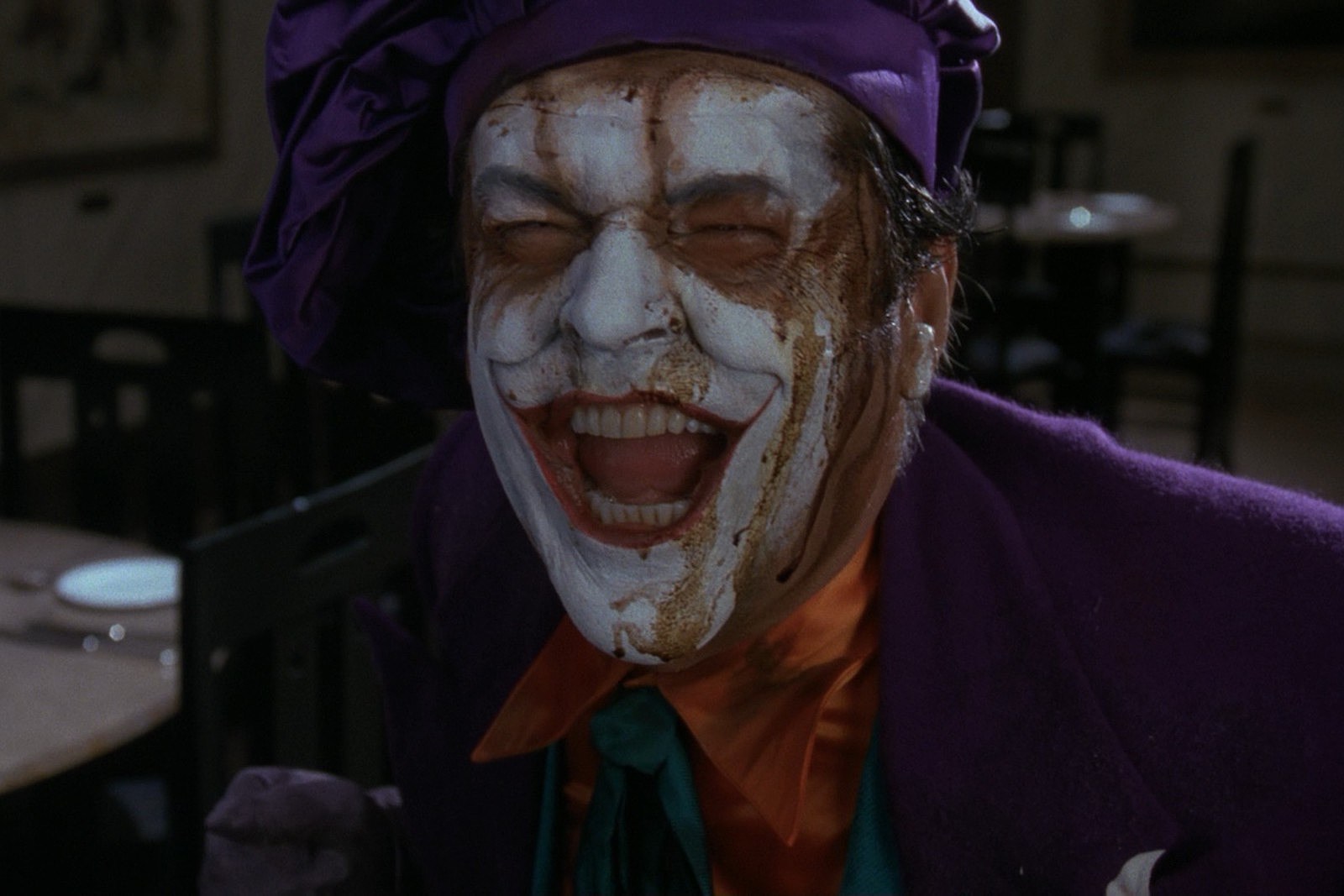
The brand has flirted with identities several times to suit specific product lines. In Tim Burton’s 1989 Batman, the character was given the name Jack Napier. This served the brand’s need for a structured, cinematic narrative at the time. However, the name was largely discarded in subsequent reboots to return the character to his “mysterious” roots.
More recently, the 2019 film Joker introduced Arthur Fleck. This was a strategic move to create a “Prestige Brand” sub-label—an R-rated, character-driven study that existed outside the main DC Extended Universe. By giving him a name in this specific context, the studio could explore a different brand “flavor” without permanently altering the main character’s core mystery in the comics. It shows that names, in this context, are seasonal marketing tools rather than permanent identity markers.
Maintaining Intellectual Property Across Media
The Joker is a high-value intellectual property (IP) asset. Maintaining a “fluid” identity is a safeguard against brand fatigue. If the Joker were permanently established as one specific man with one specific name and one specific childhood, the storytelling possibilities would eventually run dry.
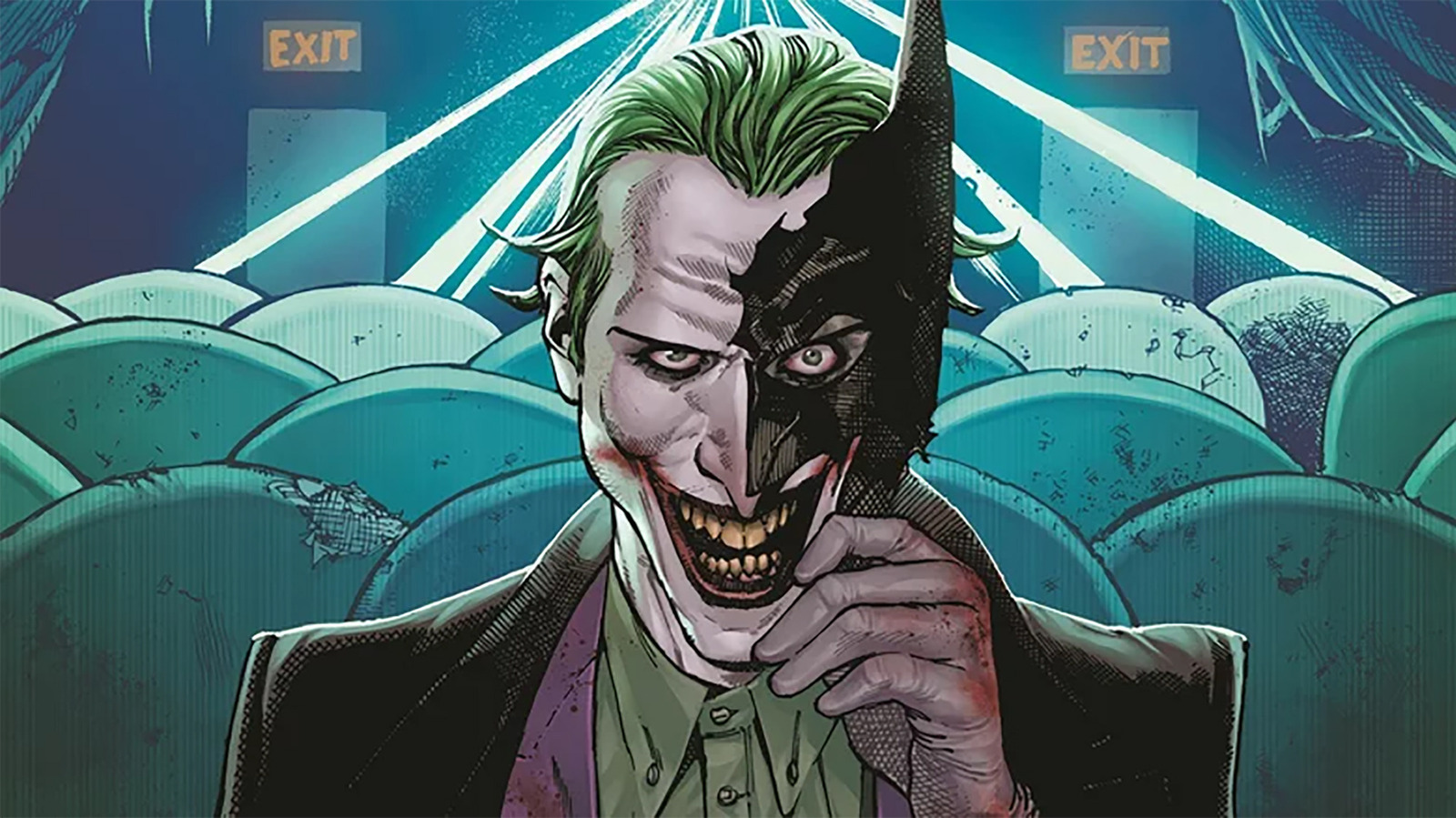
The “Three Jokers” storyline in the comics is a perfect example of corporate brand expansion. By suggesting there might be multiple Jokers, the brand owners effectively tripled the narrative potential of the IP. This strategy allows the company to cater to different segments of the audience—those who like the “Criminal,” the “Clown,” or the “Comedian”—simultaneously.
Case Study: The Marketing of Uncertainty
The most effective use of the Joker’s lack of a real name can be seen in the marketing campaigns for the character’s various iterations. Uncertainty is not just a narrative trope; it is a promotional engine.
The Dark Knight and Viral Marketing
The marketing campaign for Christopher Nolan’s The Dark Knight remains one of the most celebrated in history. It relied heavily on the “Why So Serious?” viral alternate reality game (ARG). The campaign didn’t focus on who the Joker was, but rather on the chaos he caused.
By leaning into the “nameless” aspect of the character, the marketers allowed the audience to project their own fears onto him. The Joker’s “real name” became irrelevant compared to the brand experience of his “presence.” This campaign proved that in the digital age, a brand that invites the audience to participate in its mystery will always outperform a brand that simply dictates its history.
Building Engagement through Speculation and Theory-Crafting
In the modern digital landscape, “theory-crafting” is a major driver of traffic for entertainment brands. Thousands of YouTube channels and blogs generate millions of views discussing the “real identity” of the Joker.
Whether it’s speculating that he is a former soldier, a disgraced social worker, or even a relative of Bruce Wayne, this speculation serves as free marketing. Every “theory” is a reaffirmation of the brand’s relevance. By never confirming a real name, DC Comics ensures that the “speculation cycle” continues indefinitely, keeping the brand at the top of the cultural conversation without the need for constant advertising spend.
Strategic Lessons for Modern Personal Branding and Corporate Identity
While most businesses cannot afford to be as chaotic as the Joker, there are profound lessons to be learned from how his identity is managed. Modern branding is moving away from rigid structures and toward “liquid” identities that can adapt to different platforms and audiences.
Authenticity vs. Accessibility
Many brands struggle with the concept of “authenticity.” They believe they must reveal everything to be trusted. However, the Joker brand teaches us that “Accessibility”—being relatable to the audience’s current emotions—is often more powerful than a factual “Authenticity.”
The Joker is accessible because he is a blank slate. He represents a specific feeling (rebellion against the status quo) rather than a specific biography. Brands today can benefit from leaving some things to the imagination, allowing the consumer to “own” a piece of the brand’s story.
The Longevity of Evolution: Why Not Being Defined is the Ultimate Competitive Advantage
In the business world, the most dangerous thing a brand can become is “defined.” Once you are defined, you are limited. You have a ceiling. The Joker has no ceiling because he has no floor—no foundation in a specific “real name.”
Companies that want to survive for decades must learn to evolve their core identity without losing their “logo” (the visual cues that signal the brand). Whether it is Netflix transitioning from a DVD-by-mail service to a global production studio, or Amazon moving from a bookstore to a cloud computing giant, the most successful brands are those that can change their “real name” (their core function) while keeping their “Joker” (their disruptive spirit) intact.
In conclusion, “What was the Joker’s real name?” is a question with a thousand answers, and that is precisely why the brand is worth billions. By refusing to be pinned down to a single identity, the Joker remains the ultimate adaptable asset. In the landscape of modern branding, mystery isn’t a lack of information—it’s the highest form of consumer engagement. The Joker doesn’t need a name; he has something much more valuable: an immortal brand.
aViewFromTheCave is a participant in the Amazon Services LLC Associates Program, an affiliate advertising program designed to provide a means for sites to earn advertising fees by advertising and linking to Amazon.com. Amazon, the Amazon logo, AmazonSupply, and the AmazonSupply logo are trademarks of Amazon.com, Inc. or its affiliates. As an Amazon Associate we earn affiliate commissions from qualifying purchases.