
In the history of sports marketing and personal branding, few events are as polarizing or as analyzed as Michael Jordan’s transition from the NBA to professional baseball in 1994. To the casual observer, it was a mid-career crisis; to the sports historian, it was a tribute to his late father. However, from a brand strategy perspective, Jordan’s stint with the Birmingham Barons serves as one of the most significant case studies in “brand pivoting” and identity management. Central to this entire narrative is a single, often-debated figure: number 45.
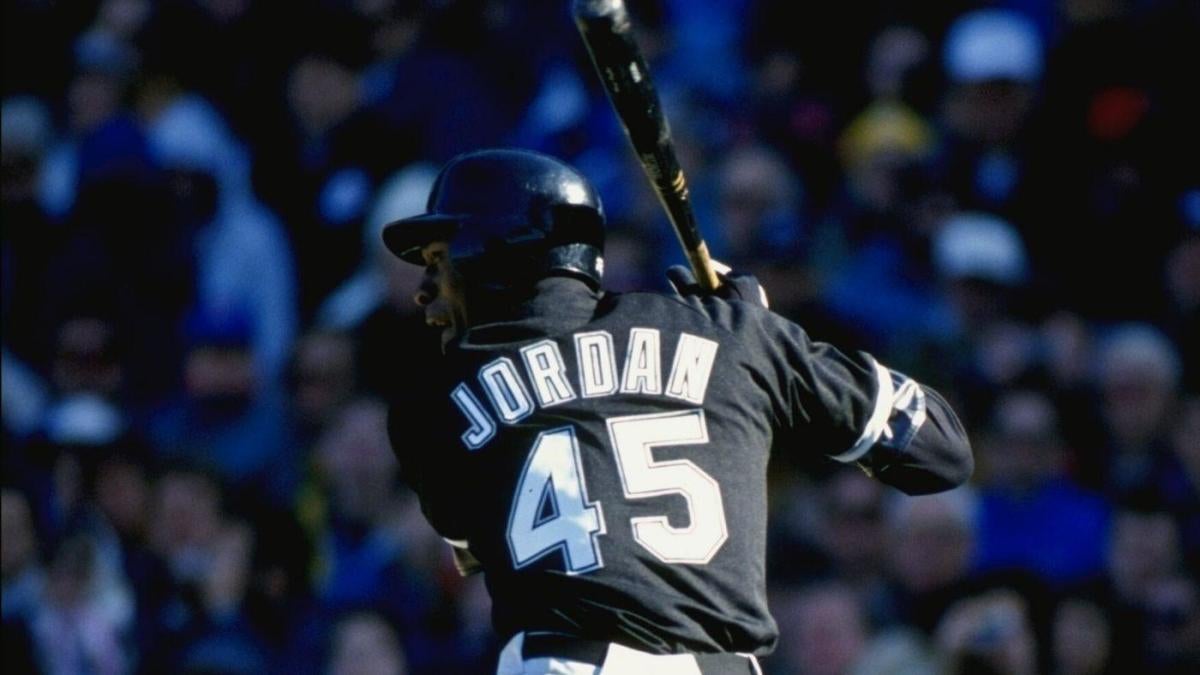
While the world knew Jordan as “23,” his decision to wear number 45 on the diamond was not merely a sentimental choice, but a profound statement on brand evolution, legacy, and the psychological architecture of a global icon.
The Strategic Pivot: Rebranding the G.O.A.T.
When Michael Jordan announced his retirement from the Chicago Bulls in 1993, he was at the absolute zenith of his brand equity. He wasn’t just a basketball player; he was the face of Nike, Gatorade, and the NBA itself. Moving to the Chicago White Sox organization—specifically their Double-A affiliate, the Birmingham Barons—presented a unique challenge: how do you maintain the prestige of a global “A-list” brand while operating in a “Double-A” environment?
Defining the Shift in Personal Identity
In branding, “consistency” is usually the golden rule. However, Jordan recognized that his “23” persona was inextricably linked to the hardwood of the United Center and the dominance of the NBA. By choosing a different number for baseball, Jordan effectively “siloed” his basketball legacy. He wasn’t trying to be the “23 of Baseball”; he was starting a new chapter as a newcomer.
This is a classic brand strategy used by corporations when launching a sub-brand. By distancing the new venture (baseball) from the flagship product (basketball), Jordan protected the “23” brand from the potential “failure” of his baseball career. If he failed at baseball while wearing 23, he might tarnish the aura of invincibility surrounding that number. By wearing 45, he created a psychological buffer.
The 45 Legacy: Honor and Rebirth
The choice of 45 was rooted in his childhood. It was the number he wore in high school until he began playing with his older brother, Larry, who also wore 45. Michael famously halved the number (rounding up) to get 23, signifying he wanted to be at least half as good as his brother.
From a storytelling perspective—a crucial element of brand strategy—this choice was genius. It shifted the narrative from “failing at a new sport” to “returning to his roots.” It humanized a brand that had become almost god-like, connecting him to family values and personal history. This authenticity reinforced his brand loyalty among fans who saw him not as an arrogant superstar, but as a man fulfilling a promise to his father.
The Architecture of Authenticity: Merchandising the Number 45
Even though Jordan was playing in the minor leagues, the commercial machinery behind him did not slow down. The transition to number 45 created an entirely new vertical for merchandising and revenue. In the world of brand strategy, this is known as “product diversification.”
The Visual Identity of the Birmingham Barons
Before Jordan, the Birmingham Barons were a storied but niche minor league team. Once Jordan donned the pinstripes and the number 45, the Barons’ brand exploded. The black, silver, and white color scheme of the White Sox organization—which Jordan wore via the Barons—became the most sought-after apparel in sports.
The number 45 became a symbol of this “alternative” Jordan. Collectors and fans who already owned every piece of “23” gear now had a reason to buy again. This demonstrates the power of a “limited edition” brand pivot. By changing his number, Jordan created a scarcity mindset; the “45 era” was a specific moment in time that fans felt the need to capture through merchandise.
Keeping the “Jumpman” Relevant Without a Basketball
Perhaps the greatest challenge during Jordan’s baseball years was for Nike. The “Jumpman” logo is a silhouette of a man dunking a basketball. How does a brand maintain its core visual identity when the athlete is no longer performing that action?

Nike’s strategy was brilliant: they embraced the pivot. They released the Air Jordan IX, a shoe that was never actually worn by Michael during an NBA game during its initial release. Instead, they modified the IX into a baseball cleat. On the heel of the shoe, they prominently featured the number 45. This ensured that even on a dirt infield in Alabama, the “Jordan Brand” was visible, consistent, and evolving. It taught marketers a vital lesson: your brand’s “essence” (excellence/performance) is more important than the specific “medium” (the sport).
Cross-Industry Brand Synergy: The Ripple Effect
Jordan’s choice of number 45 didn’t just affect his own jersey sales; it fundamentally changed the business of Minor League Baseball (MiLB). His presence was a masterclass in brand “halo effects,” where the strength of one brand elevates everything around it.
The Economic Impact of the Number 45
During the 1994 season, the Birmingham Barons set attendance records that still stand today. Total attendance surged to nearly 500,000 fans for the season, with road games often selling out as well. This wasn’t just about baseball; it was a traveling brand activation.
From a business finance perspective, Jordan’s “45” era proved that a sufficiently powerful personal brand is “platform-agnostic.” It can be moved from one industry to another and still generate massive “top-of-mind” awareness and revenue. The number 45 became a badge of the “true fan”—those who followed him through the struggle of batting .202, not just the glory of the championships.
Lessons in Brand Resilience
The baseball experiment also tested the resilience of the Jordan brand. Critics were harsh, but Jordan’s commitment to the “45” identity—showing up early for bus rides, practicing relentlessly—actually strengthened his brand’s “grit” equity. In modern brand strategy, showing vulnerability or a “work-in-progress” phase can actually increase consumer trust. By not wearing 23, he signaled that he hadn’t “earned” the right to that legendary number in this new arena, showing a level of brand humility that resonated deeply with the public.
The Strategic Return: From 45 Back to 23
When Jordan famously sent a two-word fax on March 18, 1995—”I’m back”—he didn’t immediately return to his old identity. He initially wore number 45 for the Chicago Bulls. This was a strategic choice that eventually led to one of the most famous “brand reverts” in history.
The Psychological Power of Brand Recognition
Wearing 45 in the NBA felt “off” to many fans. It served as a visual reminder that Jordan was still shaking off the “baseball rust.” However, during the 1995 playoffs against the Orlando Magic, after a few uncharacteristic mistakes, Nick Anderson famously remarked that “Number 45 doesn’t explode like number 23 used to.”
In the middle of the series, Jordan switched back to 23 without league permission, incurring massive fines for every game he wore it. From a marketing standpoint, this was an incredible move. By paying the fines, Jordan was essentially “buying back” his elite brand status. He was signaling to the world that the “45” experiment was over and the “23” powerhouse was restored.
Reclaiming Market Dominant Position
The switch back to 23 was the ultimate “re-launch.” It catalyzed a new era of dominance, leading to the second three-peat. For brand managers, this illustrates the “Heritage Brand” concept. Sometimes, you can innovate and pivot (the 45 era), but your greatest value lies in your “heritage” (the 23 era). Jordan used the 45 as a bridge, a way to refresh his personal brand so that when he returned to 23, it felt like a homecoming rather than a continuation of the status quo.
Conclusion: The Lasting Impact of 45 on Modern Branding
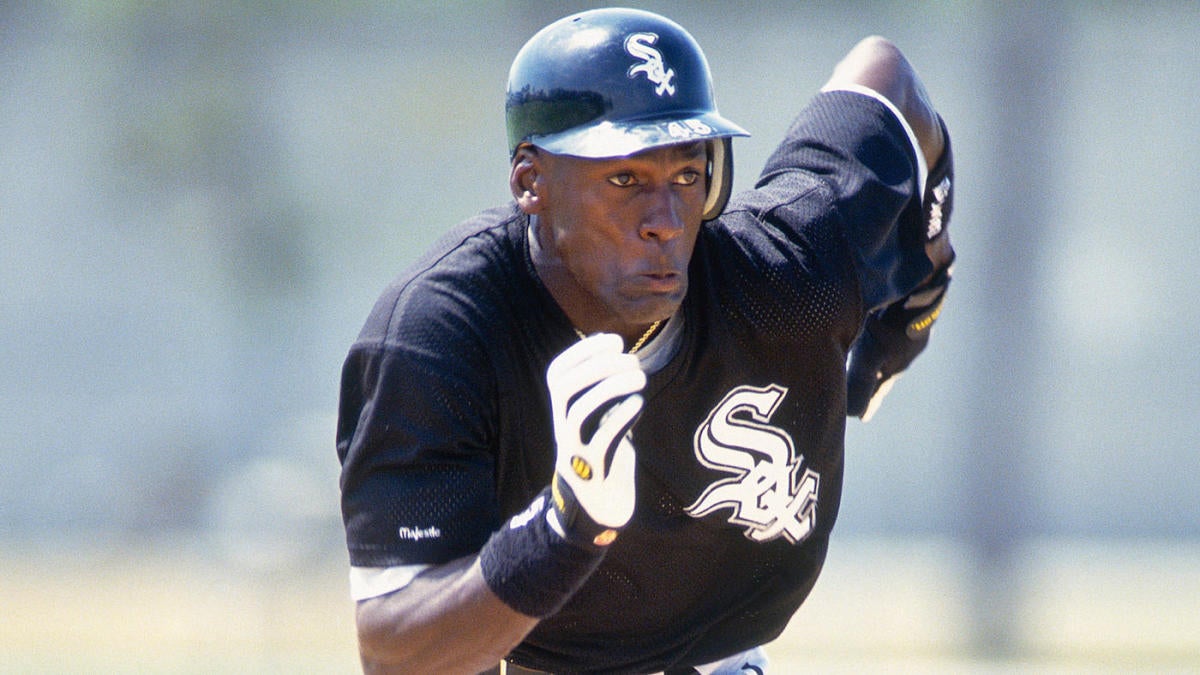
What was Michael Jordan’s baseball number? It was 45—but it was also a strategic tool, a psychological shield, and a tribute to his origins.
Today, we see athletes and influencers constantly rebranding, changing numbers, and pivoting between industries. They are all following the blueprint Jordan laid out in 1994. The lesson for modern brand strategists is clear: your brand is not a static image; it is a narrative. Whether you are wearing 23 or 45, the value lies in the story you tell, the authenticity you maintain, and the courage to pivot when the world expects you to stay the same.
The “45” era remains a testament to the idea that even the greatest brands in the world need room to grow, to fail, and to eventually find their way back home. In the intersection of sports and business, Michael Jordan’s baseball number isn’t just a trivia answer; it’s a symbol of the complexity of personal identity in a commercialized world.
aViewFromTheCave is a participant in the Amazon Services LLC Associates Program, an affiliate advertising program designed to provide a means for sites to earn advertising fees by advertising and linking to Amazon.com. Amazon, the Amazon logo, AmazonSupply, and the AmazonSupply logo are trademarks of Amazon.com, Inc. or its affiliates. As an Amazon Associate we earn affiliate commissions from qualifying purchases.